

















Scan the QR code to visit the mobile website
April 10th, 2026
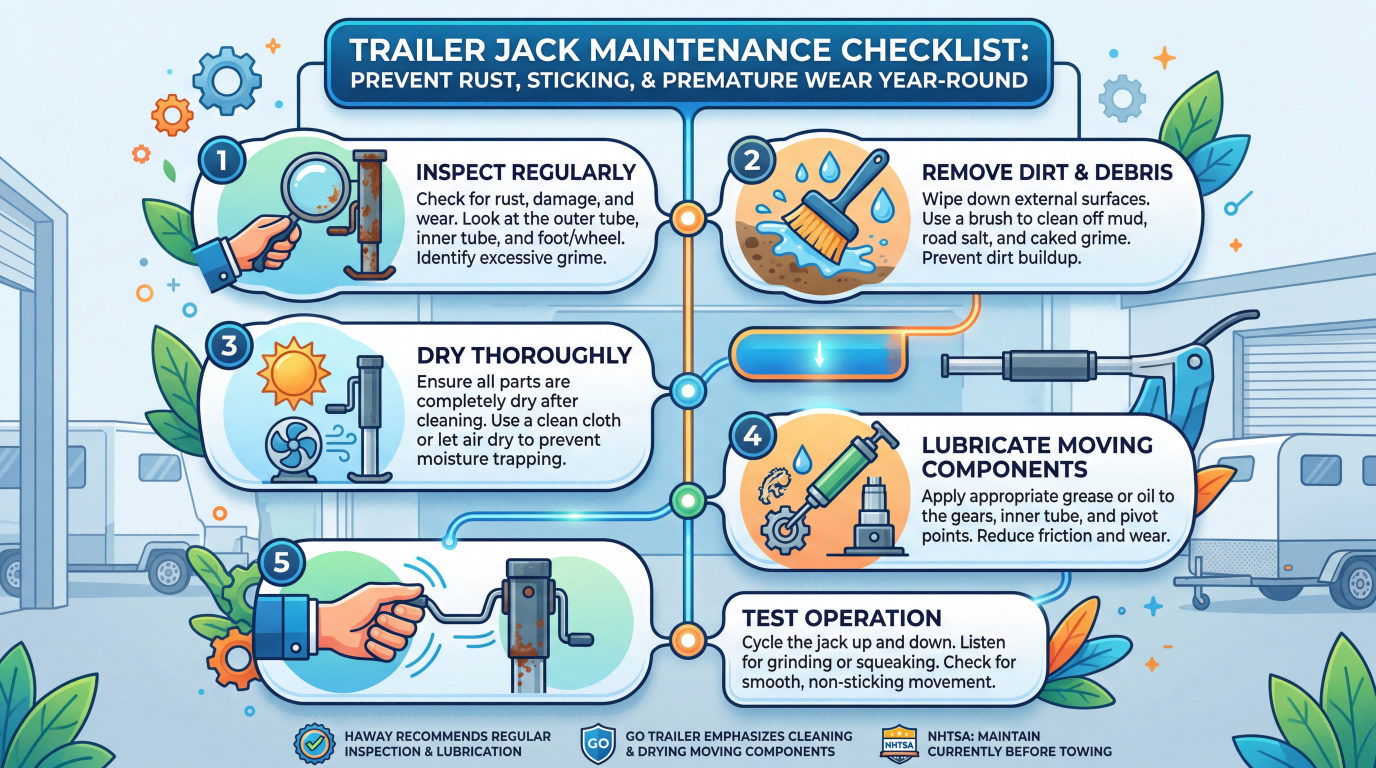
Trailer Jack Maintenance Checklist: How to Prevent Rust, Sticking, and Premature Wear Year-Round
Learn how to maintain a trailer jack year-round with a simple checklist for cleaning, lubrication, rust prevention, storage, and pre-tow inspection.
April 15th, 2026
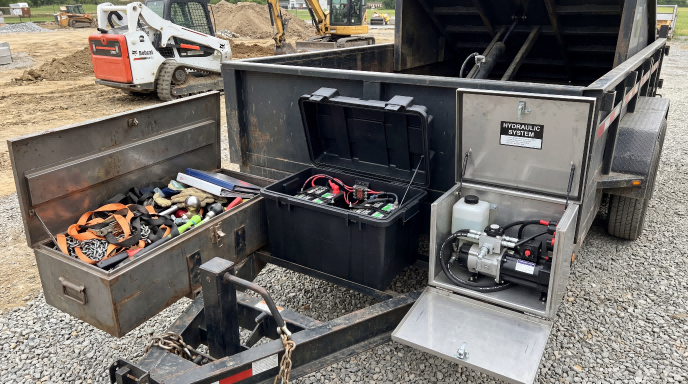
Battery Box, Pump Box, or General Toolbox Understanding Functional Storage on Working Trailers
Not every trailer box should be used the same way. This guide explains the real differences between a trailer battery box, a dump trailer pump box, and a general trailer toolbox, so you can build a safer, cleaner, and more efficient storage system for working trailers.
September 26th, 2026
Trailer Jack Incoming Inspection: An Acceptance Checklist for B2B Buyers
A B2B receiving-inspection guide for trailer OEMs, importers and quality teams. Define lot identity, sampling logic, defect severity, dimensional and functional checks, measurement traceability, quarantine and supplier-feedback rules before production jacks are released to stock or assembly.
September 25th, 2026
Manual vs. Electric Trailer Jacks: A Total Cost of Ownership Guide for Rental Fleets
A fleet-focused cost model for rental operators comparing manual and electric trailer jacks. Measure hitching labor, maintenance, electrical support, downtime, spare parts and replacement cycles, then calculate break-even usage with your own operating data instead of relying on purchase price alone.
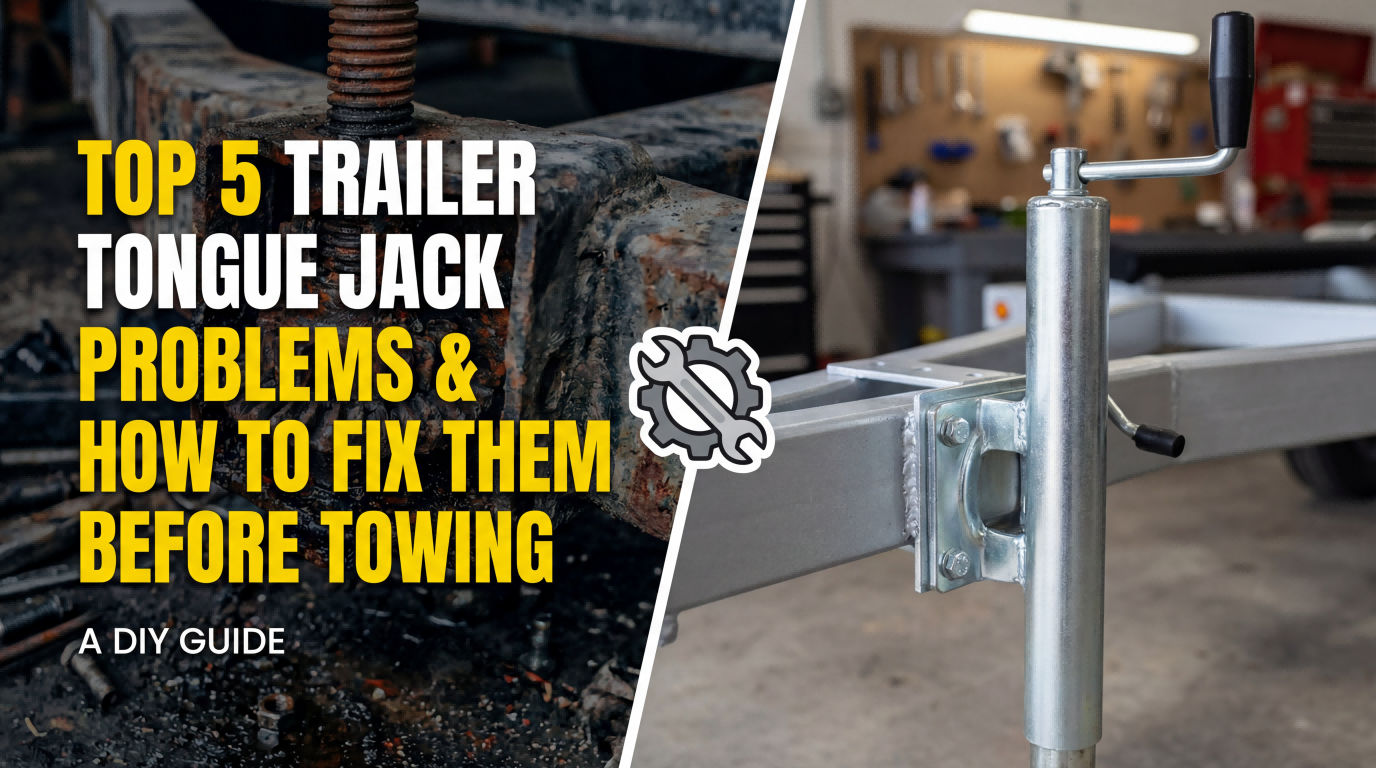
Top 5 Trailer Tongue Jack Problems and How to Fix Them Before Towing
Discover the most common trailer tongue jack problems, what causes them, and how to fix them before towing. Learn practical trailer jack troubleshooting tips for safer travel.
April 16th, 2026
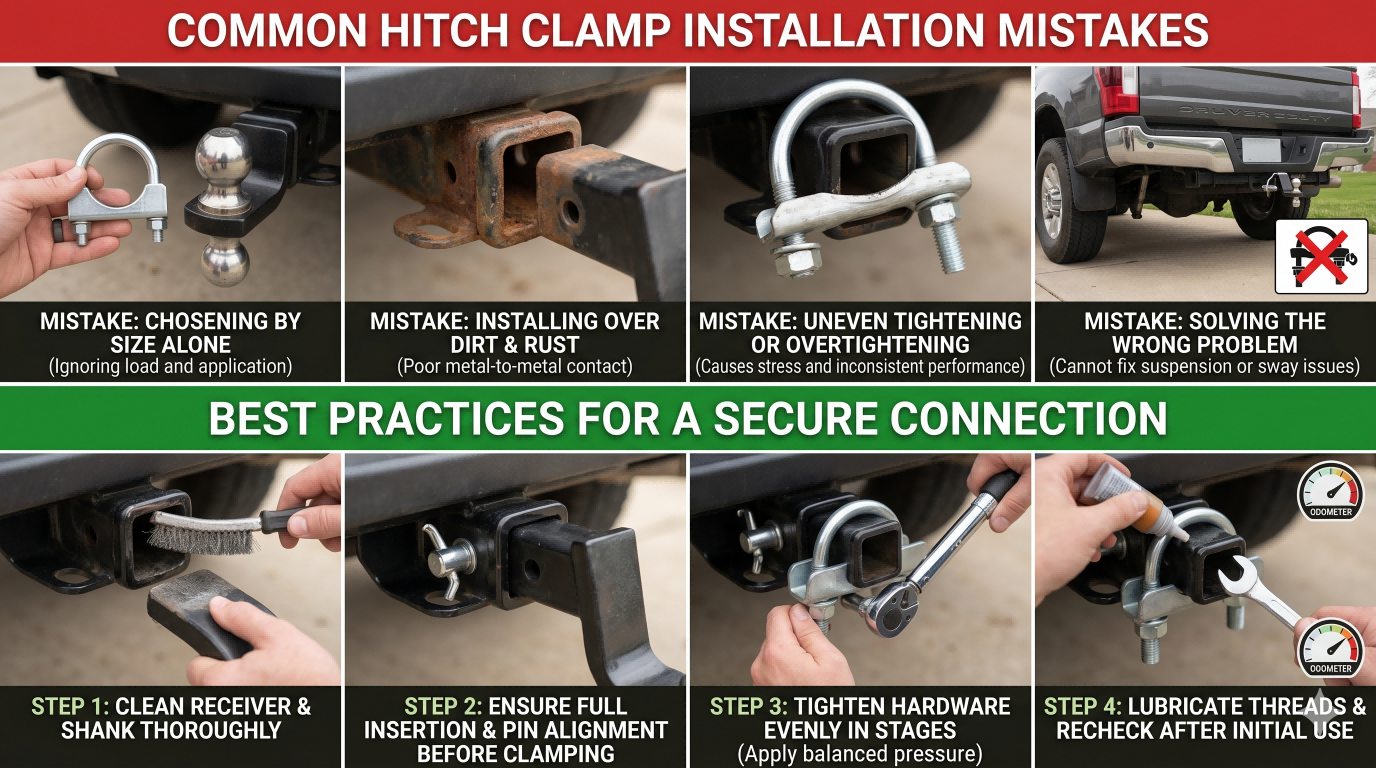
Hitch Clamp Mistakes That Cause Noise, Looseness, or Premature Wear
This blog explains the most common hitch clamp mistakes that reduce anti-rattle performance and create unnecessary hitch noise, looseness, and wear. It helps trailer owners understand how installation habits, fit assumptions, and maintenance neglect can turn a simple receiver connection issue into a long-term towing problem.
May 8th, 2026
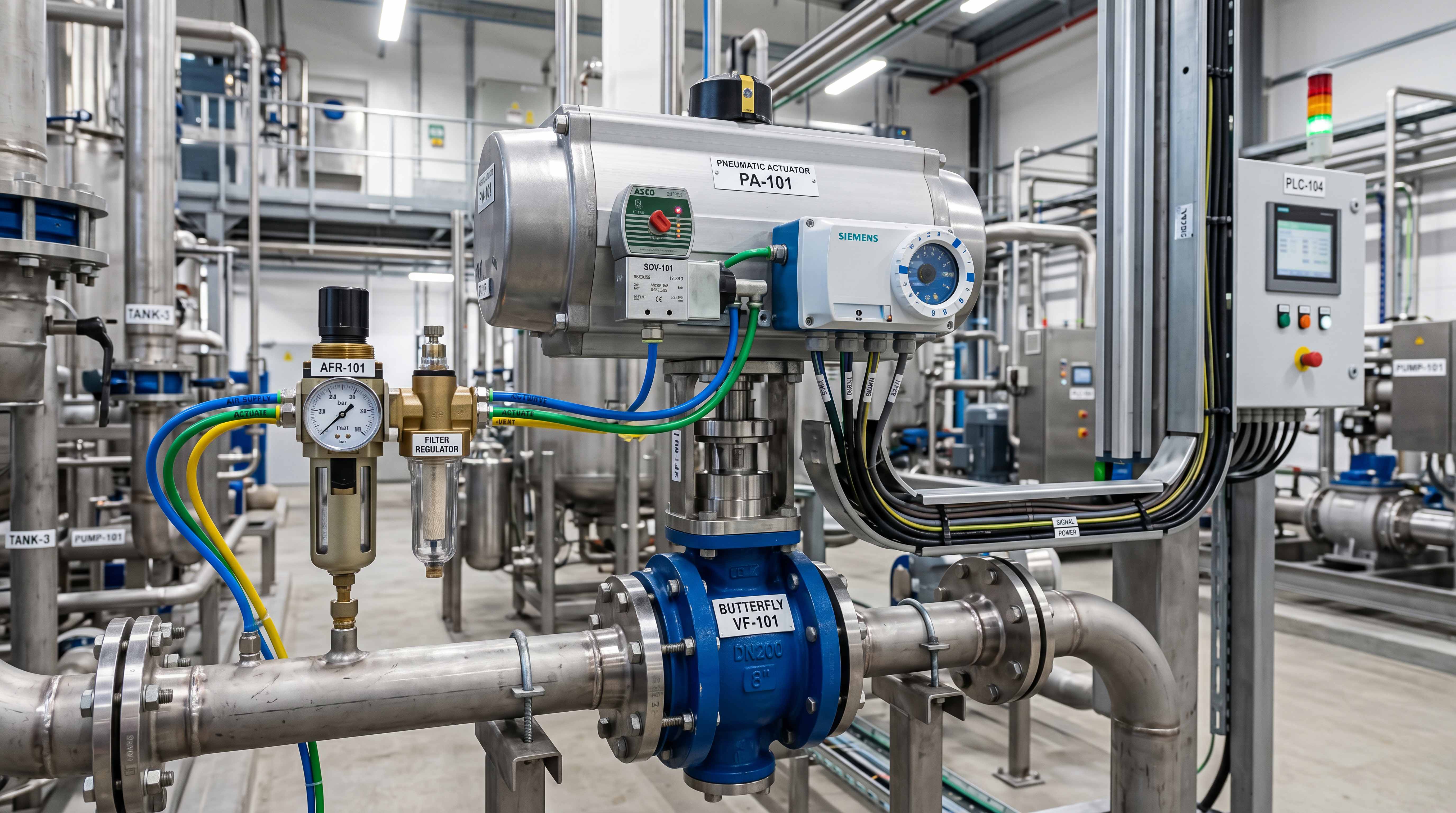
Pneumatic Valve Automation Is More Than an Actuator: How the Complete System Works
A practical guide to pneumatic valve automation systems, explaining how actuators, solenoid pilot valves, limit switch boxes, positioners and compressed air supply work together in industrial valve control.
September 29th, 2026
Trailer Jacks for Solar Surveillance Trailers An OEM Specification Guide
An OEM guide to specifying jacks for solar surveillance trailers. Define each support position, mounting interface, adjustment range, ground contact and supplied kit, then compare supplier proposals with a configuration matrix and verify the approved package through a pilot build.
June 23rd, 2026
200W vs 400W vs 800W vs 1200W RV Solar: Which Setup Fits Your Camping Style?
RV solar wattage should not be selected by the biggest number on a product page. This guide explains how 200W, 400W, 800W and 1200W RV solar setups fit different battery banks, roof layouts, camping habits, charging sources and off-grid power expectations.
June 8th, 2026
What Is a Split Solar Water Heating System?
A practical guide to understanding split solar water heating systems, including how they work, what components they use, where they fit best, and how buyers should evaluate them before choosing a solar hot water solution.
April 22nd, 2026
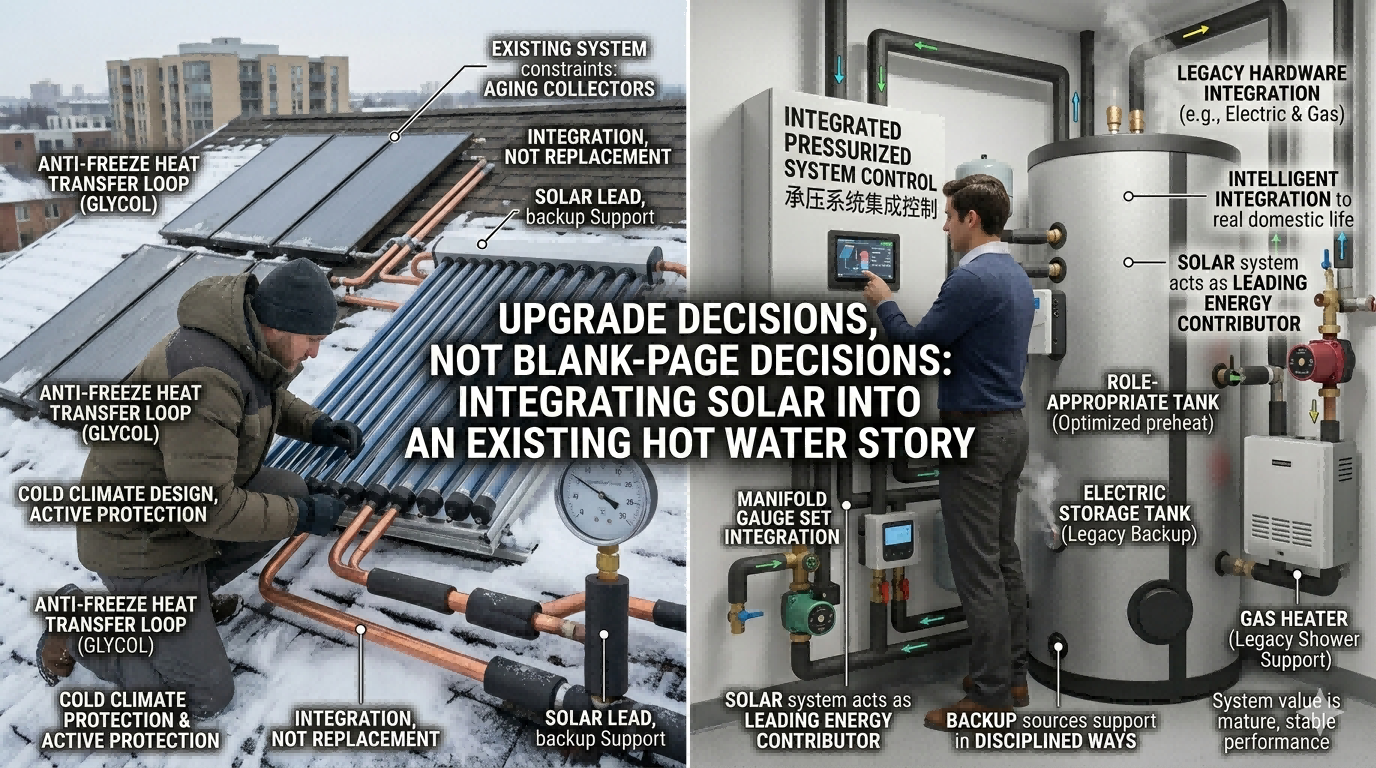
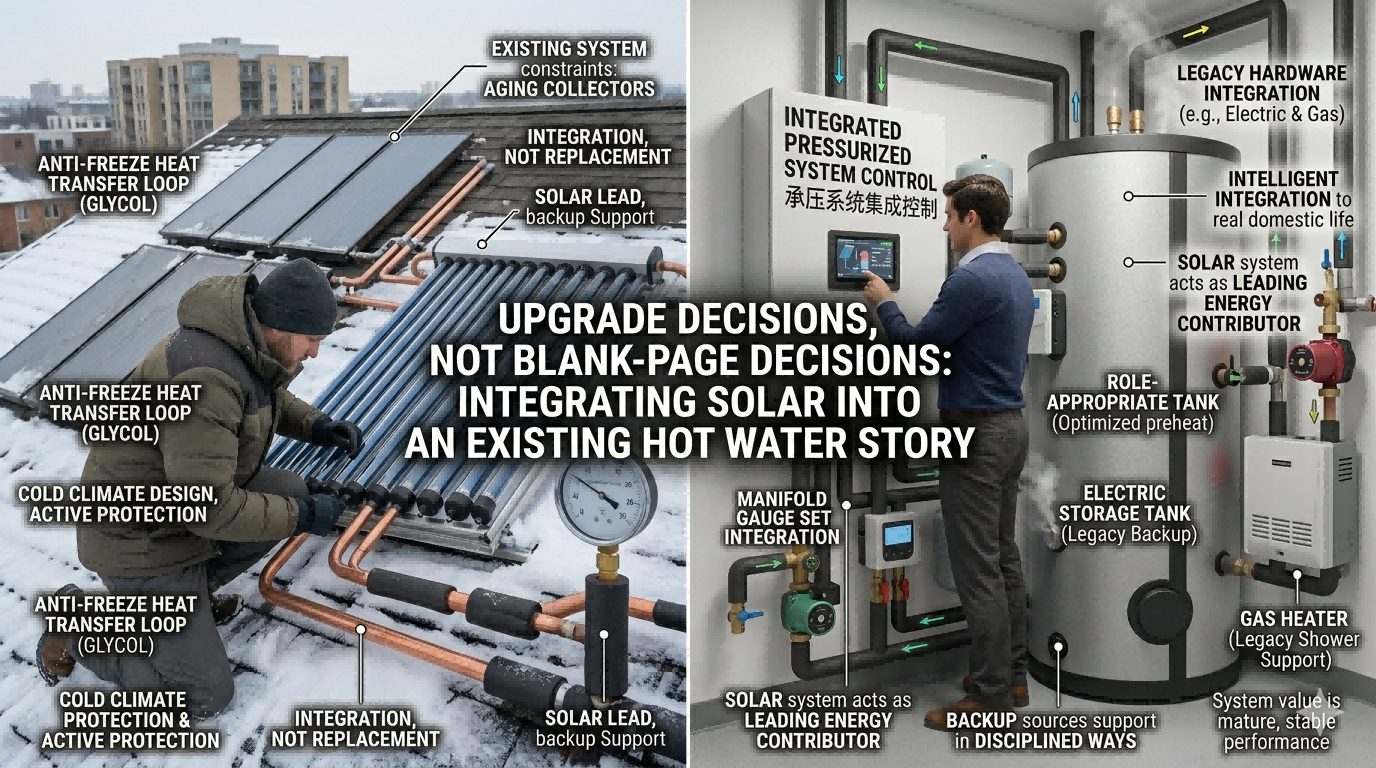
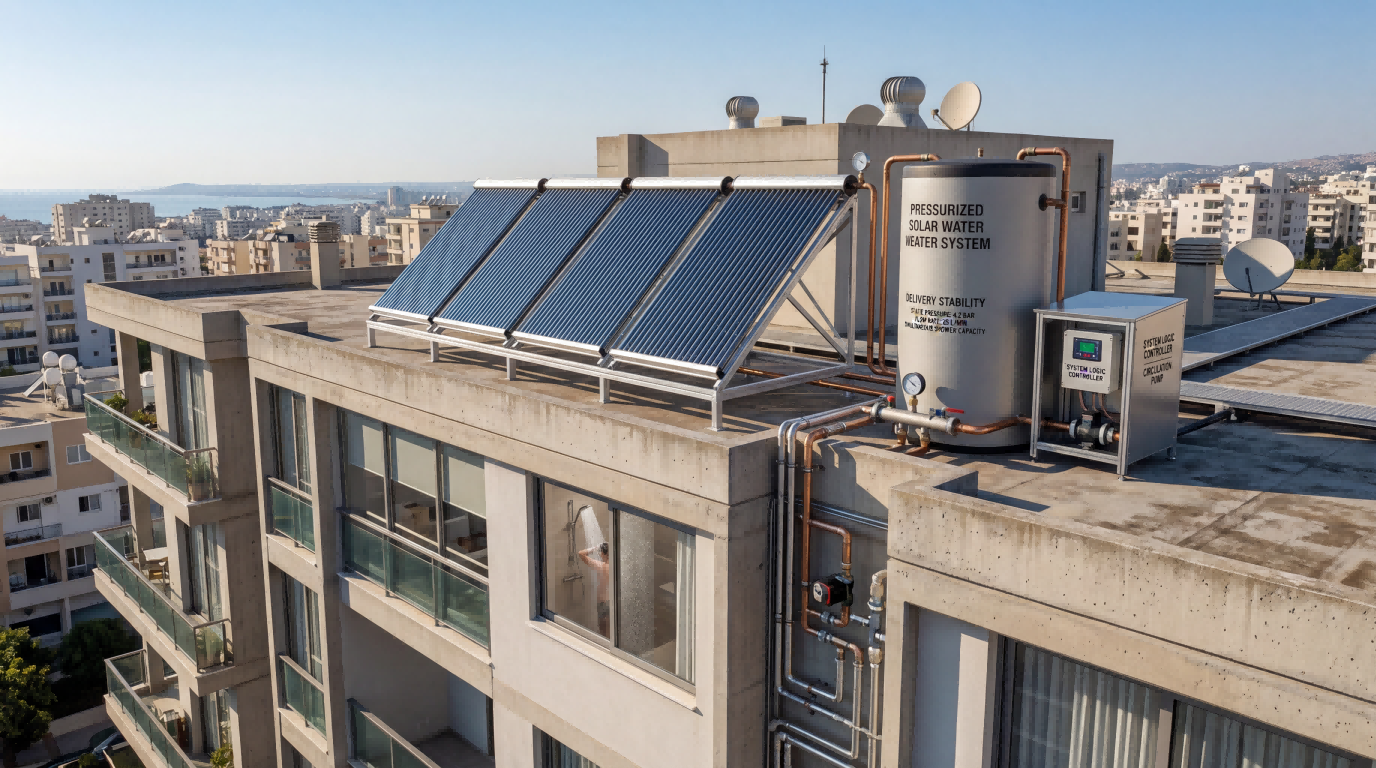
How a Pressurized Solar Water Heater Works with Electric Backup, Gas Boosters, Heat Pumps, and Existing Plumbing
A pressurized solar water heater delivers its greatest value when it is not treated as an isolated rooftop product, but as part of a coordinated domestic hot water strategy. This guide explains how a pressurized solar hot water system can work with electric backup, gas booster, heat pump water heater, and existing plumbing to create a more stable, efficient, and upgrade-friendly home hot water solution.
June 12th, 2026
Lightweight PV Modules for Commercial and Industrial Roofs
Lightweight PV modules are not just easier-to-handle solar panels. For commercial and industrial rooftops, they can influence roof load, reinforcement cost, installation speed, business disruption, project ROI and long-term solar feasibility.
June 26th, 2026
RV AC/DC Power Distribution: How to Separate, Protect and Manage Every Circuit
A reliable RV power system is not only about solar panels, lithium batteries or inverter size. This guide explains how AC and DC distribution, fuse panels, breaker panels, inverter circuits, shore power transfer and load separation determine real system safety and usability.
June 18th, 2026
Bifacial or Just Double Glass? How to Read Glass-Glass BIPV Specifications
Double glass, bifacial, semi-transparent and BIPV glass are often used together, but they do not mean the same thing. This guide helps buyers, architects and project teams read glass-glass BIPV specifications correctly, compare datasheets, avoid misleading supplier claims and choose the right module structure for facades, skylights, canopies and building-integrated solar projects.
June 17th, 2026
Fire Safety in Glass-Glass BIPV Facades What Building Teams Need to Know
Fire safety in glass-glass BIPV facades is not only a solar module issue. It involves photovoltaic glass, facade cavities, cable routing, encapsulation materials, fire stops, building codes, emergency access and long-term maintenance. This guide explains how architects, developers, facade contractors and international buyers should evaluate fire-related risks before using BIPV in curtain walls and building skins.
June 16th, 2026
Glass-Glass BIPV Panels When Solar Modules Become Part of the Building Envelope
Glass-glass BIPV is not only a solar module upgrade. It represents a shift from mounted solar equipment to energy-generating building materials. This guide explains how glass-glass photovoltaic panels become part of facades, skylights, canopies and roof systems, and why architects, developers and buyers should evaluate them as building envelope products.
July 16th, 2026
How Shower Door Rollers Are Tested: Cycle Life, Load, Corrosion and Quality Control
A reliable shower roller is proven through a chain of evidence, not one cycle-life number. This guide explains dimensional inspection, static load, operating-force curves, endurance cycling, wet-dry and corrosion exposure, retention testing, teardown analysis, batch control and supplier change management.
July 7th, 2026
What Are SPC Wall Panels A Practical Guide to Waterproof Rigid Wall Systems for Modern Interiors
SPC wall panels are not just another decorative board. This guide explains how stone plastic composite wall panels work, where they fit, how they compare with PVC, WPC, tiles and stone, and why buyers should evaluate SPC as a complete wall system rather than a simple surface material.
July 13th, 2026
How UV Marble Panels Age: A Practical Guide to Cleaning, Repair, Replacement, and Lifecycle Control
UV marble panels do not usually fail in one dramatic moment. Their appearance and performance change through cleaning habits, edge damage, open seams, surface scratches, moisture exposure, adhesive movement and replacement decisions. This guide explains how homeowners, contractors, hotels, distributors and facility teams can manage the complete lifecycle of a UV marble wall.
July 15th, 2026
How to Source Shower Niches for Real Projects: From RFQ and Samples to Quality Control and Shipment
Buying a shower niche is easy when the decision is reduced to size, material and unit price. Building a reliable supply program is harder. This guide follows the complete sourcing journey from specification and RFQ preparation through supplier qualification, technical drawings, samples, golden samples, production control, inspection, packaging and project delivery, showing why the strongest purchasing decisions reduce uncertainty before mass production begins.
July 23rd, 2026
The Capsule Does Not Create the Return: Underwriting a Glamping Resort from Demand to Stabilized Cash Flow
A capsule resort is not profitable simply because the units look distinctive or arrive factory finished. This investment guide builds a hospitality underwriting model around destination demand, sellable nights, rate architecture, channel costs, operating margins, shared infrastructure, phased expansion, financing pressure and downside resilience.
September 10th, 2026
How to Read WPC Wall Panel Specifications Before Comparing Suppliers
A practical B2B guide to reading WPC wall panel data sheets, comparing dimensions, effective cover width, thickness, density, profile structure, surface systems and tolerances, and freezing a supplier specification before samples, quotations and purchase orders are approved.
October 12th, 2026
Mold Behind PVC Wall Panels What to Check Before Replacing the Wall
Waterproof PVC panels can conceal a damp wall. This guide helps landlords, contractors and distributors distinguish surface mould from suspected hidden moisture, check likely water paths, understand inspection limits and plan repairs before the wall is closed again.
October 1st, 2026
Tent Packaging for Sea Freight: Moisture Control from Factory to Warehouse
A B2B guide to protecting tent consignments from moisture and handling damage. Define packing readiness, compare protective enclosures, review desiccant proposals, select transport tests, and connect loading records with warehouse inspection and release decisions.
July 28th, 2026
How to Select a Neutralizing Amine When Crude Slates Keep Changing
A refinery-focused selection guide for matching neutralizing amines to changing crude slates. It explains how chloride load, acid demand, vapor-liquid distribution, amine salt formation, desalter performance, injection design, monitoring and field validation should shape a defensible neutralizer program.
July 24th, 2026
MEG, Methanol, KHI or Anti-Agglomerant? Choosing a Hydrate Strategy for Subsea Production
A field-oriented guide to selecting MEG, methanol, kinetic hydrate inhibitors or anti-agglomerants for subsea production. It connects hydrate thermodynamics, shutdown and restart exposure, water cut, chemical recovery, environmental approval and qualification evidence to the strategy that best protects production availability.
August 4th, 2026
Low-Carbon Refractories How to Buy a Smaller Footprint Without Buying a Shorter Campaign
A buyer-focused framework for comparing cradle-to-gate refractory carbon data, supplier evidence, recycled-content claims and service-life outcomes without allowing a lower PCF number to weaken lining safety, process stability or campaign value.
Neutralizer vs Caustic vs Filming Amine vs Water Wash: What Each One Actually Does
A refinery decision guide explaining how caustic, neutralizing amines, filming inhibitors and water wash control different parts of crude overhead corrosion. It shows where each layer acts, what it cannot replace, how failures transfer risk downstream, and how refiners should build an integrated corrosion-control strategy.
TBC, MEHQ and PTZ in Monomer Storage: How Oxygen, Temperature and Inhibitor Depletion Change Risk
This industry guide compares TBC, MEHQ and PTZ as different monomer-protection tools rather than interchangeable additives. It maps styrene, acrylic and methacrylic storage risks across oxygen availability, temperature history, residence time, active-inhibitor measurement, phase segregation and emergency restabilization.
Tramp Amines in Crude: When H2S Scavengers Disrupt Refinery Neutralizer Control
Tramp amines can enter a refinery before the neutralizer program ever begins. This guide traces MEA and other amines from H2S scavenger-treated crude through desalting, furnace heating and the tower overhead, explaining how they distort pH, raise salt points, increase fouling risk and change crude purchasing, monitoring and mitigation decisions.
Why Crude Overhead pH Suddenly Drops: A Root-Cause Guide for Refiners
A refinery troubleshooting guide for sudden crude overhead pH drops. It shows how to separate chloride surges, desalter disturbances, caustic interruptions, neutralizer delivery problems, crude changes, condensation effects and sampling errors by reading the event timeline instead of treating every low-pH alarm as a chemical-dose problem.
July 31st, 2026
Boiler Feedwater Quality: Set Limits from Source Water, Pressure and Condensate Return
Boiler feedwater is not a fixed utility specification. Its risk changes with source-water variability, pretreatment performance, condensate-return integrity, boiler pressure and operating state. This guide shows how plants can define a defensible feedwater envelope, detect contamination and select controls from measured system conditions.
September 23rd, 2026
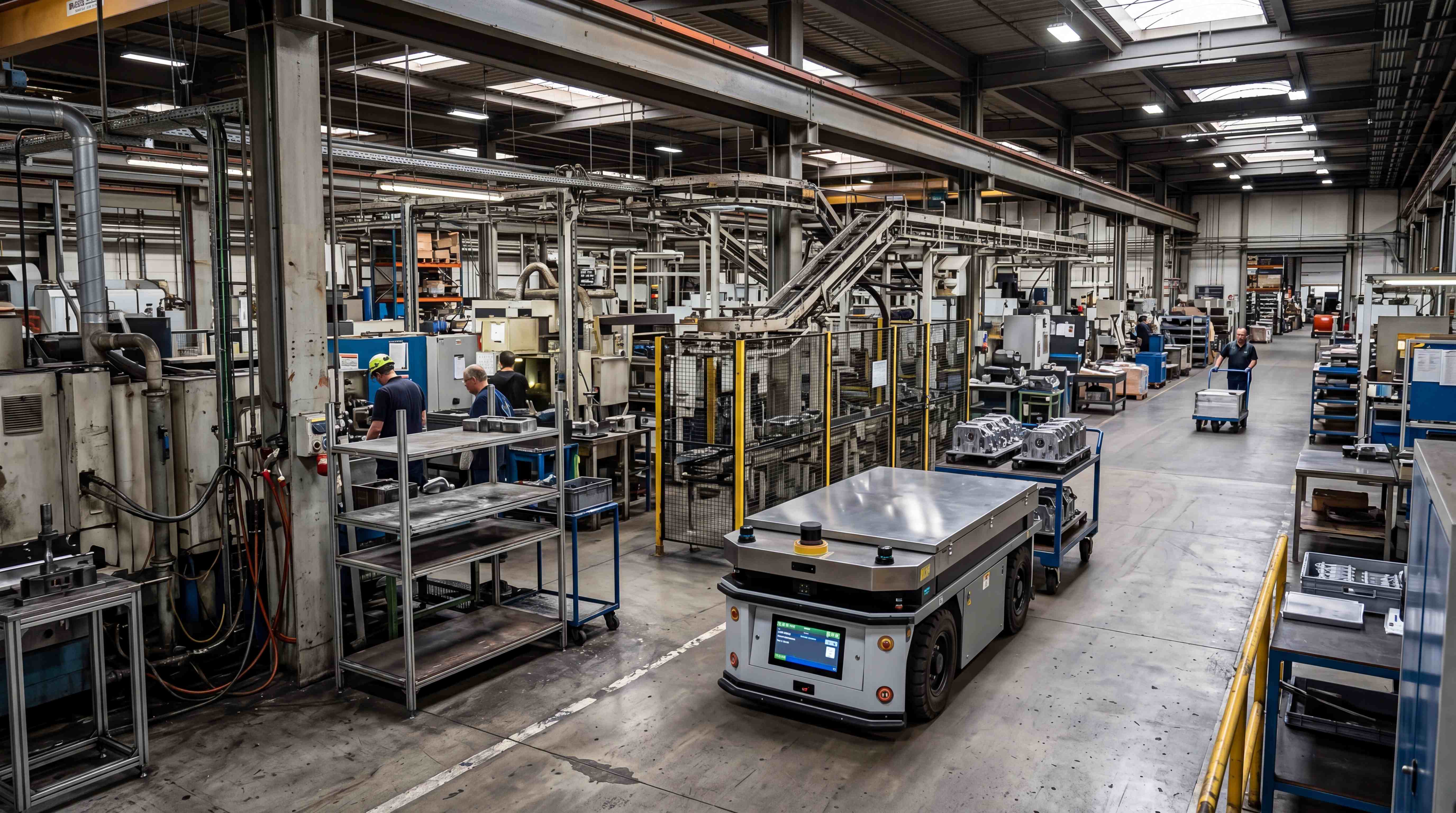
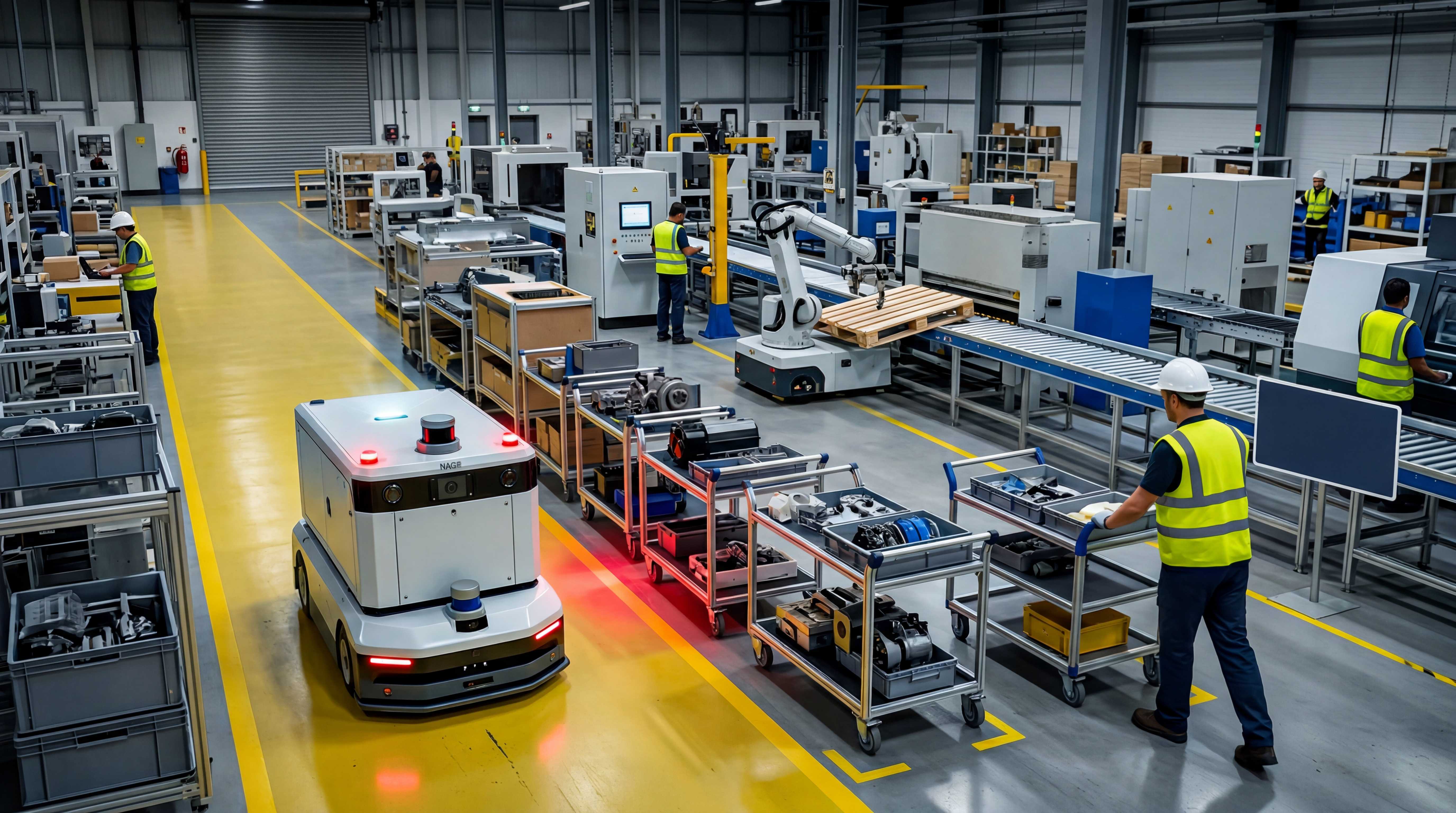
AMR Line Feeding for EV Battery Packs: Keep the Right Build Moving
A completed robot delivery does not guarantee a production-ready battery pack. Use a mixed-model dispatch example to connect build sequence, quality release, buffer coverage and empty-carrier return, then turn those requirements into a supplier test plan.
May 19th, 2026
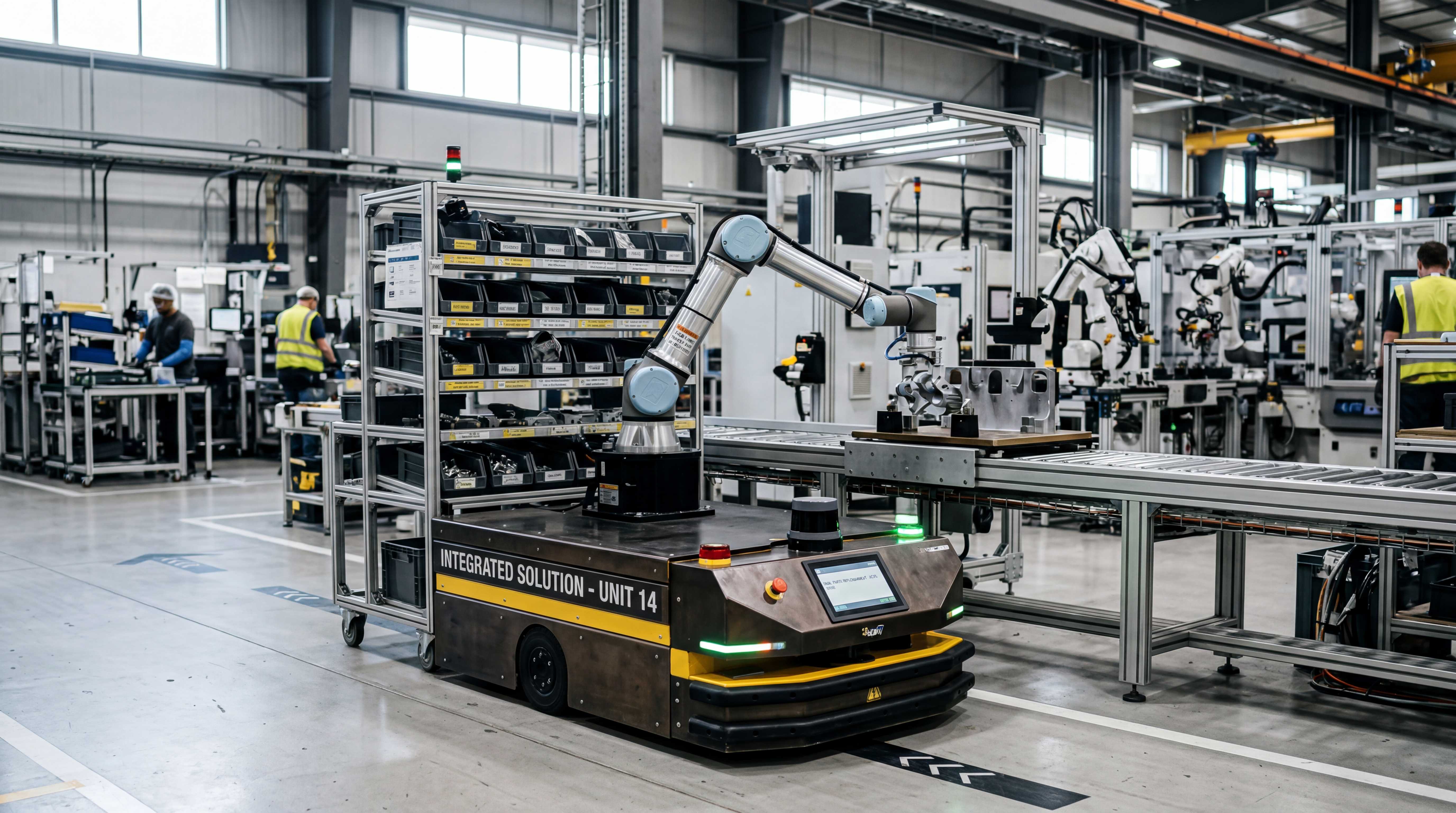
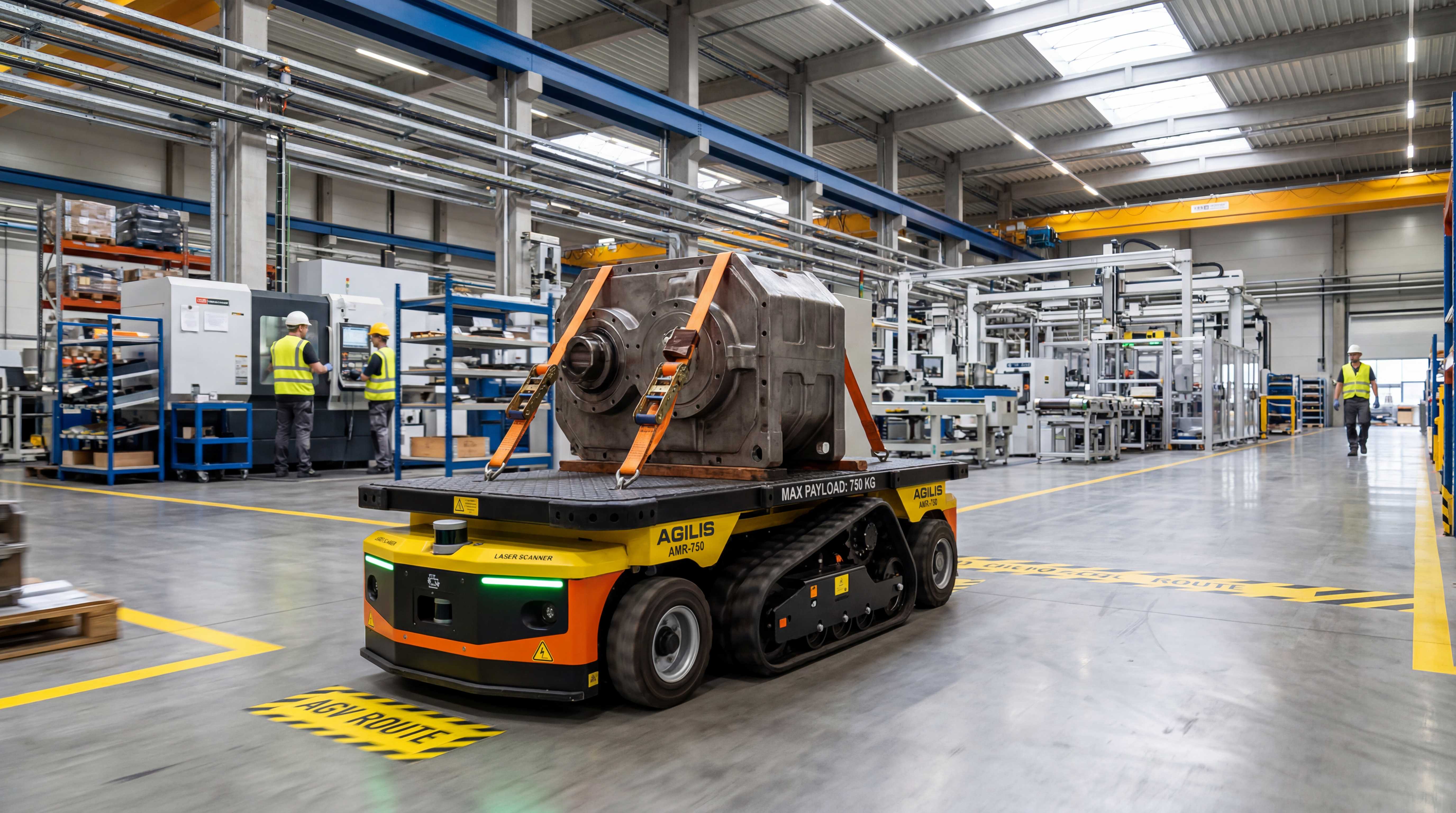
How to Buy a Heavy-Payload AMR Chassis: Specification, Acceptance Testing and Long-Term Value
Selecting a heavy-payload AMR chassis is not only a product comparison. Buyers need to define real load conditions, route requirements, docking accuracy, integration scope, safety validation, acceptance tests, ROI logic and long-term service capability before making a procurement decision.
Cyber Resilience Act Reporting: What Heavy-Payload AMR Buyers Need from Suppliers
CRA reporting obligations now apply to relevant products with digital elements. Follow a hypothetical heavy-payload AMR security advisory from supplier notification to affected-asset identification, controlled production recovery and closure evidence. Learn which responsibilities and records buyers should agree before the next incident.
October 15th, 2026
Can a Heavy-Payload AMR Enter Your Cleanroom? What Its ISO Class Rating Actually Covers
A cleanroom rating does not answer every AMR procurement question. Using a real qualification report and current industry discussions, this article examines operating modes, charging, ESD protection, load interfaces and the evidence buyers need before releasing heavy-payload robots into production.
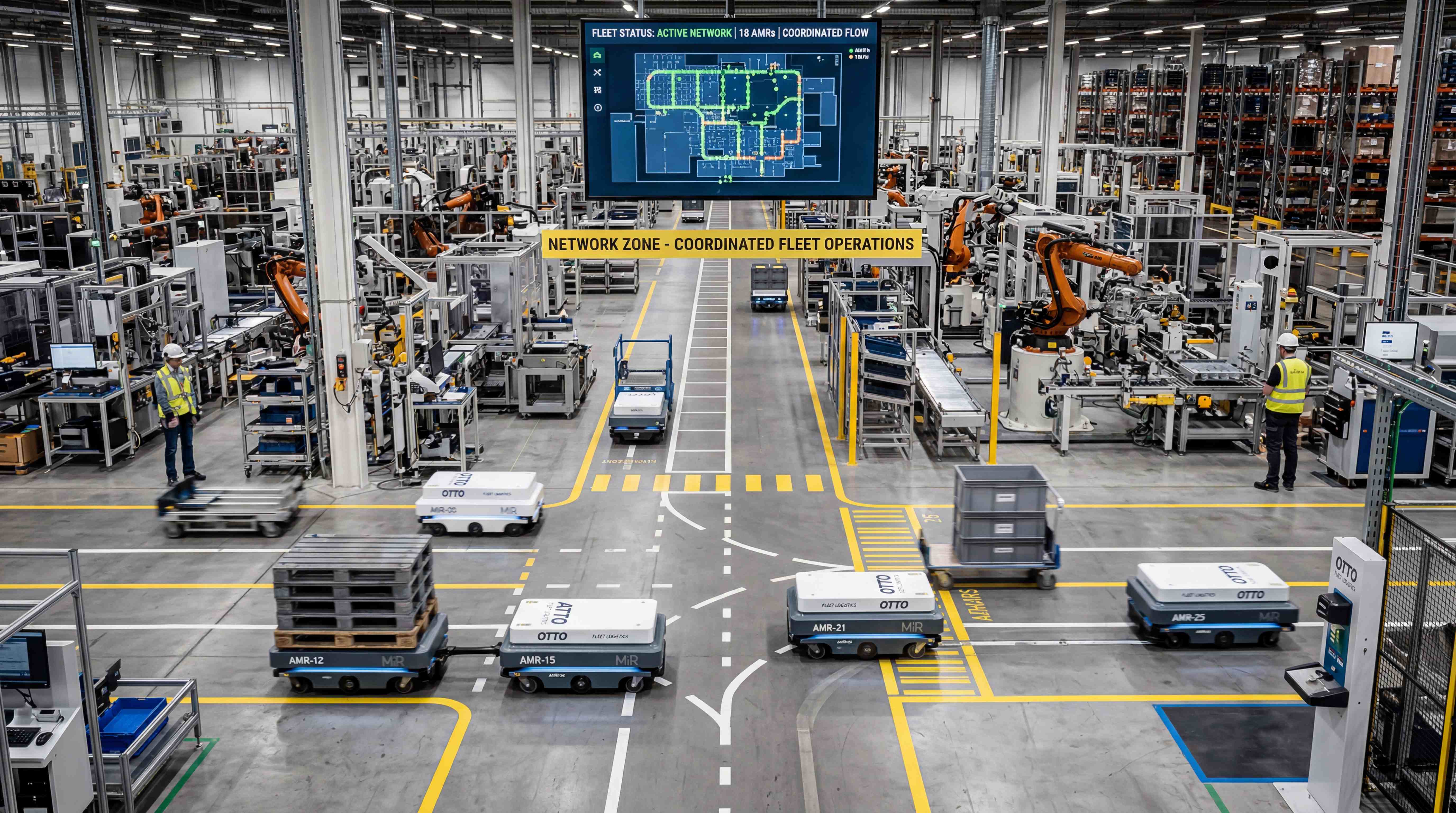
From One Robot to a Working Fleet: How to Integrate Heavy-Payload AMRs into Industrial Systems
A heavy-payload AMR project does not end when one robot completes one route. Long-term success depends on system integration, mission triggers, fleet management, traffic control, charging strategy, PLC communication, exception handling and measurable deployment performance.
September 28th, 2026
VDA 5050 3.0 Migration: Can Old and New AMRs Share the Same Factory?
Adding VDA 5050 3.0 robots to an established 2.1 fleet creates a migration problem across software, traffic control and material records. Compare three deployment options, test version-dependent behavior and use a worked cutover budget to decide when a mixed fleet can enter production.
August 25th, 2026
Heavy-Payload AMR Stopping Distance How Load, Speed, Floor and Control Define the Stop
Stopping distance is not a catalog constant. This engineering guide separates response delay, braking travel, load settling and safety margin, then shows how payload, center of gravity, speed, floor friction, slope, turns, brake temperature and wear shape a heavy-payload AMR stop envelope.
September 24th, 2026
VDA 5050 Factsheets Turn Robot Capabilities into an Integration Decision
A VDA 5050 capability declaration is only one part of a purchasing decision. Follow three hypothetical supplier submissions to connect robot functions, controller support, software entitlement and test evidence to a clearly defined integration scope.
August 5th, 2026
Fresh Juice After Extraction: How Storage, Oxygen, Temperature and Packaging Shape Shelf Life
Fresh juice begins changing as soon as it leaves the juicer. This guide separates quality loss from food-safety risk and explains how oxygen, temperature, foam, transfer, container choice, refrigeration, preservation and shelf-life validation determine whether a drink should be consumed immediately, served the same day or managed through a controlled commercial process.
How to Choose a Commercial Blender for Cafés, Juice Bars, Restaurants and Hotels
A commercial blender should be selected as part of a service system, not by motor power alone. This guide shows cafés, juice bars, restaurants and hotels how to translate menu design, peak-hour demand, noise, sanitation, staff workflow, maintenance and lifecycle cost into a defensible equipment decision.
Why Juicer Cleaning Design Matters Screens, Seals, Pulp Paths and Daily Hygiene
Juicer cleaning is not an afterthought; it is part of product performance. This guide maps residue zones, compares mesh screens and easy-clean systems, separates household cleaning from commercial sanitation, and shows buyers how to test part access, drying, reassembly, labor and hygienic design before purchase.
Soda Maker Bottle Procurement: Compatibility, Service Life, and Quality Validation
A procurement-focused guide for soda maker brands, importers, and quality teams. Define the approved machine-and-bottle combination, control bottle life and replacement rules, build lot traceability, validate pressure-related performance and packaging, and use a practical bottle passport and release plan before mass production.
How to Benchmark Soda Maker Performance: Carbonation, CO2 Consumption, and Workflow
A practical benchmarking guide for soda maker importers, product managers, and quality teams. Define comparable carbonation targets, measure dissolved CO2 separately from cylinder gas use, evaluate retention and daily workflow, and use a worked calculation and run-log template to make sample approval decisions.
September 21st, 2026
CO2 Supply Planning for Soda Maker Distributors Compatibility, Refills, and Supply Continuity
A distribution-focused guide to keeping soda maker CO2 available after the first sale. Compare cylinder compatibility and exchange rules, map regional refill coverage, verify gas-quality evidence, and use a worked inventory model to plan filled stock, cylinder returns, and backup supply.
April 27th, 2026
Why Soda Makers Are Becoming the New Hospitality Appliance in Modern Homes
Most consumers still think of a soda maker as a simple machine for producing sparkling water. But in modern homes, its role is expanding. A soda maker is increasingly becoming a home hospitality appliance that helps households offer guest-ready sparkling drinks, support at-home beverage hosting, build more flexible social beverage systems, and create a lighter, smarter way of entertaining without depending on a refrigerator full of bottled drinks.
Beyond Sparkling Water: 10 Everyday Beverage Occasions Where a Soda Maker Creates New Value
Most people still think a soda maker is mainly for making plain sparkling water. In reality, its real strength is much broader. This article explores ten everyday beverage occasions where a soda maker creates meaningful value at home, showing how it can support morning hydration, family drink routines, hosting, seasonal refreshment, low-alcohol lifestyles, and more personalized sparkling beverage experiences.
Industrial Components
Column
Enter the column
What Is a Drop-Leg Trailer Jack and When Is It Worth It for Cargo and Equipment Trailers
Learn what a drop-leg trailer jack is, how it works, and when it is worth upgrading for cargo, utility, equipment, and commercial trailers.
April 13th, 2026
Trailer Jack Capacity Explained: How to Match Jack Rating to Tongue Weight Safely
Learn how trailer jack capacity works, why tongue weight matters more than total trailer weight, and how to choose the right jack rating for safer towing and easier handling.
How to Safely Jack Up a Dual-Axle Trailer for Tire Changes and Maintenance
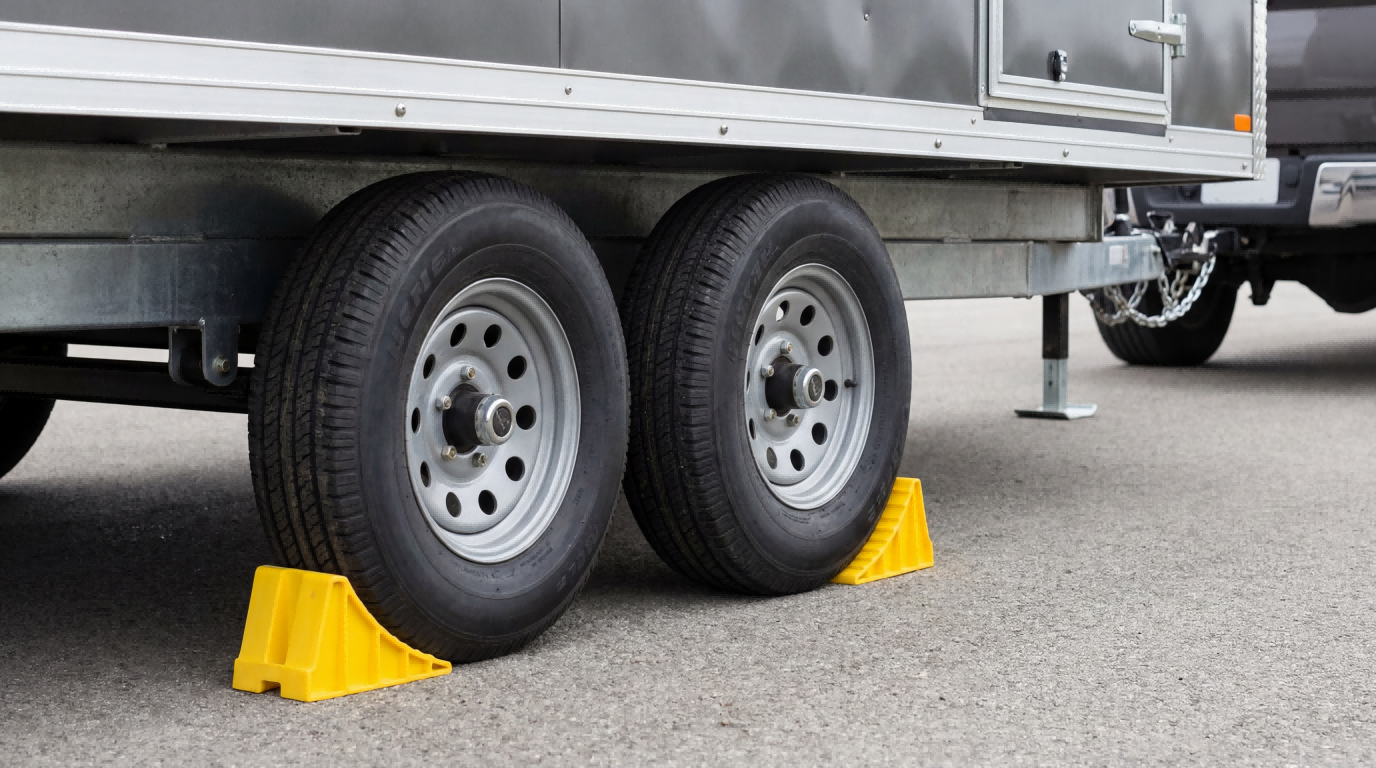
Learn how to safely jack up a dual-axle trailer for tire changes and maintenance, including jack points, wheel chocks, jack stands, and common lifting mistakes to avoid.
May 11th, 2026
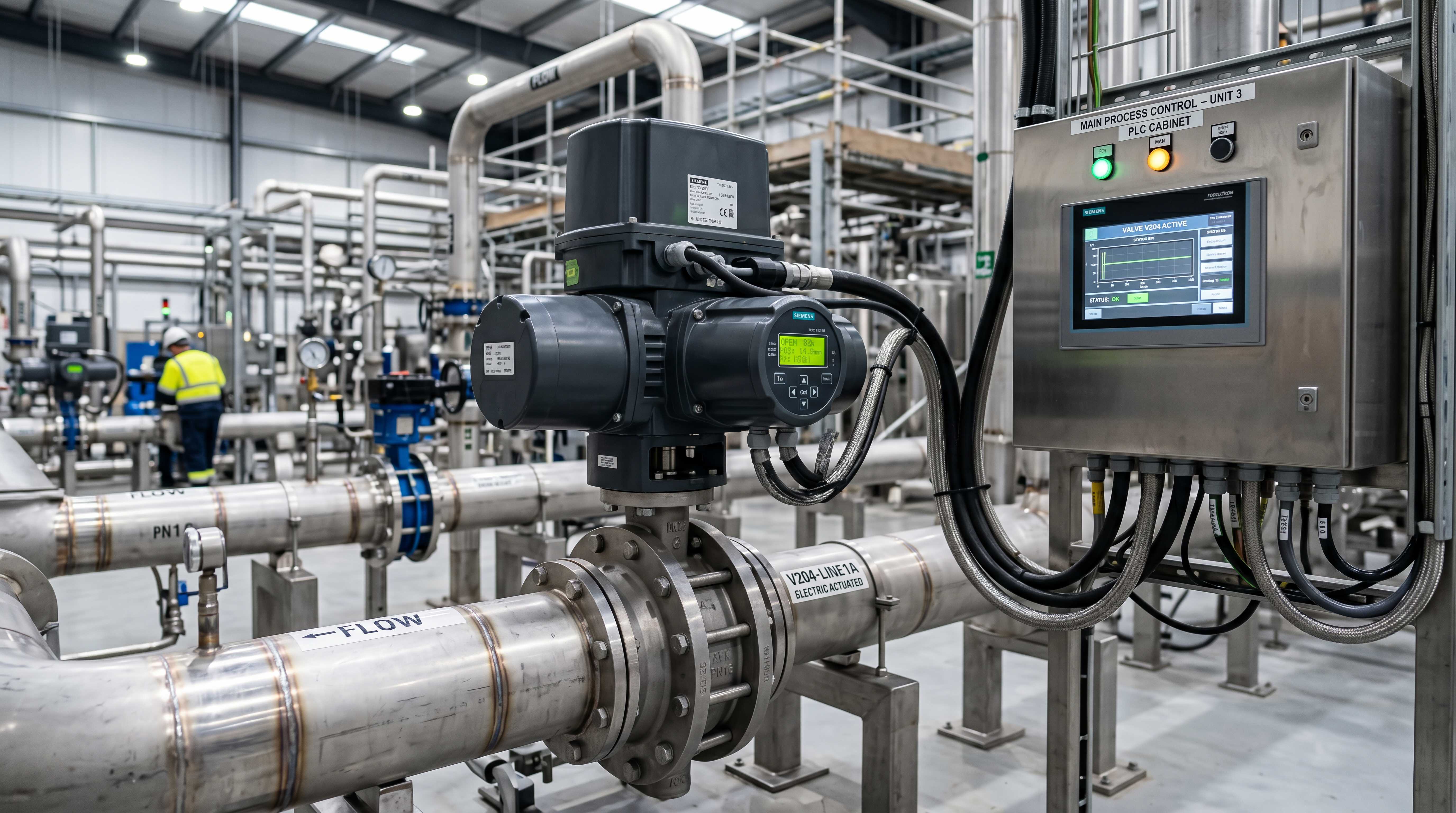
How to Select the Right Electric Actuator for Industrial Valves
Choosing an electric actuator is not only about torque or voltage. This guide explains how valve type, control mode, duty cycle, feedback, environment and installation details affect actuator selection.
Renewable Energy
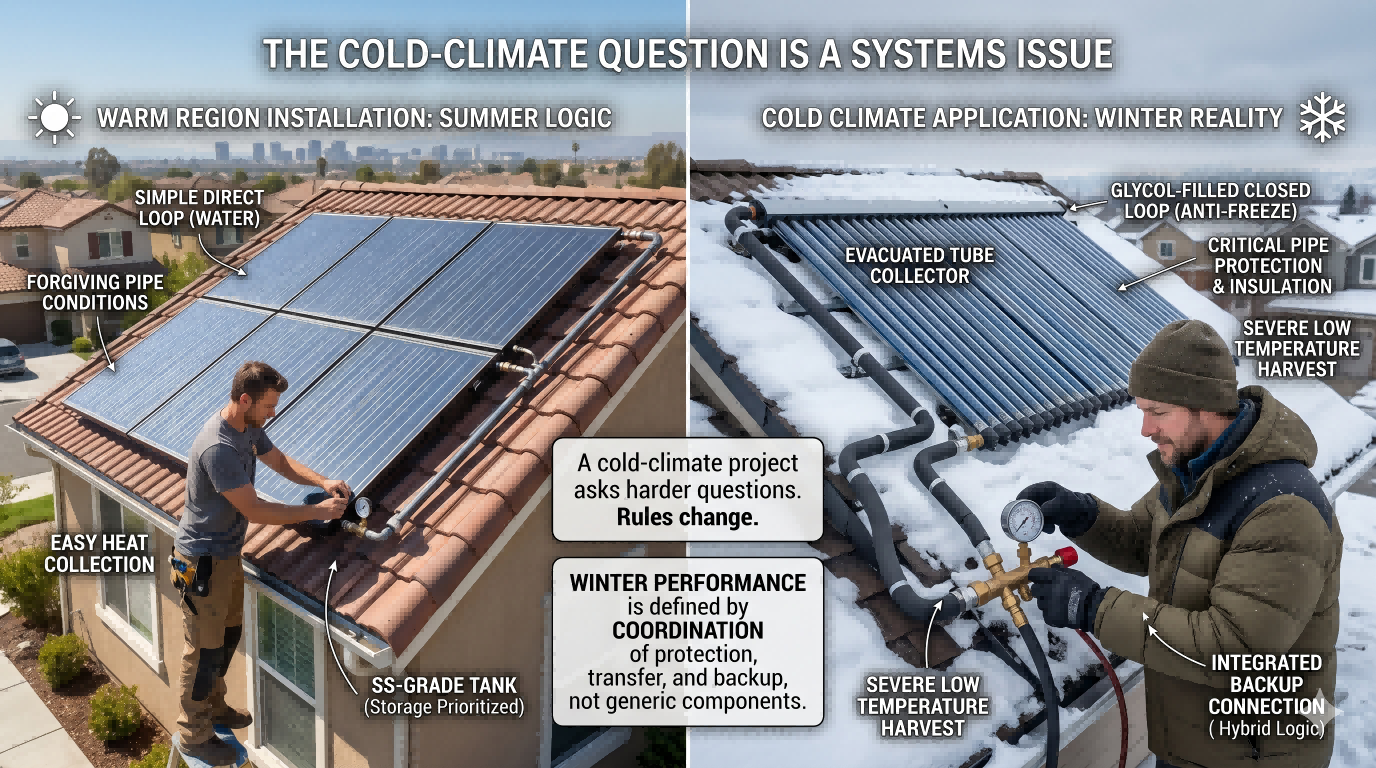
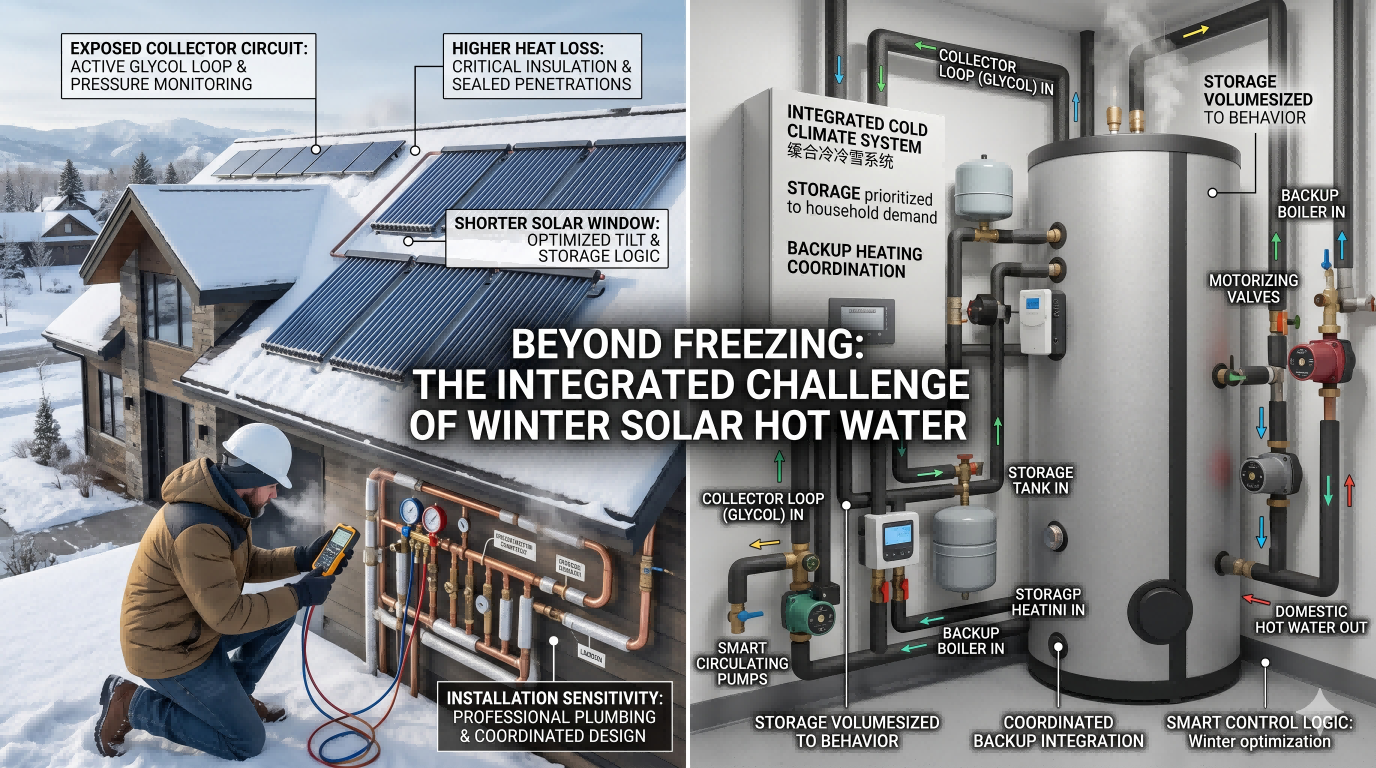
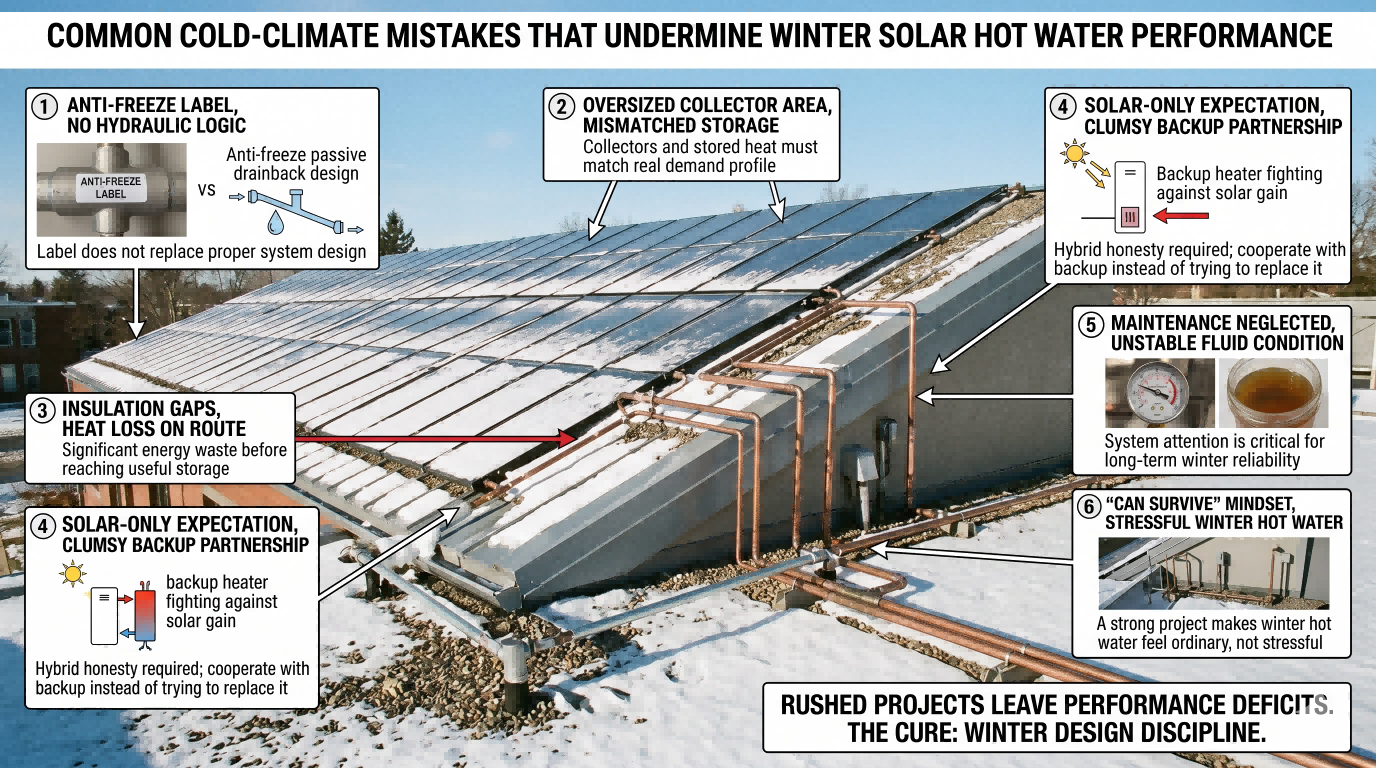
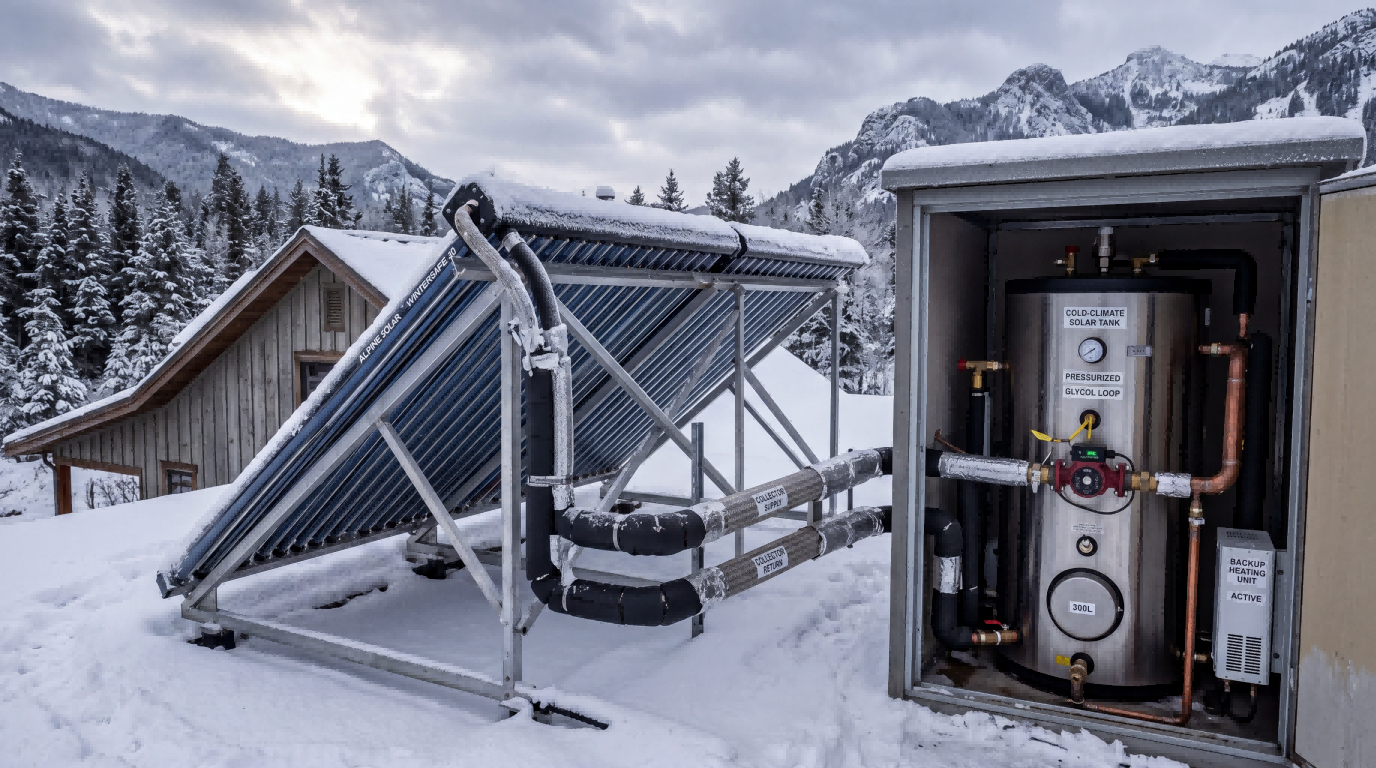
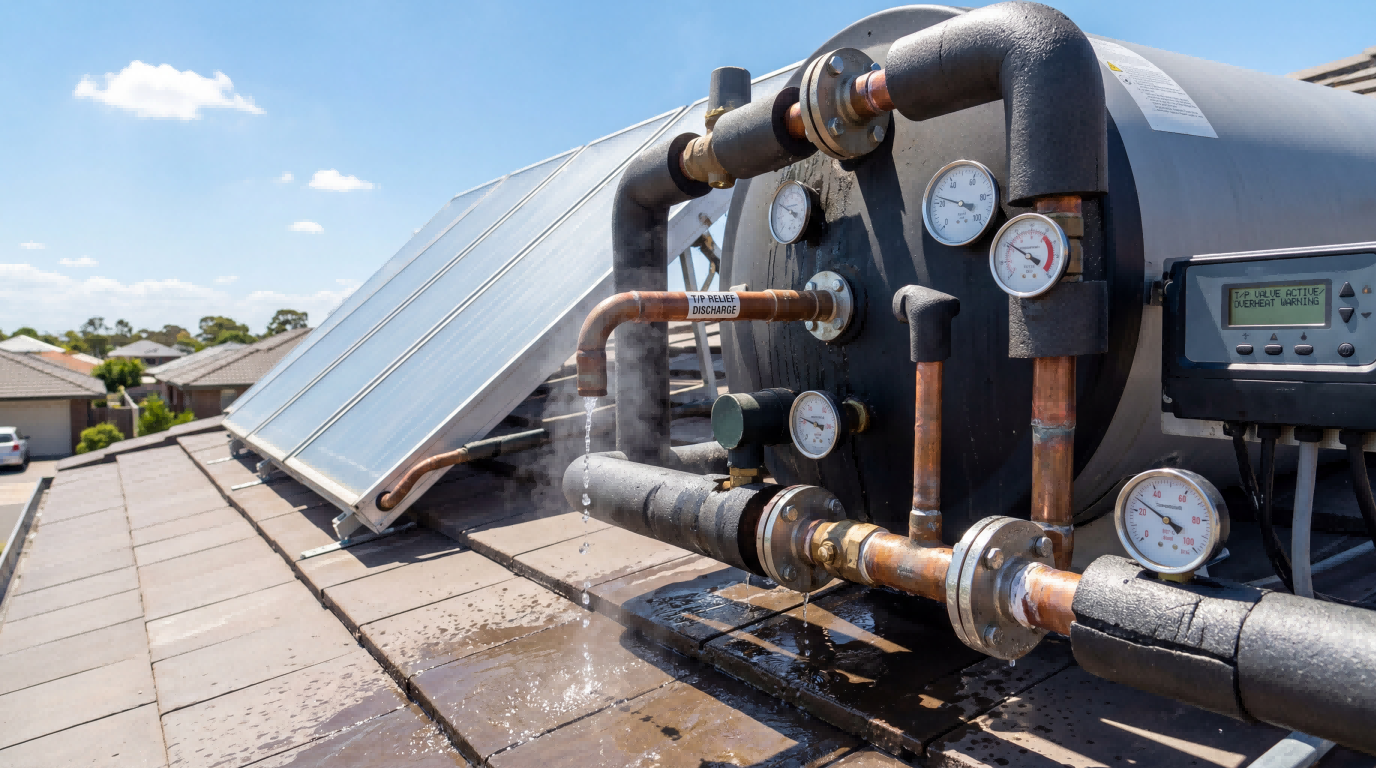
Can a Pressurized Solar Water Heater Work in Cold Climates Freeze Protection, Closed-Loop Design, and Winter Performance Explained
A pressurized solar water heater can work extremely well in cold regions, but only when the system is designed for winter reality rather than summer optimism. This article explains how freeze protection solar water heater strategies, closed loop solar water heater design, storage logic, and backup integration determine real solar hot water performance in winter.
What Is a Pressurized Solar Water Heater and Who Actually Needs One?
A pressurized solar water heater is not just a premium version of a standard solar hot water system. It is designed for homes that require stable water pressure, better outlet performance, and compatibility with modern plumbing conditions such as booster pumps, high-rise installations, and multiple bathrooms.
Building & Home Improvement
April 23rd, 2026
The Next Tent Will Not Be Defined by One Material How Sustainability, Repairability, and Adaptive Design Are Reshaping the Future of Shelter
The future of shelter will not be decided by a single fabric or one breakthrough spec. It will be shaped by how brands combine sustainable tent fabric, repairable tent design, PFAS-free tent chemistry, recycled tent fabric systems, modular tent system logic, and adaptive shelter design into products that deliver stronger long-term value, clearer purpose, and more human-centered outdoor living.
A Tent Does Not Fail Overnight How UV, Moisture, Storage, and Repair Define Real Tent Lifespan
Most people think a tent fails in one dramatic moment, but real shelter decline usually happens slowly through sunlight, moisture, abrasion, poor storage, and neglected repair. This article explains why tent lifespan is not just a factory specification, but the result of material aging, ownership behavior, product matching, and maintenance discipline over time.
When a Tent Starts Acting Like a Building: How Commercial Tent Systems Redefine Space, Speed, and Functional Architecture
The modern tent industry is no longer defined only by outdoor recreation. In commercial, industrial, event, warehousing, and semi-permanent space planning, tents are increasingly being used as fast, flexible, and highly engineered building systems. This article explains how commercial tent architecture, PVC membrane performance, clear span structures, and modular deployment logic are reshaping the way organizations create functional space.
Why Shower Drains Fail The Critical Waterproofing Connection Hidden Beneath the Finished Floor
Most shower drain failures do not begin at the decorative grate. They begin where the waterproofing layer terminates, changes material or connects to the drain body. This guide explains traditional liners, bonded flanges, sheet and liquid membranes, common leak paths, inspection hold points, repair decisions and the information project buyers should demand before the drain disappears beneath tile.
Chemicals & Water Treatment
April 24th, 2026
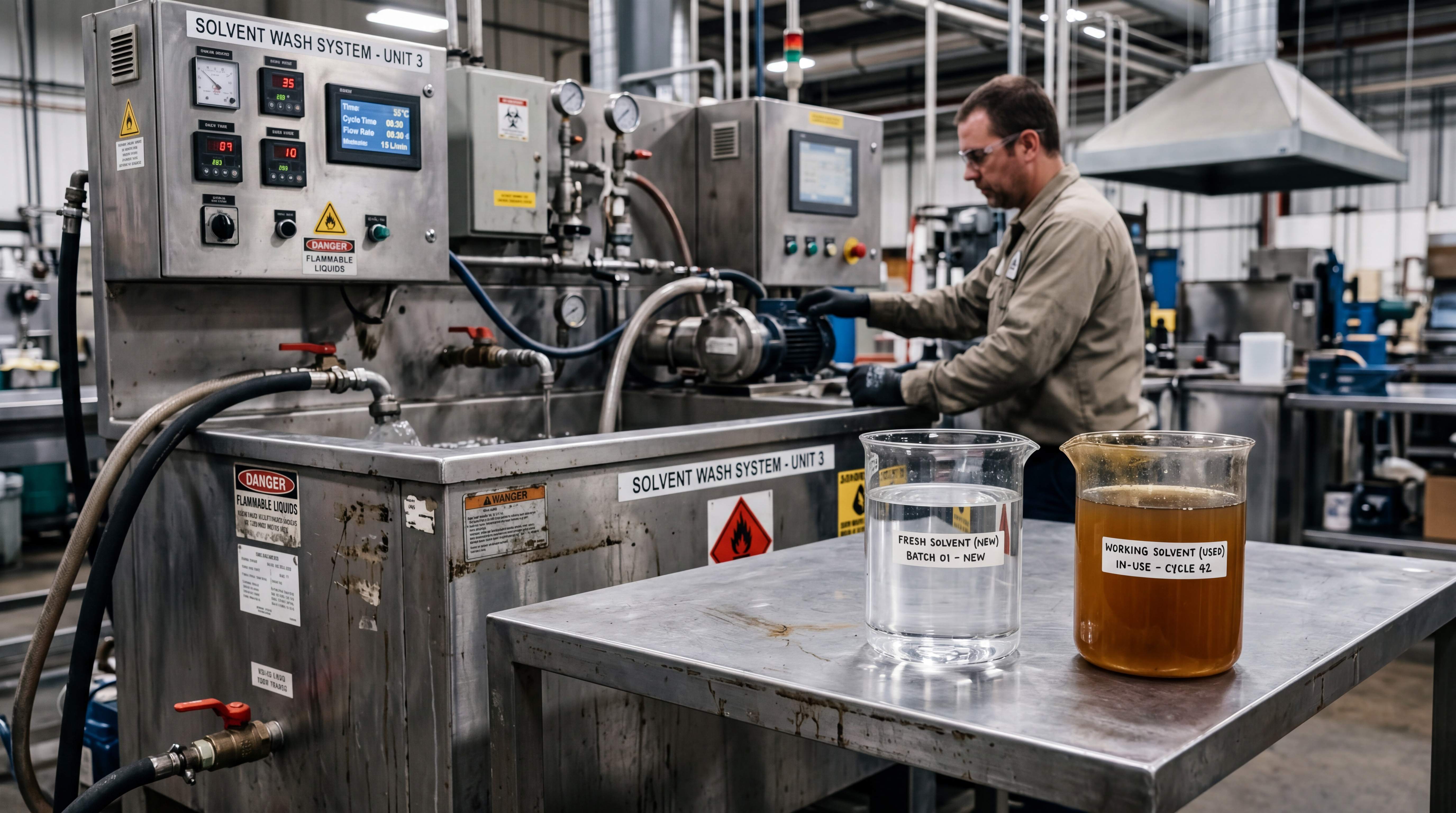
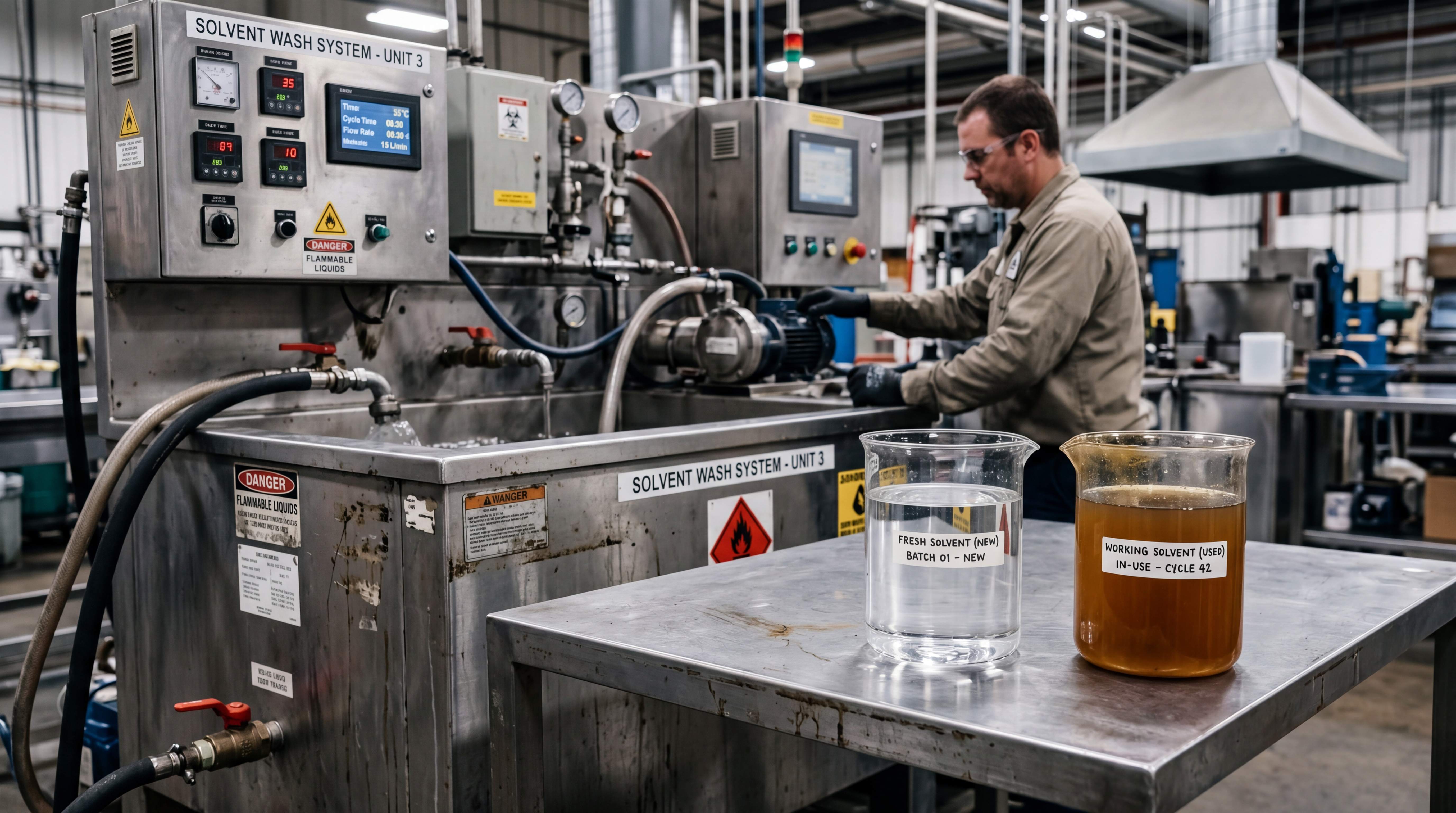
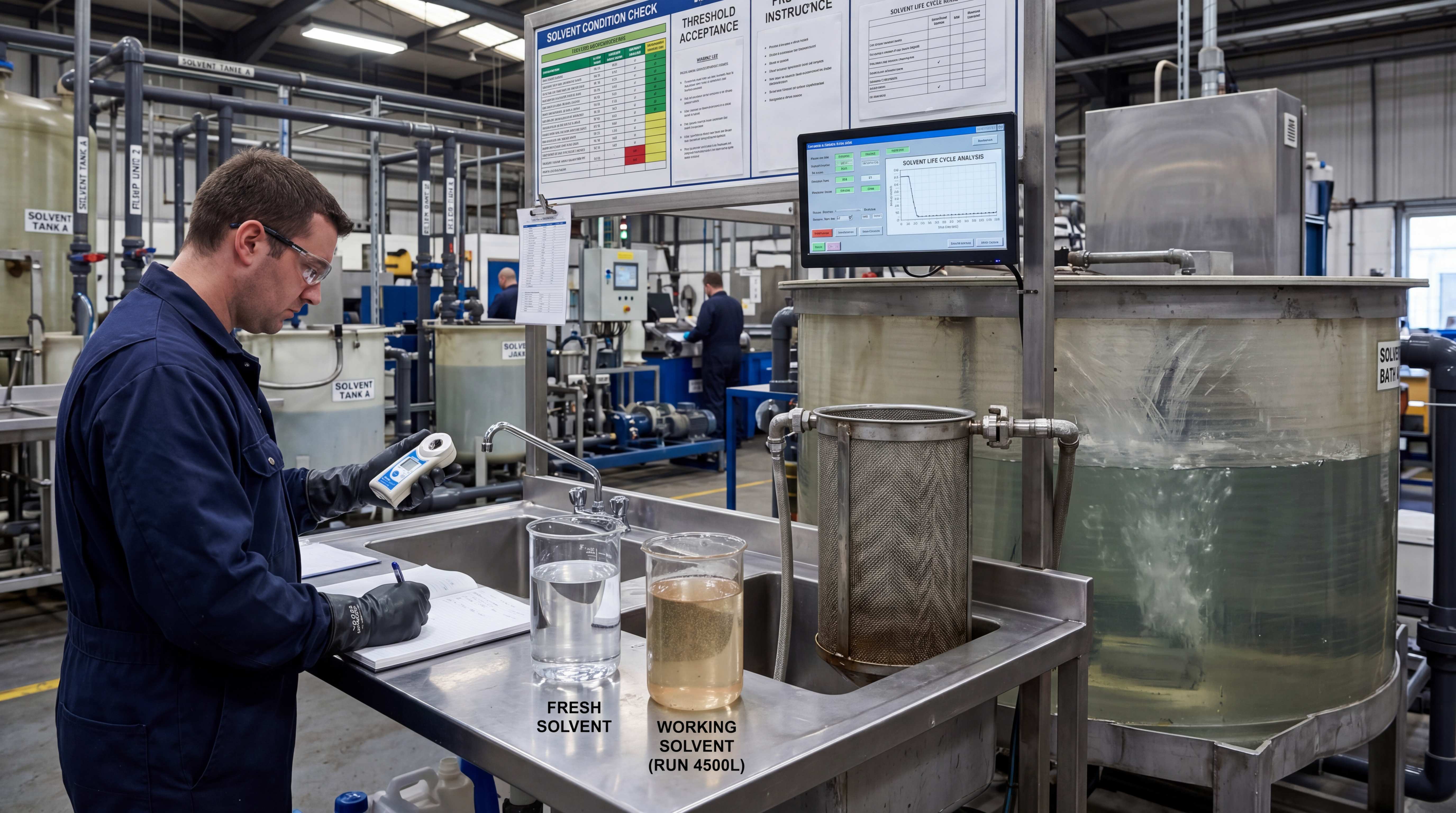
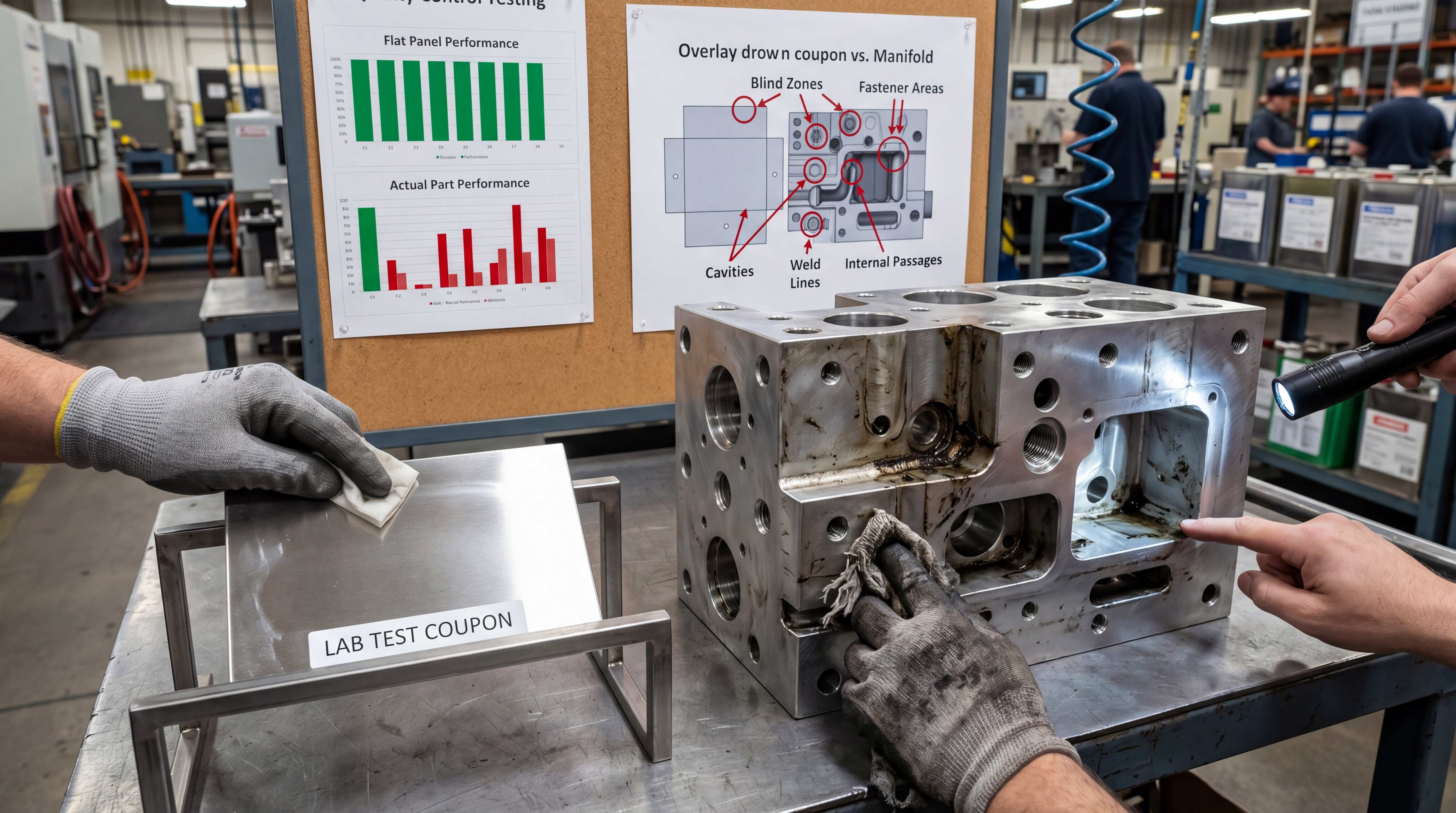
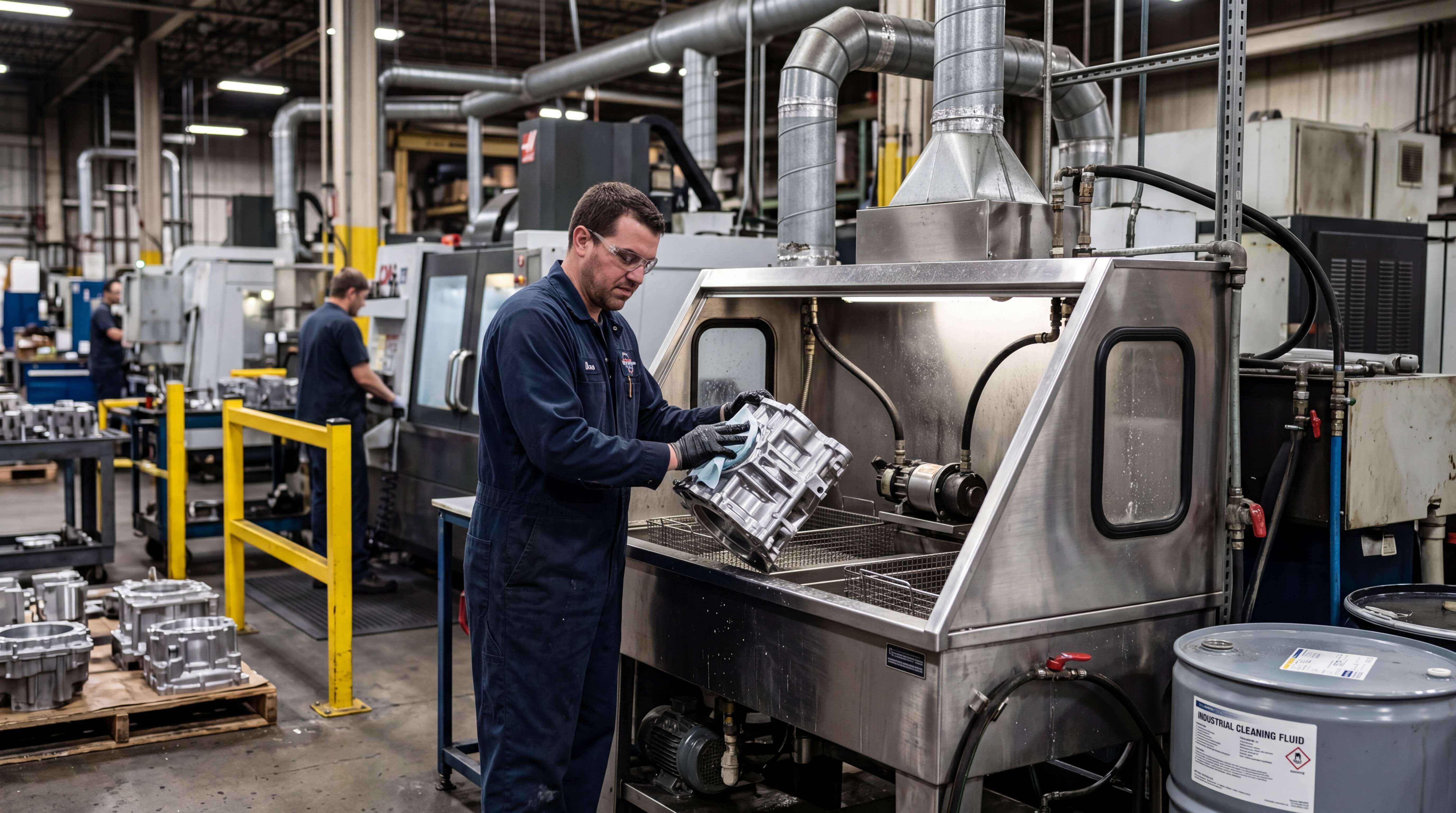
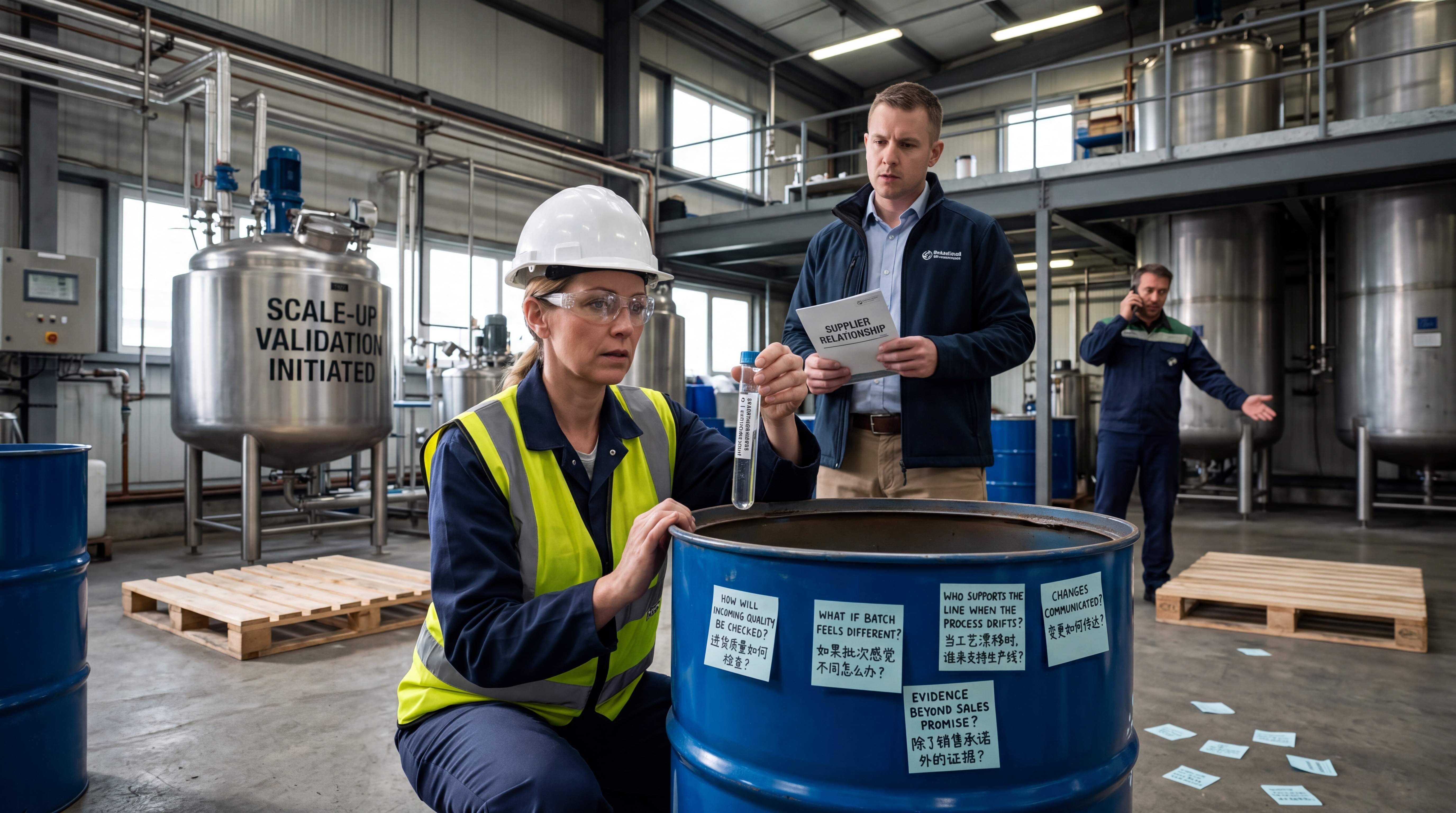
Why Hydrocarbon Solvent Trials Succeed in the Lab but Fail on the Production Floor
A successful solvent trial does not always mean a successful production process. This article explains where hydrocarbon solvent validation often breaks down during scale-up.
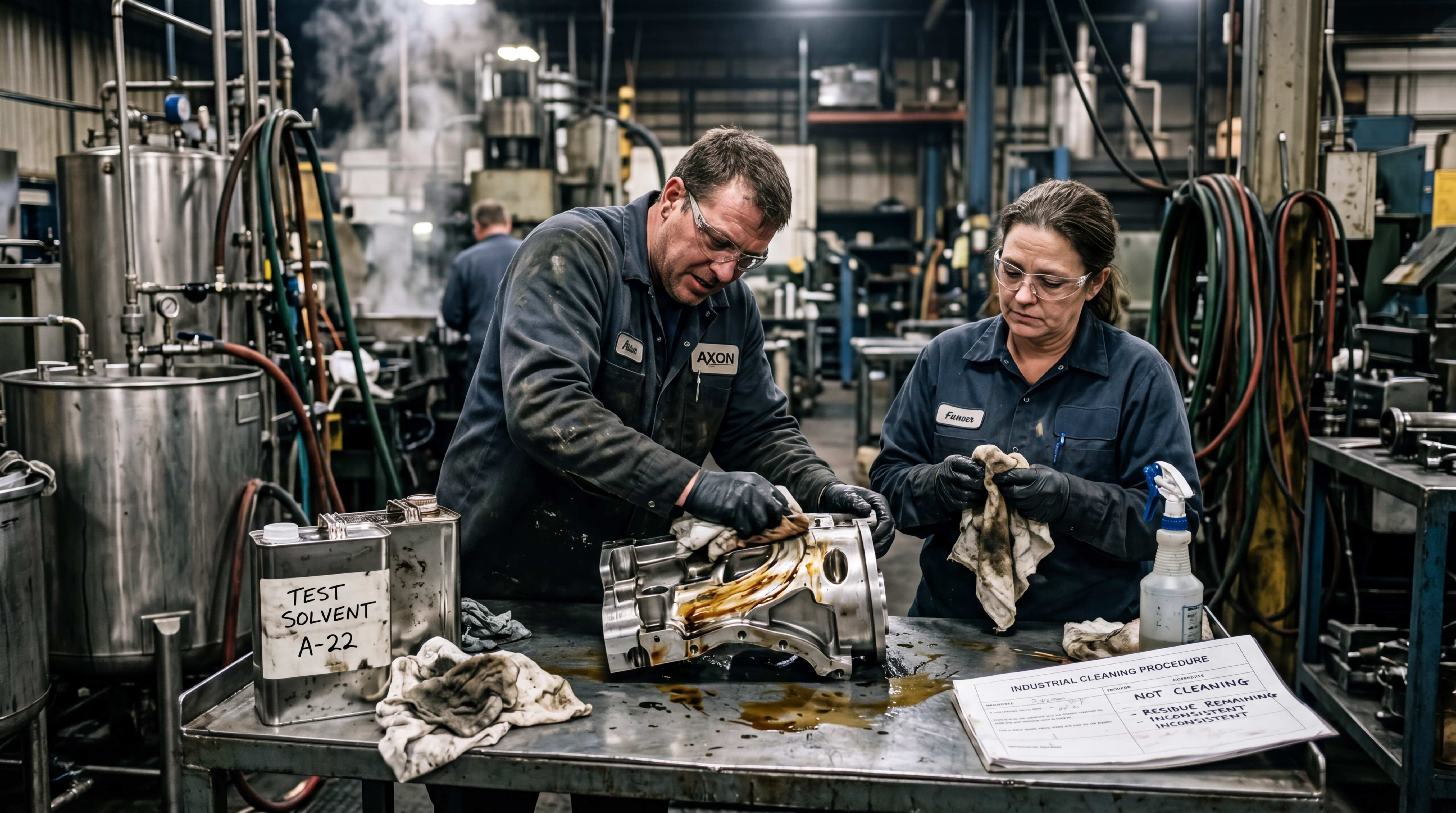
Aliphatic vs Aromatic Solvents: How to Choose the Right One for Industrial Use
Compare aliphatic solvents and aromatic solvents in real industrial applications. Learn how hydrocarbon solvents differ in solvency power, evaporation rate, flash point, odor, compatibility and process value for better solvent selection.
Stop Selling Hydrocarbon Solvents by Chemistry Name Alone Build the Portfolio Around Real Industrial Use
A stronger hydrocarbon solvent portfolio is built around application logic, not chemistry names alone. This article explains why that shift improves customer understanding and buying confidence.
Boiler Deposits Remember What Water Samples Forget: A Forensic Guide to Tube Risk
A normal boiler-water report only describes the present sample; deposits preserve the history of hardness leakage, corrosion products, contamination, heat flux and chemistry upsets. This forensic guide shows how to map deposit location, analyze tube samples, interpret under-deposit risk and decide whether to correct operation, clean chemically or replace damaged tubing.