Aluminum, Plastic, Silicone, or Carbon Fiber: How to Choose Intake Pipe Materials
Why Intake Pipe Material Matters
Choosing the right intake pipe material is not only a styling decision. It affects heat behavior, airflow path stability, vibration resistance, installation quality, production cost, long-term durability and how the product is positioned in the aftermarket. A polished aluminum intake pipe, a molded plastic intake tube, a reinforced silicone intake hose and a carbon fiber intake tube may all perform the same basic job, but they are not designed for the same buyer, engine bay or business model.
In many online discussions, intake pipe material is simplified into quick opinions. Aluminum looks premium. Plastic is factory. Silicone is flexible. Carbon fiber is expensive. These descriptions are not wrong, but they are too shallow. The real question is not which material is universally best. The better question is which intake pipe material fits the application, manufacturing process, performance target and customer expectation.
An air intake system is exposed to several competing demands. It must carry clean air to the engine with minimal restriction. It must fit inside a crowded engine bay. It may need to support sensors, brackets and couplers. It may sit near hot components. It may need to handle engine movement and vibration. In turbocharged applications, parts of the intake and charge path may also face pressure, temperature and boost-related stress.
This is why material choice should be treated as part of system design. A material that is excellent for one use case may be weak in another. A plastic intake tube can be very practical for factory applications. An aluminum intake pipe can be ideal for performance intake tubing and custom fabrication. A silicone intake hose can solve movement and fitment issues. A carbon fiber intake can support premium branding and lightweight design.
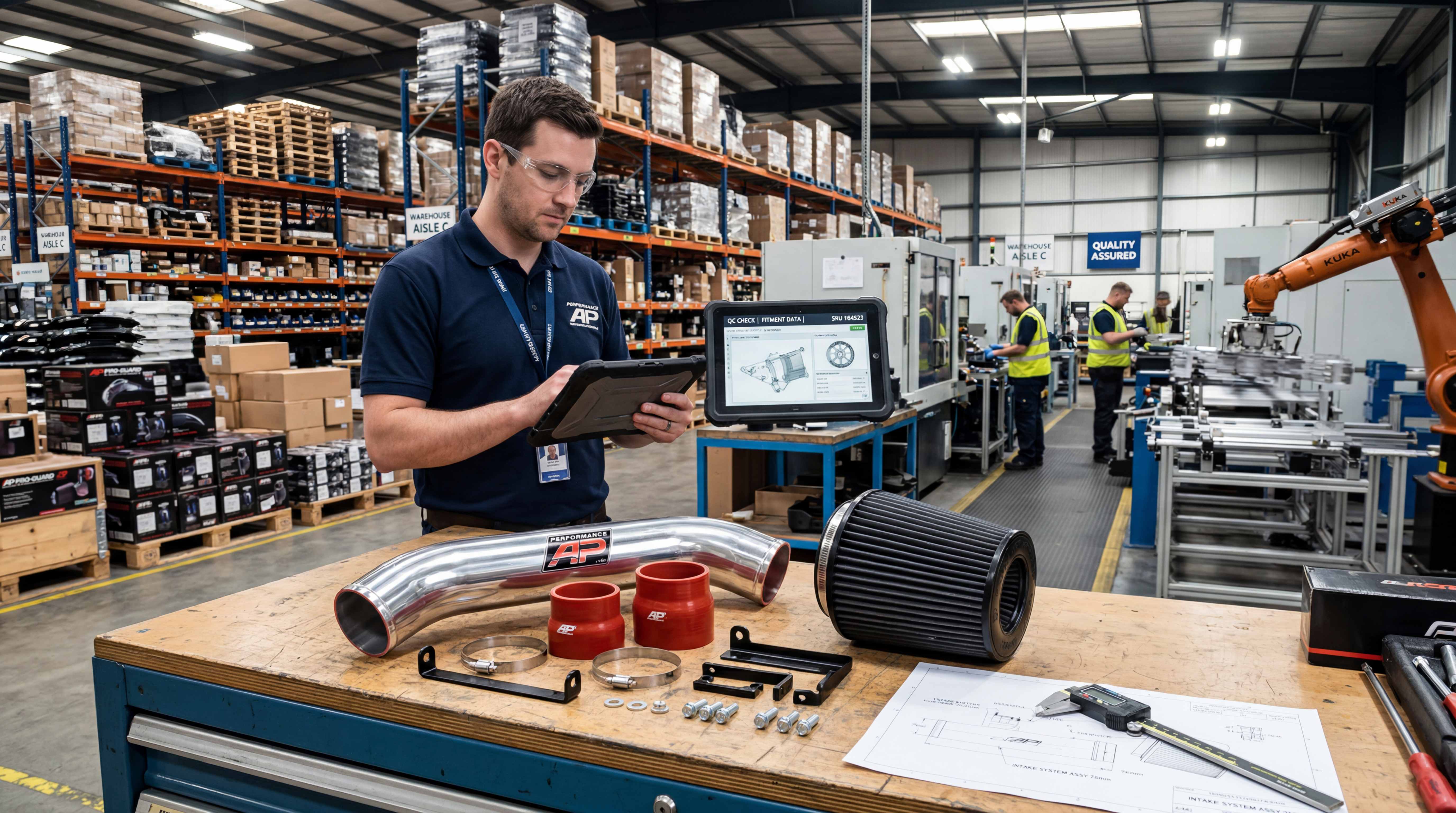
For B2B buyers and suppliers in the Metal Pipes & Bending category, material selection also influences production capability. The supplier must think about tooling, bending, molding, welding, curing, surface finish, quality control and packaging. Material choice is not only a technical decision. It is also a commercial decision.

The Intake Pipe Is a Functional Component, Not Just a Visible Tube
Many aftermarket buyers first notice the intake pipe because it is visible when the hood is opened. A shiny metal intake tube or carbon fiber airbox can immediately make the engine bay look more performance-oriented. But the visible appearance is only one part of the product value.
The intake pipe controls how air moves between the filter, airbox, sensor, throttle body or turbo inlet. Its shape affects airflow stability. Its diameter affects flow capacity and velocity. Its surface and transitions affect turbulence. Its material affects heat transfer, weight, strength and manufacturing method. Its connection points affect installation reliability.
For this reason, a good intake pipe material must support the whole system. If the material looks good but cannot be formed accurately, fitment may suffer. If it resists heat well but is too expensive for the target market, it may not be commercially practical. If it is flexible but collapses under vacuum or pressure, it may not be safe for the application. If it is lightweight but difficult to mount sensors consistently, it may create drivability issues.
In factory vehicles, intake material is often selected for cost, durability, noise control and production efficiency. In aftermarket performance products, material may be selected for appearance, airflow, brand positioning and customization. In professional motorsport or premium tuning, weight reduction and heat behavior may become more important. In B2B supply, repeatability, packaging, surface finish and MOQ may be equally important.
This means intake pipe material should always be evaluated from multiple angles, not only one.
Aluminum Intake Pipe: The Performance Fabrication Standard

Aluminum intake pipe is one of the most common materials in performance and aftermarket intake systems. It is lightweight, formable, weldable and visually attractive. For many brands, a polished or powder-coated aluminum intake pipe is the standard image of a performance intake product.
One of aluminum’s biggest advantages is fabrication flexibility. Aluminum tubing can be cut, bent, welded and finished in many ways. This makes it suitable for custom intake pipe fabrication, mandrel bent intake pipes, turbo inlet pipe sections and universal intake pipe kits. It can be used in both vehicle-specific intake kits and broader performance intake tubing products.
Aluminum also supports strong visual branding. A polished aluminum intake pipe gives a clean performance appearance. A brushed finish can look technical and understated. An anodized or powder-coated finish can match brand colors or vehicle styling. For aftermarket brands, appearance matters because customers often compare products visually before reading technical details.
From a functional perspective, aluminum can provide good structural stability. It holds shape well and can support welded sensor bungs, brackets and adapters. This is important for MAF sensor intake sections, throttle body connections and turbo inlet pipe material applications where dimensional accuracy matters.
However, aluminum is not perfect. Its major concern is heat transfer. Aluminum conducts heat more readily than plastic or some composite materials. If the pipe is placed close to exhaust manifolds, turbochargers or other hot engine-bay components, it may absorb heat. This does not automatically make aluminum a bad intake pipe material, but it means routing and heat management are important.
A well-designed aluminum intake pipe should use proper air source location, heat shielding and engine-bay clearance. The material itself does not determine the outcome. The system design does.
When Aluminum Is a Strong Choice
Aluminum is a strong choice when the product needs a balance of performance appearance, manufacturability, strength and customization. It works especially well for performance intake tubing, custom intake pipe kits, turbo inlet pipes, intercooler piping and charge pipe-related systems.
It is also suitable when B2B buyers need multiple finish options. A supplier can produce raw aluminum, polished aluminum, black powder-coated aluminum or other surface treatments depending on brand needs. This flexibility makes aluminum attractive for private-label aftermarket programs.
Aluminum is less ideal when the intake pipe must be very close to major heat sources without shielding, or when the target market prioritizes OEM-style noise control and thermal insulation over appearance.
Plastic Intake Tube: The OEM Logic

A plastic intake tube is often associated with factory intake systems. Some aftermarket buyers assume plastic is cheap or low-performance, but that is not always fair. Plastic is widely used by vehicle manufacturers because it offers several practical advantages.
Plastic can be molded into complex shapes. This allows OEM engineers to integrate resonators, mounting tabs, sensor locations, flexible sections, airbox connectors and packaging-friendly curves into one part. A molded plastic intake tube can fit tight engine bays very efficiently. It can also be designed to reduce intake noise, which matters for mass-market vehicles.
Plastic also has favorable heat behavior compared with metal in many situations. It generally transfers less heat than aluminum, which can help reduce heat soak through the pipe wall. This does not mean a plastic intake tube always delivers colder air. Air source and engine-bay layout still matter. But plastic can be a practical material when thermal isolation is part of the design goal.
Another advantage is cost efficiency at scale. Once tooling is developed, plastic intake components can be produced consistently in high volume. This is why plastic makes sense for OEM production. The challenge is that tooling cost can be high, so plastic is less flexible for low-volume custom intake fabrication.
Plastic also has limitations. Over long service life, some plastics may become brittle due to heat cycling, oil vapor, vibration and aging. Plastic can crack, especially near clamps, mounting points or corrugated sections. It may also be less visually attractive to performance buyers compared with a polished metal intake tube or carbon fiber intake.
For the aftermarket, plastic is most suitable when the product aims to provide OEM-style fitment, thermal control and integrated design rather than aggressive visual performance.
When Plastic Is a Strong Choice
Plastic is a strong choice for high-volume production, OEM replacement parts, enclosed airbox systems and intake designs requiring complex molded shapes. It is also useful when sound control, heat insulation and integrated packaging are priorities.
Plastic is less ideal for low-volume custom fabrication because mold development can be expensive. It is also less attractive for buyers who want a visible performance appearance under the hood.
Silicone Intake Hose: Flexibility and Vibration Control

A silicone intake hose plays a different role from aluminum or plastic tubing. Silicone is often used where flexibility, movement absorption and connection reliability are needed. It may be used as a coupler between rigid pipes, as an elbow, as a reducer or as a full intake hose in certain applications.
Silicone is valuable because engines move. During acceleration, deceleration and vibration, the engine shifts slightly relative to the chassis and surrounding components. A fully rigid intake path may place stress on connected parts if there is no flexible section. A silicone coupler or silicone intake hose helps absorb this movement.
In turbocharged systems, reinforced silicone hoses are commonly used for intake and charge piping connections. Multi-layer silicone can handle higher temperatures and pressure when properly designed. A silicone coupler can connect aluminum pipes, turbo inlets, throttle bodies and intercooler piping sections while allowing slight misalignment and movement.
Silicone also offers good heat resistance compared with many standard rubbers. It can remain flexible across a wide temperature range, depending on grade and reinforcement. This makes it suitable for engine-bay environments where ordinary rubber may degrade faster.
However, silicone also has limitations. It is flexible, which is useful, but too much flexibility can be a problem if the hose is long and unsupported. Under vacuum, a weak or poorly reinforced hose may deform. Under boost pressure, poor reinforcement or weak clamping can lead to expansion or slipping. Silicone also requires proper clamps and bead-rolled pipe ends to maintain secure connections.
Another consideration is oil exposure. Some silicone hoses may not handle continuous oil contact well unless they are specifically lined or designed for that environment. In intake systems with oil vapor from crankcase ventilation, material compatibility should be reviewed.
When Silicone Is a Strong Choice
Silicone is a strong choice for couplers, reducers, elbows, vibration isolation, tight fitment areas and turbocharged intake connections. It works especially well when paired with aluminum intake pipe or metal intake tubing.
Silicone is less ideal as a long unsupported intake path if structural rigidity is required. It should be reinforced and properly clamped when used in turbo or high-temperature applications.
Carbon Fiber Intake: Premium Positioning and Lightweight Design

Carbon fiber intake products are usually positioned at the premium end of the market. They are used for high-end performance vehicles, motorsport-inspired builds and brands that want a lightweight, high-value appearance. A carbon fiber intake tube or airbox can immediately signal advanced performance and exclusivity.
Carbon fiber is lightweight and stiff. It can provide excellent visual appeal, especially with clear-coated weave patterns. It may also offer better heat isolation than metal in some designs, although actual thermal performance depends on resin, wall structure, thickness and engine-bay placement.
The main advantage of carbon fiber is not only technical. It is also emotional and commercial. Customers who buy carbon fiber intake products often care about engine-bay aesthetics, weight reduction, premium identity and brand prestige. In this market, product storytelling matters. The buyer is not only purchasing an air path; they are purchasing a performance image.
However, carbon fiber is more expensive to manufacture. It requires different tooling, layup processes, curing control and finishing. Quality consistency can be challenging if the supplier lacks experience. Poor carbon fiber products may have surface defects, inconsistent weave, weak resin quality or poor fitment.
Carbon fiber also requires careful design around mounting points, sensor bosses and connections. Unlike metal, it cannot be welded. Fittings and inserts must be integrated through bonding, molding or mechanical design. This increases engineering complexity.
For B2B buyers, carbon fiber intake products should be sourced from suppliers with proven composite manufacturing capability. A visually attractive sample is not enough. The supplier must control fitment, finish, structural strength and batch consistency.
When Carbon Fiber Is a Strong Choice
Carbon fiber is a strong choice for premium intake systems, high-end tuning brands, sports cars, lightweight builds and products where visual identity is part of the value proposition.
It is less ideal for low-cost markets, rugged replacement applications or projects that require frequent design changes with limited tooling budget.
Metal Intake Tube vs Plastic Intake Tube: A Practical Comparison

The debate between metal intake tube and plastic intake tube is common. Some users prefer metal because it looks stronger and more performance-oriented. Others prefer plastic because it may transfer less heat and reflect OEM engineering logic. The correct choice depends on what the product is trying to achieve.
A metal intake tube, especially aluminum, is easier to fabricate in low and medium volumes. It can be cut, bent and welded without expensive injection molds. This makes it ideal for aftermarket development, custom intake pipe projects and private-label performance kits. Metal also supports premium finishes and visible performance styling.
A plastic intake tube is better suited for molded complexity, thermal insulation and OEM-style integration. It can include shapes and features that would be difficult or expensive to make from metal. However, tooling cost is higher, so plastic makes the most sense at scale.
Heat behavior is often discussed, but it should not be oversimplified. Metal conducts heat more easily, but if the pipe is routed in moving cool air and away from heat sources, it can perform well. Plastic transfers less heat, but if the intake draws hot air, the material advantage may be limited. Air source and shielding are often more important than material alone.
Durability is also application-specific. Aluminum can last a long time if properly mounted and protected. Plastic can also last many years in OEM systems, but aging and heat cycling may eventually cause brittleness. Silicone remains flexible but must be selected and reinforced correctly.
The better comparison is not “metal vs plastic” in general. It is “which material best supports the intended system, price point and production model?”
Material Choice in Naturally Aspirated Intake Systems
Naturally aspirated engines usually place less pressure-related stress on intake pipes than turbocharged engines. The intake system operates mainly under atmospheric pressure and vacuum. This means material selection can focus more on airflow, heat, fitment, sound and appearance.
For naturally aspirated performance builds, aluminum intake pipe is common because it offers good fabrication flexibility and visual appeal. A smooth aluminum tube with proper diameter and a high-flow filter can reduce restrictions in some applications. However, heat shielding and filter location still matter.
Plastic intake tubes can also work very well for naturally aspirated engines. Many factory systems use plastic because it provides good packaging, noise control and thermal behavior. If the vehicle is daily driven and stock, a well-designed plastic airbox and intake tube may be more practical than an exposed metal intake.
Silicone intake hose sections are useful when the intake path requires flexibility. They may be used near the throttle body or between rigid sections. Full silicone intake hoses may also be used in some replacement applications.
Carbon fiber is usually selected for premium naturally aspirated systems where the buyer values appearance, weight and brand image. It may not always provide large performance differences compared with other materials, but it can raise product value in high-end markets.
For naturally aspirated engines, material should support smooth airflow and stable sensor readings. Since gains may be modest on stock vehicles, product credibility depends on honest positioning.
Material Choice in Turbocharged Intake Systems
Turbocharged engines create a more demanding environment. Before the turbo, the intake pipe feeds the compressor. After the turbo, charge pipes and intercooler piping handle pressurized air. Although these are different sections, the material logic is connected.
A turbo inlet pipe material must support airflow demand, heat exposure, vibration and secure connection to the compressor. Aluminum is often used because it can be formed into smooth shapes and mounted securely. Silicone is also common for turbo inlet hoses because it handles movement and can fit tight spaces. Plastic may be used in factory systems, but it can become a failure point if it cracks or deforms over time.
In the pressurized charge side, reinforced silicone couplers and aluminum pipes are common. Aluminum provides rigid flow paths, while silicone couplers absorb movement and allow serviceable connections. Bead-rolled pipe ends and strong clamps become important because boost pressure can push hoses off weak connections.
Carbon fiber can be used in premium turbo intake systems, but it must be engineered carefully. Turbo engine bays often have high heat, so resin quality, shielding and mounting must be considered. A carbon fiber intake near a turbocharger must be more than visually attractive; it must survive the environment.
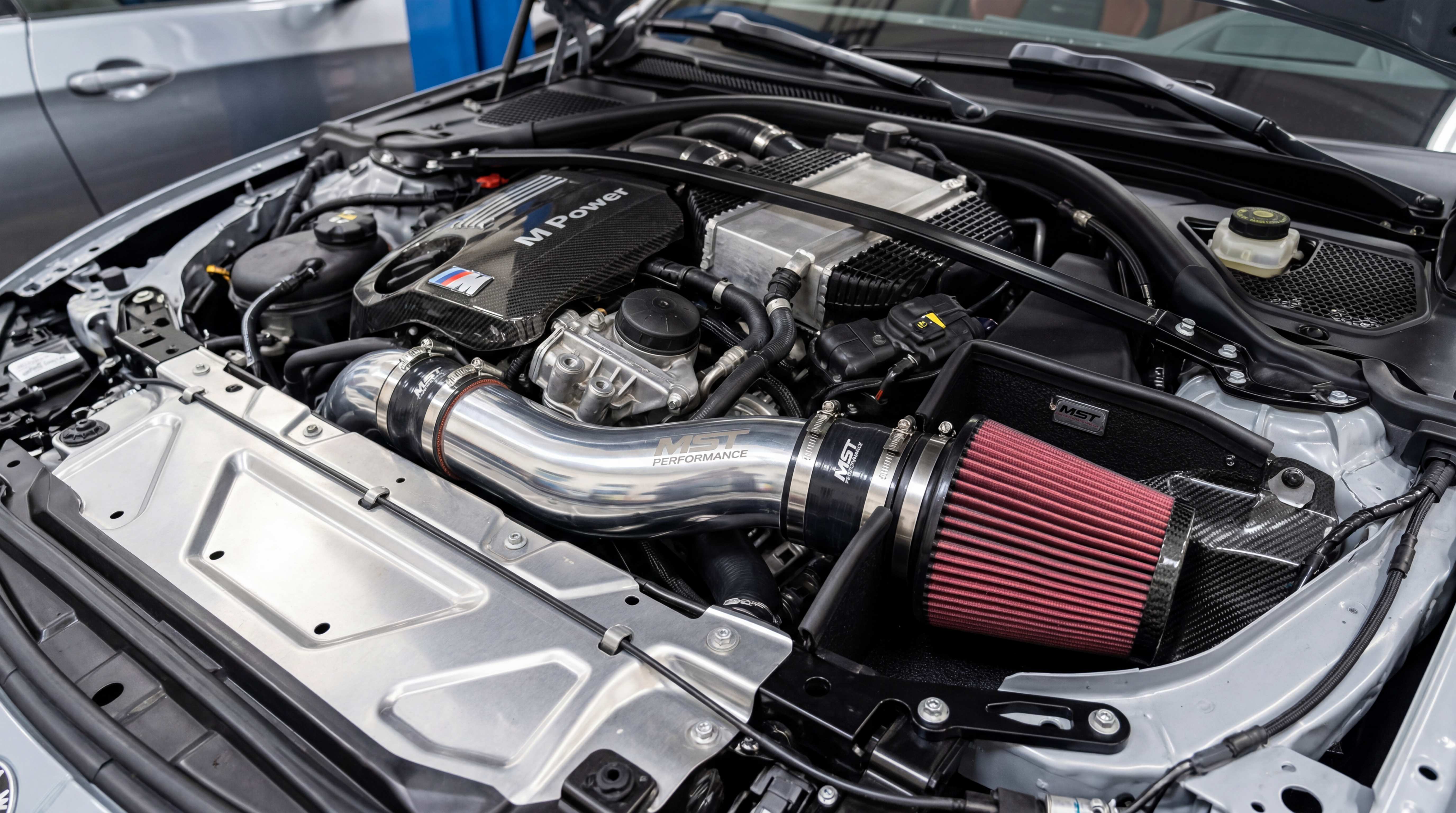
For turbocharged applications, the material decision is not isolated. The system must consider pressure, temperature, sealing, couplers, clamps, bead rolling and service access. The best turbo intake material strategy often uses a combination: aluminum for rigid pipes, silicone for flexible joints, heat shields for protection and high-quality filters for airflow.
Heat Management Is More Than Material
Many buyers ask which intake pipe material stays coolest. This is a useful question, but it can lead to the wrong conclusion if system layout is ignored. Heat management is not only about material conductivity. It is also about air source, filter position, heat shielding, engine-bay airflow, pipe routing and vehicle speed.
An aluminum intake pipe may absorb heat when the vehicle is stopped, especially if it sits near a hot engine or exhaust component. But once the vehicle moves, airflow may cool the pipe. A plastic intake tube may transfer less heat through the wall, but if its inlet is located in a hot zone, the air entering the system may still be warm. A carbon fiber intake may reduce heat transfer, but it still needs a cool air source. A silicone hose may resist heat damage, but it does not automatically lower intake air temperature.
The most important design question is where the air comes from. A sealed airbox drawing from the front grille or fender area may deliver cooler air than an open filter sitting in the engine bay, regardless of pipe material. A heat shield can improve separation from hot components, but it must be designed with proper coverage and sealing.
Pipe routing also matters. Keeping the intake tube away from exhaust manifolds, turbo housings and radiator heat can improve temperature stability. In tight engine bays, this may be difficult, which is why material choice and shielding must work together.
The practical conclusion is that material selection should be part of heat management, not the whole answer.
Durability, Aging and Failure Modes
Each intake pipe material has its own long-term risks. Understanding these failure modes helps both buyers and suppliers make better decisions.
Aluminum is generally durable, but it can suffer from poor welds, vibration cracks, surface corrosion in harsh environments or bracket-related stress if poorly mounted. Thin-wall aluminum may deform if clamps are over-tightened. Polished finishes can scratch during shipping or installation.
Plastic can become brittle over time due to heat cycling, oil vapor and age. Corrugated sections may crack. Mounting tabs may break. Clamp areas may deform or split. However, high-quality OEM plastic parts can last many years when designed properly.
Silicone can remain flexible and heat-resistant, but poor-grade silicone may soften, swell or deteriorate. If the hose is not reinforced correctly, it may collapse under vacuum or expand under pressure. Poor clamp selection can cut or damage silicone. Oil exposure can also be an issue if the material is not formulated for it.
Carbon fiber can be strong and lightweight, but it depends heavily on resin quality, layup process and finishing. Poorly made carbon fiber may delaminate, crack near mounting points or show surface defects. Bonded inserts and sensor mounts must be carefully engineered.
For B2B sourcing, understanding failure modes is essential. A product that looks good at first may fail after repeated heat cycles or installation stress. A responsible supplier should test material performance under realistic conditions.
Manufacturing Cost and Production Strategy
Material choice has a direct impact on production strategy. Aluminum intake pipes are attractive for aftermarket suppliers because they can be produced in small or medium batches without very expensive tooling. Bending, welding and finishing processes are flexible. This makes aluminum suitable for vehicle-specific kits, universal tubing and custom intake fabrication.
Plastic intake tubes require tooling, usually injection molding or blow molding depending on design. Tooling cost can be high, but unit cost can be low at volume. This makes plastic suitable for OEM and large-scale replacement markets, but less suitable for frequent design changes or low-volume niche performance applications.
Silicone hoses require molds as well, but they can be produced in various shapes and colors. Reinforcement layers, wall thickness and lining material affect cost. Silicone is often sold as couplers, elbows, reducers and hose kits rather than as the only intake path.
Carbon fiber is generally the most expensive. It requires specialized composite tooling, layup labor or automated processes, curing, trimming and finishing. It is best suited for high-margin markets where buyers accept premium pricing.
For B2B buyers, the best material is not always the cheapest. It is the material that fits the target market’s price level, quality expectations and sales volume. A distributor serving budget replacement parts may choose plastic or rubber-style components. A performance brand may choose aluminum and silicone. A premium tuning brand may choose carbon fiber.
Surface Finish and Brand Perception
Surface finish influences how buyers perceive quality. This is especially true for aftermarket intake systems because the product is visible in the engine bay.
Aluminum intake pipe can be polished, brushed, anodized or powder-coated. A polished finish suggests performance and shine. A black powder-coated finish may look more OEM-like and hide dirt. An anodized finish can support brand color. However, finish quality must be consistent. Scratches, uneven polishing or poor coating reduce perceived value.
Plastic intake tubes usually have a textured or molded finish. They may not look as premium, but they can appear clean and factory-like. For replacement parts, this can be an advantage. Buyers may trust parts that look close to OEM.
Silicone intake hoses and silicone couplers are often available in colors such as black, blue, red or custom branding colors. This makes them useful for visual customization. However, color consistency, surface smoothness and printed logos must be controlled.
Carbon fiber intake products depend heavily on visual quality. Weave alignment, clear coat depth, surface smoothness and edge finishing all influence buyer perception. A premium carbon fiber intake with poor finishing can damage brand trust quickly.
In short, material affects not only performance but also how the product is sold. Intake pipe material is part of brand language.
B2B Buyer Checklist for Intake Pipe Materials
B2B buyers should evaluate intake pipe material based on both technical and commercial factors.
For aluminum intake pipe products, buyers should check alloy grade, wall thickness, bend quality, weld consistency, surface finish, sensor boss accuracy, bracket strength and packaging protection. They should also confirm whether bead-rolled ends and multiple finish options are available.
For plastic intake tube products, buyers should ask about material grade, heat resistance, aging resistance, tooling quality, dimensional tolerance, sensor integration and expected production volume. Plastic parts should be tested for fitment and long-term durability.
For silicone intake hose and silicone coupler products, buyers should confirm reinforcement layers, temperature range, pressure rating, oil resistance, wall thickness, color consistency and clamp compatibility. For turbocharged systems, pressure and retention are especially important.
For carbon fiber intake products, buyers should check resin quality, weave consistency, bonding strength, mounting design, surface finishing, heat resistance and batch repeatability. Composite suppliers should be evaluated carefully because visual samples may not reveal structural quality.
Across all materials, buyers should also consider packaging, labeling, MOQ, lead time, private-label capability and after-sales support. Intake components are functional parts, but they are also retail-facing products. They must perform well and present well.
How to Choose the Right Material by Application
A daily driver replacement intake component may be best served by plastic or OEM-style rubber/silicone materials. The priorities are reliability, fitment, quiet operation and cost control. Appearance may be less important than durability and easy installation.
A street performance intake system often works well with aluminum intake pipe and silicone couplers. This combination offers strong visual appeal, flexible manufacturing and reliable installation when designed correctly. It is one of the most common strategies for aftermarket brands.
A turbocharged performance build may require a combination of aluminum pipes, reinforced silicone hoses, strong clamps and heat shielding. The material strategy must handle airflow, boost, vibration and heat. Turbo inlet pipe material should be chosen with compressor demand and engine-bay temperature in mind.
A premium sports car intake may use carbon fiber intake tubes or airboxes to support lightweight design and premium identity. However, the product must justify its cost through fitment, finish and engineering quality.
A custom fabrication project may choose aluminum because it is easy to cut, bend, weld and modify. Silicone couplers help connect custom sections and absorb movement. For workshops, this material combination offers flexibility.
The best approach is to choose material from the application backward, not from appearance forward.
Final Perspective: Material Choice Is Application Matching
There is no universal best intake pipe material. Aluminum, plastic, silicone and carbon fiber all have valid roles in the intake system market. Aluminum intake pipe is strong for performance fabrication and aftermarket branding. Plastic intake tube is practical for OEM-style integration and thermal control. Silicone intake hose and silicone couplers are valuable for flexibility, vibration resistance and turbo connections. Carbon fiber intake products serve premium, lightweight and high-visual-value markets.
The real mistake is choosing material based only on one factor. Heat transfer alone does not decide performance. Appearance alone does not decide quality. Cost alone does not decide market success. A professional intake product must balance airflow, temperature, durability, fitment, manufacturing process and customer expectation.
For drivers, understanding material differences helps avoid unrealistic assumptions. For fabricators, it supports better custom intake design. For B2B buyers, it provides a more complete way to evaluate suppliers. For manufacturers, it shows where product value is created: not only in the tube itself, but in the way material, process and application work together.
The best intake pipe material is the one that fits the engine, the environment, the production method and the market position. In Intake and Metal Pipes & Bending, material choice is not just a specification. It is a product strategy.
Focused FAQ
What is the best material for an intake pipe?
There is no single best intake pipe material for every application. Aluminum is strong for performance and fabrication. Plastic is practical for OEM-style systems. Silicone is useful for flexible connections. Carbon fiber is ideal for premium lightweight products. The best choice depends on heat, fitment, cost, durability and market positioning.
Is an aluminum intake pipe good?
Yes. An aluminum intake pipe is widely used in performance intake systems because it is lightweight, formable, weldable and visually attractive. It is especially useful for custom intake pipe fabrication, mandrel-bent tubing and aftermarket intake kits. Heat management should still be considered because aluminum conducts heat more than plastic.
Is a plastic intake tube worse than metal?
Not necessarily. A plastic intake tube can be very effective in OEM systems because it offers thermal insulation, molded complexity, noise control and cost efficiency at volume. Metal may look more premium and support custom fabrication better, but plastic is not automatically worse.
What is a silicone intake hose used for?
A silicone intake hose is used where flexibility, vibration resistance and fitment adjustment are needed. It is commonly used as a coupler, elbow, reducer or flexible section between rigid pipes, throttle bodies, turbo inlets and intercooler piping.
Is carbon fiber intake better than aluminum?
Carbon fiber intake products are lighter and more premium in appearance, and they may offer thermal advantages in some designs. However, they are more expensive and require specialized manufacturing. Aluminum is usually more practical for broad performance intake tubing and custom fabrication.
Does intake pipe material affect horsepower?
Intake pipe material alone does not guarantee horsepower. Performance depends more on airflow path, pipe diameter, bend quality, intake temperature, sensor stability and engine demand. Material supports the design, but it is not the only factor.
Which intake pipe material handles heat best?
Heat performance depends on both material and system layout. Plastic and carbon fiber may transfer less heat than aluminum, while silicone offers good heat resistance. However, filter location, airbox sealing, heat shielding and pipe routing often matter more than material alone.
What is the best turbo inlet pipe material?
Turbo inlet pipe material depends on the engine layout and power goal. Aluminum is common for rigid performance pipes, while reinforced silicone is useful for flexible turbo inlet hoses. Carbon fiber can be used in premium systems, but heat and mounting design must be carefully managed.
Why are silicone couplers important in intake systems?
A silicone coupler helps connect rigid intake pipes while absorbing vibration and slight movement. In turbocharged systems, reinforced silicone couplers also help maintain secure connections under pressure when paired with proper clamps and bead-rolled pipe ends.
What should B2B buyers check when sourcing intake pipe materials?
B2B buyers should check material grade, wall thickness, heat resistance, bend quality, sensor compatibility, surface finish, reinforcement layers, clamp compatibility, packaging, batch consistency and supplier manufacturing capability. Material selection should match the target application and sales channel.
#IntakePipeMaterial #AluminumIntakePipe #PlasticIntakeTube #SiliconeIntakeHose #CarbonFiberIntake #MetalIntakeTube #TurboInletPipeMaterial #SiliconeCoupler #PerformanceIntakeTubing #AutomotiveComponents #MetalPipesAndBending #IntakeFabrication