Intake Heat Management: Airbox, Heat Shield, and Engine Bay Temperature Explained
Cold Air Intake Performance Starts With Heat Control
A cold air intake is often discussed as an airflow upgrade, but airflow is only half of the story. The other half is heat. A larger filter, smoother intake pipe or polished aluminum tube can look impressive, but if the system pulls hot air from the engine bay, the performance advantage may be reduced. This is why intake heat management is one of the most important parts of cold air intake design.
The word “cold” in cold air intake creates a clear expectation. Buyers expect the engine to receive cooler, denser air. In theory, cooler air contains more oxygen per unit volume, which can support better combustion when the engine control system can use it. But the intake system does not operate in a laboratory. It sits inside a hot, crowded engine bay surrounded by the radiator, engine block, exhaust manifold, turbocharger, cooling hoses and electrical components.
This means the real question is not whether the intake has a cone filter or a shiny pipe. The better question is whether the intake system can consistently manage intake air temperature under real driving conditions. A cold air intake heat shield, enclosed airbox, proper ducting and smart pipe routing may matter as much as the filter itself.
For the Intake category under Metal Pipes & Bending, this topic has strong industry value. Intake pipe design is not only about diameter and bends. It is also about where the pipe travels, how close it is to heat sources, how the airbox separates hot and cool zones, and whether the system can maintain stable airflow temperature over time.
Why Intake Air Temperature Matters

Intake air temperature affects air density. Cooler air is denser, and denser air can carry more oxygen. When the engine receives denser air, the engine control system may be able to add more fuel and create stronger combustion. This is the basic reason why intake air temperature matters in performance discussions.
However, the effect is not always simple. A small change in temperature may not create a noticeable difference in daily driving. The engine’s ECU, sensor strategy, fuel mapping, throttle demand and mechanical condition all influence the final result. But from an engineering perspective, lower and more stable intake air temperature is generally desirable.
Hotter intake air can reduce power potential. It can also make the engine more prone to conservative ignition timing, especially in performance or turbocharged applications. In some modern vehicles, the ECU may reduce timing or boost when intake temperatures rise too much. This means heat can affect not only theoretical airflow density but also actual engine control behavior.
The important point is consistency. A system that produces cool air only during one ideal test run may not perform the same way in traffic, on hot days or after repeated acceleration. Intake heat management is about controlling real-world conditions, not only peak airflow numbers.
A well-designed intake system should reduce unnecessary exposure to engine bay heat, provide access to cooler outside air and limit heat soak intake behavior after the engine has been running for a while.
What Is Intake Heat Soak?

Intake heat soak happens when intake components absorb heat from the surrounding engine bay. This can occur when the vehicle is idling, moving slowly, parked after running or operating in hot weather. Over time, the airbox, filter, intake pipe, couplers and nearby components become warmer. When incoming air passes through or around these heated parts, intake air temperature may rise.
Heat soak is one reason why cold air intake results vary. A vehicle may feel strong during a cool morning drive but less responsive after sitting in traffic. A dyno run with the hood open may show one result, while real road driving with the hood closed may show another. A system that performs well at speed may struggle during long idle periods.
The intake pipe material can influence heat soak, but it does not define the whole problem. Aluminum conducts heat more readily than plastic, but an aluminum pipe routed in a cool airflow path can still work well. A plastic intake tube may transfer less heat through the wall, but it cannot solve the issue if the filter is placed in a hot area. A carbon fiber tube may reduce heat transfer, but it still needs a good air source.
Heat soak intake problems often come from system layout. An open air intake placed near the exhaust manifold or turbocharger can absorb heat quickly. A filter without shielding may draw air from the hottest part of the engine bay. A pipe routed across hot components may warm the incoming air before it reaches the engine.
The solution is not one magic material. The solution is system-level thermal design.
Engine Bay Heat Is Not Uniform
Engine bay heat is not evenly distributed. Some areas are much hotter than others. The exhaust manifold, turbocharger, cylinder head, radiator and engine block are major heat sources. Areas near the front grille, fender duct or sealed air inlet may be much cooler. Understanding this temperature map is essential for intake heat management.
An intake designer should ask where the filter is located, where the pipe travels, where the air enters and where heat accumulates. A filter placed near a front air duct may receive cooler air. A filter placed behind the radiator may receive warmer air. A pipe that crosses above a turbocharger may be exposed to more radiant heat than a pipe routed along a cooler side of the bay.
This is why engine bay packaging matters. Some vehicles have enough space for a large enclosed airbox and direct cold air duct. Others have a tight engine bay where the intake must pass near heat sources. In compact layouts, heat shields, insulation, reflective barriers and smart routing become more important.
Vehicle speed also changes the situation. At speed, air moves through the grille, radiator area and engine bay. This airflow can reduce temperatures around certain components. During idle or traffic, airflow drops and heat accumulates. A cold air intake system must be evaluated under both conditions.
For B2B product development, this means one intake design cannot be judged only by appearance. A high-quality intake system should be designed around the thermal behavior of the target engine bay.
Open Air Intake: Sound and Simplicity With Thermal Risk

An open air intake usually uses an exposed cone filter, often connected to an intake pipe without a fully sealed airbox. This layout is popular because it looks simple, installs easily and creates more intake sound. Many drivers like the louder induction tone and more visible performance appearance.
The advantage of an open air intake is reduced packaging complexity. It can provide a shorter airflow path and a larger filter surface area. It can also make the engine bay look more aggressive. In some vehicles, if the filter is placed in a naturally cool area with strong airflow, an open design can work reasonably well.
The risk is engine bay heat. If the open filter sits near the engine, radiator, exhaust manifold or turbocharger, it may pull warm air during idle and low-speed driving. Even if the intake pipe is smooth and the filter flows well, warmer intake air can reduce the benefit.
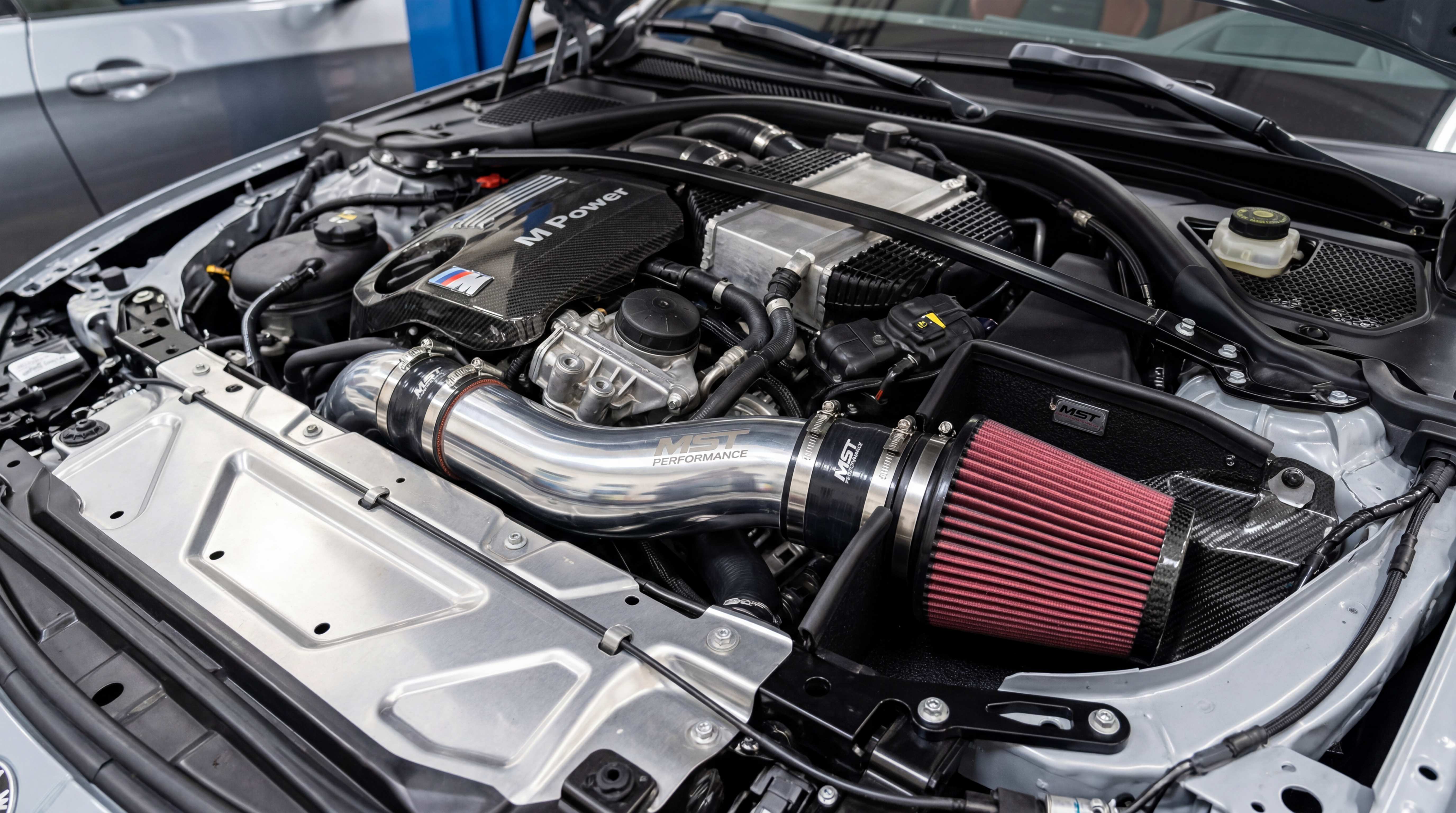
Some open air intake designs include a heat shield. A simple shield can reduce direct exposure to radiant heat, but it must be shaped and positioned correctly. A flat panel that does not separate the filter from hot air may provide limited benefit. A better cold air intake heat shield should create a partial barrier, guide cooler air toward the filter and reduce direct heat transfer from nearby components.
An open air intake is not automatically bad. It can be effective when properly placed and shielded. But it should be understood as a design with thermal trade-offs, not a guaranteed cold air solution.
Enclosed Airbox: Why Sealing Matters

An enclosed airbox is designed to separate the filter from the hot engine bay and control where the intake air comes from. This is one reason many factory systems use sealed or semi-sealed airboxes. They may not look as exciting as open filters, but they can provide stable intake air temperature, filtration protection and noise control.
A well-designed enclosed airbox can pull air from a front grille duct, fender inlet or other cooler outside source. By sealing the filter inside a protected chamber, it reduces the amount of hot engine bay air entering the system. This can help control intake air temperature during real-world driving.
However, an enclosed airbox must still flow enough air. If the inlet duct is too small, the box may restrict airflow. If the box is sealed poorly, hot air may leak in. If the filter area is too limited, pressure drop may increase. The goal is not simply to close the filter inside a box. The goal is to balance airflow capacity and thermal separation.
In many performance applications, the best solution is not a completely open filter or a fully restrictive box. It is a performance airbox that uses a high-flow filter, adequate inlet area, smooth internal airflow and strong separation from engine bay heat.
For B2B buyers, enclosed airbox design usually requires more engineering than a simple tube-and-filter kit. It may need molded plastic, formed metal, carbon fiber or composite panels. It must fit the vehicle, seal correctly and allow filter service access. Because of this added complexity, an enclosed airbox can support a higher-value product position when executed well.
The Role of an Airbox Heat Shield

An airbox heat shield is a barrier designed to reduce heat transfer from the engine bay to the intake filter area. It may be made from metal, plastic, composite or insulated material. It may be simple and open on one side, or it may form part of a semi-enclosed airbox.
The main function of an airbox heat shield is separation. It tries to separate the intake filter from radiant heat and hot engine-bay airflow. In a cold air intake heat shield design, the shield should ideally block heat from the engine side while allowing cooler air to enter from a front, side or lower duct.
Heat shield quality depends on geometry. A shield that leaves large gaps around the filter may allow hot air to circulate freely. A shield that blocks too much incoming air may reduce flow. A shield that is not mounted securely may vibrate or rattle. A shield that sits too close to the filter may reduce available air volume.
Material also matters, but shape usually matters more. A reflective metal shield may reduce radiant heat, but if it does not isolate the filter area, performance may still suffer. A plastic or composite shield may reduce heat conduction, but it must handle engine bay temperatures without warping. Some designs use insulation layers or rubber seals to improve separation.
For product quality, the heat shield should not be treated as decoration. It is part of the airflow and thermal system. A good heat shield improves the credibility of the intake design because it shows that the manufacturer understands real engine bay conditions.
Intake Insulation and Thermal Barriers
Intake insulation is another strategy used to control heat. It may include reflective wrap, thermal sleeves, insulated airbox panels, heat-reflective tape or composite barriers. The purpose is to reduce heat transfer from hot engine bay components into the intake air path.
Insulation can be useful when the intake pipe must pass near heat sources. For example, in a turbocharged engine bay, the intake route may be close to the turbocharger, exhaust manifold or downpipe. In this situation, intake insulation can help reduce radiant heat exposure. It may not make the incoming air colder than ambient air, but it can reduce unnecessary warming.
However, insulation should not be used as a substitute for poor routing. If a pipe is placed directly against a major heat source, wrapping it may help but may not solve the root problem. Good design begins with routing. Insulation should support the design, not rescue it.
There is also a practical issue: appearance and maintenance. Some customers prefer clean polished aluminum or carbon fiber finishes. Insulation wrap may look more motorsport-oriented but less refined for street applications. In B2B products, the choice depends on market positioning. A racing-focused product may accept visible insulation. A premium street intake may prefer hidden thermal barriers or composite airbox structures.
Intake insulation is most valuable when used selectively. It works best as part of a complete heat management package that includes air source control, heat shield design, pipe routing and material choice.
Intake Pipe Material and Heat Behavior
Intake pipe material affects how the system absorbs and transfers heat. Aluminum, plastic, silicone and carbon fiber all behave differently. But material alone should not be treated as the final answer to intake heat management.
Aluminum intake pipe is common in performance systems because it is strong, formable and visually attractive. It can be mandrel bent, welded and finished in many styles. The thermal concern is that aluminum conducts heat more easily than plastic or composite materials. If an aluminum intake pipe is near hot components, it may absorb heat. But if it is routed well and exposed to moving cool air, it can still be effective.
Plastic intake tubes are common in OEM systems because they are lightweight, cost-effective and relatively good at reducing heat transfer through the tube wall. Plastic can also be molded into complex shapes. However, plastic can age, crack or become brittle over time, depending on material quality and heat exposure.
Silicone intake hose and silicone couplers provide flexibility and vibration resistance. Silicone can handle engine bay temperatures well when properly specified. It is useful for connecting rigid pipes and absorbing movement. However, long silicone sections may need reinforcement, and oil compatibility should be considered.
Carbon fiber intake tubes and airboxes are used in premium applications. Carbon fiber can provide a lightweight structure and may reduce heat transfer compared with metal. But cost and manufacturing complexity are higher.
The practical lesson is clear: material affects heat behavior, but air source and layout are usually more important. A plastic pipe connected to a hot open filter may not perform better than an aluminum pipe connected to a well-sealed cold airbox.
Heat Management in Turbocharged Engines
Turbocharged engines create a more demanding heat environment. The turbocharger and exhaust side can generate high temperatures, and engine bays with turbo systems are often crowded. This makes intake heat management especially important.
Before the turbocharger, the intake system supplies air to the compressor. If the filter is located near the turbo, it may pull warmer air. If the turbo inlet pipe runs close to hot components, it may absorb heat. A shielded filter location, cold air duct and proper pipe routing can help reduce this issue.
After compression, the air becomes hotter. This is where intercooler piping and charge pipes enter the larger air management system. Although charge pipes are not the same as the pre-turbo intake pipe, they are part of the total temperature control strategy. The intercooler must reduce compressed air temperature before it enters the engine. Poor charge pipe routing, excessive heat exposure or inefficient intercooling can affect performance.
In turbocharged engines, heat can also influence ECU behavior. High intake air temperature may cause the ECU to reduce boost or timing to protect the engine. This means heat management is not only about peak horsepower. It is about maintaining consistent performance.
For B2B suppliers, turbo applications create opportunities for higher-value components: turbo inlet pipes, heat-shielded airboxes, aluminum intercooler piping, silicone couplers, thermal barriers and reinforced clamps. These products must handle airflow, pressure, temperature and vibration together.
A turbo intake design should never be judged only by filter size. It should be evaluated by how well it manages air temperature before and after compression.
Heat Management in Naturally Aspirated Engines
Naturally aspirated engines do not have turbocharger heat, but intake heat management still matters. These engines rely on atmospheric pressure and engine vacuum to draw air in. Because the air is not compressed by a turbocharger, the intake path before the throttle body is especially important for stable engine breathing.
In many naturally aspirated vehicles, the factory airbox may already pull air from a relatively cool location. Replacing that system with an open filter inside the engine bay can sometimes increase intake sound but raise intake temperature. This is why some aftermarket intakes feel louder but do not always produce strong performance gains.
A good naturally aspirated cold air intake should reduce restriction while preserving access to cooler outside air. This may involve an enclosed airbox, a well-shaped airbox heat shield or a duct that directs air from the grille or fender area. The intake pipe should avoid unnecessary heat sources and maintain smooth airflow to the throttle body.
For street-driven naturally aspirated engines, consistency is often more valuable than one peak number. Drivers want stable throttle response, predictable performance and reliability in different weather and traffic conditions. Intake heat management supports that goal.
In naturally aspirated systems, heat control also protects the credibility of the product. A louder open air intake may be fun, but a professionally designed system should explain how it manages temperature, not only how it improves sound.
Real-World Driving Conditions Change Everything
Many intake discussions focus on ideal conditions, but real driving is variable. A vehicle may experience highway speeds, stop-and-go traffic, hot pavement, cold weather, rain, idling, repeated acceleration and long engine heat cycles. Intake heat management must account for these changing conditions.
At highway speed, airflow through the front grille may help feed a cold air intake and cool the engine bay. In this condition, even some open air intake systems may perform well if they are placed near a strong air source. During traffic, the situation changes. Vehicle speed drops, engine bay heat rises and the filter area may become warmer.
After the vehicle is parked briefly, heat soak can become worse. The engine stops moving air, but heat continues radiating from hot components. When the vehicle restarts, intake air temperature may be high until airflow returns. This is why some drivers notice reduced response after short stops.
Weather also matters. In cold climates, intake temperature is naturally lower, and heat soak may be less noticeable. In hot climates, heat management becomes more important. For global B2B markets, product positioning should consider regional use cases. A design that works well in a mild climate may be less convincing in very hot markets.
A credible intake product should perform acceptably across conditions, not only during one cool test. This is why stable thermal design is a mark of professional engineering.
Filter Location and Air Source Strategy
The location of the filter is one of the biggest factors in intake heat management. A filter can only provide cool air if it has access to a cool air source. The best intake pipe and heat shield cannot fully compensate for a filter placed in the wrong thermal zone.
A front grille location can provide strong airflow, but it may require careful water protection. A fender location can offer cooler air but may complicate installation and service. A sealed airbox near the factory inlet can balance protection and temperature control. An open filter near the engine may improve sound but may suffer from engine bay heat.
Air source strategy should also consider pressure zones. Some areas of the vehicle receive better airflow while moving. A duct placed in an effective pressure zone may feed air more consistently. A decorative opening with poor airflow may not help much. In professional design, airflow path and vehicle aerodynamics should be considered together.
Water risk is another factor. A very low filter location may draw cooler air but can increase the chance of water ingestion in wet conditions. For daily drivers and off-road vehicles, protection may be more important than maximum cold air exposure.
This is why the best cold air intake systems usually balance temperature, airflow, protection and serviceability. A good design is not extreme in one direction. It is balanced for the intended use case.
Manufacturing Quality in Heat Shield and Airbox Design
Heat shield and airbox manufacturing quality affects both performance and customer perception. A heat shield must fit properly, mount securely and maintain its shape under heat and vibration. If the shield rattles, flexes or leaves large gaps, the product feels less professional.
For metal heat shields, material thickness, edge finishing, coating and mounting holes matter. Sharp edges can damage nearby hoses or wiring. Poor coating can corrode or look cheap. Misaligned holes can make installation frustrating. For plastic or composite airboxes, molding accuracy, seal quality and heat resistance are important.
Rubber seals are often used to improve airbox separation. If seals do not contact the hood or body panel correctly, hot air may leak in. If they are too soft or poorly retained, they may fall out over time. These small details can affect the real-world value of an enclosed airbox.
Packaging also matters. Heat shields and airbox panels can be scratched or bent during shipping. A B2B supplier should design protective packaging that keeps visible parts in good condition. For private-label intake kits, appearance at unboxing influences brand trust.
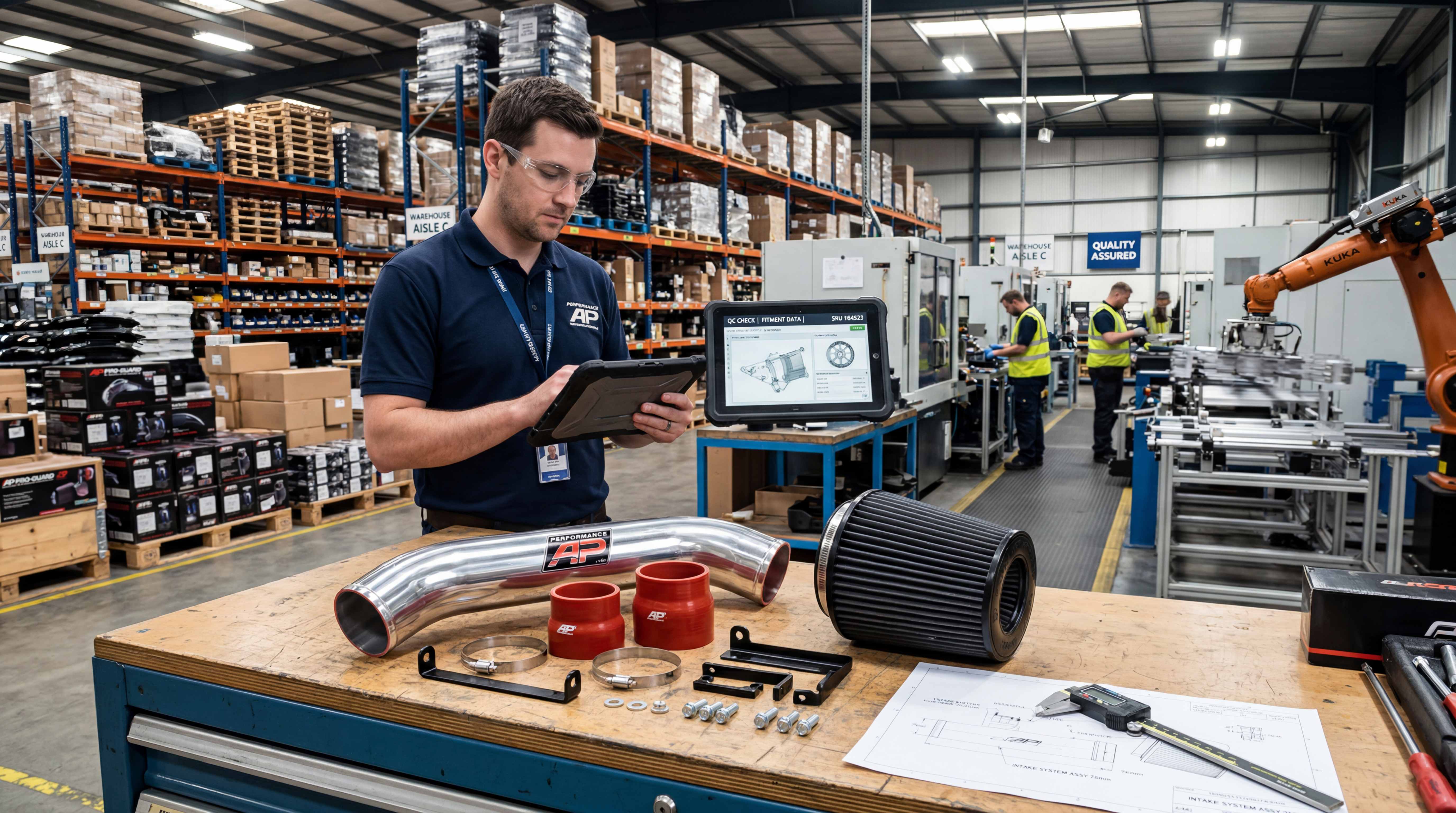
The best heat management components are not only technically correct. They are also easy to install, durable and consistent across batches. This is where manufacturing discipline supports product reputation.
How B2B Buyers Should Evaluate Intake Heat Management Products

B2B buyers should evaluate intake heat management products by asking practical questions. Does the system pull air from a cooler location? Does the airbox or heat shield actually separate the filter from engine bay heat? Does the design preserve enough airflow area? Does the pipe route avoid major heat sources? Are seals included? Are mounting points stable?
They should also check material quality. What is the heat shield made from? Is the coating durable? Is the airbox plastic, metal, carbon fiber or composite? Can it resist heat without deformation? Is the filter serviceable? Are couplers and clamps rated for the environment?
Fitment validation is essential. A heat shield that works on one vehicle trim may interfere with another. A sealed airbox may not seal correctly if the hood clearance differs. A pipe may sit too close to a heat source if bracket tolerances vary. For vehicle-specific intake systems, test fitting is not optional.
Buyers should also consider market positioning. A budget intake kit may use a simple heat shield. A premium kit may use a sealed airbox, molded ducts or carbon fiber panels. A motorsport-oriented kit may use intake insulation and exposed functional materials. Each approach can be valid if it matches buyer expectations.
The key is to avoid sourcing products that only look like cold air intake systems. A real heat management product must show functional separation, stable airflow and reliable fitment.
Design Checklist for Better Intake Heat Management
A practical intake heat management checklist begins with air source. The system should draw air from the coolest practical location while avoiding excessive water risk. The filter should not sit directly in a high-heat zone unless it is properly shielded.
Next, the airbox or heat shield should be evaluated. Does it reduce direct heat exposure? Does it guide incoming air? Does it have proper sealing? Does it avoid blocking airflow? Does it stay stable under vibration?
The intake pipe route should avoid hot components where possible. If the pipe must pass near heat sources, intake insulation or thermal barriers should be considered. Pipe material should be selected based on application, not only appearance.
Sensor stability should also be protected. Heat management should not create turbulence or poor MAF sensor placement. A well-shielded system still needs smooth airflow and correct sensor behavior.
Finally, serviceability should be checked. Can the filter be removed easily? Can clamps be reached? Can the heat shield be installed without forcing parts? Can the system be maintained by ordinary users?
This checklist shows that intake heat management is not one part. It is a combination of airbox, heat shield, pipe routing, material, sealing, airflow and installation design.
Final Perspective: A Cold Air Intake Must Earn the Word “Cold”
A cold air intake should not be called cold only because it replaces the factory airbox with a cone filter. It earns the word “cold” when the system actually manages heat. That requires a cooler air source, effective separation from engine bay heat, good airbox or heat shield design, smart pipe routing and stable performance under real driving conditions.
Intake heat management is one of the clearest differences between a basic intake product and a professionally engineered intake system. A basic system may improve sound and appearance. A better system controls airflow and temperature together. A premium system can also integrate fitment accuracy, sensor stability, material selection, insulation, sealing and manufacturing quality.
For drivers, understanding intake heat soak helps set realistic expectations. For fabricators, it improves custom intake design. For B2B buyers, it provides a stronger way to evaluate suppliers. For manufacturers, it shows where product value can be created beyond simple tube and filter assemblies.
In the Intake category, heat management should be treated as a core engineering topic. A good intake system does not only let the engine breathe. It helps the engine breathe the right air, from the right place, at the right temperature, with reliable control.
Focused FAQ
What is intake heat management?
Intake heat management is the process of controlling how much heat affects the air entering the engine. It includes air source selection, airbox design, heat shield structure, intake pipe routing, material choice, insulation and separation from engine bay heat.
What is intake heat soak?
Intake heat soak happens when intake components absorb heat from the engine bay after the engine has been running. This can raise intake air temperature, especially during idle, slow traffic or short stops after driving.
Does a cold air intake heat shield really work?
A cold air intake heat shield can work if it is designed correctly. It should separate the filter from hot engine bay air, reduce radiant heat exposure and allow cooler outside air to reach the filter. A poorly sealed or decorative shield may provide limited benefit.
Is an enclosed airbox better than an open air intake?
An enclosed airbox often provides better heat separation and more stable intake air temperature. An open air intake may offer more sound and simpler installation, but it can be more exposed to engine bay heat if not shielded properly.
Why does intake air temperature matter?
Intake air temperature matters because cooler air is denser and can contain more oxygen. Lower and more stable intake temperatures can support better combustion and more consistent performance when the engine system can use the additional air density.
Can aluminum intake pipes cause heat soak?
Aluminum intake pipes can absorb heat because aluminum conducts heat well. However, heat soak depends on routing, airflow, heat shielding and air source. A well-routed aluminum pipe can still perform well in a properly designed cold air intake system.
Is intake insulation useful?
Intake insulation can be useful when the intake pipe is close to heat sources. It helps reduce radiant heat transfer, but it should support good routing rather than compensate for poor design. Air source and heat shield structure are still important.
Is heat management more important for turbocharged engines?
Yes. Turbocharged engines create more heat because of the turbocharger and exhaust side. Intake heat management is important before the turbo, while intercooler and charge pipe design become important after compression.
Can a cold air intake increase temperature instead of lowering it?
Yes. If a cold air intake uses an open filter inside a hot engine bay without proper shielding, it may pull warmer air than the factory airbox in some conditions. This is why design quality matters.
What should B2B buyers check in intake heat management products?
B2B buyers should check air source design, airbox sealing, heat shield geometry, material heat resistance, intake pipe routing, insulation options, fitment accuracy, filter serviceability, mounting stability and batch consistency. A true cold air intake should manage heat, not only look performance-oriented.
#IntakeHeatManagement #IntakeHeatSoak #AirboxHeatShield #ColdAirIntakeHeatShield #IntakeAirTemperature #EngineBayHeat #EnclosedAirbox #OpenAirIntake #HeatSoakIntake #IntakeInsulation #ColdAirIntake #PerformanceIntakeSystem #MetalPipesAndBending