Does a Cold Air Intake Really Add Horsepower? Understanding Flow, Temperature, and Tuning
Why the Horsepower Question Is So Popular
“Does a cold air intake add horsepower?” is one of the most common questions in the performance parts market. It is also one of the most misunderstood. Some product pages suggest that a cold air intake can unlock easy power. Some forum users argue that it only makes the engine louder. Some drivers feel a sharper throttle response after installation, while others see little difference beyond intake sound. These different opinions exist because cold air intake performance depends on conditions, not just the part itself.
A cold air intake is not a magic component. It cannot force an engine to make more power if the engine does not need more air, if the factory intake system is already efficient, or if the ECU does not take advantage of the change. At the same time, it is not useless. A well-designed performance intake system can reduce intake restriction, improve engine breathing, lower intake temperature in some conditions and support better airflow demand when the engine is modified or tuned.
The problem is that horsepower is often discussed as a single number. In reality, intake performance is influenced by multiple factors at once. Airflow volume, air velocity, intake pipe diameter, filter area, airbox design, heat shielding, MAF sensor stability, throttle body response, turbocharger demand and intake tuning all matter. A cold air intake horsepower claim should never be judged without asking how the system was tested and what vehicle configuration was used.
For the Intake category under Industrial Components, this topic is especially valuable because it connects consumer curiosity with deeper engineering knowledge. It is not enough to say that a cold air intake makes power or does not make power. A useful article should explain when it can, when it cannot and why the design of intake pipes, filters, couplers and heat shields affects the result.
Horsepower Comes From Air, Fuel and Control
An internal combustion engine makes power by burning a mixture of air and fuel. More fuel alone does not create more power unless there is enough oxygen to burn it efficiently. This is why engine breathing matters. When the engine can move more air through the intake and exhaust paths, it may be able to produce more power, assuming the fuel system and engine control strategy can support it.
A cold air intake focuses on the air side of that equation. It tries to help the engine receive air with less restriction and, ideally, lower temperature. Cooler air is denser than hotter air, so it can contain more oxygen in the same volume. Better intake airflow can reduce the effort required for the engine to draw air in. Together, these improvements may support a horsepower increase.
However, the engine is a system. If the intake becomes less restrictive but the throttle body, intake manifold, camshaft profile, turbocharger, exhaust system or ECU calibration remains the limiting factor, the gain may be small. This is why a cold air intake may show measurable improvement on one vehicle and almost no change on another.
For a naturally aspirated engine, the intake system helps the engine draw air under atmospheric pressure. If the stock airbox is restrictive, a better intake may help. If the factory system already flows enough air for the engine’s demand, the upgrade may mainly change sound. For a turbocharged engine, the intake system may matter more when the turbocharger requires higher airflow, especially under tuning or higher boost conditions.
The key point is simple: a cold air intake can only add horsepower when airflow, temperature and control conditions allow the engine to use the change.
The First Condition: Was the Stock Intake Restrictive?

The first question is not whether the aftermarket intake looks better. The first question is whether the original intake system was a restriction. If the stock airbox, filter and intake tube already provide enough airflow for the engine’s current power level, replacing them may not create a large gain.
A stock intake system is usually designed for broad reliability. It must filter air well, reduce noise, resist water exposure, fit compact engine bays and support long service intervals. Because of these requirements, it may include resonators, narrow sections, complex ducting or conservative filter media. These features can reduce noise and improve durability, but they may also limit flow at high demand.
A performance intake system may remove some of these restrictions. It may use a larger filter, smoother intake tube, more direct pipe path or a larger airbox inlet. If the factory system was limiting airflow, this can improve engine breathing. In that case, the cold air intake horsepower gain may be real.
But not every stock airbox is restrictive. Many modern vehicles use well-designed factory intake paths that already draw air from a cool location and provide adequate flow for stock power levels. In those cases, a replacement intake may produce a louder induction sound without a dramatic increase in power.
This is why serious intake evaluation should begin with the baseline. What is the engine’s airflow demand? What is the stock intake flow capacity? Is the vehicle stock or modified? Is the engine operating at a level where the factory intake has become a bottleneck? Without answering these questions, any horsepower claim is incomplete.
The Second Condition: Is the Intake Air Actually Cooler?

The phrase “cold air intake” suggests that the system delivers colder air. But this is not automatically true. A cold air intake only improves intake temperature if it draws air from a cooler source and protects that air from engine-bay heat.
Intake temperature matters because air density changes with temperature. Cooler air can carry more oxygen. Warmer air is less dense. In theory, lowering intake temperature can help power. In practice, the result depends on how much the temperature changes and whether the engine control system responds to that change.
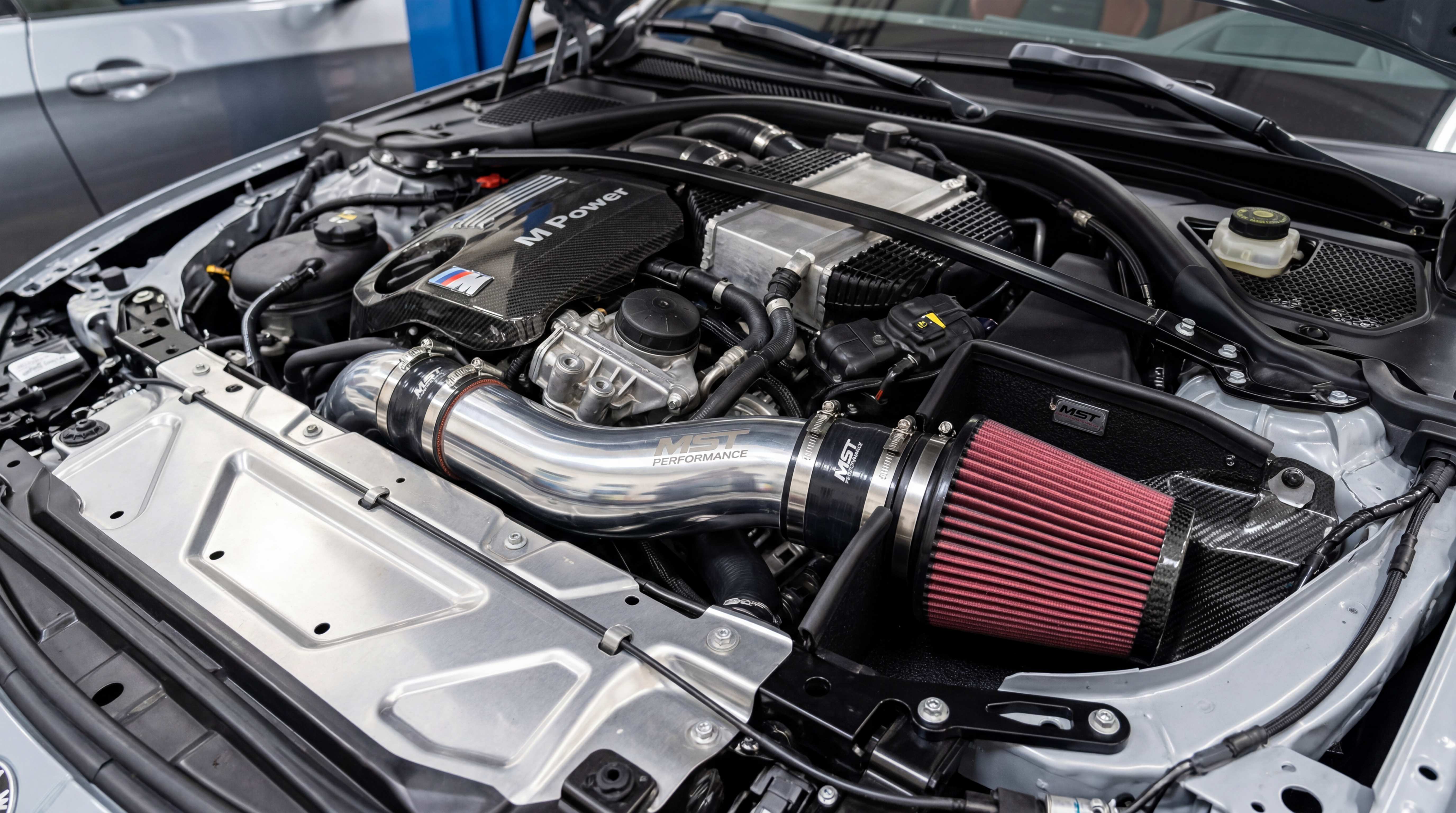
A well-designed cold air intake may place the filter near a fender, front grille duct or sealed airbox that receives outside air. It may use a heat shield to separate the filter from the engine bay. It may position the intake pipe away from exhaust heat sources. These choices help reduce the chance that the engine pulls hot air after the upgrade.
A weak design may do the opposite. If an open filter sits next to a hot engine, exhaust manifold or turbocharger, it may pull warmer air during idle or slow-speed traffic. In that case, the intake may sound better, but the temperature advantage may be reduced or lost. This is why some drivers see different results in dyno tests, street driving and hot weather.
Heat soak is a major factor. When the vehicle sits or moves slowly, engine-bay temperatures rise. Metal parts, plastic housings, filters and nearby components absorb heat. Once the vehicle starts moving, airflow may cool the area, but the intake system may still be affected by stored heat. A cold air intake that works well at speed may not show the same benefit in traffic.
For this reason, intake temperature should be treated as a real measurement, not a marketing phrase. A professional evaluation should ask: where is the filter located, how is the airbox sealed, how effective is the heat shield and what happens during real driving conditions?
The Third Condition: Can the ECU Use the Additional Air?

Even if a cold air intake improves airflow and intake temperature, the engine still needs proper control. Modern engines are managed by electronic control units that calculate fuel delivery, ignition timing and other operating parameters based on sensor data. This is where intake tuning becomes important.
Some vehicles can adapt to a mild intake upgrade without custom tuning. If the airflow change is small and sensor readings remain stable, the ECU may adjust fuel trims and operate normally. In these cases, the intake may offer modest improvement or better throttle response without requiring calibration changes.
Other vehicles are more sensitive. If the intake changes the MAF sensor housing diameter, airflow profile or sensor placement, the ECU may receive inaccurate data. This can cause poor drivability, check engine lights, unstable idle or incorrect fuel delivery. A MAF sensor intake design must be engineered carefully because the sensor does not simply measure air in a random pipe. It expects a specific flow condition.
For larger performance gains, intake tuning may be needed. When an engine is modified with exhaust upgrades, camshaft changes, turbo upgrades or higher boost, the ECU may need recalibration to use the additional airflow safely and effectively. In this situation, the cold air intake is not the only source of power. It becomes one supporting component in a larger system.
This is why dyno test intake results vary widely. A cold air intake installed on a stock vehicle may show small gains. The same intake on a tuned turbocharged engine may support larger gains because the engine actually demands more air. Without tuning, the intake may not deliver its full potential.
A good intake product should support stable sensor data before it claims power. A good article should explain that horsepower is not only about hardware. It is also about how the ECU understands and controls airflow.
Dyno Gains vs Real-World Driving Feel
Dyno testing is often used to prove cold air intake performance. A dyno can measure horsepower and torque before and after installation under controlled conditions. This is useful, but dyno results must be interpreted carefully.
A dyno test intake result depends on the test method. Was the hood open or closed? Was there a fan simulating road airflow? Was the engine heat-soaked before the second run? Were the runs done on the same day under similar temperature and humidity? Was the ECU given time to adapt? Was the car tuned? These details can change the result.
A cold air intake may show a gain on the dyno if the stock system was restrictive and the test setup supplies enough cool air. It may show little gain if the engine is not airflow-limited. It may even show inconsistent results if intake temperature rises between runs. This does not mean dyno testing is useless. It means the test conditions matter.
Real-world driving feel is another part of the discussion. Many drivers report that an aftermarket intake makes the car feel more responsive. Sometimes this is due to actual airflow improvement. Sometimes it is due to increased intake sound. A louder engine can feel faster because the driver receives stronger acoustic feedback. Turbocharged vehicles may also produce louder spool or bypass valve sounds after an intake upgrade.
Driving feel is valuable, but it is not the same as measured horsepower. A professional intake article should separate three ideas: sound improvement, throttle response and horsepower gain. They can happen together, but they are not identical.
For buyers, this distinction helps set expectations. For manufacturers, it helps position products honestly. A performance intake system can be sold for sound, appearance, airflow support, serviceability and potential horsepower improvement. Overpromising only one number may reduce trust.
Naturally Aspirated Engines: Smaller Gains, Higher Sensitivity to Design

Naturally aspirated engines depend on atmospheric pressure and engine vacuum to draw air into the cylinders. Because there is no turbocharger forcing air in, the intake path must support smooth and efficient engine breathing. A restriction before the throttle body can reduce high-RPM performance, but removing that restriction only helps when it was actually limiting the engine.
On a stock naturally aspirated engine, cold air intake horsepower gains are often modest. The intake may improve sound and throttle feel, but large power increases are not guaranteed. This is especially true when the factory airbox already draws cool air and flows well enough for the engine’s original output.
However, design still matters. A cold air intake with a smooth intake pipe, proper diameter, stable MAF sensor location and effective heat shielding may perform better than a simple open filter. A poorly designed intake can increase turbulence, raise intake temperature or disrupt sensor readings. In a naturally aspirated application, small design errors can cancel out potential gains.
The engine’s modification level also matters. If the vehicle has exhaust upgrades, a larger throttle body, engine tuning or internal modifications, airflow demand may increase. In that case, the stock intake may become more restrictive, and a better intake system may become more useful.
For naturally aspirated engines, the best way to view a cold air intake is as an optimization component. It may not transform the engine by itself, but it can support better airflow when the rest of the system is prepared to use it.
Turbocharged Engines: Intake Gains Depend on Demand and Boost

Turbocharged engines change the cold air intake conversation because the compressor creates much higher airflow demand. The intake system before the turbo must feed the compressor with enough air. If the turbo inlet path is restrictive, the compressor may work harder to pull air in. This can affect response, efficiency and power potential.
On a stock turbocharged engine, a cold air intake may improve sound noticeably. It may also reduce inlet restriction if the factory intake path is conservative. But the larger benefits often appear when the engine is tuned, running higher boost or using a larger turbocharger. In those situations, the engine’s airflow demand increases, and the intake system may become a real bottleneck.
A turbo intake pipe, filter and airbox must also manage heat. Turbochargers generate high temperatures, and many engine bays place the intake near heat sources. If an open intake pulls hot engine-bay air, the performance benefit may be reduced. A shielded or sealed cold air intake can be more effective when it brings cooler air to the compressor inlet.
Turbocharged engines also introduce additional piping after compression. The charge pipe and intercooler piping affect pressure drop, heat control and boost reliability. While these parts are not the same as the pre-turbo air intake, they are part of the larger air management system. For high-performance turbo applications, intake airflow, compressed air routing and intercooler efficiency should be considered together.
This is why turbo intake upgrades often have stronger B2B relevance. They require not only filter and pipe design, but also couplers, clamps, bead-rolled ends, sensor fittings and heat management. A high-quality intake component supplier must understand both airflow and mechanical reliability.
Intake Pipe Design: Diameter, Bends and Flow Quality

The intake pipe is one of the most visible parts of a cold air intake, but its value is not only visual. Intake pipe design affects airflow stability, pressure loss, fitment and sensor behavior.
Diameter is the first major factor. A pipe that is too small may restrict airflow at high engine demand. A pipe that is too large may reduce air velocity or create sensor calibration issues, especially in MAF-based systems. The correct intake pipe diameter depends on the engine, throttle body, turbo size, power goal and sensor requirements.
Bend design is equally important. Air prefers smooth paths. Sharp bends, crushed bends and sudden diameter changes can create turbulence and pressure loss. In metal intake tubing, mandrel bending is often preferred because it helps maintain a consistent internal diameter through the bend. This is especially important when packaging space is limited and the intake tube must curve around other engine components.
Surface transitions also matter. Poorly aligned couplers, rough welds, sudden steps and mismatched adapters can disturb flow. These details may look small, but they can affect engine airflow. In a performance intake system, the airflow path should be designed as continuously as possible.
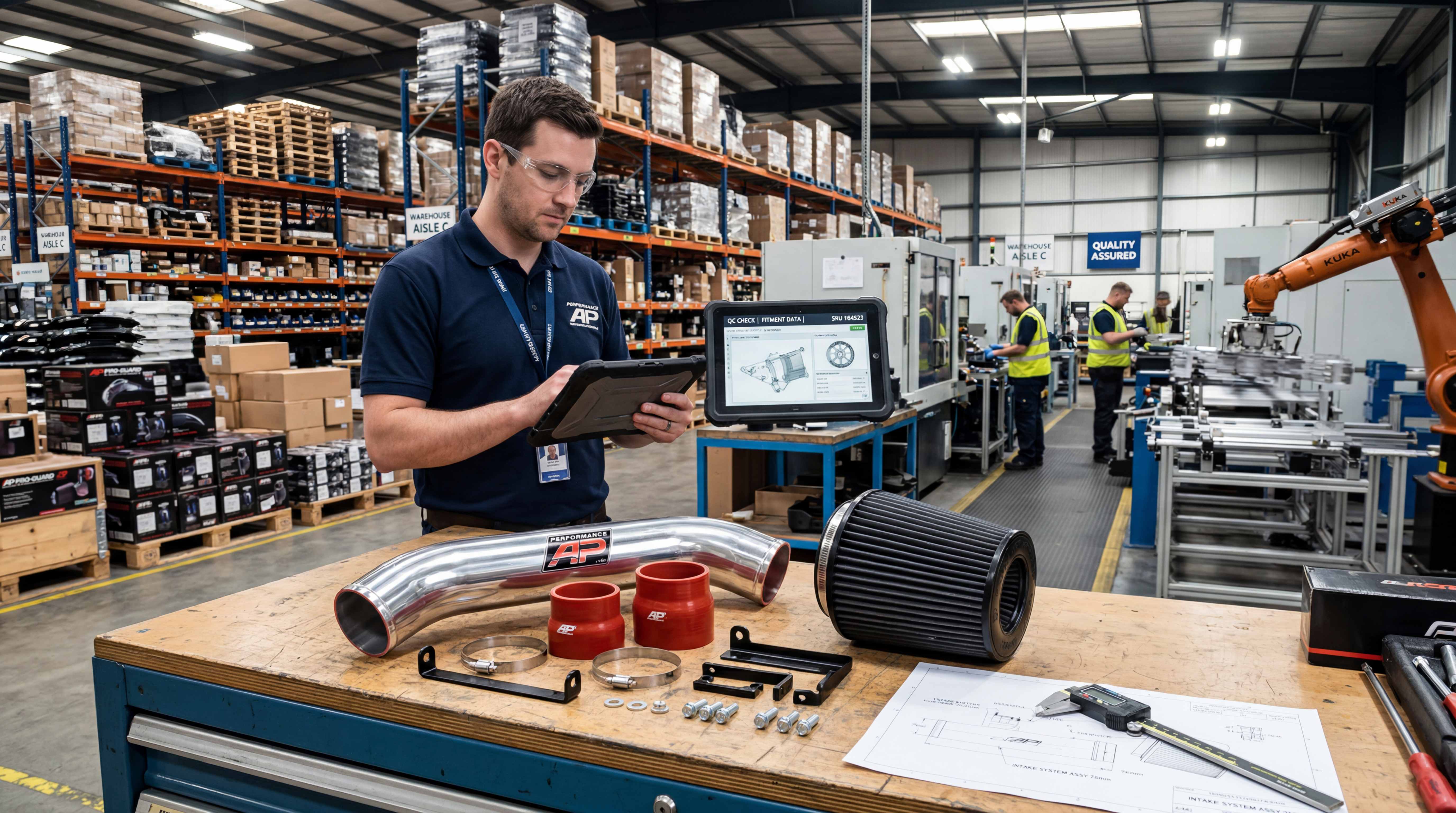
For manufacturers in the Metal Pipes & Bending category, this is where product quality becomes visible to professional buyers. A polished aluminum intake pipe may look good, but the more important questions are: Is the bend consistent? Is the internal section smooth? Are the pipe ends formed correctly? Is the sensor boss positioned accurately? Are the brackets aligned? These are the details that turn an intake tube into a reliable performance component.
Filter Design and Airbox Strategy
The filter is another major part of cold air intake performance. A high-flow filter can reduce restriction compared with some factory paper filters, but filtration quality still matters. More airflow is not valuable if dust protection becomes poor. The engine needs clean air, not just more air.
Filter size, shape, media type and location all affect performance. A larger filter may provide more surface area, but only if it has access to enough incoming air. A cone filter inside a hot engine bay may flow well but pull warmer air. A filter inside a sealed airbox may see cooler and more stable air but may depend heavily on the size and shape of the air inlet duct.
This is why airbox design is often more important than people think. Many stock airboxes are designed to manage noise, water protection and airflow stability. A performance airbox or heat-shielded cold air intake should improve airflow while preserving protection and temperature control. Simply removing the factory airbox may not always be an improvement.
A good airbox design should consider inlet location, filter sealing, service access, heat separation and sensor stability. In some applications, a sealed or semi-sealed airbox with a high-flow filter can outperform an exposed open filter in real driving conditions.
For B2B suppliers, filter and airbox strategy also affects product positioning. A simple open filter kit may be lower cost and easier to manufacture. A vehicle-specific cold air intake with a sealed airbox may require more engineering but can command higher value. The right strategy depends on target market, vehicle type and brand positioning.
Why Some Cold Air Intake Claims Are Misleading
Cold air intake marketing can become misleading when it presents horsepower gains without context. A claim such as “adds horsepower” is incomplete unless the test vehicle, baseline condition, testing method and supporting modifications are clear.
A cold air intake may show a gain on a tuned vehicle but not on a stock one. It may perform well in cool weather but show less benefit in hot traffic. It may show peak horsepower improvement at high RPM but little change in low-speed driving. It may improve sound more than measurable power. All of these outcomes are possible.
Another issue is peak horsepower versus usable power. Some products may show a small gain at the top of the RPM range but little improvement elsewhere. For daily driving, throttle response and mid-range torque may matter more than peak numbers. A professional article should help readers understand the whole power curve, not only the highest number.
There is also the question of repeatability. A real performance improvement should be repeatable under similar conditions. If a dyno result depends heavily on one ideal run, the claim may not represent typical driving. This is why serious buyers should look for transparent testing and technical explanation.
For content credibility, the best approach is balanced language. A cold air intake can add horsepower, but not always. It can improve performance, but only when airflow, temperature and control conditions are favorable. This honest position is stronger than exaggerated claims because it reflects real industry understanding.
When a Cold Air Intake Is Most Likely to Help
A cold air intake is most likely to help when the stock intake system is restrictive, the new intake draws cooler air, the pipe design supports smooth airflow and the engine can use the additional air.
It is also more likely to help when the vehicle has other modifications. Exhaust upgrades, turbo upgrades, ECU tuning and higher power targets can increase airflow demand. In these cases, the factory intake may become a limiting factor, and a performance intake system may support the overall build.
A cold air intake may also be valuable when the buyer wants more intake sound, improved serviceability or better engine-bay appearance. These benefits are not the same as horsepower, but they are real purchase motivations. Many drivers upgrade because they want the engine to feel and sound more engaging.
The upgrade is less likely to produce major horsepower gains when the vehicle is completely stock, the factory airbox is already efficient, the aftermarket intake pulls hot engine-bay air or the sensor design is poorly engineered. It may still change sound, but the performance claim should be modest.
A useful rule is this: the more the engine needs additional airflow, the more important the intake becomes. The less the engine needs additional airflow, the more the intake becomes an experience, appearance or maintenance upgrade.
How Buyers Should Evaluate Cold Air Intake Performance
Buyers should evaluate cold air intake performance using a practical checklist rather than relying only on advertised horsepower.
First, they should look at the air source. Does the intake draw air from outside the hot engine bay? Is there a sealed box, duct or heat shield? Is the filter placed in a safe location away from water risk?
Second, they should examine the intake pipe. Is the pipe diameter appropriate? Are the bends smooth? Does the tube avoid unnecessary restrictions? Is the material suitable for the application? Are the pipe ends designed for strong coupler retention?
Third, they should consider sensor compatibility. If the vehicle uses a MAF sensor, does the intake preserve the correct housing diameter and airflow profile? Is the sensor located away from turbulent bends? Is the wiring route safe?
Fourth, they should consider the vehicle setup. Is the engine stock or modified? Is the ECU tuned? Is the vehicle naturally aspirated or turbocharged? What is the real performance goal?
Fifth, they should check long-term details. Is the filter serviceable? Are replacement parts available? Are clamps and couplers durable? Does the intake fit without rubbing or vibration? Is installation reversible?
For B2B buyers, the same logic applies at a larger scale. Product sourcing should include fitment accuracy, batch consistency, packaging, private-label options, documentation and after-sales support. A cold air intake product is not only a tube and filter. It is a complete kit that must perform, install and sell reliably.
Manufacturing View: Where Real Product Value Is Created
From a manufacturing perspective, real cold air intake value is created in design precision and production consistency. A customer may first notice the appearance, but long-term satisfaction depends on fitment, airflow, sealing and durability.
An aluminum intake pipe must be bent accurately. If the angle is off, installation becomes difficult. If the pipe is flattened through the bend, airflow area decreases. If the sensor mount is misaligned, the vehicle may run poorly. If the bracket position is inconsistent, vibration or stress may occur. These are manufacturing details that directly affect product quality.
Silicone couplers and clamps also matter. A coupler that is too soft, too short or poorly matched to the pipe may loosen. A clamp that does not apply even pressure may create leaks. Bead-rolled pipe ends help improve retention. In turbocharged applications, these details become even more important because pressure and vibration are higher.
Heat shields and airboxes require their own engineering. A heat shield that leaves large gaps may provide limited benefit. A sealed airbox must fit the engine bay and allow proper air supply. A product that looks like a cold air intake but fails to manage heat properly may disappoint users.
This is why suppliers should not compete only on price. In the intake market, technical credibility can become a differentiator. Manufacturers who understand airflow, intake temperature, MAF sensor intake design, surface finish and installation reliability can serve more demanding brands and distributors.
Final Answer: Does a Cold Air Intake Really Add Horsepower?
A cold air intake can add horsepower, but only under the right conditions. It is most effective when it reduces a real airflow restriction, draws cooler air, maintains stable sensor readings and works with an engine that can use the additional air. On a stock vehicle with an already efficient airbox, the gain may be small. On a tuned or modified engine with higher airflow demand, the intake may become more important.
The most honest answer is not a fixed number. The real answer depends on airflow, intake temperature, intake tuning, engine type, pipe design and test conditions. A performance intake system should be evaluated as part of the full engine airflow path, not as an isolated accessory.
For drivers, this means expectations should be realistic. A cold air intake may improve sound, throttle feel, appearance and airflow potential. It may also support horsepower gains when matched correctly. But it should not be treated as a guaranteed power upgrade for every vehicle.
For manufacturers and B2B buyers, the lesson is even clearer. The market does not only need more intake products. It needs better-designed intake systems with accurate fitment, smooth tubing, stable sensor placement, effective heat management and reliable components. That is where real product value is created.
Focused FAQ
Does a cold air intake really add horsepower?
A cold air intake can add horsepower if it reduces intake restriction, lowers intake temperature and allows the engine to use more air. The gain depends on the vehicle, stock intake design, ECU control, tuning and overall engine setup.
How much horsepower can a cold air intake add?
There is no universal number. Some vehicles may see small measurable gains, while others may mostly gain sound and throttle feel. Larger gains are more likely when the engine is modified, tuned or limited by the stock intake system.
Why do some cold air intakes show no power gain?
Some cold air intakes show little gain because the factory airbox already flows well, the engine does not need more air, the intake pulls warm engine-bay air or the ECU does not take advantage of the airflow change.
Does intake temperature affect horsepower?
Yes. Cooler air is denser and can contain more oxygen, which can support better combustion. However, temperature is only one factor. Airflow stability, sensor accuracy and tuning also affect cold air intake performance.
Is a cold air intake better with tuning?
A cold air intake may work without tuning on some vehicles, but tuning can help the engine use increased airflow more effectively. Tuning becomes more important when the intake changes sensor behavior or when the engine has other performance modifications.
Can a cold air intake cause a check engine light?
Yes, if the intake disrupts MAF sensor readings, creates leaks or changes the airflow profile too much. A well-designed MAF sensor intake should preserve stable airflow measurement and avoid drivability issues.
Is a cold air intake better for turbocharged engines?
A cold air intake can be useful for turbocharged engines, especially when airflow demand is higher due to tuning or turbo upgrades. However, heat management and turbo inlet design are critical because turbo engines produce more engine-bay heat.
Is intake sound proof of more horsepower?
No. Intake sound can make the vehicle feel faster, but sound alone does not prove a horsepower gain. A real gain should be supported by airflow improvement, temperature control and reliable testing.
What makes a cold air intake system high quality?
A high-quality cold air intake system should have a proper air source, smooth intake pipe design, effective heat shielding, accurate sensor placement, durable couplers, strong clamps, stable brackets and reliable fitment.
What should B2B buyers check before sourcing cold air intake products?
B2B buyers should check material quality, pipe diameter, bend consistency, MAF sensor compatibility, filter quality, heat shield design, coupler strength, clamp type, packaging, fitment accuracy and batch consistency.
#ColdAirIntake #ColdAirIntakeHorsepower #IntakeAirflow #IntakeTemperature #PerformanceIntakeSystem #MAFSensorIntake #DynoTestIntake #IntakeTuning #EngineBreathing #AirIntakePerformance #AutomotiveComponents #MetalPipesAndBending