Cold Air Intake vs Short Ram Intake vs Stock Airbox: What Really Changes?
Why This Comparison Matters

Cold air intake vs short ram intake is one of the most common debates in the aftermarket performance world. Some drivers believe a cold air intake is one of the easiest ways to improve engine response. Others argue that the stock airbox is already well engineered and that many aftermarket intake products only change the intake sound. Both sides can be right, depending on the vehicle, the engine layout and how the intake system is designed.
The problem is that many discussions treat intake upgrades as if they all work the same way. They do not. A cold air intake, a short ram intake and a stock airbox are three different approaches to the same task: delivering clean air to the engine. Each design has its own strengths and compromises. One may offer a shorter airflow path. Another may provide better heat isolation. Another may support better filtration and water protection. The best choice depends on the actual application.
For a daily driver, the most important factors may be reliability, stable idle, easy maintenance and protection from water or dust. For a track car, airflow demand and intake temperature may be more important. For a turbocharged engine, the intake path must also support compressor demand and pressure behavior. For a B2B buyer or aftermarket brand, the key question is not simply which design sounds better, but which design can be manufactured consistently, installed correctly and sold with credible technical value.
This is why the comparison between a cold air intake, short ram intake and stock airbox should not be reduced to a simple “which one makes more horsepower” question. A better question is: what changes in airflow, temperature, sound, sensor behavior, fitment and long-term use when the intake system is replaced?
What a Stock Airbox Is Designed to Do

A stock airbox is the factory-designed air filter housing and intake path installed by the vehicle manufacturer. Many enthusiasts underestimate it because it often looks less exciting than an exposed cone filter or polished aluminum intake pipe. However, factory airbox design is usually the result of many engineering constraints.
The stock airbox must deliver enough engine airflow for normal operating conditions. It must protect the engine from dust and debris. It must reduce intake noise to meet comfort expectations. It must help prevent water ingestion. It must fit inside a crowded engine bay. It must work in hot, cold, wet, dusty and high-mileage conditions. It must also meet cost, emissions and production requirements.
This means a stock airbox is not automatically a bad design. In many modern vehicles, the factory airbox already draws air from a relatively cool area near the front grille, fender or radiator support. It may also use resonators to control sound and ducting to stabilize airflow before the mass airflow sensor. These features are not always visible, but they can be important.
The main limitation of a stock airbox is that it is designed for broad use, not maximum performance. It may include restrictions for noise control. The filter element may prioritize service life and filtration over maximum flow. The intake tube may include bends, chambers or resonators that reduce sound but may not be ideal for high-power modifications. For a completely stock vehicle, these compromises may be acceptable. For a modified engine, they may become a restriction.
In other words, the stock airbox should be viewed as a balanced OEM solution. It is often reliable, quiet and well protected. It may not always be the best solution for maximum airflow, but replacing it only makes sense when the aftermarket intake upgrade solves a real limitation without creating new problems.
What a Cold Air Intake Tries to Improve

A cold air intake is designed to help the engine receive cooler and often less restricted air. The core idea is simple: cooler air is denser than hot air, and denser air contains more oxygen. If the engine can use that additional oxygen through proper fuel control, airflow and tuning, performance may improve.
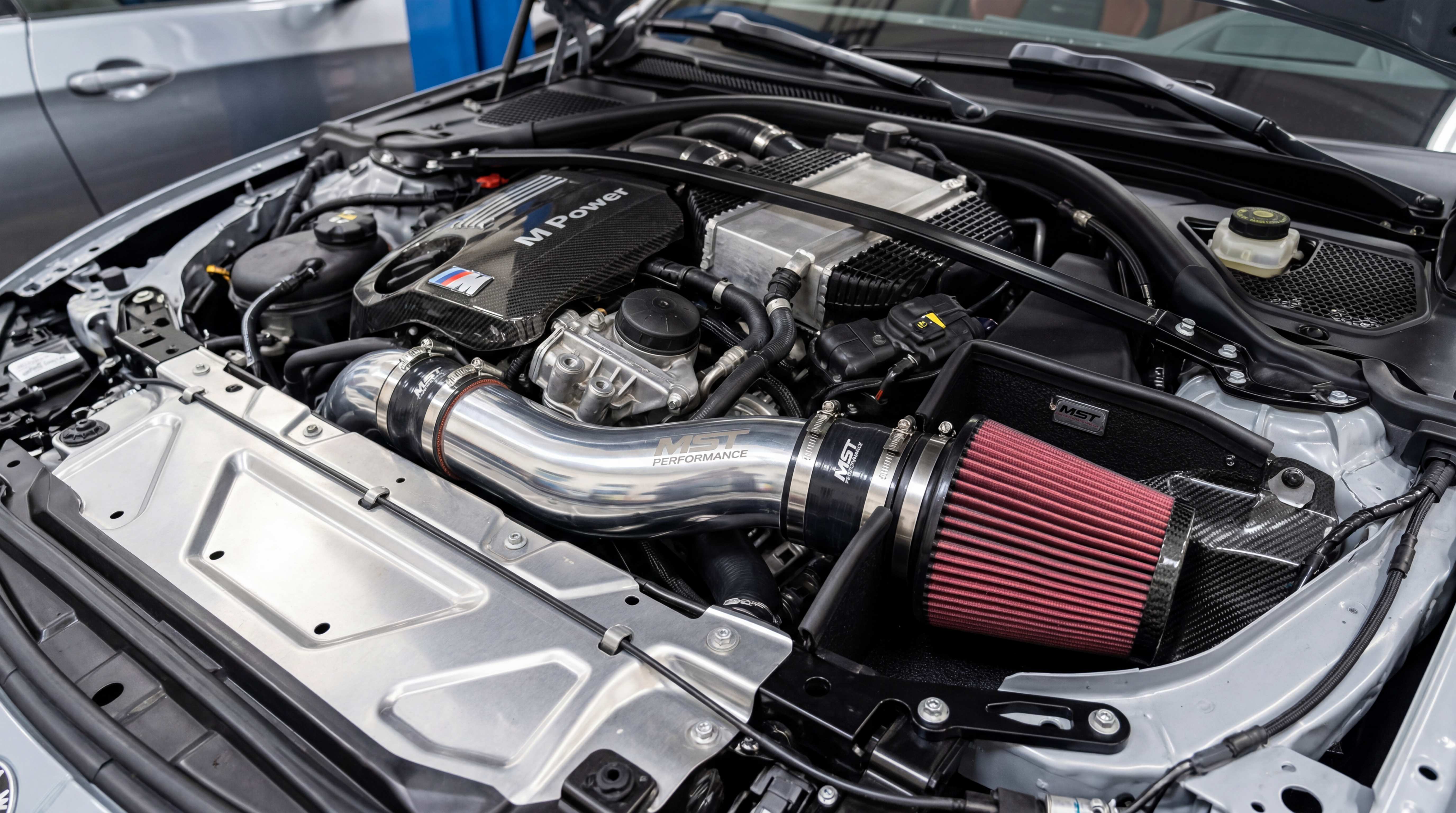
A true cold air intake usually tries to move the filter or inlet point away from the hottest areas of the engine bay. Some systems place the filter lower near the fender area. Others use a sealed or semi-sealed airbox with a duct that pulls air from outside the engine compartment. Some designs use a heat shield around an open cone filter to reduce exposure to engine heat.
The intake pipe in a cold air intake system is also important. It may use smoother bends, a larger diameter, fewer restrictions or a better path than the factory intake tube. In performance systems, aluminum intake pipes, molded plastic tubes or carbon fiber tubes may be used to improve shape, appearance and airflow. The goal is not only to lower intake temperature, but also to reduce pressure drop and improve engine airflow.
However, the term “cold air intake” is sometimes used too broadly. Not every aftermarket intake with a cone filter is truly cold. If the filter sits in the open engine bay without effective shielding, it may draw hot air during idle, traffic or low-speed driving. In that situation, the intake may still sound better, but the temperature benefit may be limited.
A cold air intake is most convincing when it improves the intake path while maintaining cooler air access, good filtration, stable sensor readings and reliable fitment. When it only replaces an enclosed stock airbox with an exposed filter near a heat source, the real-world benefit may be much smaller.
What a Short Ram Intake Tries to Improve

A short ram intake uses a shorter and more direct intake path. Instead of routing air through a longer duct toward a remote cold-air source, it places the filter closer to the throttle body or turbo inlet. The main advantage is simplicity. The airflow path is shorter, the installation is usually easier and the intake sound is often more noticeable.
Because the intake pipe is shorter, a short ram intake may reduce some path length and eliminate certain factory restrictions. The engine may feel more responsive in some conditions, especially if the stock intake tube had restrictive bends or resonator chambers. Short ram intake systems are also popular because they are easier to package in tight engine bays.
The trade-off is intake temperature. A short ram intake often places the filter inside the engine bay, closer to heat sources such as the radiator, exhaust manifold, turbocharger or engine block. If the system does not have an effective heat shield or airbox design, it may pull warmer air than the stock airbox or a true cold air intake.
This does not mean a short ram intake is always poor. On some vehicles, engine-bay airflow is good enough that temperature rise is limited while moving. On other vehicles, a short ram intake can suffer from heat soak during slow driving. The result depends on filter location, heat shielding, engine bay layout and vehicle speed.
A short ram intake is often best understood as a sound, simplicity and throttle-response upgrade rather than a guaranteed horsepower upgrade. It can be a good choice for users who want easier installation, more intake sound and a cleaner engine-bay layout. It is less ideal when the main goal is reducing intake temperature in a hot engine bay.
Airflow Path: Length, Shape and Restriction
The first major difference between a stock airbox, cold air intake and short ram intake is the airflow path. Air does not simply enter the engine because there is a large opening. It must travel through a path that includes the filter, tube, bends, sensor area and engine connection. Every part of that path can influence flow.
A longer path is not automatically bad. If a cold air intake uses a longer pipe to reach cooler air, the benefit of lower temperature may outweigh the added length. A shorter path is not automatically better either. If a short ram intake pulls very hot air or creates turbulence near the sensor, the shorter tube may not improve real-world performance.
The shape of the intake pipe matters as much as the length. Smooth bends are generally better than sharp or crushed bends. A mandrel-bent intake pipe can maintain a more consistent internal diameter through the bend. Poorly formed bends can reduce cross-sectional area and create turbulence. This is especially relevant in Metal Pipes & Bending because intake tube quality is not only about appearance. The internal path affects engine airflow.
Restriction can come from several areas. A dirty or small filter can restrict air. A narrow intake tube can restrict air at high RPM. A sharp bend can disturb flow. A poorly placed mass airflow sensor can create inaccurate readings. A poorly designed airbox inlet can limit the amount of available air. That is why judging an intake system requires looking at the complete design.
The best intake upgrade is not always the one with the largest pipe or the shortest route. It is the one that creates a smooth, stable and appropriate airflow path for the engine’s actual demand.
Intake Temperature: The Cold Air Question

Intake temperature is the reason cold air intake products exist. Cooler air is denser, and dense air can support better combustion when fuel and control systems are matched correctly. However, intake temperature is not fixed. It changes with vehicle speed, outside temperature, engine-bay heat, traffic conditions and intake location.
A stock airbox may perform better than expected because it often draws air from outside the hottest engine-bay area. An aftermarket cold air intake may perform well if it uses an enclosed box or a well-designed duct. A short ram intake may perform well at speed but become hotter during idle or traffic. This is why drivers often report different results with the same type of intake.
Heat soak is especially important. Heat soak happens when components absorb heat from the engine bay after the vehicle has been running. During slow driving or idle, an open filter and nearby intake pipe can absorb heat. Once the vehicle moves again, incoming airflow may reduce temperatures, but the system may still operate hotter than expected for some time.
Material can influence heat behavior, but it is not the only factor. Aluminum intake pipe conducts heat more than plastic or some composite materials, but if it is placed in a strong airflow path and away from major heat sources, it can still perform well. A plastic intake tube may transfer less heat, but if the filter pulls hot air, the material advantage may not solve the problem.
A professional intake temperature discussion should focus on system layout, not only material. Where does the air enter? Is the filter shielded? Is there an airbox? Is the intake pipe near the exhaust manifold? Does the vehicle move enough air through the engine bay? These questions matter more than simply saying one design is always colder.
Intake Sound: Why Aftermarket Intakes Feel Faster

One of the most noticeable changes after installing an aftermarket intake is sound. A stock airbox is often designed to reduce induction noise. It may use resonators, enclosed housings and duct shapes to keep the vehicle quiet. When that system is replaced with an open filter or smoother intake tube, the sound of air entering the engine becomes much more obvious.
This can make the car feel more responsive, even if measured power gain is small. The driver hears the engine breathing more directly. On naturally aspirated vehicles, the intake may produce a deeper induction tone. On turbocharged vehicles, the intake may make turbo spool, compressor sound or bypass valve noise more noticeable.
Intake sound is not a fake benefit. Many drivers value it. For the aftermarket market, sound is a real selling point. But it should be explained honestly. A louder intake is not the same as a more powerful intake. It may indicate less acoustic restriction, but it does not automatically prove better engine airflow or lower intake temperature.
For content and product positioning, this distinction is important. A cold air intake worth it article should not ignore sound, because sound is one of the main reasons people buy intake upgrades. But it should separate emotional improvement from engineering improvement. The best intake systems can offer both: better sound and better airflow control. Lower-quality systems may only offer sound.
Sensor Stability and Engine Control
Modern engines depend on accurate airflow and pressure data. This is why intake upgrades can sometimes create unexpected drivability problems. A mass airflow sensor, for example, is calibrated around a certain housing diameter and airflow profile. If an aftermarket intake changes the pipe diameter, sensor angle or airflow turbulence near the sensor, the engine control unit may receive inaccurate data.
When the ECU receives unstable airflow information, the vehicle may experience rough idle, hesitation, check engine lights or inconsistent fuel trims. This does not mean aftermarket intake systems are unsafe by default. It means the sensor area must be engineered correctly.
This is one major advantage of a well-designed vehicle-specific intake system. It is built around the original sensor location, mounting pattern and airflow requirements. A universal intake pipe kit may be useful for custom fabrication, but it requires more knowledge from the installer. If the MAF sensor is placed too close to a bend, too close to the filter or inside the wrong pipe diameter, performance may suffer.
Stock airboxes usually perform well in sensor stability because they are engineered as part of the full vehicle system. Cold air intakes and short ram intakes can also perform well, but only if the design respects sensor behavior. For B2B suppliers, this is a critical product development point. It is not enough to produce a polished aluminum tube that fits physically. It must also support stable engine control.
Naturally Aspirated Engines: When the Difference Is Noticeable
On naturally aspirated engines, the difference between a cold air intake, short ram intake and stock airbox depends heavily on whether the original system was restrictive. Since there is no turbocharger forcing air into the engine, airflow demand is driven by engine displacement, RPM and throttle opening.
A naturally aspirated engine may benefit from an intake upgrade if the stock airbox is restrictive at higher RPM, if the intake tube has unnecessary chambers or if the new system provides a smoother path and cooler source of air. The improvement may show as better throttle response, stronger top-end pull or more intake sound.
However, many modern naturally aspirated vehicles already have reasonably efficient stock airbox designs. In these cases, a short ram intake may mainly increase sound. A cold air intake may offer small gains under the right conditions but may not transform the vehicle. Without additional modifications such as exhaust upgrades, cam changes or ECU tuning, the engine may not be able to use much more airflow than the stock system already provides.
For daily drivers, this means the buyer should be realistic. The upgrade may still be worthwhile if the goal is sound, appearance, reusable filter service or engine-bay styling. But if the goal is measurable horsepower, the intake should be evaluated carefully.
A strong article should help readers understand that naturally aspirated intake upgrades are not magic. They are airflow optimization tools. Their value depends on how much restriction existed before the upgrade.
Turbocharged Engines: Why the Intake Question Changes

Turbocharged engines change the intake discussion because the turbocharger creates much higher airflow demand. Before the turbo, the intake system must supply air to the compressor. After the turbo, the air becomes compressed, heated and routed through intercooler piping and charge pipe sections.
A cold air intake or short ram intake on a turbocharged engine can affect spool sound, compressor inlet restriction and airflow potential. A smoother turbo inlet pipe may reduce restriction before the compressor. A better airbox design may help provide cooler and more stable air. A larger intake pipe may support higher power targets when the turbo and tune require more air.
However, turbocharged vehicles also make heat management more difficult. The turbocharger itself is a major heat source. An open short ram intake near the turbo may sound aggressive but may also face higher intake temperature. A cold air intake with better shielding or ducting may be more effective in this environment.
The charge side also matters. While a stock airbox vs cold air intake comparison focuses on the pre-turbo or pre-throttle intake path, turbo vehicles include additional piping after compression. Charge pipe quality, intercooler piping design, coupler strength and clamp reliability all affect performance and reliability.
For the Intake category, turbocharged engines are especially important because they connect intake content with metal piping expertise. Turbo inlet pipes, charge pipes and intercooler pipes require accurate bending, strong connections and proper sealing. The topic is not only about filters and sound. It is about airflow under higher demand and pressure.
Fitment and Installation: The Hidden Difference
An intake upgrade may look simple online, but installation quality can determine whether the product succeeds. Fitment includes pipe alignment, filter placement, bracket stability, hood clearance, sensor wiring reach, coupler engagement and clearance from hot or moving parts.
A stock airbox usually fits perfectly because it was designed with the vehicle. An aftermarket intake must recreate that fit while changing the layout. A cold air intake may require routing the pipe into a fender area or lower section of the engine bay. A short ram intake may be easier to install, but it still needs a stable bracket and proper clearance.
Poor fitment can create several problems. If the intake pipe rubs against another component, vibration may cause wear. If the filter sits too low, water risk may increase. If the coupler does not fully engage the pipe end, it may loosen. If the sensor harness is stretched, it may fail over time. If the heat shield does not seal properly, it may not protect the filter from engine-bay heat.
This is why fitment should be part of any serious stock airbox vs cold air intake discussion. A well-engineered aftermarket intake should feel like a complete system, not a collection of parts that the installer must force into place. For manufacturers, good fitment reduces returns, complaints and installation support costs.
Maintenance, Filtration and Long-Term Use
Another difference between these systems is maintenance. Stock airboxes usually use replaceable paper filters. They are easy to service, widely available and designed for long-term reliability. Cold air intakes and short ram intakes often use reusable performance filters that may need cleaning and re-oiling depending on the filter type.
A reusable filter can reduce replacement costs over time, but only if maintained correctly. A dirty performance filter can restrict airflow. An over-oiled filter may affect sensor performance in some systems. A poorly protected open filter may collect more dust, moisture or debris depending on placement.
Filtration should not be ignored in the pursuit of performance. The engine needs clean air, not just more air. An intake upgrade that allows more particles into the engine is not a quality improvement. For off-road vehicles, dusty environments and commercial use, filtration and protection may matter more than sound or small airflow gains.
This is one reason stock airboxes remain strong in many real-world conditions. They protect the filter and control the air source. A good aftermarket cold air intake should also think about filtration environment, not just filter size. The best designs balance airflow and protection.
For B2B buyers and suppliers, long-term use also includes replacement parts. Can the filter be replaced easily? Are couplers standard sizes? Are clamps durable? Is the heat shield material stable? Are brackets corrosion-resistant? These details affect customer satisfaction after the first installation.
Cost and Value: Is a Cold Air Intake Worth It?
The question “is a cold air intake worth it” does not have one answer. It depends on what the buyer expects. If the buyer expects a dramatic horsepower increase on a stock daily driver, disappointment is possible. If the buyer wants improved intake sound, better engine-bay appearance, reusable filtration and possible airflow improvement, the upgrade may feel worthwhile.
A short ram intake may offer strong value for users who want sound and easy installation. It is often less complex than a true cold air intake. But it may not provide the same temperature control. A cold air intake may offer better potential for cooler air, but it may cost more and require more careful installation. A stock airbox may be the best value when reliability, water protection and quiet operation are priorities.
Value also changes for modified vehicles. Once an engine has exhaust upgrades, turbo upgrades or ECU tuning, intake restriction may become more important. At that point, an aftermarket intake may support a larger performance system. On a lightly driven stock vehicle, the same intake may be more of an experience upgrade than a performance necessity.
For a technical blog, the best answer is not “yes” or “no.” The best answer is a decision framework. A cold air intake is worth it when it improves airflow without increasing heat, preserves sensor stability, fits correctly and matches the vehicle’s use case. It is less worthwhile when it only adds noise while pulling hotter air or creating installation problems.
Manufacturing Perspective: Why Intake Design Is a Product Strategy
From a manufacturing and supply chain perspective, cold air intake, short ram intake and stock-style replacement parts represent different product strategies.
A stock-style airbox or replacement intake tube focuses on fitment, durability and OEM-like reliability. A short ram intake focuses on simple installation, sound and visual appeal. A cold air intake focuses on airflow path, temperature control and performance positioning. A turbo intake system focuses on higher airflow demand, sealing and pressure-related reliability.
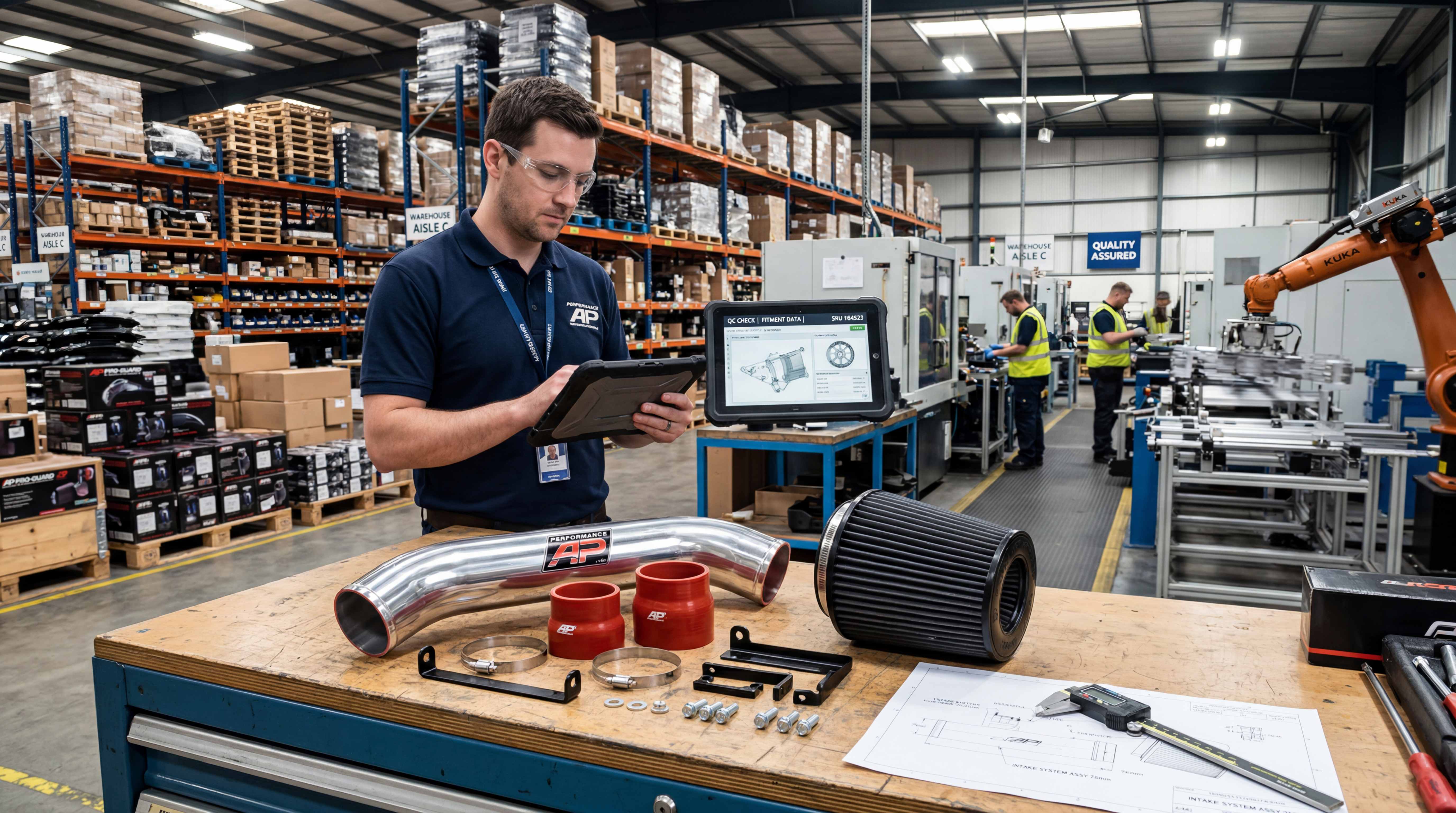
For suppliers in the Metal Pipes & Bending category, the intake pipe is a strong product opportunity because it combines visible value and technical manufacturing. Customers can see the pipe, but the real quality is in the bend consistency, wall thickness, pipe end forming, weld quality, sensor boss placement and surface finish.
Aluminum intake pipes, silicone couplers, clamps, brackets, heat shields and filter adapters can be sold as individual components or complete kits. Universal components serve fabrication shops and DIY users. Vehicle-specific systems serve retail aftermarket brands and distributors. Each market requires a different balance of flexibility and engineering precision.
This is why Intake should not be treated as a narrow accessory category. It is part of a larger airflow component market that includes intake tubes, airbox design, turbo inlet pipe, charge pipe, intercooler piping and performance piping systems. Content that explains these differences can attract both enthusiast traffic and professional B2B buyers.
How to Choose Between the Three Designs

Choosing between a cold air intake, short ram intake and stock airbox begins with the vehicle’s real use case.
For a daily driver in wet, dusty or high-traffic conditions, the stock airbox may remain the most practical option unless the aftermarket intake is well protected. Reliability and filtration may matter more than sound. If the vehicle is mostly stock and already has a good factory airbox, replacement may not be necessary.
For a driver who wants more intake sound, easier installation and a cleaner engine-bay look, a short ram intake may be attractive. The buyer should check whether the system includes a heat shield, stable brackets and proper sensor placement. Without these details, the system may be more cosmetic than functional.
For a driver who wants cooler air and better airflow potential, a cold air intake may be the better choice. The buyer should look for a design that pulls air from a cooler location, manages heat, uses smooth intake pipe geometry and fits without exposing the filter to unnecessary water risk.
For turbocharged or modified vehicles, the intake decision should be connected to the full airflow system. The turbo inlet pipe, charge pipe and intercooler piping may become as important as the filter and airbox. In this case, the intake upgrade should be selected based on power goals, tuning, boost behavior and component reliability.
The smartest choice is the one that matches the whole system. An intake system does not operate alone. It works with the engine, ECU, sensors, turbocharger, throttle body, airbox, filter and piping layout. Understanding that relationship is what separates a real upgrade from a simple parts swap.
Final Perspective: What Really Changes?
When a stock airbox is replaced with a cold air intake or short ram intake, several things may change. The airflow path may become smoother or shorter. The intake temperature may become lower or higher depending on design. The intake sound may become much louder. The engine bay may look more performance-oriented. Maintenance may change from replacing a paper filter to cleaning a reusable filter. Sensor behavior may remain stable or become problematic depending on engineering quality.
The key point is that an aftermarket intake is not automatically better than a stock airbox. It is better only when it solves a real limitation. A cold air intake should provide a cooler and efficient air path. A short ram intake should provide simplicity and sound without excessive heat problems. A stock airbox should not be dismissed because it often provides strong protection, stable airflow and reliable fitment.
For readers, the lesson is to compare intake systems by design, not by marketing terms. For manufacturers and B2B buyers, the lesson is to build and source intake products based on application logic. Pipe diameter, bend quality, airbox design, filter location, sensor stability and heat management all matter.
The best intake system is not necessarily the loudest, largest or most expensive one. It is the one that delivers clean, stable and appropriate engine airflow for the way the vehicle is actually used.
Focused FAQ
What is the main difference between a cold air intake and a short ram intake?
A cold air intake is designed to pull air from a cooler location, often away from the hottest part of the engine bay. A short ram intake uses a shorter and more direct pipe path, usually placing the filter closer to the engine. Cold air intakes focus more on intake temperature, while short ram intakes focus more on simplicity, sound and shorter airflow routing.
Is a stock airbox better than an aftermarket intake?
A stock airbox can be better for reliability, quiet operation, water protection and stable sensor readings. An aftermarket intake can be better when it improves airflow, reduces restriction and manages intake temperature properly. The better choice depends on the vehicle and the quality of the aftermarket intake design.
Does a cold air intake increase horsepower?
A cold air intake can increase horsepower in some applications, but the result depends on airflow restriction, intake temperature, engine control, tuning and the original airbox design. On some stock vehicles, the main difference may be intake sound rather than a large measurable power gain.
Does a short ram intake make more power?
A short ram intake may improve airflow in some cases, especially if the factory intake path is restrictive. However, it may also pull warmer engine-bay air. Its most noticeable benefit is often louder intake sound and simpler installation, not guaranteed horsepower.
Why does intake temperature matter?
Intake temperature matters because cooler air is denser and contains more oxygen. Denser air can support better combustion when the engine can use it properly. However, airflow stability, sensor accuracy and system design are also important, so temperature is only one part of intake performance.
Is intake sound the same as performance?
No. A louder intake may make the vehicle feel more responsive, but sound alone does not prove more power. Intake sound is a real user benefit, but it should be separated from airflow improvement and horsepower claims.
Can an aftermarket intake cause problems?
Yes, if it is poorly designed or installed. Possible problems include rough idle, check engine lights, heat soak, water exposure, loose couplers, unstable sensor readings or poor fitment. A well-engineered intake system should avoid these issues.
Which intake is best for a turbocharged engine?
For a turbocharged engine, the best intake depends on turbo size, tune, heat management and airflow demand. The turbo inlet pipe, charge pipe and intercooler piping may also matter. A good turbo intake setup should reduce restriction while maintaining sealing, sensor stability and heat control.
Is a universal intake kit a good choice?
A universal intake kit can be useful for custom fabrication and DIY projects, but it may require cutting, fitting and careful sensor placement. Vehicle-specific kits usually provide better fitment and installation consistency.
How should B2B buyers evaluate intake products?
B2B buyers should evaluate intake products by material, pipe diameter, bend quality, airbox design, heat shield structure, sensor compatibility, coupler strength, clamp quality, fitment accuracy, packaging and batch consistency. A good intake product should perform reliably, not only look attractive.
#ColdAirIntake #ShortRamIntake #StockAirbox #AftermarketIntake #IntakeUpgrade #EngineAirflow #IntakeTemperature #AirboxDesign #IntakeSound #PerformanceIntake #AutomotiveComponents #MetalPipesAndBending