What Is an Air Intake System? More Than Just a Pipe and Filter
What an Air Intake System Really Does
An air intake system is one of the first systems involved in engine performance, but it is often misunderstood. Many people think of it as a simple part: a filter, a tube and maybe a box. In reality, an air intake system is a controlled airflow pathway. It decides how outside air enters the engine, how clean that air is, how smoothly it travels, how accurately it is measured and how stable it remains before combustion.
Every internal combustion engine needs air. Fuel alone cannot create power. The engine must receive oxygen so that fuel can burn efficiently inside the cylinders. The intake system is responsible for delivering that air in a way that supports combustion, drivability and long-term durability. If the airflow is restricted, unstable, too hot, contaminated or incorrectly measured, the engine may lose power, respond poorly, consume more fuel or experience reliability problems.
That is why intake system design should never be treated as a cosmetic upgrade only. A visible intake tube may look simple, but behind it are many engineering decisions: pipe diameter, bend radius, filter position, airbox sealing, sensor location, surface finish, connection method, vibration resistance and thermal exposure. For manufacturers, distributors and technical buyers, these details determine whether an intake product is just a part that fits or a system that performs.
In the broader category of Metal Pipes & Bending, the intake pipe is especially important. It is not only a metal tube that connects two points. It must guide airflow through limited engine-bay space while avoiding unnecessary turbulence, heat exposure and installation interference. A well-designed intake pipe supports a cleaner airflow path. A poorly designed one can create restrictions, leaks, unstable sensor readings or poor fitment.
The Intake System Is a Path, Not a Single Product

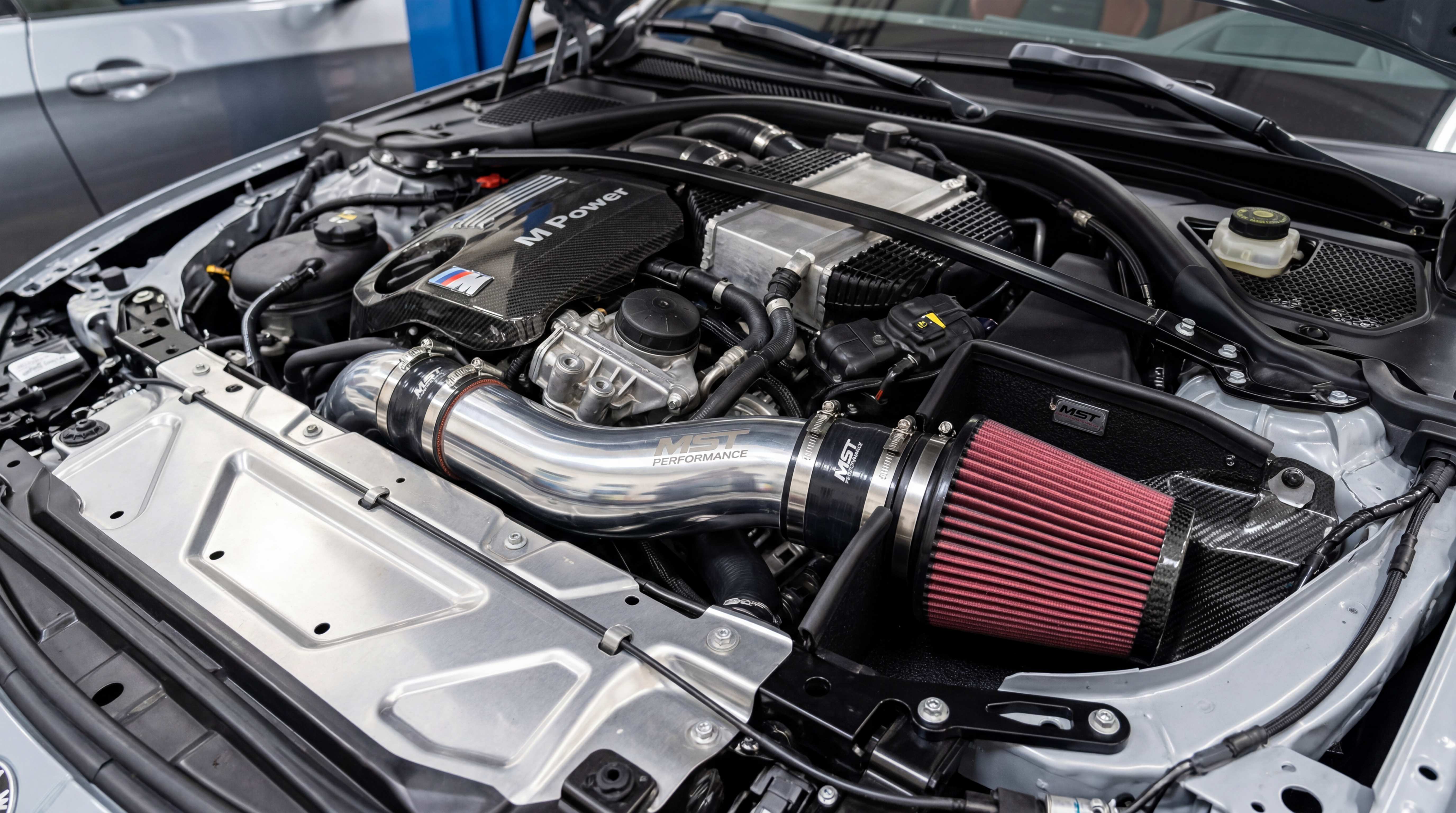
To understand the value of an air intake system, it helps to see it as a path. Air enters from outside the vehicle, passes through a filter, moves through an intake tube or air duct, may pass by a mass airflow sensor, then reaches the throttle body, turbocharger or intake manifold depending on the engine layout. Each section affects the next.
If the air filter is too restrictive, the pipe behind it cannot solve the problem. If the intake pipe has sharp bends, a large filter alone cannot guarantee stable flow. If the airbox is poorly sealed, the system may pull hot engine-bay air instead of cooler outside air. If the sensor position is wrong, the engine control unit may receive inaccurate airflow data. This is why intake system design requires a complete view.
A basic naturally aspirated engine may use an air filter housing, a plastic intake tube and a throttle body intake connection. A turbocharged engine may include a turbo inlet pipe, compressor outlet pipe, intercooler piping and charge pipe. A performance build may replace some factory components with aluminum intake pipe, silicone intake hose, high-flow filter or enclosed cold air intake system. Each configuration has different airflow demands.
From an industry perspective, the most important idea is this: the intake system is not judged by one component alone. It is judged by how well all engine intake components work together. A strong supplier or technical content platform should explain the full system instead of only promoting one shiny pipe or one oversized filter.
Main Components of an Air Intake System
A typical air intake system includes several core parts. The exact layout depends on the vehicle, engine type and performance target, but the functional logic is similar.
The first component is usually the air filter. Its job is to remove dust, sand, debris and other particles before air enters the engine. Filtration is essential because even small particles can damage internal engine surfaces over time. A performance filter may allow more airflow than a standard paper filter, but it must still provide reliable filtration. More flow is not useful if it comes at the cost of poor engine protection.
The second component is the air filter housing or airbox. The air filter housing holds the filter in place and helps control where the air comes from. Factory airboxes are often designed to reduce noise, protect the filter from heat and water, and pull air from a more stable location. In aftermarket intake discussions, people often focus on open filters, but a well-designed airbox can be valuable because it separates the intake air from engine-bay heat.
The third component is the intake pipe or intake tube. This is the visible airflow channel that connects the filter area to the engine side. The intake pipe may be plastic, rubber, aluminum, stainless steel, silicone or carbon fiber. In performance and fabrication markets, aluminum intake pipes are common because they are lightweight, formable and suitable for mandrel bending. The shape of the intake tube affects airflow smoothness, fitment and installation stability.
The fourth component is the sensor area. Many modern vehicles use a mass airflow sensor or manifold pressure-based control logic. When an MAF sensor is used, its position inside the intake system is critical. Turbulence near the sensor can affect readings. Incorrect pipe diameter around the sensor can also change the airflow signal. This is one reason vehicle-specific intake kits require more engineering than universal pipes.
The fifth component is the throttle body intake connection or turbo inlet connection. On a naturally aspirated engine, the intake tube usually leads to the throttle body. On a turbocharged engine, the intake route may lead to the turbo inlet pipe before compressed air continues through the charge system. This difference changes the pressure, temperature and sealing requirements of the intake path.
Why Airflow Is More Complex Than “More Air Is Better”

A common misunderstanding is that intake performance simply means allowing more air. In reality, the engine needs the right amount of air, delivered smoothly, measured correctly and matched to fuel and control strategy. More air is only useful when the engine can actually use it.
If an intake pipe is too narrow, it can restrict airflow at high engine speed. If it is too large, it may reduce air velocity in some conditions and affect response. If the bends are too sharp, airflow may separate from the pipe wall and create turbulence. If the pipe surface or joint transitions are poor, the airflow path may lose efficiency. Intake design is always a balance between flow volume, velocity, packaging and control accuracy.
This is why intake pipe diameter matters. A larger tube can support more flow potential, but it is not automatically better. A smaller tube may maintain air velocity but become restrictive under higher demand. The correct diameter depends on engine displacement, RPM range, boost level, throttle body size, turbocharger size and target power. For B2B buyers, this means intake pipe products should be evaluated by application, not only by outer diameter or appearance.
Bend design is equally important. In Metal Pipes & Bending applications, a smooth mandrel bend is often preferred because it helps maintain a consistent internal diameter through the bend. A crushed or poorly formed bend may reduce cross-section area and disturb flow. In a compact engine bay, bends are unavoidable, but the quality of the bend can separate a professional intake component from a low-cost generic tube.
Cold Air Intake: What the Term Actually Means

A cold air intake is one of the most searched intake products, but the term is often used loosely. In principle, a cold air intake is designed to draw cooler air from outside the hottest part of the engine bay. Cooler air is denser, which means it contains more oxygen per unit volume. In theory, this can support better combustion and improved performance when the engine management system and overall setup can use the additional air effectively.
However, not every product marketed as a cold air intake truly delivers cold air in all conditions. Some open-filter systems sit inside the engine bay with limited heat shielding. When the vehicle is moving, airflow may help reduce intake temperature. When the vehicle is idling or moving slowly, heat soak can raise the temperature around the filter. This is why airbox design, filter location and heat shield quality matter.
A cold air intake should not be judged only by whether it has a cone filter. It should be judged by where it pulls air from, how it manages heat, how stable the intake temperature is and whether the pipe design supports smooth airflow. A sealed or semi-sealed airbox may sometimes perform better than an exposed open filter in real-world driving conditions, especially in hot engine bays or slow-speed traffic.
For content planning, this topic has strong SEO value because users often search whether a cold air intake is worth it. But a professional article should avoid exaggerated claims. The better angle is to explain when a cold air intake can help, when it may mainly change sound and when the factory airbox may already be well optimized.
Intake Pipe Materials and Their Practical Trade-Offs
The material of an intake pipe affects appearance, cost, durability, heat behavior, manufacturing process and installation experience. There is no single best material for every application. The right choice depends on the vehicle, engine layout, performance goal and market positioning.
Plastic intake tubes are common in factory systems. They are lightweight, cost-effective, corrosion-resistant and often good at reducing heat transfer. They can also be molded into complex shapes with integrated resonators, mounting points and sensor bosses. However, plastic may become brittle over long service life, especially in high-heat environments. For aftermarket markets, plastic may also be less attractive visually than metal or carbon fiber.
Aluminum intake pipes are widely used in performance and fabrication markets. Aluminum is lightweight, can be mandrel bent, can be welded and can be finished by polishing, brushing, anodizing or powder coating. It gives a performance appearance and is suitable for custom intake pipe fabrication. The trade-off is that metal conducts heat more easily than plastic or silicone, so placement and heat management become important.
Silicone intake hoses are flexible, vibration-resistant and useful where movement or tight fitment is expected. Silicone couplers are also widely used to connect aluminum pipes, throttle bodies, turbo inlets and charge pipes. For turbocharged applications, multi-layer reinforced silicone hoses can handle pressure and temperature demands. However, silicone is not always used as the main long straight pipe because it may need reinforcement and proper clamping support.
Carbon fiber intake tubes are usually positioned as premium components. They are lightweight and visually attractive, and they may offer lower heat transfer than metal in some designs. But cost is much higher, and production consistency requires more specialized capability. For most B2B intake component buyers, aluminum and silicone remain more practical for broad aftermarket distribution.
Intake System Design for Naturally Aspirated Engines
Naturally aspirated engines rely on atmospheric pressure and engine vacuum to draw air into the cylinders. Because there is no turbocharger forcing air into the engine, the intake path must support smooth and predictable airflow. The throttle body intake connection is especially important because it controls how air enters the intake manifold.
For these engines, intake design often focuses on reducing restriction before the throttle body, maintaining stable sensor readings and managing intake temperature. A performance intake may use a smoother intake tube, a less restrictive filter and a more direct air path. But the improvement depends heavily on whether the factory system was restrictive in the first place.
Factory intake systems are often more advanced than many people assume. Automakers must balance performance, noise control, emissions, water protection, cost and service life. This means the stock airbox is not automatically bad. In some cases, replacing it with an open filter may increase intake sound but provide little measurable performance gain. In other cases, a well-engineered intake system can reduce restriction and improve throttle response.
For content aimed at international readers, this is a good place to build credibility. Instead of saying “aftermarket intake is always better,” explain the conditions. A naturally aspirated engine may benefit from an intake upgrade when the original system is restrictive, the engine has other modifications or the new system improves airflow without creating heat or sensor problems.
Intake System Design for Turbocharged Engines
Turbocharged engines make intake design more complex. In a turbo system, the air path includes both low-pressure and pressurized sections. Before the turbocharger, air enters through the filter and intake tube into the turbo inlet pipe. After the compressor, the air becomes pressurized and hotter, then moves through intercooler piping and usually through a charge pipe before reaching the throttle body.
This layout creates different requirements. The turbo inlet pipe must provide enough airflow to the compressor without collapsing, leaking or creating unnecessary restriction. The charge pipe and intercooler piping must handle boost pressure, temperature changes and engine movement. Couplers, clamps and bead-rolled pipe ends become critical because a loose connection can cause a boost leak.
In turbocharged applications, the intake pipe is not only a flow component. It is also part of a pressure and sealing system. A small leak may reduce boost response, trigger error codes or create inconsistent performance. A weak plastic charge pipe may crack under pressure or age-related stress. A poorly clamped silicone coupler may slip off during boost. These are common reasons why turbo intake and charge pipe upgrades are popular in performance markets.
This is where the Intake category becomes strongly connected to Metal Pipes & Bending. Turbo piping requires accurate bends, consistent diameters, proper welding, reliable bead rolling and correct coupler matching. A supplier that understands turbo inlet pipe and charge pipe requirements can serve more than casual consumers. It can serve performance brands, repair channels, distributors and custom fabrication shops.
The Role of Sensors in Intake System Performance
Modern intake systems are not purely mechanical. They are connected to engine control. Airflow data helps the ECU decide how much fuel to inject and how to manage combustion. This is why sensor placement is a serious design issue.
If the intake system uses a mass airflow sensor, the pipe section around the sensor must be carefully designed. The sensor expects a certain airflow profile. If the pipe diameter changes too much, if the sensor is placed too close to a bend, or if turbulence is created before the sensor, readings may become unstable. The engine may then run too rich, too lean or inconsistently.
This is one of the major differences between a universal intake tube and a vehicle-specific intake system. A universal pipe may physically connect the components, but it may not place the sensor in an ideal position. A vehicle-specific intake kit is usually designed around sensor mounting, pipe diameter, bracket points and engine-bay layout. That engineering work is part of the product value.
For B2B buyers, sensor compatibility should be part of intake product evaluation. It is not enough to ask whether an intake pipe fits the engine bay. The better question is whether it preserves correct airflow measurement and stable vehicle behavior after installation.
Fitment, Mounting and Vibration Resistance
A good intake system must fit correctly. Fitment is not only about whether the pipe can be installed. It includes clearance from heat sources, distance from moving parts, bracket alignment, coupler engagement, hood clearance, sensor wiring reach and service access.
An intake tube that touches other components may create noise, wear marks or vibration damage. A pipe that sits too close to the exhaust manifold may absorb more heat. A filter placed too low may face water risk. A coupler that barely covers the pipe end may loosen over time. A bracket that does not align properly may place stress on the pipe or connected components.
This is why mounting design is important. Intake systems experience engine movement, road vibration and thermal expansion. Flexible couplers and stable brackets help absorb movement. Bead-rolled pipe ends help prevent couplers from slipping. Proper clamp selection improves sealing without damaging the hose or pipe.
From a manufacturing perspective, fitment quality is one of the most important signs of professionalism. A product that looks good in photos but requires cutting, bending, forcing or improvisation during installation will create customer complaints. For distributors and aftermarket brands, poor fitment increases return rates and damages trust.
How Intake Components Influence Sound and Driving Feel
Many drivers notice intake upgrades because of sound. An open filter or less restrictive intake tube can make induction noise more obvious. Turbocharged vehicles may produce louder spool sounds or bypass valve sounds. This does not always mean large horsepower gains, but it does affect perceived driving experience.
Sound is part of the market appeal of cold air intake and performance intake products. However, sound should not be confused with engineering performance. A louder intake may feel more responsive because the driver hears airflow more clearly. In some cases, improved airflow may support actual performance gains. In other cases, the main change is acoustic.
Professional content should explain this distinction clearly. Users appreciate honest guidance. A high-quality intake system can improve sound, appearance, serviceability and airflow potential, but the result depends on the vehicle and system design. When a blog explains these trade-offs, it builds more trust than a simple claim that every intake upgrade adds power.
For industrial and B2B readers, this also shows why product positioning matters. Some intake products are sold for performance. Others are sold for replacement, durability, appearance, sound, easier maintenance or fabrication flexibility. Understanding the buyer’s real motivation helps manufacturers design better product lines.
What Makes a High-Quality Intake Pipe?

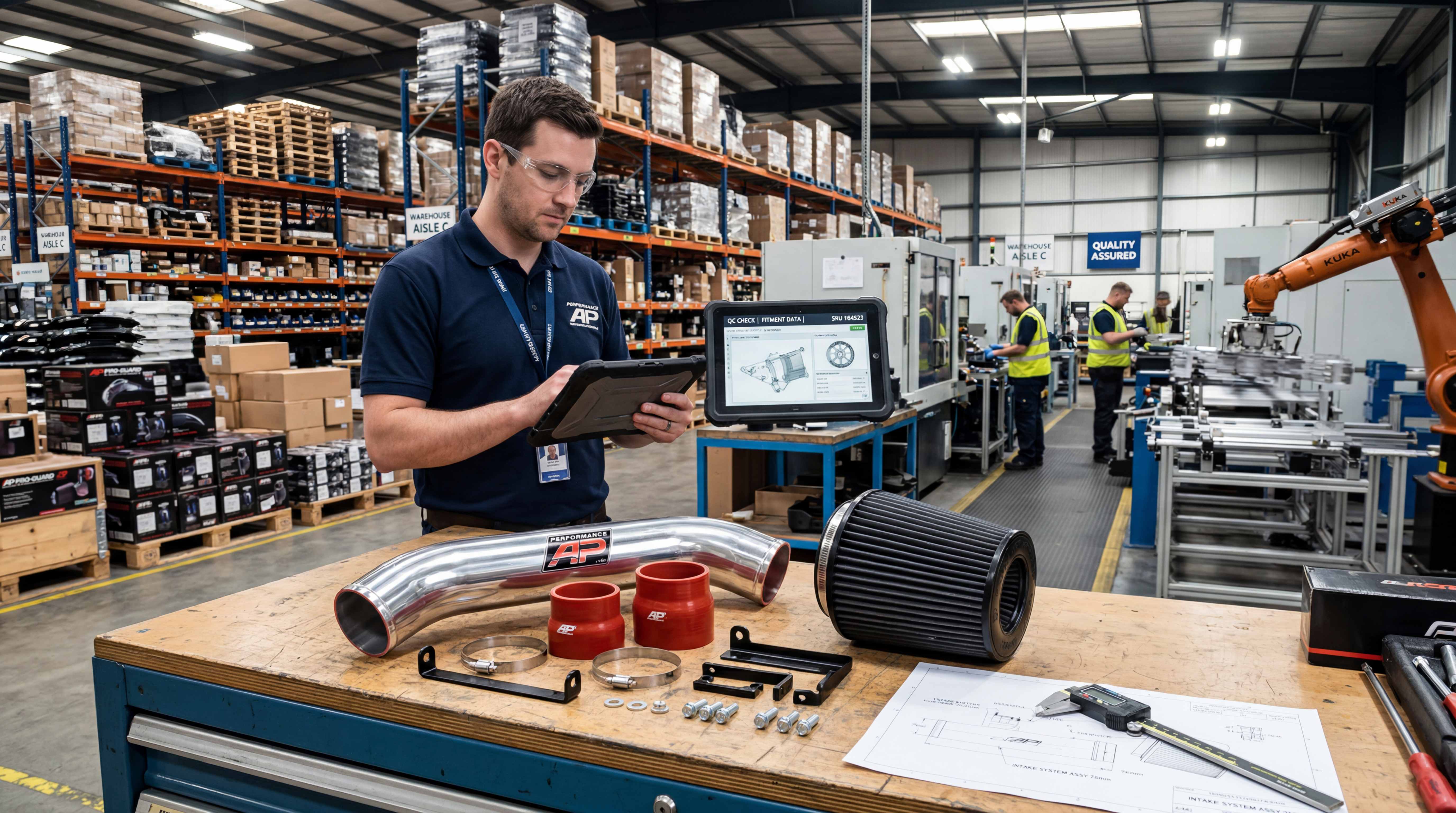
A high-quality intake pipe should be judged by several technical and practical factors. The first is dimensional accuracy. The pipe must match the required diameter, bend angle and connection length. Small deviations can affect fitment and sealing.
The second factor is bend quality. Mandrel-bent tubing maintains a smoother internal profile through the bend. Poor bending may flatten the pipe and reduce airflow area. In an intake system, the inside of the pipe matters as much as the outside appearance.
The third factor is connection quality. Pipe ends should be shaped for reliable coupler retention. Bead-rolled ends are common in performance piping because they help prevent hoses from slipping off under pressure or vibration. Welded sensor bungs, brackets and adapters should be clean, consistent and properly positioned.
The fourth factor is surface finish. For aluminum intake pipe products, finish may include raw aluminum, polished finish, brushed finish, anodizing or powder coating. The surface finish affects appearance, corrosion resistance and brand positioning. In B2C markets, appearance can influence purchase decisions. In B2B markets, finish consistency affects perceived quality.
The fifth factor is system compatibility. A pipe that is well made but poorly matched to the engine layout is still not a successful product. Intake pipe design must consider filters, sensors, couplers, clamps, brackets, airbox position and service access.
Why Intake System Design Matters for B2B Buyers
For B2B buyers, intake components are more than car accessories. They are part of a product category involving manufacturing quality, specification control, supply reliability and market positioning. A distributor, performance brand or repair parts buyer needs to know whether the intake pipe, silicone hose or charge pipe can be supplied consistently over time.
Key purchasing questions may include: What material is used? What is the wall thickness? Are bends consistent? Are pipe ends bead rolled? Are brackets included? Is the sensor mount accurate? What surface finishes are available? Are silicone couplers reinforced? Are clamps included? Is the product universal or vehicle-specific? What is the packaging format? Can private labeling be supported?
This is why the Intake category has strong potential for an Industrial Components blog. It connects real user interest with manufacturing depth. Consumers search for horsepower, sound and fitment. Professional buyers search for material, durability, specification and supplier capability. A strong content strategy should serve both groups.
Instead of writing only “best cold air intake” articles, the category should include technical guides about intake pipe diameter, material selection, turbo piping design, heat management, common failures and B2B sourcing. This creates a deeper knowledge base and makes the website more credible.
Intake System Design Is a Balance of Engineering Decisions
The most important lesson is that intake system design is always a balance. More airflow is valuable only when it is controlled. Cooler air is helpful only when the system actually draws cooler air. A large pipe is useful only when it matches the engine’s demand. A premium material matters only when it supports the application. A good-looking intake tube still needs reliable fitment and sensor stability.
An air intake system works best when filtration, airflow, temperature, measurement and mechanical reliability are considered together. That is why the intake pipe is more than a tube, the airbox is more than a cover and the filter is more than a replaceable element. They are connected parts of one airflow system.
For readers, this understanding helps them evaluate intake upgrades more realistically. For manufacturers and suppliers, it highlights where product value is created: in design details, material choices, bending quality, connection reliability and application knowledge.
As the Intake category grows, the most useful content will not be generic product promotion. It will be content that explains how intake components work, why certain designs succeed and what buyers should look for before choosing a product. That is the level of industry knowledge that turns a simple category into a trusted technical resource.
Focused FAQ
What is an air intake system?
An air intake system is the complete path that brings outside air into the engine. It usually includes the air filter, air filter housing, intake pipe, intake tube, sensors, couplers and the connection to the throttle body or turbocharger. Its purpose is to deliver clean, stable and properly measured air for combustion.
Is an intake pipe the same as an intake tube?
In many markets, intake pipe and intake tube are used almost interchangeably. Both refer to the duct or pipe that carries air from the filter area toward the engine. In manufacturing and fabrication contexts, intake pipe often emphasizes metal tubing, bending and connection quality.
Does a cold air intake always improve performance?
No. A cold air intake may improve airflow and intake sound, but performance gains depend on vehicle design, air temperature, pipe layout, ECU control and whether the original intake system was restrictive. In some vehicles, the main change may be sound rather than measurable horsepower.
Why does intake pipe diameter matter?
Intake pipe diameter affects airflow volume, air velocity and pressure loss. A pipe that is too small may restrict airflow at high demand. A pipe that is too large may reduce velocity or affect sensor behavior in some applications. The correct size depends on engine and system requirements.
What material is best for an intake pipe?
There is no single best material for every intake pipe. Aluminum is common for performance and fabrication. Plastic is common in OEM systems. Silicone is useful for flexibility and vibration resistance. Carbon fiber is usually used for premium applications. The best choice depends on heat, cost, fitment and application needs.
What is a turbo inlet pipe?
A turbo inlet pipe carries air from the intake side into the turbocharger compressor inlet. It must provide smooth airflow and reliable sealing before the turbo compresses the air. In performance applications, upgrading the turbo inlet pipe may reduce restriction and support better airflow demand.
What is a charge pipe?
A charge pipe is part of the pressurized air path in a turbocharged engine. It usually carries compressed air from the intercooler area toward the throttle body or intake manifold. Charge pipes must handle boost pressure, heat and vibration, so material and connection quality are important.
Why is sensor placement important in intake system design?
Sensor placement is important because modern engines rely on airflow or pressure data to control fuel and combustion. If an intake system creates turbulence near the sensor or changes the sensor housing diameter incorrectly, the engine may receive inaccurate data and run poorly.
Are universal intake pipe kits good?
Universal intake pipe kits can be useful for DIY projects, custom fabrication and repair shops. However, they may require cutting, fitting and adjustment. Vehicle-specific intake kits usually offer better fitment, sensor placement and installation consistency.
What should B2B buyers check when sourcing intake components?
B2B buyers should check material, pipe diameter, bend quality, wall thickness, surface finish, sensor compatibility, coupler quality, clamp type, packaging, batch consistency and supplier support. For turbo applications, bead-rolled ends and pressure-resistant connections are especially important.
#AirIntakeSystem #IntakePipe #ColdAirIntake #IntakeTube #EngineAirflow #TurboInletPipe #ChargePipe #MetalPipesAndBending #AutomotiveComponents #PerformancePiping #AirflowDesign #EngineIntakeComponents