上传

RJXA's Christmas approaches, it's time to refresh your fashion collections! Explore our high-quality lace, perfect for festive attire. Inquire now to enjoy holiday specials!

Member Center
Exit
Data is empty
0
qr Code Url

Scan the QR code to visit the mobile website

  • Home
  • Industrial
  • Renewable
  • Building & Home
  • Water Treatment
  • Automation
  • Kitchen
Home -News -Industrial Components -
Trailer & Towing Parts
-
Application-based trailer lighting priorities for utility, marine, flatbed equipment, and agricultural livestock trailer families
2026-04-21

How to Build a Smarter Trailer Lighting Product Line Why Different Trailer Applications Need Different Lighting Logic

Learn how to build a smarter trailer lighting product line by matching utility, marine, flatbed, agricultural, and commercial trailer applications with the right lighting architecture, durability level, and system components.
Learn more
Corroded trailer connector socket with visible moisture damage and oxidized contacts showing gradual electrical system degradation
2026-04-21

Corrosion, Moisture, and Connectors: Why Trailer Lighting Systems Usually Degrade Long Before They Actually Fail

Most trailer lighting systems do not fail all at once. They weaken gradually through moisture intrusion, connector corrosion, rising resistance, unstable grounding, and incomplete sealing. This article explains how trailer lighting degradation really happens, why connectors often fail before lamps do, and why serious buyers should evaluate corrosion protection as a full-system design issue rather than a single-product feature.
Learn more
Traditional trailer signal lighting provides visibility to others but does not improve reverse visibility for the driver in low-light conditions
2026-04-20

Trailer Back-Up Lights Are No Longer Just an Accessory Why Reverse Visibility Is Becoming a Real Safety Upgrade

Learn why trailer back-up lights are becoming a serious safety upgrade rather than a simple accessory. Discover how reverse visibility affects loading, yard movement, night towing, and commercial trailer safety.
Learn more
Wireless magnetic trailer lights used on a farm trailer for occasional, borrowed, rented, or temporary towing situations
2026-04-20

Are Wireless Magnetic Trailer Lights Worth It? The Right Answer Depends on Whether You Need a Temporary Fix or a Real Lighting Strategy

Wireless magnetic trailer lights are often marketed as an easy answer for every trailer lighting need, but convenience and long-term dependability are not the same thing. In some situations, they are an excellent temporary solution. In others, they create false confidence and limited durability. This article explains when wireless magnetic trailer lights make sense, when a wired system is still the better choice, and how serious buyers should evaluate the difference.
Learn more
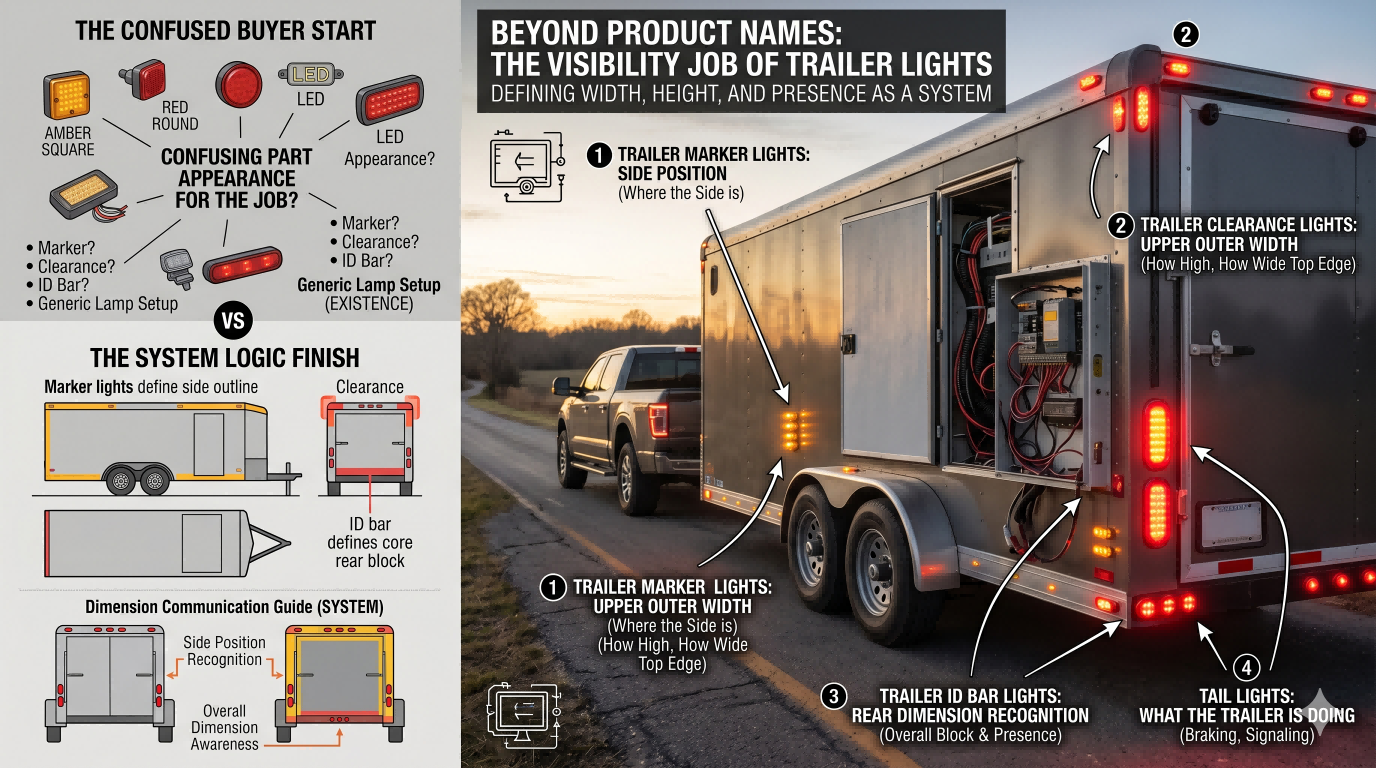
Trailer light system overview explaining the different visibility roles of marker lights, clearance lights, ID bar lights, and tail lights
2026-04-20

Marker Lights, Clearance Lights, and ID Bar Lights Explained: Why Trailer Visibility Depends on More Than Tail Lights

Many buyers treat marker lights, clearance lights, and ID bar lights as interchangeable parts, but each one serves a different visibility purpose. The real difference is not just shape or mounting style. It is about how the trailer communicates width, edge position, rear profile, and road presence. This article explains the role of each light type and why a smarter trailer lighting system depends on function-first selection rather than part-by-part replacement.
Learn more
Dim and flickering trailer light caused by hidden wiring faults such as unstable grounding, corroded connectors, damaged harnesses, and weak splices
2026-04-20

Why Trailer Lights Go Dim, Flicker, or Fail Completely: The Wiring Mistakes Behind Most Lighting Problems

Many trailer lighting failures are blamed on the lamp, but the real problem usually starts in the wiring. Dim tail lights, flickering brake lamps, weak turn signals, and total lighting failure are often caused by grounding mistakes, corroded connectors, poor splices, damaged harness routing, or overloaded circuits. This article explains the wiring mistakes behind the most common trailer lighting problems and why system-level troubleshooting matters more than random part replacement.
Learn more
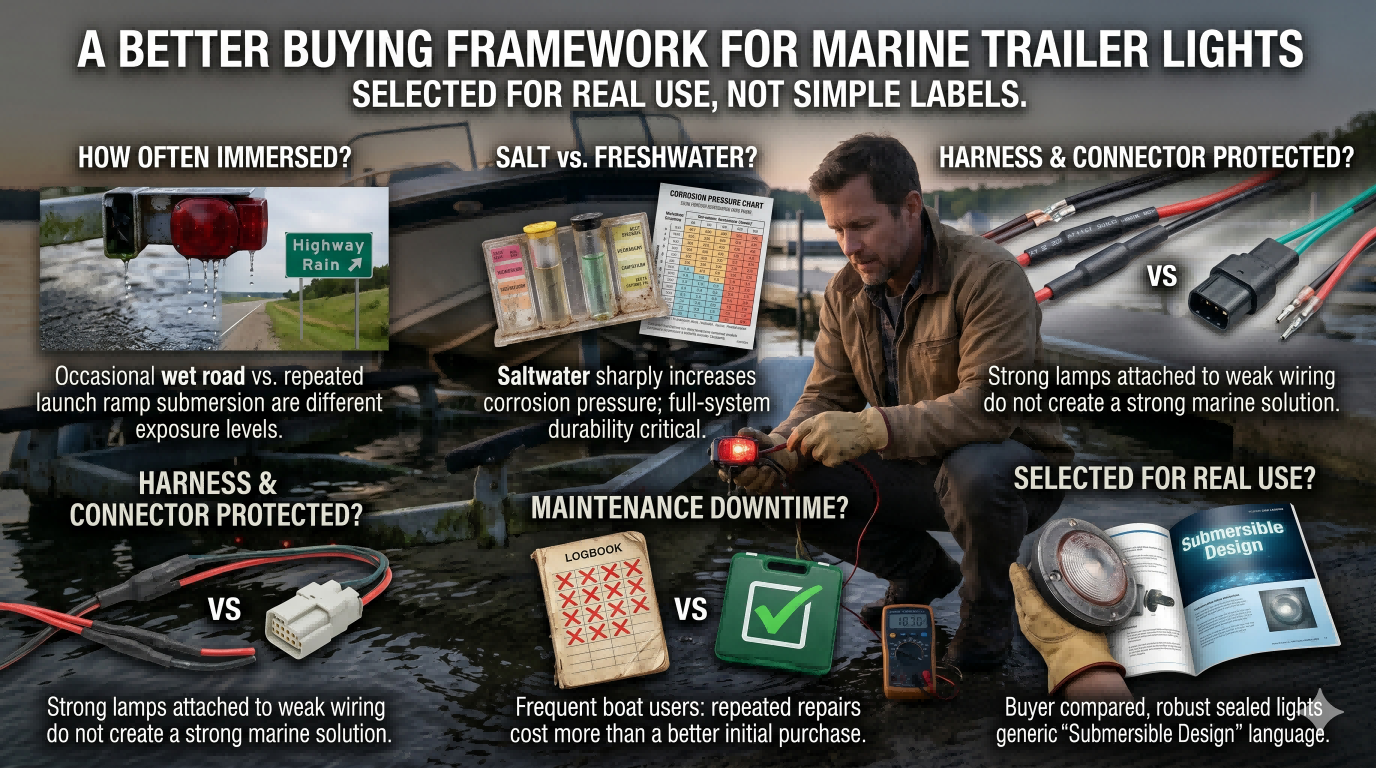
Boat trailer at a launch ramp illustrating why buyers should ask how the trailer is used rather than only whether the lights are waterproof
2026-04-20

Waterproof Is Not the Same as Submersible What Boat Trailer Buyers Often Get Wrong About Marine Trailer Lights

Many buyers assume waterproof trailer lights are good enough for every boat trailer, but repeated launch ramp use demands more than basic splash resistance. The real decision is not just about whether water can touch the light. It is about immersion frequency, corrosion exposure, connector protection, harness sealing, and long-term service reliability. This article explains why waterproof and submersible are not interchangeable terms in marine trailer lighting.
Learn more
Comparison of narrow and wide trailers on the road showing how trailer width changes rear lighting configuration and visibility strategy
2026-04-20

Under 80 Inches vs Over 80 Inches Trailer Lights: How Width Changes Configuration, Visibility, and Product Selection

Many buyers think trailer lights are selected by style or brightness alone, but trailer width changes the entire lighting logic. Under 80 inch and over 80 inch trailers often require different visibility strategies, lamp layouts, and product combinations. This article explains how width affects trailer light configuration, why marker, clearance, and identification lights matter, and how buyers can choose a more suitable trailer lighting system for real-world applications.
Learn more
Lifecycle cost comparison between incandescent and LED trailer lights showing lower long-term service cost for LED systems
2026-04-20

LED vs Incandescent Trailer Lights: The Real Buying Decision Is About Reliability, Cost, and Application

Many buyers compare LED and incandescent trailer lights by brightness alone, but the real difference goes much deeper. Durability, power draw, vibration resistance, moisture protection, maintenance frequency, and total lifecycle cost often matter more than initial appearance. This article explains how to choose the right trailer lighting technology based on real-world application rather than assumptions.
Learn more
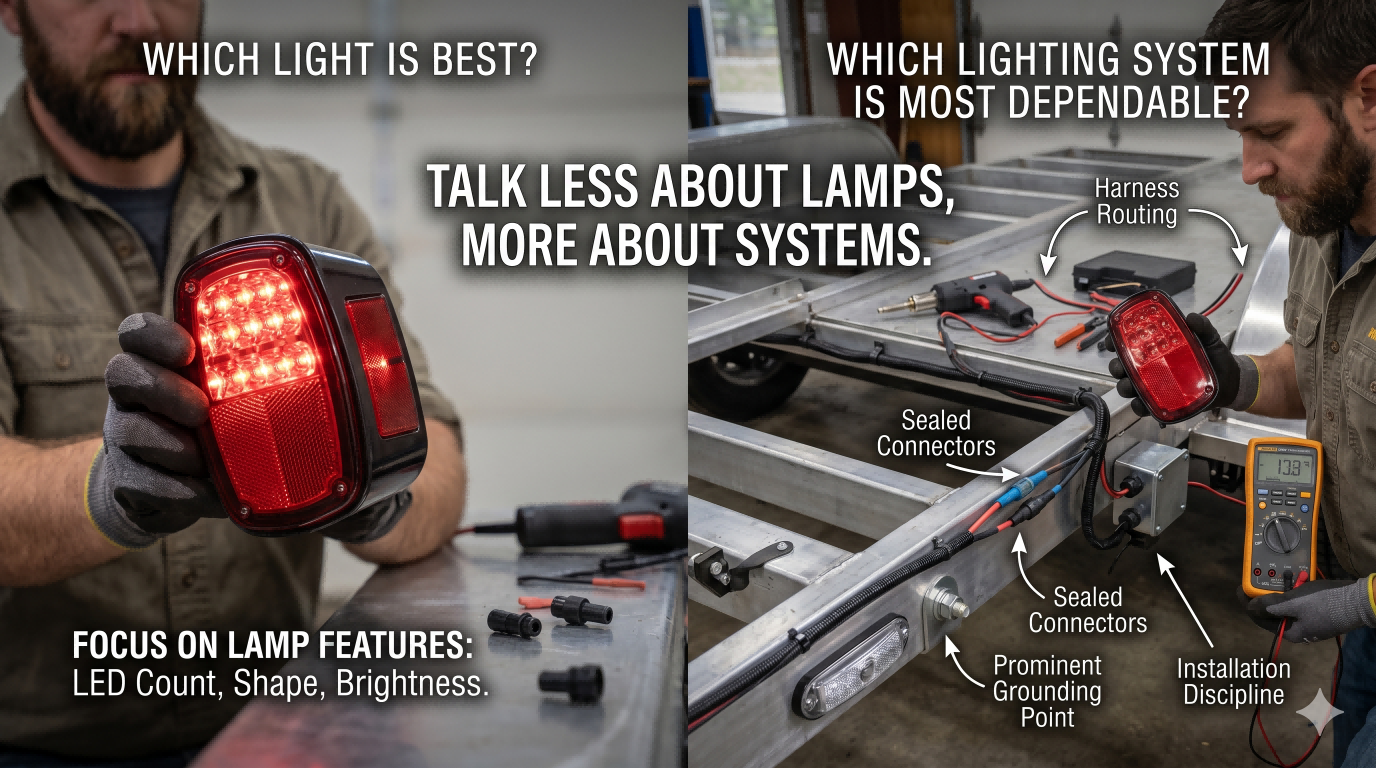
Comparison between a trailer lamp and a complete trailer lighting system with harness routing, sealed connectors, and grounding points
2026-04-20

Why Trailer Lights Fail More Often Than Buyers Expect The Real Problem Is Usually Not the Light Itself

Many buyers assume a failed trailer light means a poor-quality lamp. In reality, most trailer lighting failures begin elsewhere—in the ground circuit, wiring harness, connector, moisture intrusion, vibration, or installation method. This article explains why trailer lights fail more often than expected and why a system-level view is essential for selecting, maintaining, and upgrading reliable trailer lighting solutions.
Learn more
{当前产品的产品关键词轮巡使用}
2026-04-17

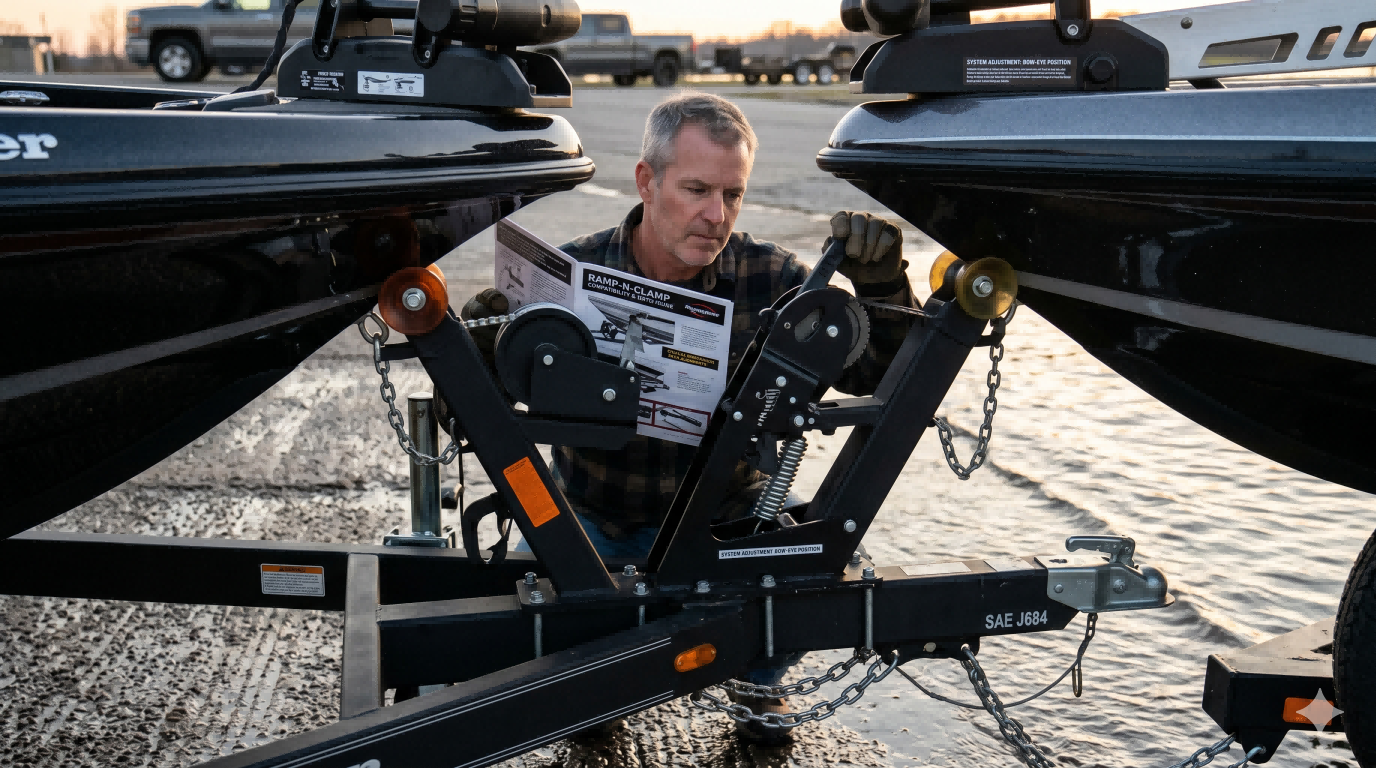
Ramp-N-Clamp Compatibility, Setup, and Troubleshooting: What Buyers Need to Understand First

This blog explains what buyers should understand before choosing and installing a Ramp-N-Clamp style system. It covers compatibility logic, boat trailer clamp setup, alignment and adjustment priorities, and the most common troubleshooting issues that affect retrieval performance, loading consistency, and overall ramp confidence.
Learn more
{当前产品的产品关键词轮巡使用}
2026-04-17

Ramp-N-Clamp Explained: How Boat Trailer Clamp Systems Change Loading and Launching

This blog explains how a boat trailer clamp system changes the real workflow of loading and launching at the ramp. It explores the practical value of an automatic boat latch, why it matters for single-operator retrieval, and how the right boat trailer loading system can improve control, efficiency, and day-to-day confidence without being mistaken for a universal fix.
Learn more
{当前产品的产品关键词轮巡使用}
2026-04-17

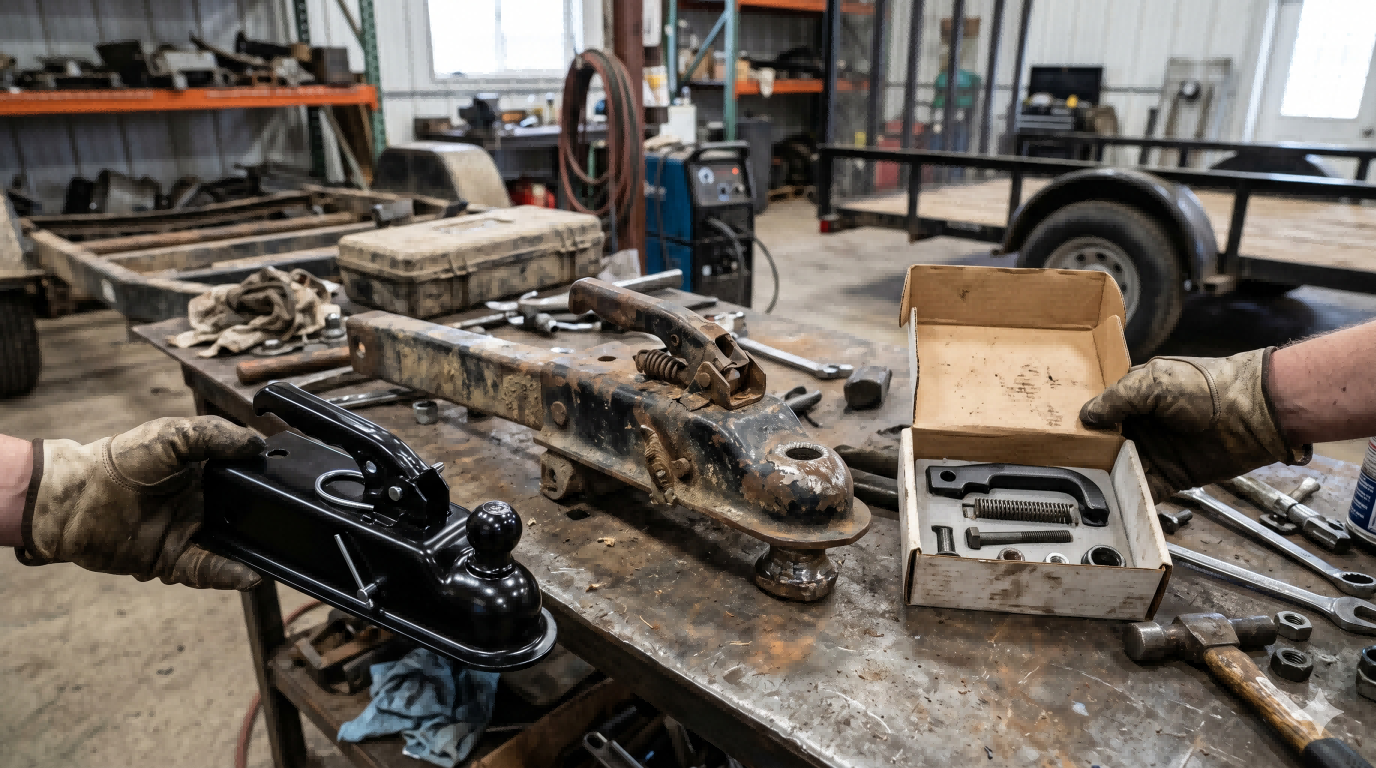
When a Coupler Repair Kit Makes Sense—and When Full Replacement Is the Smarter Choice

This blog explains when a coupler repair kit makes practical and economic sense, and when full trailer coupler replacement is the safer long-term decision. It helps buyers understand the difference between repairable wear, structural decline, latch-related issues, and the broader towing risks that come from waiting too long to rebuild or replace a worn coupler.
Learn more
{当前产品的产品关键词轮巡使用}
2026-04-17

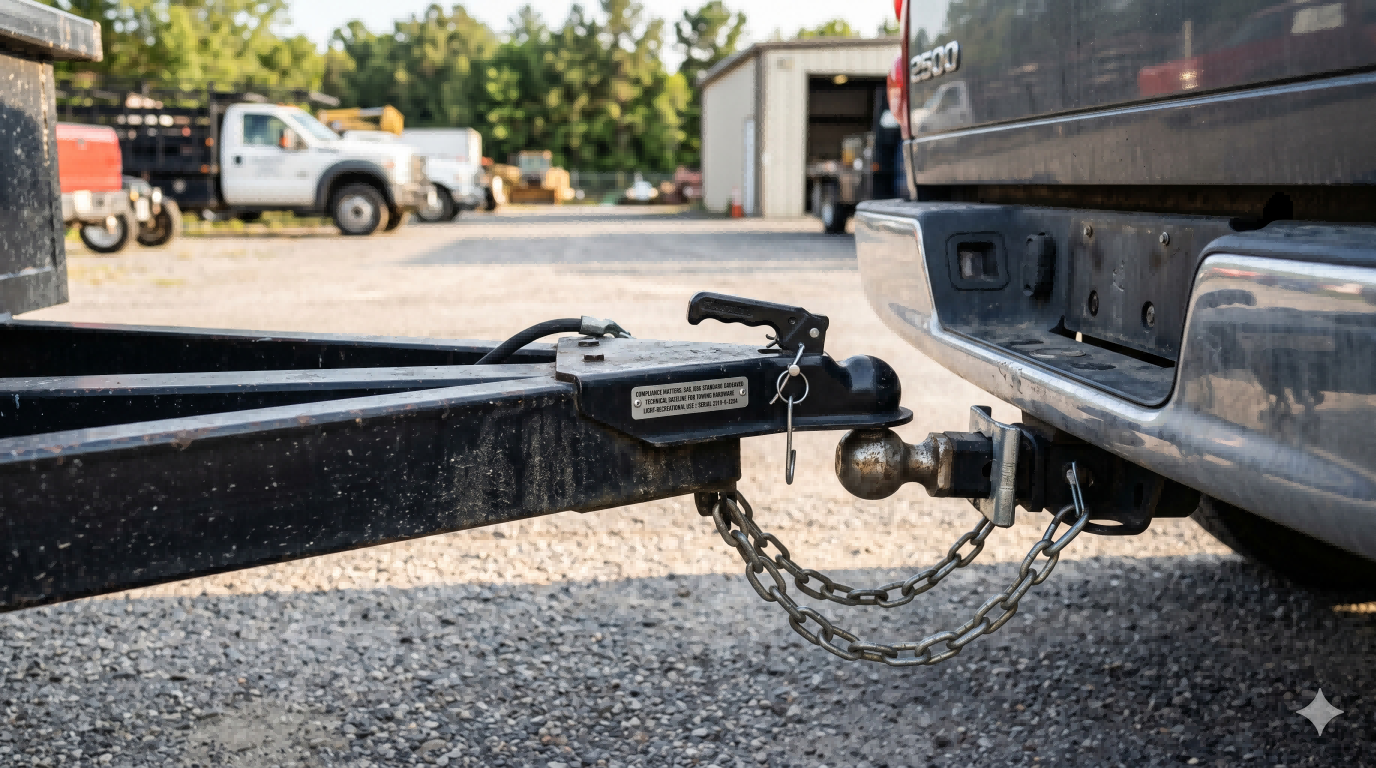
What SAE J684 Means for Trailer Couplers, Latches, and Clamp Safety

This blog explains what SAE J684 means in practical towing terms and why it matters for trailer couplers, latch systems, and clamp-related connection safety. It helps buyers understand the value of compliance, the limits of standards, and the difference between rated hardware and real-world towing discipline.
Learn more
coupler locking mechanism
2026-04-16

Automatic Coupler Latch vs Manual Latch: What Actually Improves Trailer Safety?

This blog compares automatic coupler latch and manual latch systems from a real towing safety perspective. It explains how each trailer coupler latch works, where each design helps or falls short, and why true trailer safety depends not only on latch type but also on correct hookup discipline, inspection habits, and application fit.
Learn more
{当前产品的产品关键词轮巡使用}
2026-04-16

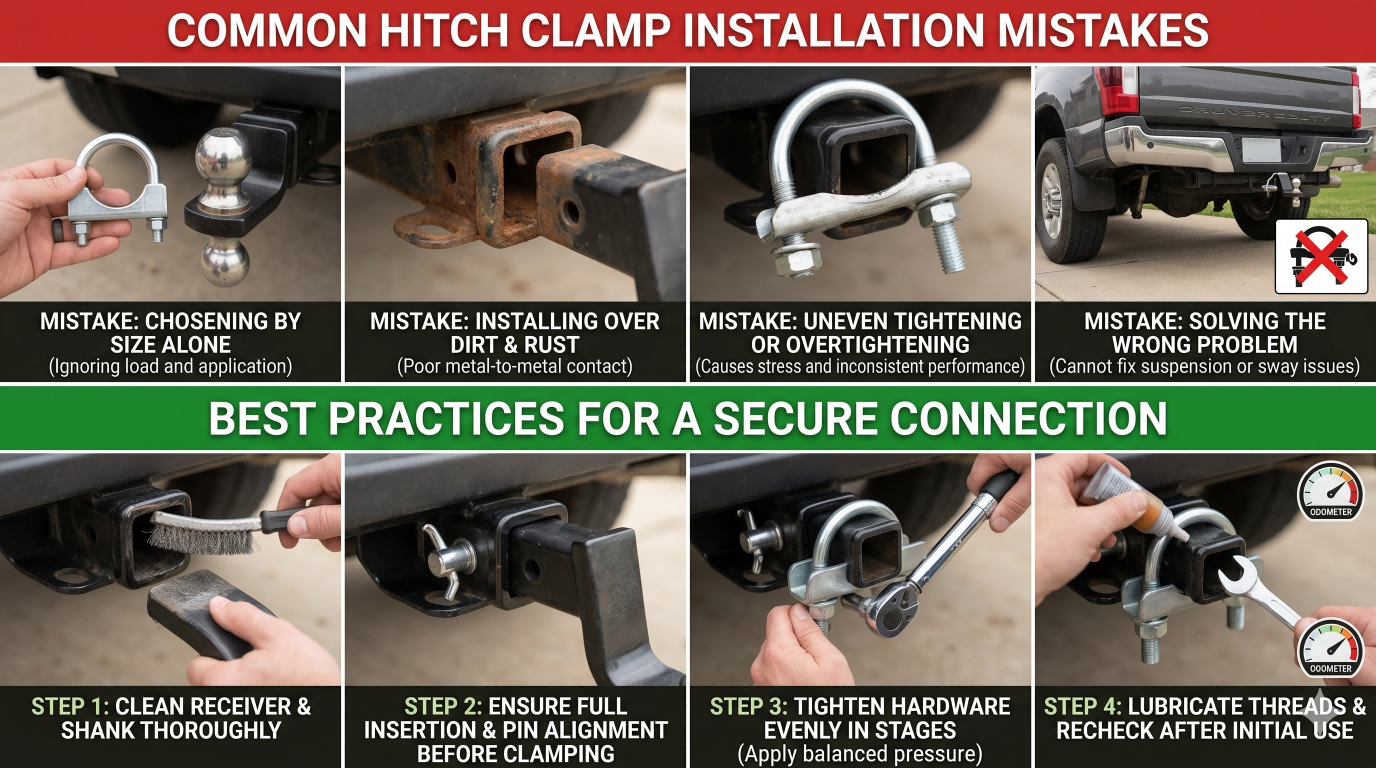
Hitch Clamp Mistakes That Cause Noise, Looseness, or Premature Wear

This blog explains the most common hitch clamp mistakes that reduce anti-rattle performance and create unnecessary hitch noise, looseness, and wear. It helps trailer owners understand how installation habits, fit assumptions, and maintenance neglect can turn a simple receiver connection issue into a long-term towing problem.
Learn more
{当前产品的产品关键词轮巡使用}
2026-04-16

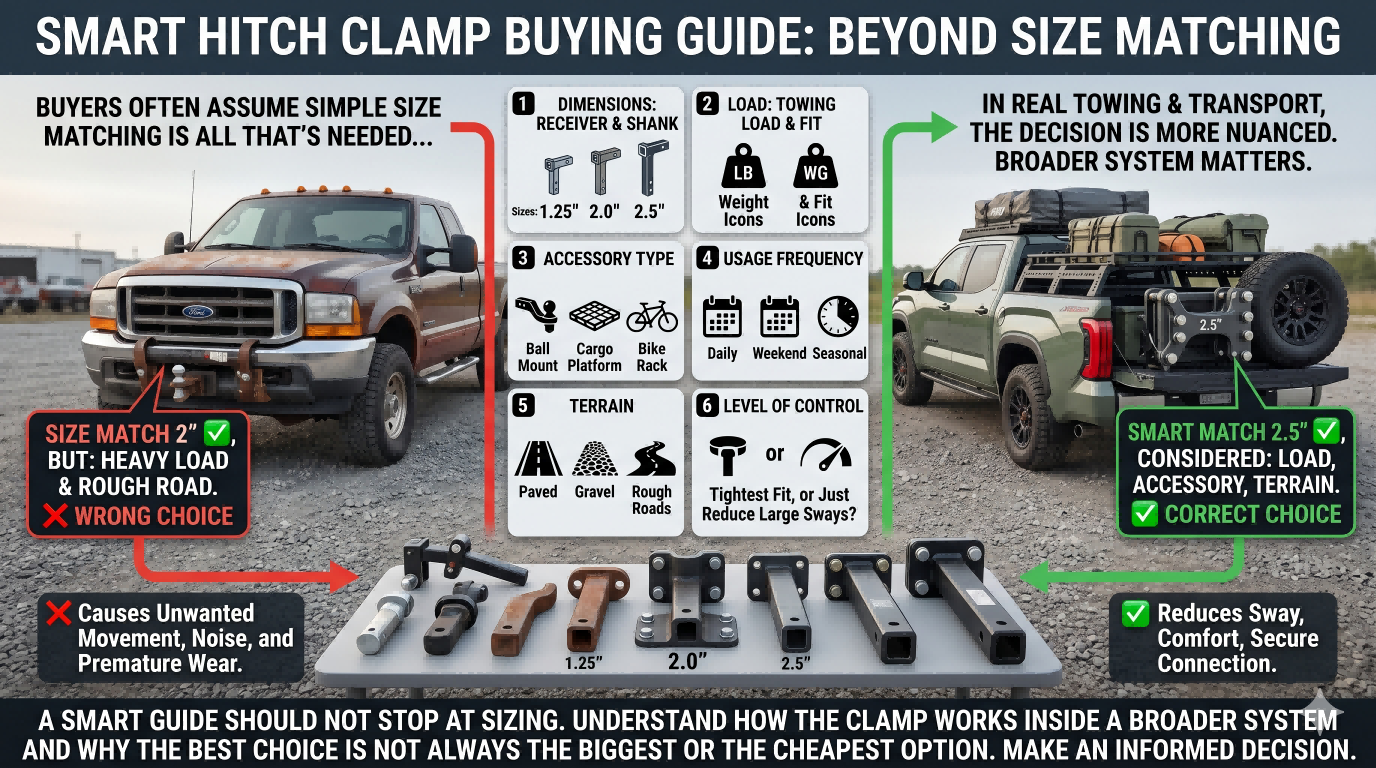
How to Choose the Right Hitch Clamp for 2", 2.5", and Heavy-Duty Receivers

This blog explains how to choose the right hitch clamp based on receiver size, towing application, and load demands. It helps buyers understand the difference between a hitch clamp for a 2 inch receiver, a 2.5 inch anti-rattle clamp, and a heavy-duty hitch clamp, while also clarifying how fit, structure, and real-world use affect trailer hitch stability.
Learn more
{当前产品的产品关键词轮巡使用}
2026-04-16

Does an Anti-Rattle Clamp Really Work When Towing?

This blog explains whether an anti-rattle clamp really works when towing and what trailer owners should realistically expect from it. It explores how an anti-rattle hitch clamp affects receiver play, hitch noise reduction, and connection tightness, while also clarifying what it cannot fix in a towing setup.
Learn more
{当前产品的产品关键词轮巡使用}
2026-04-16

Anti-Rattle Hitch Clamp vs Threaded Anti-Rattle Pin: Which One Makes More Sense?

This blog compares two of the most common anti-rattle solutions in the towing and hitch accessory market: the anti-rattle hitch clamp and the threaded anti-rattle pin. It explains how each system works, where each one performs best, and what trailer owners, bike rack users, and cargo carrier buyers should consider before choosing between them.
Learn more
{当前产品的产品关键词轮巡使用}
2026-04-16

Why Hitch Clamps Matter More Than Most Trailer Owners Think

This blog explains why a hitch clamp is more than just a small towing accessory. It shows how an anti-rattle hitch clamp helps reduce receiver play, vibration, and noise while improving towing confidence, equipment fit, and day-to-day trailer usability.
Learn more
{当前产品的产品关键词轮巡使用}
2026-04-15

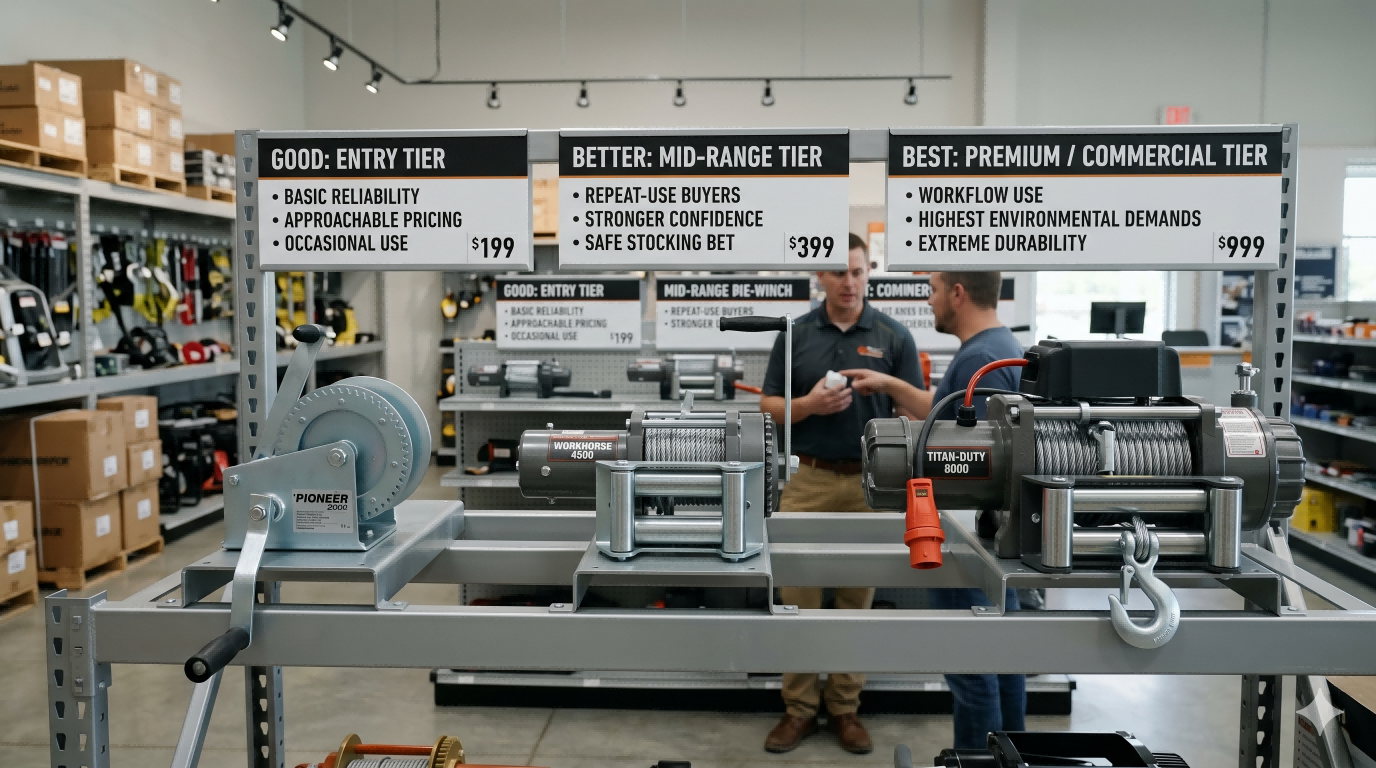
How to Build a Winch Product Line That Actually Sells: Manual, Marine, Utility, and Trailer-Specific SKU Strategy

This article explains how to build a trailer winch product line from a professional assortment and application strategy perspective rather than by listing random capacities. It covers manual vs. electric segmentation, marine vs. land-based use, pull medium choices, duty tiers, trailer-specific positioning, and SKU architecture for distributors, OEM buyers, and trailer parts brands.
Learn more
{当前产品的产品关键词轮巡使用}
2026-04-15

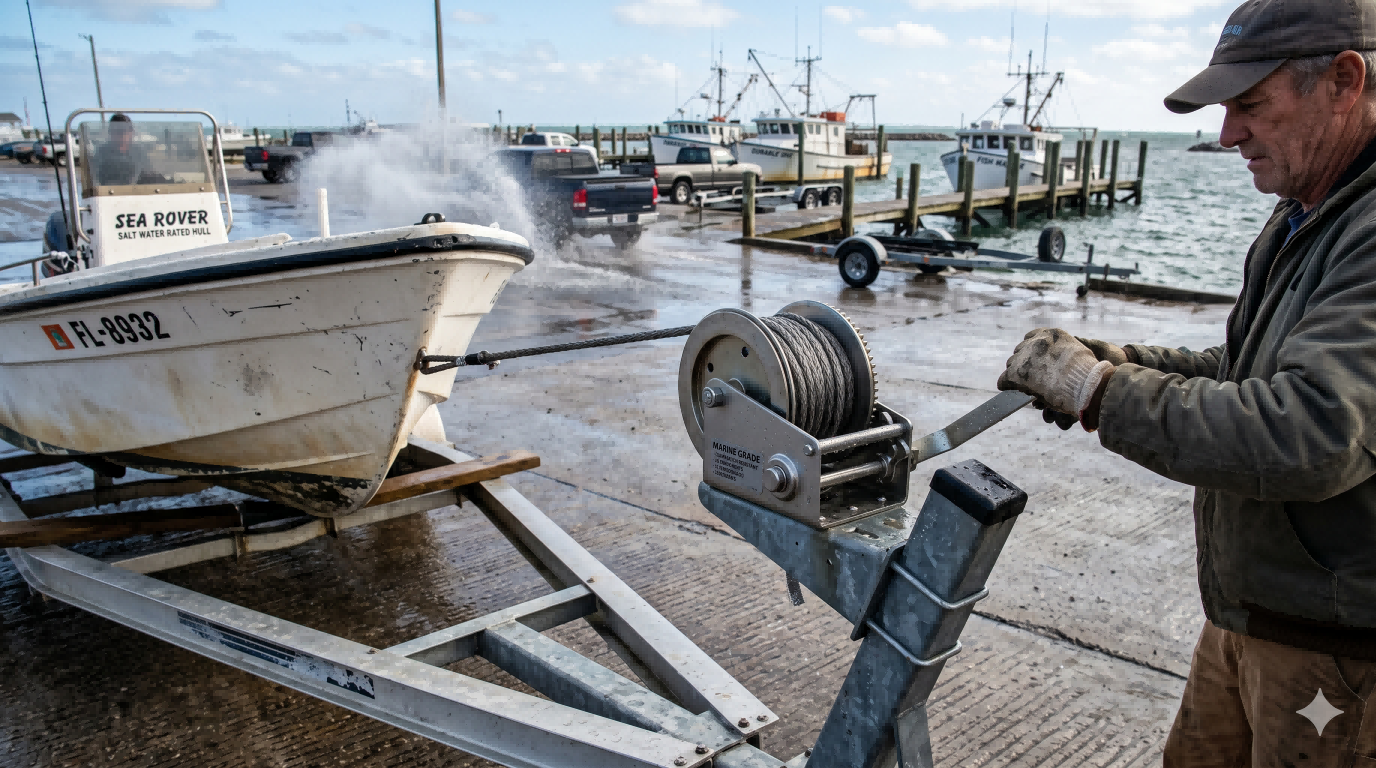
What Marine Buyers Should Really Look For in a Trailer Winch: Corrosion Resistance, Sealed Design, and Serviceability

This article explains what marine buyers should really evaluate in a trailer winch beyond rated pull. It covers corrosion resistance, sealed design, material selection, drainage, fastener durability, electrical protection, inspection access, and long-term serviceability to help buyers choose a dependable boat trailer winch for freshwater and saltwater trailer applications.
Learn more
{当前产品的产品关键词轮巡使用}
2026-04-15

How to Read Winch Specifications Like a Buyer Line Pull, Layer Rating, Gear Train, Brake, and Free-Spool Explained

This article explains how to read trailer winch specifications from a buyer’s perspective rather than a marketing perspective. It breaks down line pull, first-layer rating, drum-layer force loss, gear train, brake behavior, free-spool design, operator control, and real application fit to help buyers compare trailer winches more intelligently.
Learn more
{当前产品的产品关键词轮巡使用}
2026-04-15

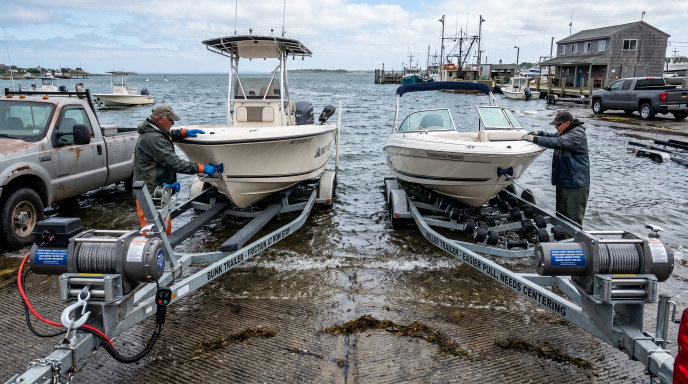
When a Trailer Winch Isn’t the Problem: Diagnosing Loading and Retrieval Failures at the Ramp

This article explains why many boat trailer loading problems are caused by trailer setup, ramp geometry, and retrieval conditions rather than by the winch alone. It covers ramp depth, bunk friction, centering, bow stop alignment, trailer immersion, pull angle, and operator workflow to help diagnose why a boat is hard to winch onto a trailer.
Learn more
{当前产品的产品关键词轮巡使用}
2026-04-15

Best Winch for Car Hauler and Equipment Trailer: Rolling Load, Ramp Angle, and Trailer Geometry Matter More Than You Think

This article explains how to choose the best winch for a car hauler or equipment trailer from a real loading-system perspective rather than by load rating alone. It covers rolling resistance, dead vehicle recovery, ramp angle, deck height, pull path, trailer geometry, operator control, and workload frequency to help buyers select the right trailer winch for vehicle and equipment loading.
Learn more
{当前产品的产品关键词轮巡使用}
2026-04-15

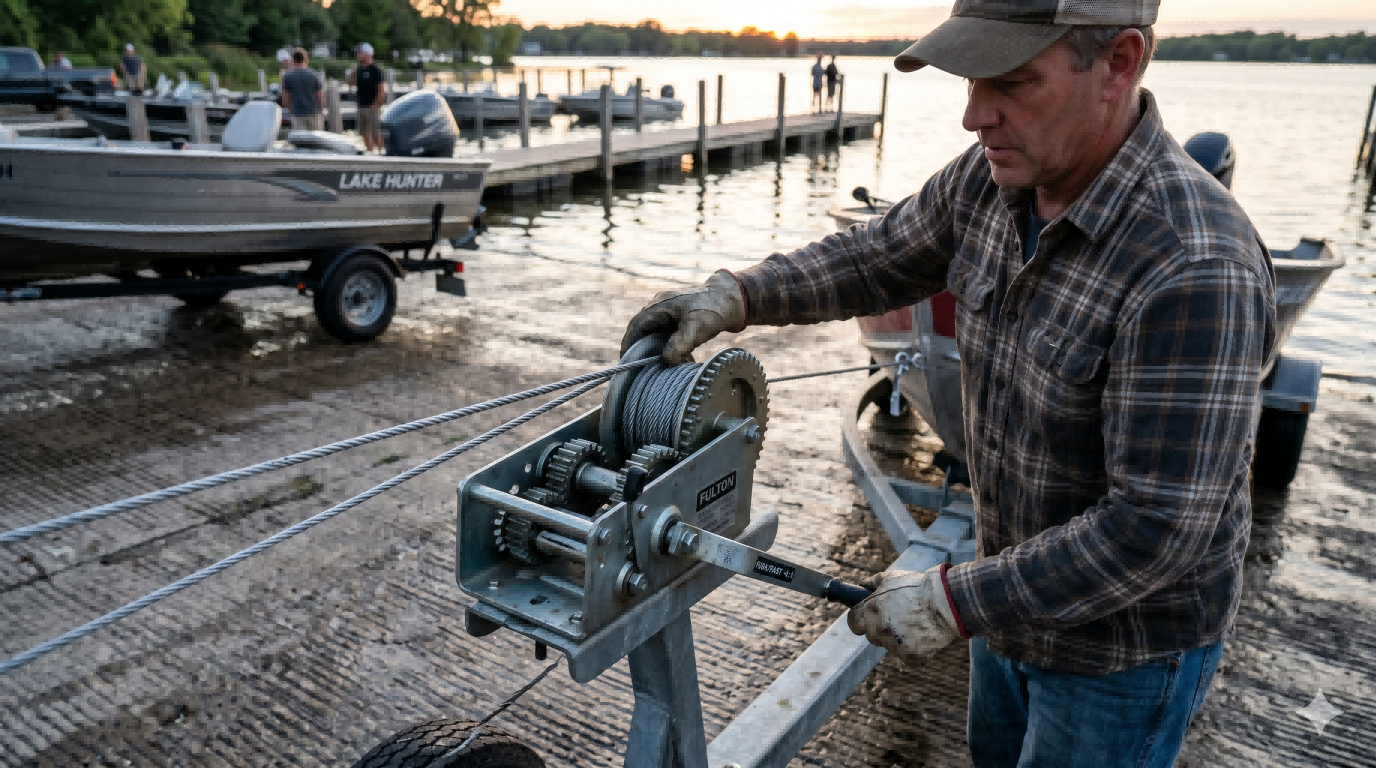
Why Two-Speed Manual Trailer Winches Still Matter in a Powered World

This article explains why a two-speed manual trailer winch remains highly relevant in modern trailer applications. Instead of treating it as an outdated product category, it examines how gear ratio, operator control, low-speed pulling force, high-speed line take-up, maintenance simplicity, and application fit make a two-speed manual trailer winch a smart solution for many boat trailers, utility trailers, and controlled loading systems.
Learn more
{当前产品的产品关键词轮巡使用}
2026-04-15

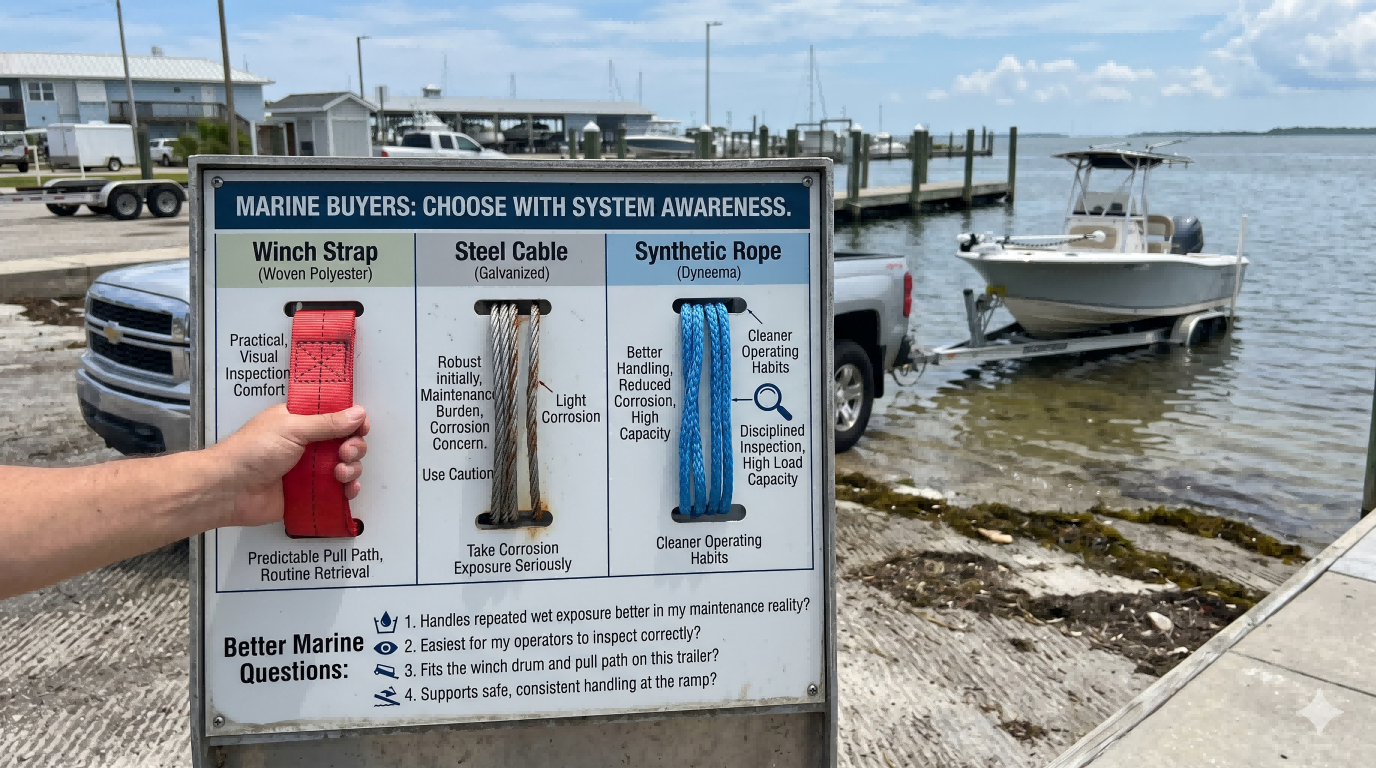
Strap vs. Steel Cable vs. Synthetic Rope: Choosing the Right Pulling Medium for Trailer Winch Applications

This article explains how to choose between a winch strap, steel cable, and synthetic rope from a real trailer application perspective rather than a simple materials comparison. It covers safety, corrosion exposure, abrasion, drum compatibility, inspection habits, recovery behavior, and long-term ownership logic for boat trailers, car haulers, and utility trailers.

Learn more
{当前产品的产品关键词轮巡使用}
2026-04-15

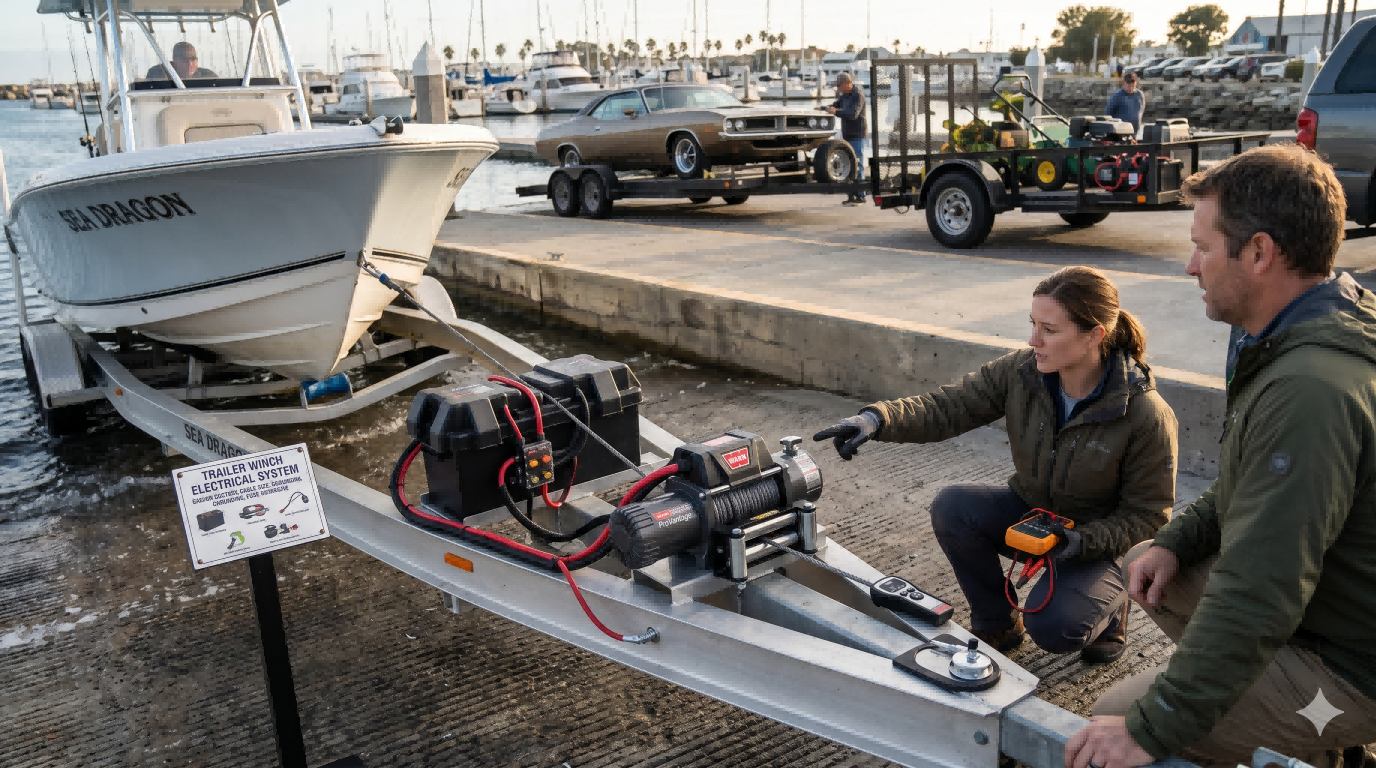
How to Power an Electric Trailer Winch: Battery, Cable Size, Circuit Protection, and Remote Setup

This article explains how to power an electric trailer winch from a professional system-design perspective rather than treating it as a simple accessory. It covers battery placement, cable size, voltage drop, circuit protection, grounding, quick-connect options, charging strategy, and remote control layout for boat trailers, car haulers, and utility trailers.
Learn more
{当前产品的产品关键词轮巡使用}
2026-04-15

How to Size a Trailer Winch Correctly: Why Load Weight Alone Is Not Enough

This article explains how to size a trailer winch from a real application perspective rather than relying only on load weight. It covers the most overlooked factors in trailer winch selection, including ramp angle, rolling resistance, bunk or roller friction, non-running vehicle recovery, first-layer pulling force, duty cycle, and safety margin for boat trailers, car haulers, and utility trailers.
Learn more
{当前产品的产品关键词轮巡使用}
2026-04-15

Electric vs. Manual Trailer Winch: How to Choose Based on Workload, Risk, and Total Ownership Cost

This article explains how to choose between an electric trailer winch and a manual trailer winch from a professional application perspective. Instead of comparing only speed and convenience, it examines workload, trailer type, ramp conditions, safety, maintenance, power requirements, and long-term operating cost, helping buyers make better decisions for boat trailers, car haulers, and utility trailers.
Learn more
  • 1
  • 2
    Sitemap

    Industrial Components

    Kitchen Appliances

    Renewable Energy

    Building & Home Improvement

    Chemicals & Water Treatment

    Robotics & Automation

    Email:robertkileyman@gmail.com

    (508676)
    Email
    comment