What Are Fuel Lines? A Complete Guide to Fuel Delivery Lines in Modern Vehicles
Fuel Lines Are More Than Simple Tubes
In many vehicles, the fuel line is one of the least visible parts of the fuel system. It is usually hidden under the body, routed along the chassis, connected to the fuel tank, fuel pump, fuel filter, fuel rail, carburetor, or injection system. Because it does not look as complex as an engine, turbocharger, fuel injector or electronic control module, many people describe it as “just a pipe” or “just a hose.”
That description is too simple.
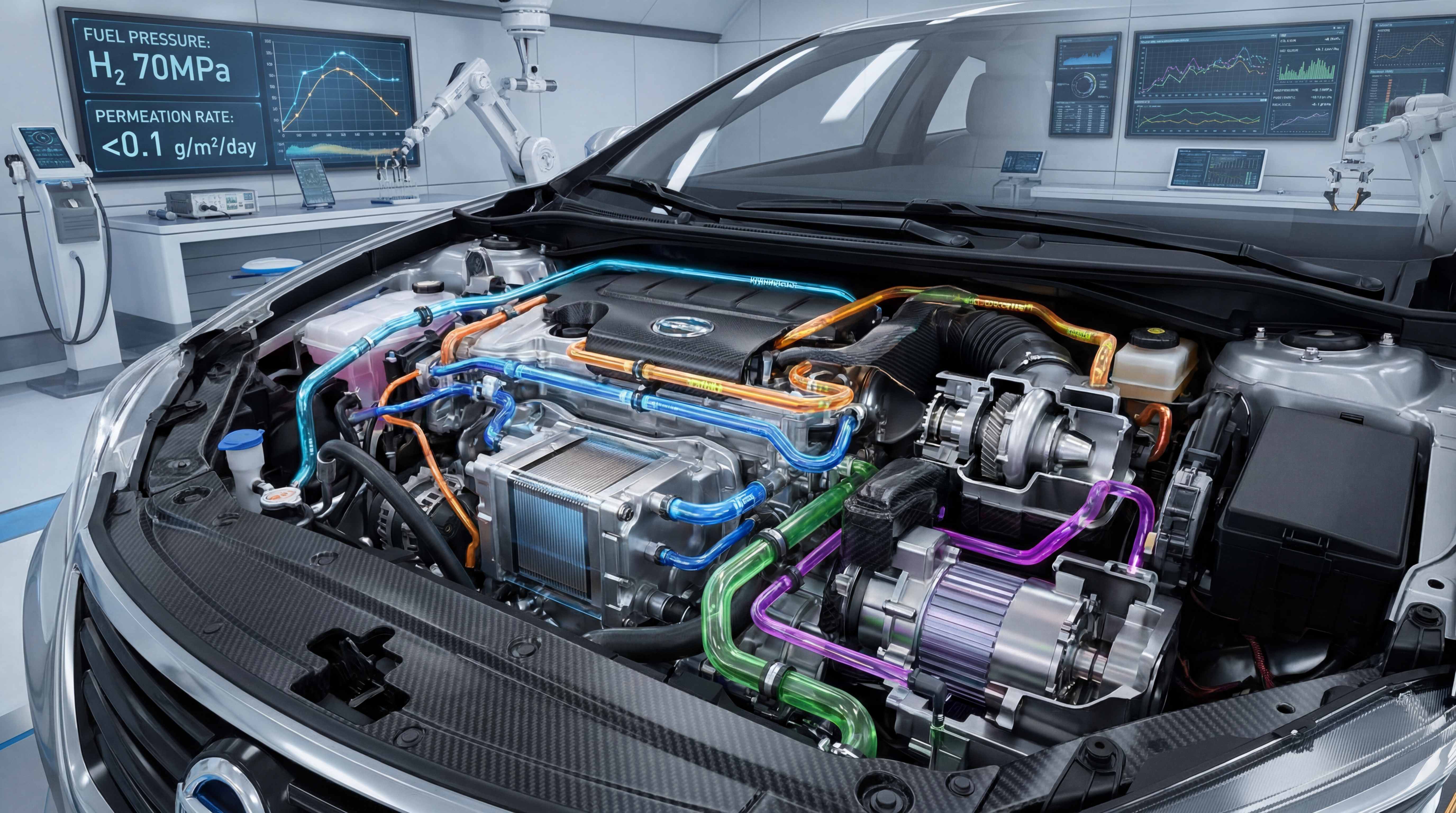
A fuel line is part of a complete fuel delivery system. Its job is to move fuel from storage to combustion in a controlled, safe and reliable way. It must handle fuel pressure, fuel chemistry, heat, vibration, road debris, chassis movement, corrosion, fuel vapor, and connection points. In modern vehicles, fuel lines also need to support emissions control, packaging efficiency, serviceability and compatibility with different fuels.
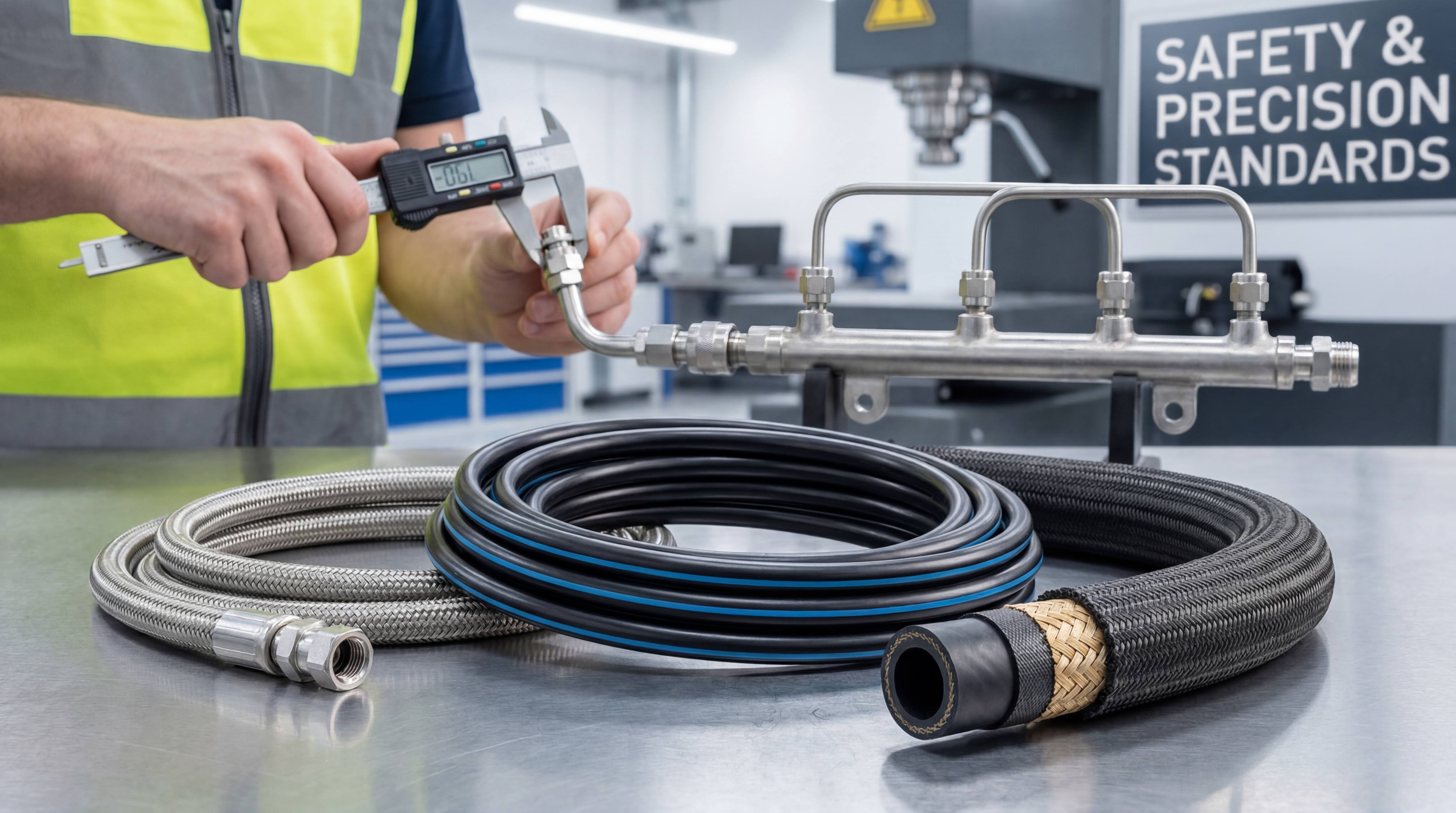
This is why the term fuel lines can include several different parts at the same time: flexible fuel hose, hard fuel line, nylon fuel tubing, steel fuel line, return fuel line, vapor line, fuel feed line, quick-connect fuel line, fuel line connector, and fuel line assembly. In performance vehicles, the term may also include PTFE fuel hose, braided fuel line, AN fittings and custom fuel system plumbing. In repair markets, it may refer to damaged nylon fuel line sections, rusted steel fuel lines, fuel hose replacement, or pre-bent fuel line kits.
For a buyer, installer, mechanic or product manager, understanding fuel lines means understanding the full path of fuel delivery. A good fuel line is not only about whether fuel can pass through it. It is about whether fuel can pass through it at the right pressure, with the right flow, through the right material, with the right connection, for the right vehicle environment.
Where Fuel Lines Sit in the Vehicle Fuel System

A typical vehicle fuel system begins at the fuel tank. The fuel tank stores gasoline, diesel, ethanol-blended fuel, biodiesel or other fuel types depending on the vehicle. From there, a pump moves fuel toward the engine. In many modern vehicles, the fuel pump is located inside the fuel tank. In older or specialized systems, the pump may be externally mounted.
From the pump, the fuel travels through one or more fuel delivery lines. These lines may pass through a filter, pressure regulator, quick connector, metal tube, nylon tube, rubber fuel hose or fuel rail connection before reaching the engine. In fuel-injected vehicles, the fuel must arrive at the injection system under controlled pressure. In carbureted vehicles, the pressure is usually lower, but the line still needs to maintain stable fuel supply.
Some systems use a return fuel line. This allows unused fuel to return from the engine area back to the tank. Other systems are returnless, meaning pressure is managed closer to the tank or through electronic control. Some vehicles also include vapor lines connected to evaporative emissions systems. These are not always called fuel lines in a narrow sense, but they are part of the larger fuel management network.
This means a vehicle can have several line types working together:
- A feed line that carries fuel from the tank toward the engine.
- A return line that sends unused fuel back to the tank.
- A vapor line that supports evaporative emissions control.
- Short flexible hose sections that connect rigid pipes to moving or vibrating components.
- Quick-connect fittings that allow fast assembly and service.
- Hard lines that provide stable routing along the chassis.
- Protective sleeves, clips and brackets that keep the line away from heat, abrasion and impact.
When people search for automotive fuel line, they may be looking for any one of these parts. That is why a complete fuel line guide should not only explain the product, but also explain the system.
Fuel Feed Lines: The Main Route from Tank to Engine
The fuel feed line is the primary route that carries fuel from the tank or pump toward the engine. This is the line most people imagine when they hear the phrase fuel delivery line. Its job looks simple, but the technical requirements can vary greatly.
In a low-pressure carburetor system, the feed line may only need to support relatively low fuel pressure. In an electronic fuel injection system, the line must support higher pressure and more stable delivery. In turbocharged or high-horsepower applications, the required fuel flow may increase significantly. In commercial or industrial vehicles, long service life, routing stability and resistance to vibration may be more important than appearance.
The feed line must be sized correctly. If the line is too small, it may restrict fuel flow under load. If it is too large for the system design, it may create unnecessary packaging and installation issues. The correct size depends on engine demand, fuel pump output, fuel pressure, fuel type, system layout and whether the system includes a return line.
The feed line must also be compatible with the fuel itself. Modern fuels are not always the same as traditional gasoline. Ethanol blends, biodiesel and other fuels can affect rubber, polymer and elastomer materials differently. This is one reason modern fuel hose design increasingly focuses on barrier layers, low permeation and multi-fuel compatibility.
A feed line also needs proper routing. It should not be placed too close to exhaust components, sharp metal edges or moving suspension parts. It should not be allowed to hang loosely. It should not be forced into a bend radius that causes kinking. If the line is damaged, restricted or poorly connected, the symptoms may include fuel smell, hard starting, hesitation, pressure drop, fuel starvation or visible leakage.
Return Fuel Lines and Why They Matter
Not every vehicle has a return fuel line, but return lines are important in many fuel system designs. A return fuel line sends unused fuel from the engine area back to the tank. This helps manage pressure, temperature and flow stability in certain systems.
In a return-style fuel system, the pump sends more fuel than the engine needs at a given moment. The regulator controls pressure, and excess fuel returns to the tank. This layout can support stable fuel pressure, especially in performance or modified systems where fuel demand changes quickly. For this reason, return fuel lines are common in many custom EFI, racing and high-performance applications.
A return line is usually not under the same pressure as the main feed line, but it still must be compatible with fuel and routed safely. Using the wrong hose, poor clamps or weak connectors can still create a fuel smell, seepage or safety risk. In some custom fuel systems, people focus heavily on the feed line size but ignore the return line size. That can create pressure control issues if the return path is too restrictive.
From a content and product perspective, return fuel lines are a useful topic because they connect several search intentions. A DIY installer may ask whether a return line is required for EFI conversion. A performance builder may ask what AN size is suitable for the return line. A maintenance user may ask whether a damaged return line is dangerous. A B2B buyer may ask whether the supplier can provide matched feed and return line assemblies.
A modern fuel line article should therefore explain return lines as part of system logic, not as a separate afterthought.
Fuel Hose, Hard Line and Fuel Line Tubing
The term fuel line can refer to both flexible and rigid products. These are often used together.
A fuel hose is flexible. It is useful where movement, vibration or installation flexibility is needed. Short hose sections may connect a hard line to a fuel tank, pump, filter, carburetor or engine-mounted component. In performance applications, flexible braided fuel hose is often used for custom routing.
A hard fuel line is rigid or semi-rigid. It may be made from steel, stainless steel, aluminum, copper-nickel or other materials depending on the vehicle and application. Hard lines are often routed along the chassis because they hold their shape, resist abrasion better than many soft hoses and can be secured with clips. However, they require proper bending and sometimes flaring tools.
A nylon fuel line is common in many modern vehicles. Nylon tubing can be lightweight, corrosion-resistant and suitable for complex routing. It is often used with quick connectors and repair kits. However, it must be handled with the correct tools and fittings. A damaged nylon fuel line should not be repaired with random hose and clamps unless the repair method is approved for the application.
A fuel line assembly may combine several of these elements. For example, one assembly may include a formed tube, a short flexible section, a quick connector, a protective sleeve and mounting clips. In OEM and aftermarket markets, this assembly-level thinking is important. Buyers may not only purchase tubing; they may need a ready-to-install line that matches the vehicle layout.
This is one of the biggest differences between a simple product view and an industry view. A simple view says, “This is a fuel hose.” An industry view asks, “Where will it be installed, what fuel will it carry, what pressure will it see, what connection will it use, what temperature will it face, and how will it be serviced?”
Common Fuel Line Materials
Fuel lines can be made from several material families. Each material has advantages and limitations. The right choice depends on fuel type, pressure, routing, cost, installation method and service environment.
Rubber fuel hose is widely used because it is flexible and easy to install. However, not all rubber hose is suitable for fuel. Ordinary rubber hose may soften, crack or allow fuel vapor to pass through. Fuel-rated hose is designed with specific inner tube materials, reinforcement and outer covers. In modern vehicles, fuel injection hose and low-permeation fuel hose are more important than older low-pressure hose types.
PTFE fuel line is popular in performance and racing applications. PTFE has strong chemical resistance and is often chosen for ethanol, E85, methanol or aggressive fuel environments. It is commonly used with braided outer layers and special fittings. However, PTFE hose is less forgiving than some rubber hose during installation. It requires the correct hose ends and proper assembly.
Nylon fuel line is common in OEM-style fuel systems. It is lightweight, corrosion-resistant and suitable for quick-connect systems. It is often used in repair kits because damaged sections can sometimes be replaced without changing the entire line. However, nylon line requires proper insertion depth, connector compatibility and heat control.
Steel fuel line is traditional and durable when properly protected. It can be formed into stable routing paths and used in pre-bent fuel line kits. The main concern is corrosion, especially in regions with road salt or moisture exposure.
Stainless steel fuel line offers better corrosion resistance than ordinary steel, but it can be harder to bend and flare. It is often chosen in restoration or premium repair projects.
Aluminum fuel line is lightweight and easy to bend, making it useful in some custom applications. However, it may not be suitable for every environment and must be protected from abrasion and fatigue.
Copper-nickel tubing is valued for corrosion resistance and bendability in some automotive tubing applications. It is often discussed in repair and restoration communities, although suitability depends on the specific use, standard and local regulation.
No fuel line material is universally best. The best material is the one that fits the fuel, pressure, vehicle design, installation process and safety requirement.
Fuel Line Connectors: Small Parts with Big Consequences
Fuel line connectors are often small, but they are critical. A fuel line can be made from excellent material and still fail if the connector is wrong.
Common connection types include barbed fittings, clamps, flare fittings, compression-style repairs, quick-connect fittings, AN fittings and hose ends. Each connection style has its own design logic. A hose that works with a push-lock fitting may not work with a PTFE hose end. A braided rubber hose fitting may not fit a PTFE-lined hose. A quick-connect fitting may require the correct tube diameter, bead shape, O-ring material and locking mechanism.
This is especially important in custom fuel systems. Many performance users search for AN fuel fittings because AN-style plumbing is common in racing and modified vehicles. But AN size is not only about appearance. It relates to hose inner diameter, flow, fitting geometry and system compatibility. A clean-looking fitting does not guarantee a safe fuel system.
In OEM and aftermarket repair, quick connectors are common because they allow fast assembly and service. They can reduce installation time and help standardize line connections. However, they must be fully seated and compatible with the tube and fuel type. A damaged clip, worn O-ring or incorrect connector can cause a leak even if the line itself is not damaged.
For blog content, connectors are a strong topic because they reveal the hidden system knowledge behind fuel lines. Many buyers think the main decision is hose material, but in real installation, the connector often decides whether the system is reliable.
Pressure, Flow and Fuel System Design
Fuel lines must support the pressure and flow required by the vehicle. These two factors are related but not the same.
Pressure is the force that moves fuel through the system. Flow is the amount of fuel delivered over time. A fuel line must have enough pressure rating and enough internal capacity for the application. A low-pressure carbureted system, a modern EFI system and a high-power turbo build may all require different fuel line choices.
In general, fuel injection systems require fuel hose and connectors designed for higher pressure than older carburetor systems. This is why using a generic low-pressure hose in an EFI system can be dangerous. The hose may not be designed for the pressure, pulsation or chemical exposure.
Flow demand increases when the engine requires more fuel. This can happen with larger engines, forced induction, higher horsepower, racing use or alternative fuel use. Ethanol fuels may require more volume than gasoline for the same power output, which can influence pump, injector and line sizing in performance systems.
However, bigger is not always better. Oversized lines may be harder to route, more expensive and unnecessary for many vehicles. Proper system design means matching the fuel pump, line size, regulator, filter, injector or carburetor demand and return strategy.
This is why a fuel line should not be selected only by outside diameter, price or appearance. It should be selected as part of a fuel delivery system.
Fuel Compatibility in Modern Vehicles
Fuel compatibility has become more important because fuels have changed. Traditional gasoline is no longer the only fuel environment a line may face. Many markets use ethanol-blended gasoline. Diesel vehicles may encounter biodiesel blends. Performance users may choose E85 or methanol. Hybrid vehicles may keep fuel in the tank for different usage cycles than conventional vehicles.
Fuel can affect a line in several ways. It may cause swelling, hardening, cracking, permeation, odor, internal degradation or connector seal issues. A hose that worked well with one fuel may not be suitable for another. This is why manufacturers often specify fuel compatibility, pressure rating, temperature rating and applicable standards.
Low permeation is another major issue. Fuel vapor loss is not only a smell problem. It is also related to emissions, environmental compliance and vehicle efficiency. Modern fuel hose and fuel line tubing may use barrier layers to reduce vapor permeation. This is especially relevant for B2B buyers, OEM suppliers and aftermarket brands that want to position their products beyond simple replacement parts.
For content strategy, fuel compatibility is a powerful topic because it connects everyday problems with industry trends. A user may search “why does my car smell like fuel?” A mechanic may search for ethanol-safe hose. A buyer may search for low-permeation fuel line. These searches are different, but they all point to the same deeper issue: modern fuel lines must be engineered for the fuel environment.
Routing and Installation: Why Location Matters

Even a correct fuel line can fail if it is installed poorly. Routing is one of the most important practical factors in fuel line performance.
Fuel lines should be protected from excessive heat. Exhaust pipes, turbochargers, catalytic converters and other hot components can raise line temperature. Heat can accelerate material aging, increase vapor issues and create safety risks. In tight engine bays, heat sleeves, brackets and careful routing may be required.
Fuel lines should also be protected from abrasion. A line rubbing against a sharp metal edge, chassis bracket or moving suspension part can wear through over time. This is especially dangerous because the damage may not be visible during a quick inspection.
Bend radius matters too. Flexible hose can kink if bent too tightly. Nylon tubing and hard lines can also be damaged by improper bending. A kinked fuel line restricts flow and may weaken the structure of the line. In hard line applications, proper bending tools help maintain a clean shape without collapsing the tube.
Support points are another detail. Long unsupported runs can vibrate, sag or move during vehicle operation. Clips, clamps and brackets help keep the line in position. However, they should not crush the line or create stress at connection points.
Routing should also consider serviceability. A fuel line that is impossible to inspect or disconnect may create maintenance problems later. In OEM design and aftermarket repair, a good line is not only safe on day one; it is also serviceable throughout the vehicle life cycle.
Common Signs of Fuel Line Problems
Fuel line problems can appear in different ways. Some are obvious, while others are easy to miss.
A visible fuel leak is the most serious sign. Any wetness, dripping or fuel smell near a fuel line should be treated carefully. Fuel is flammable, and a leaking line can create a major safety hazard.
Fuel odor is another common warning sign. A fuel smell near the vehicle may come from a leak, vapor permeation, loose connector, cracked hose, damaged vapor line or fuel tank component. The source should be inspected rather than ignored.
Hard starting or engine hesitation can sometimes point to fuel delivery issues. A restricted line, weak pump, clogged filter or pressure loss can reduce fuel supply. The fuel line may not always be the cause, but it should be part of the diagnostic path.
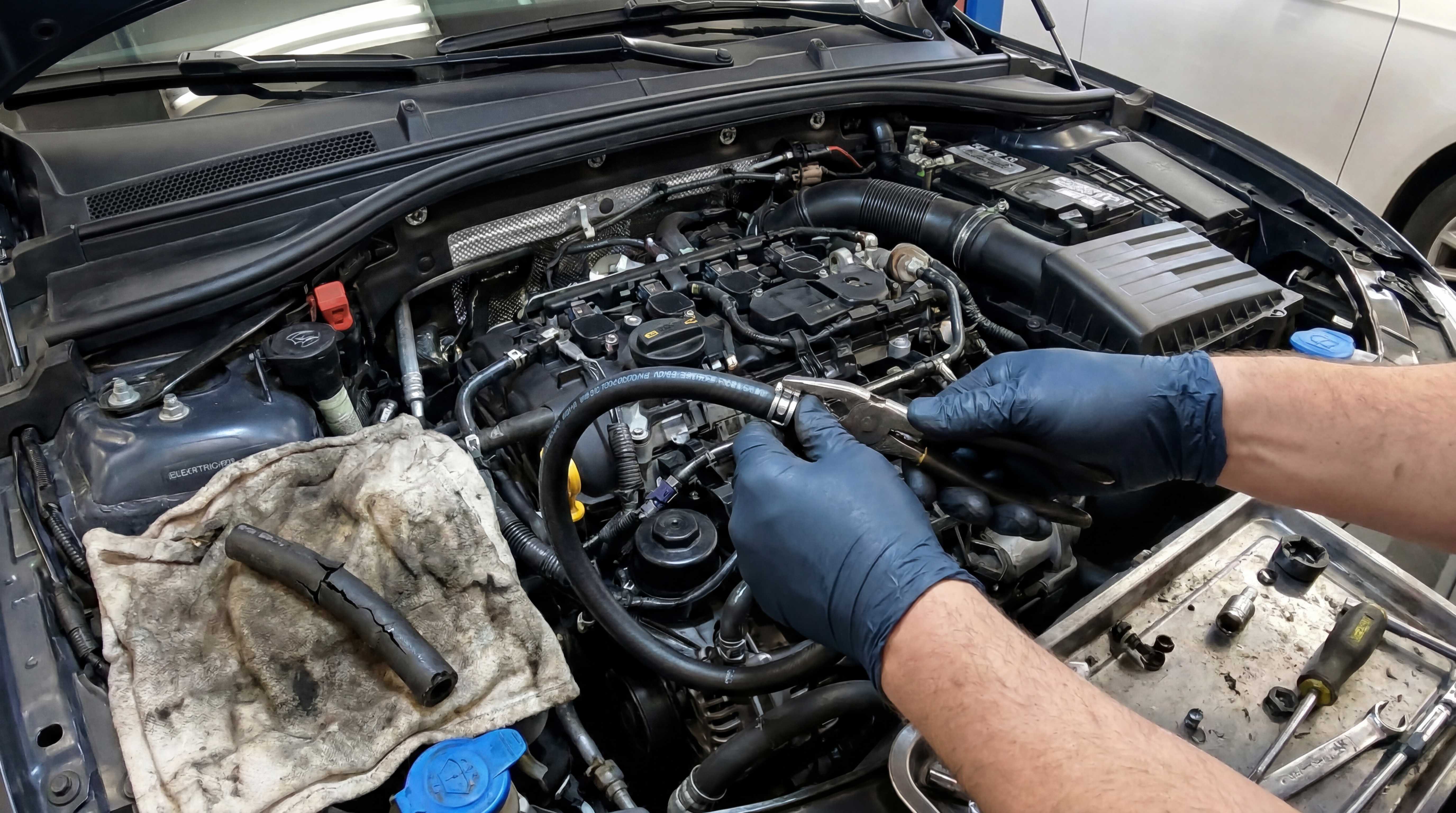
Visible cracking, swelling, rust or abrasion are also warning signs. Rubber hose can age and crack. Steel lines can corrode. Nylon lines can be damaged by heat or impact. Connectors can become loose, brittle or contaminated.
In repair content, it is important not to tell readers to make unsafe shortcuts. Fuel line repair should use fuel-rated parts, correct connectors and suitable procedures. A temporary fix may look convenient, but the risk is high if the line carries pressurized fuel.
OEM, Aftermarket and Performance Fuel Line Needs
Fuel line requirements differ by market.
In OEM vehicle manufacturing, fuel lines must meet vehicle platform requirements, production efficiency, emissions targets, packaging rules and long-term durability. The line may be part of a larger assembly that includes connectors, brackets, protective covers and multiple tube materials. Weight reduction, low permeation and assembly speed can be key priorities.
In the aftermarket replacement market, fitment and repair efficiency are important. A customer may need a direct replacement for a rusted line, a nylon fuel line repair kit, a pre-bent line for a specific vehicle or a universal fuel hose rated for the application. Clear sizing, compatibility and installation guidance are essential.
In performance and racing markets, flow capacity, fuel compatibility and custom routing often become more important. Builders may choose PTFE braided fuel line, AN fittings, larger feed lines, return systems and high-flow fuel pumps. Appearance can matter, but safety and correct assembly matter more.
In restoration markets, the buyer may care about original-style routing, factory appearance, corrosion resistance and pre-formed lines. Stainless steel or OE-style steel lines may be selected based on the project goal.
This market diversity is why Fuel Lines is a strong blog category. It can speak to DIY users, mechanics, performance builders, parts distributors, B2B buyers and industrial component researchers at the same time. The key is to separate each article by search intent instead of writing the same generic product introduction again and again.
How to Choose the Right Fuel Line
Choosing the right fuel line starts with the application.
First, identify the fuel type. Gasoline, diesel, ethanol-blended gasoline, E85, methanol and biodiesel may require different material compatibility. Do not assume every hose is compatible with every fuel.
Second, identify the pressure requirement. A carbureted system, fuel injection system and performance EFI system may require different pressure ratings. The line, connector and clamp or fitting must all be suitable for the pressure.
Third, identify the required flow. Engine demand, pump output and system layout influence line size. Feed and return lines should be considered together.
Fourth, consider the routing environment. Heat, abrasion, vibration, chassis exposure and available space can change the best material choice. A line routed near exhaust components may need more protection than a line in a cooler area.
Fifth, match the connection system. A PTFE hose needs the correct PTFE hose ends. A nylon fuel line needs suitable connectors and repair tools. A hard line may need the correct flare or adapter. A quick connector must match the tube and application.
Sixth, consider serviceability and compliance. For professional repair or B2B supply, the product should be easy to identify, install and inspect. Technical data should be clear. Claims should be based on pressure rating, material compatibility and applicable standards rather than vague words like “high quality.”
A good fuel line selection process is not about finding the cheapest tube. It is about reducing leakage risk, improving system reliability and matching the vehicle’s actual fuel delivery needs.
Why Fuel Lines Matter for Industrial Components Content
From a content perspective, Fuel Lines is a valuable subcategory under Metal Pipes & Bending because it combines tubing, bending, connectors, materials and automotive system knowledge. It is not just a replacement part topic. It is a system engineering topic.
Fuel lines involve metal pipe forming, polymer tubing, hose reinforcement, connector design, surface protection, corrosion resistance, pressure control and installation layout. This makes the topic suitable for both product education and industry-level content.
For an Industrial Components blog, Fuel Lines can connect with several broader themes:
- Metal pipe bending and pre-formed line manufacturing.
- Hose and tubing material selection.
- Fuel and fluid transfer safety.
- Automotive aftermarket replacement.
- OEM line and connector assemblies.
- Low-permeation and emissions-related component design.
- Repair kits and service efficiency.
- Performance vehicle fuel system plumbing.
- Corrosion-resistant tubing for harsh environments.
This is also why a good Fuel Lines content strategy should not only write “What is a fuel line?” It should build a full knowledge map around materials, sizing, compatibility, connection, routing, repair and future vehicle trends.
Fuel Lines in the Future of Vehicle Design
Fuel lines will continue to evolve as vehicle technology changes. Internal combustion engine vehicles still need reliable fuel delivery. Hybrid vehicles still use fuel systems, but their operating cycles may differ from conventional vehicles. Flex-fuel and alternative-fuel applications require material compatibility and vapor control. Performance vehicles continue to demand higher flow and stronger custom plumbing solutions.
At the same time, emissions expectations are shaping fuel line design. Low-permeation materials, better connectors and integrated assemblies are becoming more important. Weight reduction and packaging also matter as vehicles become more complex.
The future of fuel lines is not about one universal material replacing all others. It is more likely to be a mix of materials and assemblies designed for specific use cases. Steel, stainless steel, nylon, multilayer plastic tubing, rubber hose and PTFE hose will each continue to serve different needs.
For suppliers and content platforms, the opportunity is to explain this complexity in a useful way. Buyers do not only need product names. They need help understanding why one fuel line works in one system but fails in another. They need to know when to choose hard line, when to choose flexible hose, when to use a repair kit, and when the entire fuel delivery line should be replaced.
Conclusion: A Fuel Line Is a Safety-Critical Delivery System
A fuel line may look simple, but it plays a critical role in vehicle safety and performance. It carries flammable fluid through a moving, vibrating and high-temperature environment. It must resist pressure, fuel chemistry, vapor permeation, corrosion, abrasion and installation stress.
Modern fuel lines should be understood as part of the complete fuel delivery system. The fuel tank, pump, filter, feed line, return line, vapor line, connectors, fittings and engine-side components all work together. A weakness in one part can affect the whole system.
For vehicle owners, the lesson is simple: never treat fuel line selection or repair as an ordinary hose replacement. For mechanics, the priority is correct material, correct pressure rating, correct connector and safe routing. For distributors and B2B buyers, the value is in supplying fuel line products that match real installation conditions. For industrial component content, Fuel Lines is a strong topic because it brings together materials, tubing, bending, connectors, system design and safety.
A reliable fuel line does more than move fuel. It supports stable engine operation, reduces leakage risk, helps control vapor loss, improves serviceability and protects the vehicle throughout its working life.
Focused FAQ
What are fuel lines in a vehicle?
Fuel lines are the tubes, hoses and assemblies that carry fuel from the tank to the engine. They may include feed lines, return lines, vapor lines, hard lines, flexible hoses, nylon tubing, quick connectors and fuel line fittings.
Are fuel lines and fuel hoses the same thing?
Not always. A fuel hose is usually a flexible hose designed to carry fuel. A fuel line is a broader term that can include flexible hose, rigid metal tubing, nylon tubing, connectors and complete fuel delivery assemblies.
What is a hard fuel line?
A hard fuel line is a rigid or semi-rigid tube, often made from steel, stainless steel, aluminum or copper-nickel. It is commonly routed along the chassis and secured with clips or brackets.
What is a return fuel line?
A return fuel line sends unused fuel from the engine area back to the fuel tank. It is common in many return-style fuel systems and performance fuel setups.
Why do modern vehicles use nylon fuel lines?
Nylon fuel lines are lightweight, corrosion-resistant and suitable for quick-connect fuel systems. They are common in many OEM-style fuel delivery systems and repair applications.
Can any rubber hose be used as a fuel line?
No. Fuel lines must use fuel-rated hose designed for the fuel type, pressure and temperature of the application. Ordinary rubber hose may not resist fuel exposure or pressure safely.
Why does fuel line material matter?
Fuel line material affects pressure resistance, fuel compatibility, flexibility, corrosion resistance, vapor permeation, installation method and service life. Different fuels and vehicle systems require different materials.
What causes fuel line failure?
Common causes include aging, cracking, corrosion, abrasion, heat exposure, incorrect routing, wrong hose material, poor connectors, excessive vibration and improper repair.
What is a quick-connect fuel line?
A quick-connect fuel line uses a connector designed for fast assembly and service. It is common in modern vehicles, but it must match the correct tube size, seal design and fuel system application.
How should a fuel line be selected?
A fuel line should be selected based on fuel type, pressure rating, flow demand, line size, material compatibility, connector type, routing environment and safety requirements.
#FuelLines #FuelDeliverySystem #AutomotiveFuelLine #FuelHose #FuelLineTubing #FuelLineConnectors #HardFuelLine #ReturnFuelLine #VehicleFuelSystem #IndustrialComponents #MetalPipesAndBending #AutomotiveParts #FuelSystemGuide #GEOFocusedContent