PTFE vs Rubber vs Nylon vs Metal Fuel Lines: Which Material Works Best?
Fuel Line Material Is Not a Small Detail
When people choose a fuel line, they often start with the visible details: size, color, braid style, price, or whether the hose looks strong enough for the engine bay. These details matter, but they are not the real starting point. The real starting point is material.
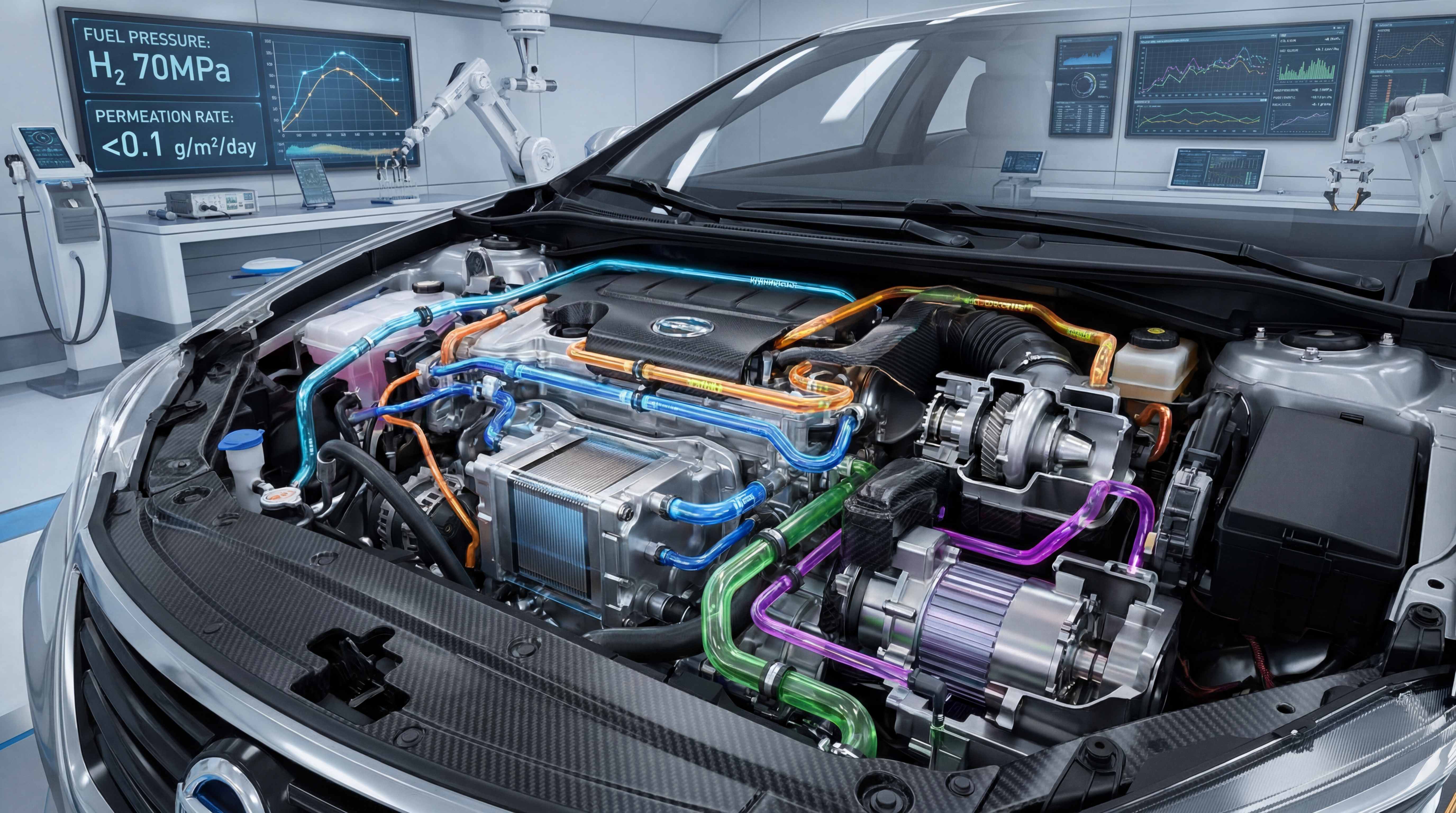
A fuel line material decides how the line reacts to fuel, pressure, heat, vibration, bending, corrosion and long-term exposure. A fuel line is not only a passage for liquid. It is a safety-critical part of the fuel delivery system. It carries flammable fuel from the tank toward the engine, sometimes under high pressure, sometimes near hot exhaust components, and often through areas exposed to road debris, moisture, salt, oil and constant movement.
This is why the question “Which fuel line material is best?” does not have one universal answer. PTFE fuel line, rubber fuel hose, nylon fuel line and metal fuel line all exist because vehicles, repair jobs and fuel systems are different. A flexible rubber fuel hose may be practical for a low-pressure connection. A PTFE fuel line may be preferred for ethanol-rich fuels or racing applications. A nylon fuel line may be ideal for OEM-style lightweight routing. A steel or stainless fuel line may be better for long underbody runs where shape stability and abrasion resistance matter.
In real vehicle design and aftermarket repair, the best material is not the strongest-looking material. It is the material that matches the fuel type, pressure level, routing environment, connector system and service expectation.
This guide compares the major fuel line materials from a practical and industry-focused perspective.
Why Fuel Lines Use Different Materials

A vehicle fuel system is not a single environment. Different parts of the system face different conditions.
A line near the fuel tank may need to connect to a pump module, filter or vapor system. A line under the chassis may need to resist road impact, corrosion and abrasion. A line near the engine may face heat, vibration and limited routing space. A high-pressure fuel injection line must handle pressure safely. A performance fuel system may need higher flow and compatibility with E85, methanol or racing fuel. A repair line may need to match the original material and connector type.
Because of these differences, manufacturers use multiple fuel line materials in the same vehicle. A vehicle may include metal tubing along the chassis, flexible hose sections near moving points, nylon tubing for lighter routing, and quick connectors at service points. In performance builds, builders may replace factory sections with PTFE braided fuel line and AN fittings. In restoration projects, owners may choose pre-bent steel, stainless steel or copper-nickel tubing to match original routing.
Fuel line material selection is therefore not just a product choice. It is a system design decision.
A material must answer several questions:
Can it handle the fuel chemistry?
Can it support the required pressure?
Can it survive heat, vibration and bending?
Can it be connected safely?
Can it be routed without kinking or abrasion?
Can it resist corrosion or fuel vapor permeation?
Can it be serviced or repaired correctly?
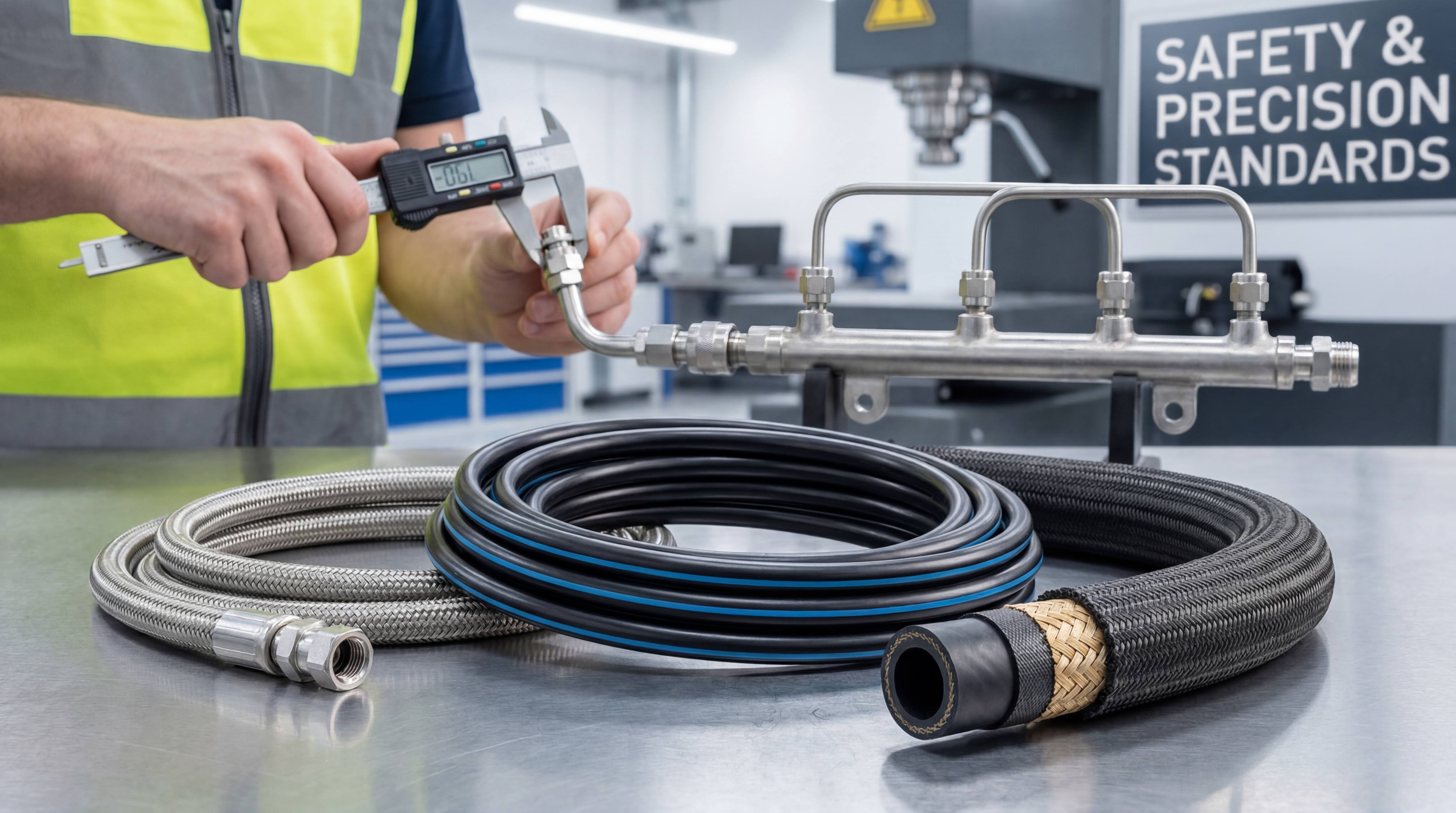
A material that performs well in one area may create problems in another. PTFE offers excellent chemical resistance, but it requires correct hose ends and careful assembly. Rubber fuel hose is flexible, but the exact fuel rating matters. Nylon is lightweight and corrosion-resistant, but heat and connector compatibility must be respected. Metal tubing holds shape well, but corrosion, bending and flaring quality become important.
PTFE Fuel Line: Strong Chemical Resistance for Demanding Fuel Systems

PTFE fuel line is widely used in performance, racing and custom fuel systems. PTFE stands for polytetrafluoroethylene, a fluoropolymer known for strong chemical resistance. In fuel line applications, PTFE is often used as the inner liner of a hose, with stainless steel braid, nylon braid or another protective outer layer.
The main reason people choose PTFE fuel line is fuel compatibility. Modern fuels can be aggressive to some hose materials, especially when ethanol, E85, methanol or racing fuels are involved. PTFE is valued because it resists many chemicals that can degrade ordinary rubber hose. For builders dealing with fuel odor, ethanol exposure or high-performance fuel systems, PTFE often becomes the preferred material.
Another advantage is low fuel vapor permeation. Fuel smell is a common complaint in some modified vehicles when the wrong hose is used. Because PTFE has strong barrier properties, it can help reduce fuel vapor passing through the hose wall. This makes it attractive for enclosed garages, street-driven performance cars and applications where odor control matters.
PTFE fuel line also works well with high-pressure fuel injection systems when properly rated and assembled. It is commonly used with AN fittings in EFI conversions, turbo builds, LS swaps and motorsport fuel systems. It can be used for feed lines, return lines and sometimes fuel vapor-related applications depending on the system design.
However, PTFE is not perfect for every situation.
PTFE hose is usually less flexible than many rubber fuel hoses. It may require a larger bend radius, and forcing it into a tight bend can create stress or flow restriction. It also requires PTFE-specific hose ends. A fitting designed for a standard rubber braided hose should not be assumed to fit PTFE-lined hose. The inner liner, olive or ferrule, and fitting design must match the hose construction.
Installation also requires care. Cutting PTFE braided hose can create frayed braid if done poorly. Assembly must be clean and secure. If the hose end is not installed correctly, the system may leak even if the hose material itself is excellent.
PTFE is a strong choice when the application involves aggressive fuel, high performance, fuel odor concerns or long-term chemical resistance. But it should be treated as a precision fuel system material, not as a casual universal replacement.
Best Use Cases for PTFE Fuel Line
PTFE fuel line is especially suitable for:
High-performance EFI fuel systems.
E85, ethanol-blended fuel and methanol-related applications.
Racing and motorsport fuel system plumbing.
Custom feed and return fuel lines.
Vehicles where fuel odor reduction is important.
Applications using AN fittings and properly matched PTFE hose ends.
PTFE is often overkill for simple low-pressure repairs, but in demanding fuel systems, it can provide a level of chemical resistance and vapor control that many other hose types cannot match.
Rubber Fuel Hose: Flexible, Practical and Still Widely Used

Rubber fuel hose is one of the most familiar fuel line materials. It is flexible, widely available and easy to route in short sections. Many vehicles use rubber fuel hose for connections between rigid lines and components that move, vibrate or require service access.
The biggest strength of rubber fuel hose is flexibility. It can absorb movement, fit into tight areas and connect components without the forming tools required for metal tubing. For simple repairs and short fuel connections, rubber hose is often practical and cost-effective.
However, the phrase “rubber fuel hose” can be misleading. Not every rubber hose is suitable for fuel. Fuel-rated hose is engineered with specific inner materials, reinforcement and outer covers. A coolant hose, vacuum hose or ordinary rubber tube should not be used as a fuel hose. Fuel can soften, swell, crack or degrade unsuitable rubber. In pressurized systems, using the wrong hose can become dangerous.
Fuel injection systems require hose rated for fuel injection pressure. Older low-pressure fuel hose may not be suitable for modern EFI systems. A hose may look strong on the outside but still fail internally if the inner tube is not compatible with the fuel or pressure. This is why technical markings, pressure rating and fuel compatibility should be checked before installation.
Rubber fuel hose also has different levels of vapor resistance. Older or lower-grade fuel hose may allow more vapor permeation, which can create fuel smell. Modern low-permeation fuel hose designs use improved materials and barrier layers to reduce this issue.
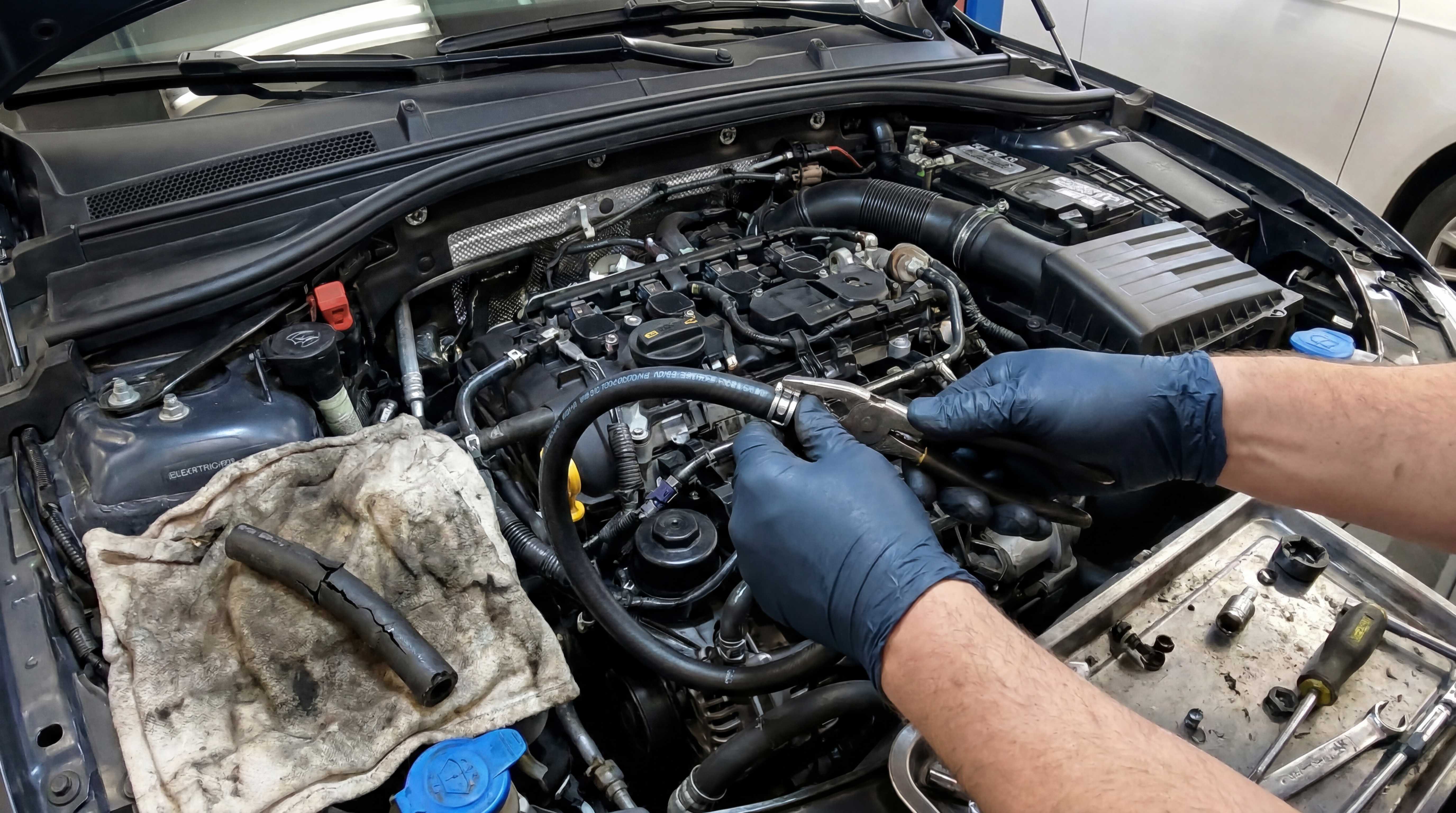
Rubber hose can also age. Heat, ozone, fuel exposure and time can cause hardening, cracking or surface damage. In an engine bay, this process may be accelerated by high temperature and oil contamination. Rubber fuel hose should be inspected for cracks, swelling, stiffness and seepage.
Despite these limitations, rubber fuel hose remains important because it is practical. Not every line needs to be PTFE or metal. In many applications, a properly rated rubber fuel hose is the right balance of flexibility, availability and cost.
Best Use Cases for Rubber Fuel Hose
Rubber fuel hose is especially suitable for:
Short flexible connections in fuel systems.
Low-pressure carbureted applications when correctly rated.
Fuel injection systems when using proper EFI-rated hose.
Service and repair where flexibility is needed.
Connections between rigid fuel line and engine-side components.
Applications where easy installation is more important than custom AN plumbing.
The key point is simple: rubber fuel hose is useful, but only when it is fuel-rated, pressure-rated and compatible with the system.
Nylon Fuel Line: Lightweight, Corrosion-Resistant and Common in OEM Systems

Nylon fuel line has become common in many modern vehicles. It is lightweight, corrosion-resistant and well suited for OEM fuel delivery systems. In many vehicles, nylon tubing is used with quick-connect fittings, molded shapes and repair kits.
The biggest advantage of nylon fuel line is corrosion resistance. Unlike steel tubing, nylon does not rust when exposed to moisture or road salt. This makes it attractive for underbody routing, especially in regions where corrosion is a major maintenance issue.
Nylon is also lighter than metal tubing. For vehicle manufacturers, weight reduction matters. Even small savings across multiple systems can contribute to overall efficiency. Nylon tubing also supports complex routing and assembly processes. It can be formed and connected with standardized quick-connect systems.
Another advantage is repair efficiency. In the aftermarket, nylon fuel line repair kits are common because damaged sections can sometimes be replaced without replacing the entire fuel line. This is useful when a connector breaks, a short tube section is damaged, or a localized repair is needed.
However, nylon fuel line has its own requirements.
Heat exposure must be controlled. Nylon can be damaged by excessive heat, so routing near exhaust components, turbochargers or hot engine parts requires caution. Protective sleeves and correct routing may be needed.
Connector compatibility is also critical. Nylon fuel line is often used with quick connectors, barbed repair fittings or special installation tools. If the connection is not made correctly, the line can leak or disconnect. The tube size, fitting shape, insertion depth and seal design must all match.
Nylon tubing can also kink if forced into an improper bend. It is not the same as a soft rubber hose. It has flexibility, but it still needs proper bend radius and support.
For B2B and repair content, nylon fuel line is important because it sits between traditional metal tubing and flexible hose. It reflects the direction of modern vehicle manufacturing: lighter, corrosion-resistant, assembly-friendly and connector-driven.
Best Use Cases for Nylon Fuel Line
Nylon fuel line is especially suitable for:
OEM-style fuel delivery systems.
Underbody routing where corrosion resistance matters.
Fuel line repair kits for localized damage.
Systems using quick-connect fuel line fittings.
Lightweight vehicle fuel line assemblies.
Replacement sections where the original vehicle used nylon tubing.
Nylon is not just a cheap alternative to metal. In many modern systems, it is an engineered fuel line solution.
Metal Fuel Line: Stable Routing, Shape Control and Long Runs

Metal fuel line is still widely used, especially for long underbody runs, restoration work, classic vehicles and applications where shape stability is important. Common metal fuel line materials include steel, stainless steel, aluminum and copper-nickel tubing.
The main strength of metal fuel line is structure. Once properly bent and installed, metal tubing holds its shape. It can be secured along the chassis with clips and brackets. It is less likely to sag than flexible hose and can provide a clean, stable routing path from the tank area to the engine bay.
Steel fuel line has been used for many years. It is strong and suitable for formed tubing, but corrosion is the major concern. Road salt, moisture and damaged coatings can cause rust. A rusted steel fuel line can become a serious safety risk because it may leak under pressure.
Stainless steel fuel line improves corrosion resistance. It is often chosen in restoration projects, premium repairs and harsh environments. However, stainless steel can be harder to bend and flare than softer materials. It may require better tools and more installation skill.
Aluminum fuel line is lightweight and easier to bend. It is sometimes used in custom and racing applications. However, it must be protected from abrasion and fatigue. It may not be the best choice in areas exposed to impact or repeated movement.
Copper-nickel tubing is known for corrosion resistance and ease of bending. It is often discussed in brake and fuel line repair contexts. Its suitability depends on application, vehicle requirements and local regulations, so it should be selected carefully.
Metal fuel line is not usually used alone throughout the entire fuel system. Even when the main line is metal, short flexible hose sections may be needed at connection points to handle engine movement, tank movement or service access. A rigid line connected directly to a vibrating component without flexibility can create stress.
Metal tubing also requires correct bending and flaring. Poor bends can restrict flow. Bad flares or mismatched fittings can leak. This is why pre-bent fuel line kits are popular in restoration and replacement markets. They reduce the need for custom bending and help match original routing.
Best Use Cases for Metal Fuel Line
Metal fuel line is especially suitable for:
Long chassis-mounted fuel line runs.
Classic car restoration and OE-style replacement.
Pre-bent fuel line kits.
Applications where abrasion resistance and routing stability matter.
Areas where flexible hose would sag, rub or require too many support points.
Projects requiring steel, stainless steel or other formed tubing solutions.
Metal fuel line remains valuable because vehicles still need stable, protected and well-routed fuel paths.
Comparing PTFE, Rubber, Nylon and Metal Fuel Lines

Each fuel line material solves a different set of problems. A direct comparison helps clarify when each one makes sense.
PTFE fuel line is strongest in chemical resistance and vapor control. It is often used when fuel compatibility is a priority, especially with ethanol-rich fuels, methanol, racing fuel or performance EFI systems. It is also attractive where fuel smell reduction matters. The trade-off is cost, assembly complexity and reduced flexibility compared with rubber.
Rubber fuel hose is strongest in flexibility and convenience. It is easy to route, easy to cut and useful for short connections. It is widely available and practical for many repair jobs. The trade-off is that rubber quality and rating vary widely. The hose must be fuel-rated and pressure-rated. It may also age faster in high heat or aggressive fuel environments.
Nylon fuel line is strongest in corrosion resistance, weight reduction and OEM-style assembly. It works well with quick connectors and repair kits. It is common in modern vehicles. The trade-off is that it requires correct fittings, proper tools and heat-aware routing.
Metal fuel line is strongest in shape stability and long-run durability. It is useful along the chassis and in restoration projects. The trade-off is bending difficulty, corrosion risk for steel, and the need for proper flaring and support.
A simple way to think about the materials is this:
PTFE is for chemical resistance and performance fuel compatibility.
Rubber is for flexible and practical short connections.
Nylon is for lightweight OEM-style routing and repair.
Metal is for stable long runs and formed fuel line layouts.
The best fuel systems often use more than one material. For example, a vehicle may use metal or nylon tubing for long runs and rubber or PTFE hose for flexible connections. A performance build may use PTFE braided hose with AN fittings for the main fuel plumbing. A restoration project may use pre-bent steel or stainless fuel line with short rubber hose sections at connection points.
Fuel Compatibility: The Material Must Match the Fuel

Fuel compatibility is one of the most important reasons to compare fuel line materials. The fuel inside the line can change how the material behaves over time.
Traditional gasoline, ethanol-blended gasoline, E85, methanol, diesel and biodiesel are not identical chemical environments. A hose that works acceptably with one fuel may fail early with another. Ethanol can be especially challenging for some older rubber hoses because it may contribute to swelling, softening, cracking or fuel odor. Methanol and racing fuels can also demand careful material selection.
PTFE is often selected for aggressive fuel compatibility because it resists many fuel chemicals. Rubber fuel hose can also work well, but only when it is designed for the specific fuel type and pressure. Nylon fuel line can perform well in many OEM fuel systems, but it must match the system requirements. Metal lines are less affected by fuel chemistry in some respects, but coatings, corrosion, fittings and galvanic issues can still matter.
Fuel vapor permeation is another compatibility issue. A line may not leak liquid fuel, but vapor can still pass through some hose walls. This can create odor and contribute to evaporative emissions. Modern fuel hose and tubing designs increasingly pay attention to low permeation performance.
This topic is especially important for global content because fuel quality and fuel blends vary by market. A buyer in one country may deal mostly with gasoline. Another may need ethanol compatibility. A racing user may use methanol. A commercial vehicle user may care about diesel and biodiesel. A professional fuel line guide should not assume one fuel type fits all.
Pressure Rating: Not Every Fuel Line Can Handle EFI
Fuel pressure is another key material selection factor.
Older carbureted systems often operate at lower pressure. Many modern electronic fuel injection systems operate at higher pressure. Some direct injection systems include extremely high-pressure sections that require specialized components beyond ordinary replacement hose. Performance EFI systems may also push fuel delivery demands higher.
This matters because a hose that looks strong may not be rated for the system pressure. Using low-pressure hose in an EFI system is unsafe. The hose may burst, seep or separate at the connection. A clamp may not compensate for a hose that was never designed for the pressure.
PTFE fuel line and properly rated rubber fuel injection hose can support high-pressure applications when selected correctly. Nylon fuel line can also be used in pressurized OEM systems when designed for that purpose. Metal tubing can handle pressure well when properly sized, formed and connected.
But pressure rating is not only about the tube wall. The fitting, connector, clamp, flare or hose end must also be rated for the system. A high-quality hose with a weak connector is still a weak system.
For article content, this is an important educational point: fuel line pressure safety depends on the complete assembly, not just the hose material.
Flexibility and Bend Radius: Installation Changes the Result
Flexibility is often underestimated. A material can be technically suitable but difficult to install in the available space.
Rubber fuel hose is usually the easiest to route because it bends easily. This is why it remains useful in engine bays and short connection points. However, even rubber hose can kink if bent too sharply.
PTFE hose tends to be stiffer. It may need more planning around bend radius. If forced into a tight curve, it may stress the hose end or restrict flow. PTFE braided hose also requires clean cutting and careful assembly.
Nylon tubing has moderate flexibility but should not be treated like rubber. It can kink or deform if bent incorrectly. Heat forming and specific tools may be required in some repair situations.
Metal tubing requires bending tools. A clean bend maintains internal diameter and avoids collapse. Poor bending can restrict flow, weaken the tube or create routing problems. Stainless steel can be especially challenging because it is harder than ordinary steel or softer tubing materials.
This is why installation environment matters. A material that looks best on paper may not be best in a cramped engine bay or complex chassis route. For many applications, the best fuel line material is the one that can be installed safely without forced bends, rubbing, tension or poor connector angles.
Corrosion, Abrasion and External Protection
Fuel lines face threats from the outside as well as the inside. Road water, salt, gravel, oil, heat, vibration and chassis movement can all shorten service life.
Steel fuel line is strong, but corrosion is a major concern. Once rust weakens the wall, the line can leak. Stainless steel improves corrosion resistance, but it still requires proper installation and compatible fittings. Aluminum resists rust but may suffer from abrasion or fatigue if unsupported. Copper-nickel offers good corrosion resistance in many tubing applications, but suitability should be checked for the specific vehicle system.
Rubber hose does not rust, but it can be cut, abraded or aged by heat and chemicals. A hose rubbing against a bracket can fail over time. PTFE hose may have a protective braid, but the braid itself can rub against nearby surfaces or hide damage underneath. Nylon line resists corrosion but can still be damaged by heat, impact or abrasion.
External protection may include sleeves, clamps, brackets, grommets, heat shields and routing changes. These details are not optional. They determine whether the selected material performs as expected.
A strong fuel line material installed in the wrong location can fail sooner than a modest material installed correctly. This is why routing and protection should be part of every fuel line material discussion.
Cost and Serviceability: The Practical Side of Material Choice
Fuel line material choice is also influenced by cost and serviceability.
Rubber fuel hose is usually cost-effective and easy to replace. This makes it attractive for simple maintenance. However, lower initial cost does not help if the hose is not compatible with the fuel or pressure.
PTFE fuel line is often more expensive. The hose, fittings and assembly process can add cost. But in performance or aggressive-fuel applications, that cost may be justified by chemical resistance and reduced fuel odor.
Nylon fuel line can be efficient in OEM and repair contexts. It supports quick connectors and localized repair kits. However, it may require specific tools and correct fittings. If the installer lacks experience, a nylon repair can become unreliable.
Metal fuel line can be economical in coil form, but labor and tooling matter. Bending and flaring take skill. Pre-bent lines reduce installation complexity but may cost more than raw tubing.
Serviceability also affects the decision. A fuel line should be inspectable, replaceable and compatible with available repair parts. In B2B supply, clear specifications and installation guidance can reduce customer complaints. In aftermarket content, explaining serviceability helps readers avoid unsafe shortcuts.
How to Choose the Right Fuel Line Material

Choosing the right material begins with the vehicle and fuel system, not with the product photo.
Start by identifying the fuel type. Gasoline, ethanol blends, E85, methanol, diesel and biodiesel can create different material requirements. If the fuel is aggressive or uncertain, material compatibility becomes a top priority.
Next, identify system pressure. Carbureted, port fuel injection, return-style EFI, returnless EFI and specialized high-pressure systems may require different line ratings. The hose, tube and connector must all match the pressure.
Then consider routing. Is the line under the chassis, near the exhaust, inside the engine bay or close to moving parts? Is it a long straight run or a short flexible connection? Does it need to pass through tight bends? Does it need abrasion protection?
Connector type must also be considered. PTFE hose needs PTFE-compatible fittings. Nylon line needs correct quick connectors or repair fittings. Metal tubing may need flares, unions or adapters. Rubber fuel hose may need suitable clamps or hose ends depending on pressure and application.
Finally, think about service life. A cheap line that must be replaced often is not truly cheap. A difficult-to-service line can increase labor cost. A material that is too rigid, too soft or too chemically vulnerable can create hidden risks.
The right material is the one that balances safety, compatibility, installation and long-term reliability.
Common Mistakes When Selecting Fuel Line Materials
One common mistake is using ordinary hose as fuel hose. This is dangerous because non-fuel-rated hose may degrade quickly when exposed to gasoline or other fuels.
Another mistake is using low-pressure fuel hose in a fuel injection system. EFI pressure requires properly rated hose and connectors. Appearance alone does not prove pressure capability.
A third mistake is mixing hose and fittings from different systems. PTFE hose, rubber braided hose and push-lock hose may require different fitting designs. A mismatch can cause leaks.
Another mistake is choosing fuel line by size only. Diameter matters, but material, pressure, compatibility and routing matter just as much.
Some installers also ignore heat. A line placed near exhaust components without protection can age quickly or become unsafe. Others ignore abrasion, allowing the line to rub against sharp edges or brackets.
In repair work, a common mistake is replacing a damaged nylon fuel line section with random rubber hose and clamps. This may not match pressure, connector or fuel compatibility requirements. A proper repair should use suitable fuel-rated parts and correct joining methods.
These mistakes show why fuel line material education is valuable. Many failures are not caused by bad products alone. They are caused by mismatched products, poor installation or incomplete system understanding.
Material Choice by Application
For a standard daily-driven vehicle, OEM-style replacement is often the safest direction. If the original vehicle used nylon fuel line with quick connectors, a matching nylon repair or replacement assembly may be appropriate. If the original used metal tubing, a pre-bent or correctly formed replacement line may be better.
For classic car restoration, metal fuel line is often preferred because it matches original routing and appearance. Steel may provide OE-style authenticity, while stainless steel may improve corrosion resistance. Short rubber fuel hose sections may still be needed at connection points.
For a performance EFI build, PTFE fuel line with properly matched AN fittings is often a strong choice, especially when E85, high flow or fuel odor control matters. However, proper hose sizing and installation quality are essential.
For simple low-pressure connections, properly rated rubber fuel hose can still be practical. It offers flexibility and easy service. The key is selecting the correct fuel-rated hose, not using generic rubber tubing.
For fleet or harsh-environment repair, corrosion resistance and long-term serviceability may drive the decision. Nylon, stainless steel or protected tubing solutions may offer advantages depending on the vehicle and environment.
For B2B fuel line suppliers, this application-based view is important. Customers do not buy material in isolation. They buy a solution for a fuel system problem.
Industry Perspective: Fuel Lines Are Becoming More Engineered
Fuel line design has become more sophisticated over time. Older systems often relied heavily on simple metal tubes and rubber hose. Modern systems may use multilayer tubing, low-permeation hose, molded nylon lines, quick connectors, integrated assemblies and material combinations designed for emissions control, assembly speed and fuel compatibility.
This shift reflects larger industry trends. Vehicles are more tightly packaged. Fuel blends vary by region. Emissions expectations are stricter. Repair markets need safer and more standardized solutions. Performance markets demand higher fuel flow and better chemical resistance.
As a result, fuel line material is no longer a minor specification. It is part of system engineering.
A modern fuel delivery line must balance many goals at once: low weight, stable pressure, chemical compatibility, low vapor permeation, corrosion resistance, fast assembly, serviceability and cost control. No single material wins in every category.
For Industrial Components content, this creates a strong opportunity. Fuel Lines can be connected with metal pipe bending, hose technology, polymer tubing, quick-connect systems, automotive aftermarket repair, emission-related components and performance fuel system design. This makes the category much broader than a simple parts catalog.
Conclusion: The Best Fuel Line Material Depends on the System
PTFE, rubber, nylon and metal fuel lines each have a clear role.
PTFE fuel line is a strong choice for chemical resistance, ethanol compatibility, fuel odor control and performance fuel systems. Rubber fuel hose remains valuable for flexible, practical and cost-effective connections when the hose is properly fuel-rated and pressure-rated. Nylon fuel line is widely used in modern OEM-style systems because it is lightweight, corrosion-resistant and compatible with quick-connect assemblies. Metal fuel line is still important for long, stable routes, restoration projects and pre-bent line applications.
The best fuel line material is not the one with the strongest marketing claim. It is the one that fits the fuel, pressure, routing, connector system, installation method and expected service life.
For vehicle owners, mechanics, distributors and B2B buyers, the real question is not simply “Which fuel line is best?” The better question is: “Which fuel line material is correct for this fuel delivery system?”
When that question is answered properly, the fuel line becomes more than a tube. It becomes a reliable, safe and well-matched part of the vehicle’s fuel delivery architecture.
Focused FAQ
What is the best material for fuel lines?
There is no single best material for all fuel lines. PTFE is strong for chemical resistance and performance systems, rubber is flexible and practical, nylon is lightweight and corrosion-resistant, and metal is useful for stable long runs.
Is PTFE fuel line better than rubber fuel hose?
PTFE fuel line usually offers better chemical resistance and lower fuel vapor permeation than many rubber hoses. However, rubber fuel hose is more flexible and easier to install in many standard applications.
Can rubber hose be used as a fuel line?
Only fuel-rated rubber hose should be used as a fuel line. Ordinary rubber hose may not resist fuel, pressure or heat safely.
Why do modern vehicles use nylon fuel lines?
Modern vehicles use nylon fuel lines because they are lightweight, corrosion-resistant, suitable for quick connectors and efficient for OEM assembly.
Are metal fuel lines still used?
Yes. Metal fuel lines are still used for long chassis runs, classic car restoration, pre-bent replacement lines and applications requiring stable routing.
Is stainless steel fuel line better than steel fuel line?
Stainless steel offers better corrosion resistance than ordinary steel, but it can be harder to bend and flare. The better choice depends on the project, tools and installation requirements.
What fuel line material is best for E85?
PTFE fuel line is commonly preferred for E85 and aggressive fuel applications because of its strong chemical resistance. Some specially rated rubber hoses may also be compatible, but the specification must be checked.
Can nylon fuel line be repaired?
Yes, damaged nylon fuel line sections can often be repaired with proper fuel line repair kits, connectors and tools. Random hose and clamps should not be used as a substitute.
What is the safest fuel line material?
Safety depends on correct material, pressure rating, fuel compatibility, connector matching and installation. A safe fuel line system uses the right material for the specific application.
Should fuel line material be selected by price?
Price should not be the main factor. Fuel line material should be selected based on fuel type, pressure, routing, connector compatibility, corrosion resistance and long-term reliability.
#FuelLineMaterials #PTFEFuelLine #RubberFuelHose #NylonFuelLine #MetalFuelLine #AutomotiveFuelHose #FuelLineTubing #EthanolFuelHose #FuelDeliverySystem #IndustrialComponents #MetalPipesAndBending #AutomotiveAftermarket #FuelSystemGuide #GEOContent