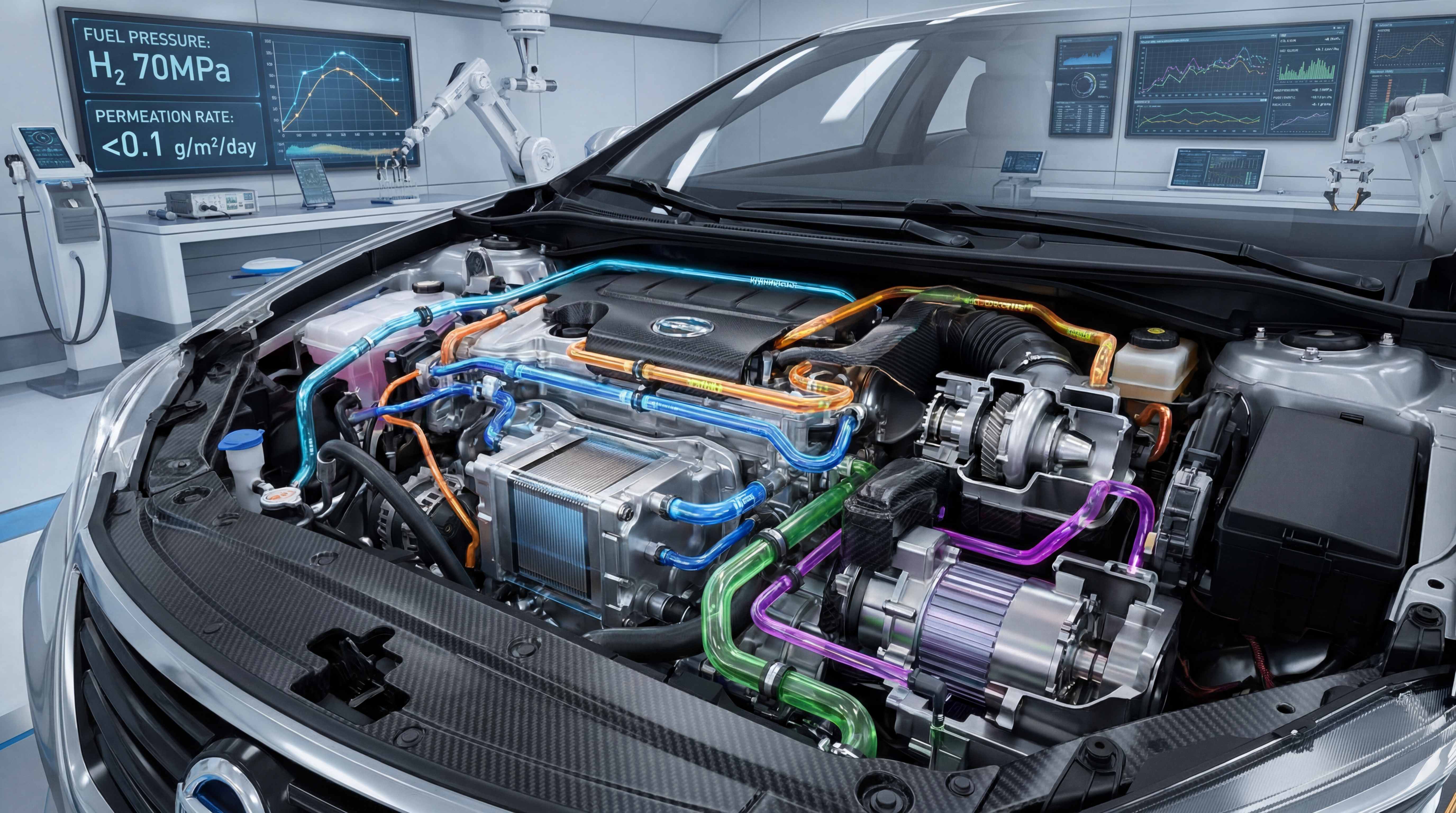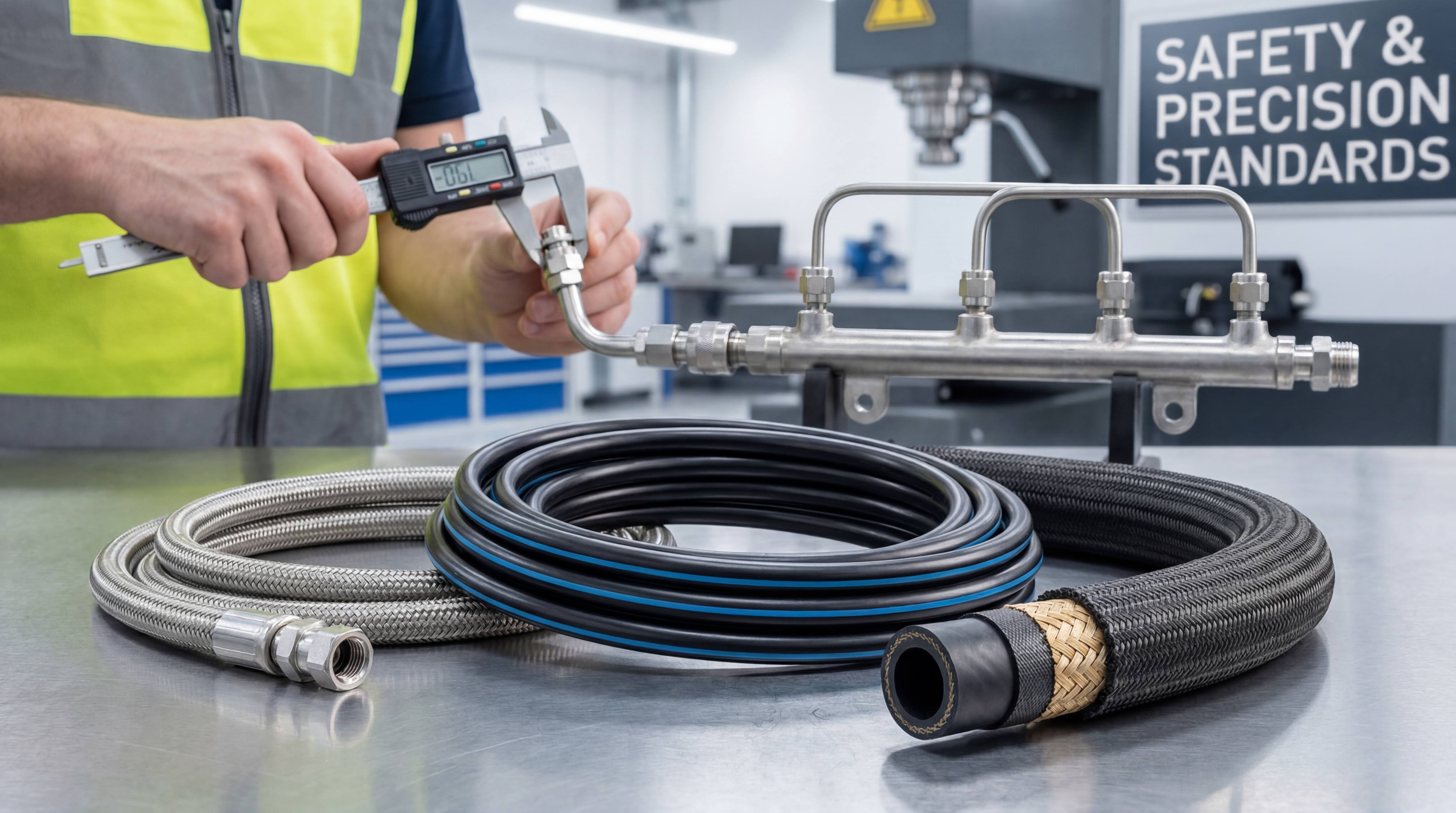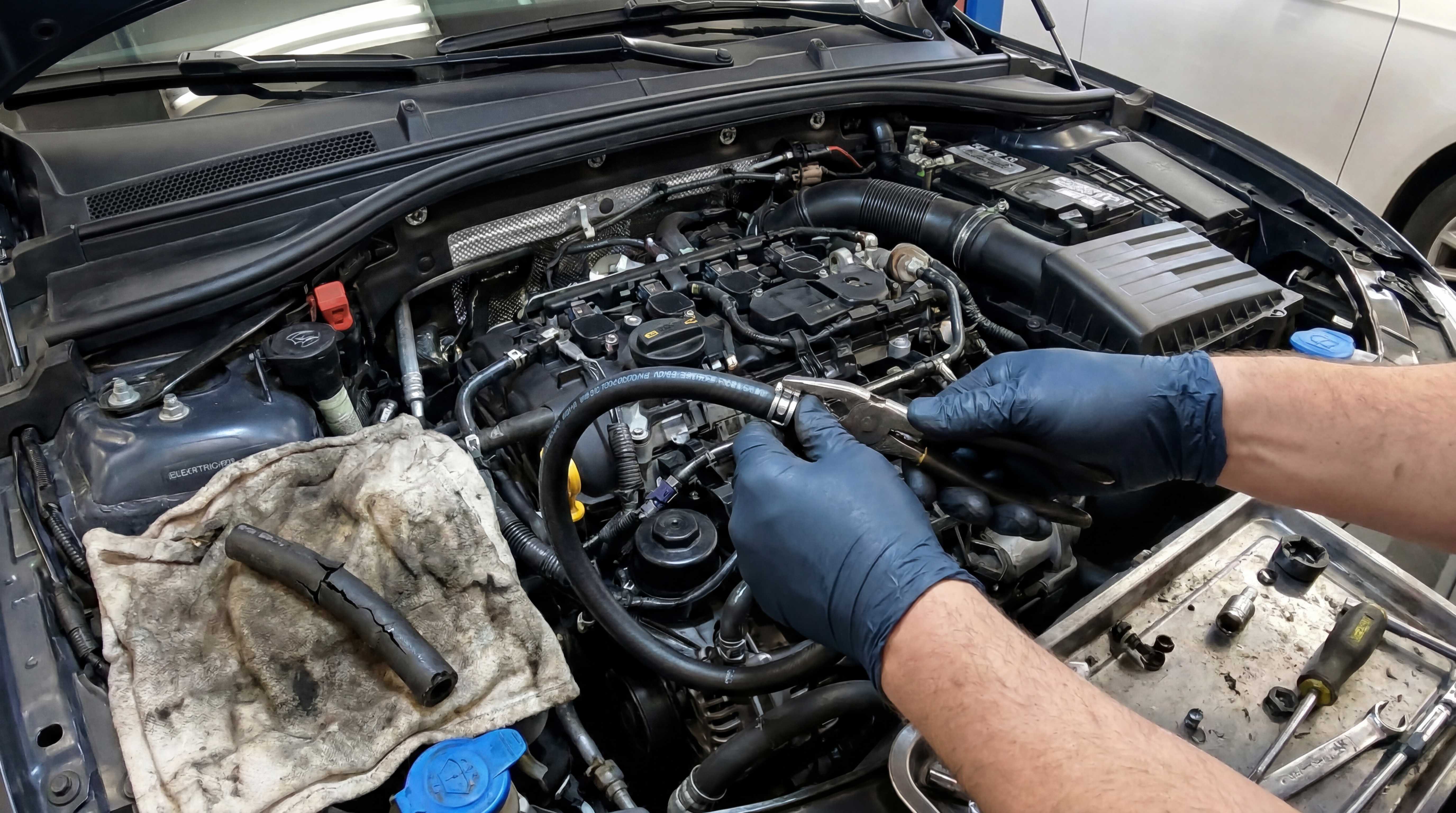
Why Modern Fuels Are Harder on Fuel Lines: Ethanol, E85, Methanol and Biodiesel Compatibility
Modern Fuel Is Not Always Friendly to Old Fuel Lines
For many years, fuel line selection looked simple. A vehicle needed a hose or tube that could carry gasoline or diesel from the tank to the engine. If the line did not leak and the size was correct, many users considered the job finished.
That thinking is no longer enough.
Modern fuel is more diverse, more chemically active and more regulated than the fuel environment many older vehicles were designed around. Gasoline may contain ethanol. Performance vehicles may use E85. Racing engines may run methanol. Diesel vehicles may encounter biodiesel blends. Hybrid vehicles may keep fuel in the system for longer periods between engine operation. Global markets may use different fuel blends, oxygenates, additives and emission-control requirements.
This creates a new question for fuel line design: Can the fuel line survive the fuel, not just carry it?
An E85 fuel line, an ethanol compatible fuel hose, a methanol fuel line and a biodiesel fuel hose are not only marketing phrases. They point to real compatibility concerns. A fuel line material may swell, harden, crack, soften, smell, seep, delaminate or lose sealing performance when exposed to the wrong fuel. A fitting seal may fail even when the hose looks fine. A vapor line may create odor even without visible liquid leakage. A repair that works with traditional gasoline may become unreliable with aggressive blends.
Modern fuel compatibility is not only about avoiding sudden failure. It is about maintaining pressure, flow, sealing, emissions control and service life over time. This is why fuel hose compatibility has become one of the most important topics in fuel delivery system design.
The Real Change: Fuel Chemistry Became Part of Line Design
A fuel line is exposed to two environments at the same time. The outside environment includes heat, vibration, road salt, abrasion, engine movement and installation stress. The inside environment is the fuel itself.
In older discussions, the outside environment often received most of the attention. People asked whether the fuel line was near the exhaust, whether it had enough clamps, whether it was rubbing against metal, or whether the tube could handle pressure. These are still important. But modern fuels have made the internal environment just as critical.
Fuel chemistry affects the inner liner of the hose, the tube wall, the fitting seals, the adhesive layers, the reinforcement and sometimes the outer cover. In a multilayer fuel hose, each layer has a purpose. The inner tube contacts fuel. The reinforcement controls pressure. The barrier layer may reduce vapor permeation. The cover protects against heat, ozone and abrasion. If the fuel attacks the wrong layer, the hose may fail from the inside out.
This is why a hose that looks acceptable externally may still be degrading internally. A mechanic may see no cracks on the outside, while the inner liner is swelling, softening or shedding particles. Those particles can move downstream and affect filters, regulators or injectors. A customer may smell fuel but see no wet leak because the issue is vapor permeation through the hose wall or seepage at seals.
Modern fuel compatibility is therefore a material science issue, not just a maintenance detail.
Ethanol-Blended Gasoline: The Everyday Compatibility Challenge

Ethanol-blended gasoline is one of the most common reasons fuel line compatibility matters. Ethanol is used in many markets as an oxygenate or renewable fuel component. Blends vary by region and fuel grade, but even moderate ethanol content can create challenges for older or unsuitable fuel hose materials.
Ethanol behaves differently from pure gasoline. It can interact with rubber compounds, plasticizers and elastomers in ways that older fuel hoses were not designed to handle. Over time, unsuitable hose may soften, swell, crack or become brittle. In some cases, ethanol exposure may contribute to fuel odor or internal hose degradation.
Ethanol also attracts water more readily than gasoline. Moisture in the fuel system can create additional corrosion concerns, especially in metal tanks, steel fuel lines, fittings and components not protected for that environment. This does not mean ethanol automatically destroys every fuel system, but it does mean material compatibility becomes more important.
For modern vehicles designed for ethanol-blended gasoline, the fuel lines, seals and connectors are usually selected with this environment in mind. The bigger risk appears in older vehicles, classic cars, small engines, modified vehicles or repair jobs where generic hose is used without checking compatibility.
An ethanol compatible fuel hose should be selected based on its fuel rating, pressure rating and intended application. It should not be assumed that any black rubber hose is safe. The phrase “fuel hose” itself is not enough. The product must be suitable for the fuel blend, pressure and location.
E85 Fuel Lines: Why High Ethanol Content Changes the Rules
E85 contains a much higher ethanol percentage than typical gasoline blends. It is popular in some performance communities because it can support high power when the fuel system and engine calibration are designed for it. But E85 also increases fuel system demands.
The first challenge is material compatibility. Because E85 contains a high ethanol content, any hose, seal or connector in contact with it must be compatible with ethanol-rich fuel. Some standard rubber hoses may not be suitable. Some seals may swell or degrade. Some older fuel system components may not tolerate long-term E85 exposure.
This is why E85 fuel line selection often points toward PTFE fuel line, specially rated rubber fuel injection hose, compatible nylon tubing or properly engineered fuel line assemblies. PTFE is widely valued in performance applications because of its strong chemical resistance and low vapor permeation. However, PTFE is not automatically the correct answer in every case. It still requires correct hose ends, proper installation and compatible fittings.
The second challenge is fuel volume. E85 often requires more fuel volume than gasoline for the same power output. This means the fuel pump, injectors, fuel line size, filter, regulator and return line may all need to be reviewed. A line that was large enough for gasoline may become marginal when the vehicle is converted to E85.
The third challenge is sealing. E85 compatibility is not only about the hose liner. O-rings, quick connectors, regulator diaphragms, injector seals and fuel pump components must also be compatible. A system can fail at a seal even when the main hose is correct.
For content and product selection, E85 should be treated as a system-level fuel. It is not enough to replace one visible hose and assume the entire vehicle is E85-ready.
Methanol Fuel Line Requirements in Racing and Specialty Applications
Methanol is often used in racing and specialty performance applications. It has very different fuel system requirements from gasoline. In many motorsport environments, methanol can support high performance, but it demands careful planning.
A methanol fuel line must be selected for chemical compatibility. Methanol can be aggressive toward some materials and seals. It can also require higher fuel volume than gasoline in many applications. This means the system may need larger lines, high-flow pumps, compatible regulators and suitable injectors or carburetor components.
Methanol also introduces storage and maintenance issues. Vehicles that run methanol may require more frequent inspection and flushing depending on the system and use pattern. The fuel can interact with moisture, and some components may be affected if methanol remains in the system for long periods.
For hose selection, PTFE is often considered because of its chemical resistance. However, the complete assembly must still be compatible: hose liner, hose ends, seals, fittings, pump components and filter elements. A single incompatible component can become the weak point.
Methanol fuel systems also need strong attention to flow path and cleanliness. Racing applications may use large lines and high-flow components. Contamination, internal hose shedding or incompatible materials can create performance and reliability issues.
For a Fuel Lines blog category, methanol is a useful topic because it shows the difference between ordinary automotive repair and true fuel system engineering. In racing, fuel line compatibility is not a minor product detail. It is part of engine safety and performance control.
Biodiesel and Diesel Fuel Hose Compatibility
Diesel fuel systems face their own compatibility challenges. Diesel fuel has different chemistry from gasoline, and biodiesel blends add another layer of complexity. A biodiesel fuel hose must be selected based on compatibility with the expected blend and operating environment.
Biodiesel can affect certain rubber compounds and seal materials differently from conventional diesel. Some materials may swell, soften or degrade depending on the blend percentage, temperature and exposure time. As with ethanol, the risk is often highest when older vehicles or unsuitable replacement hoses are used without checking specifications.
Diesel fuel systems may also include return lines carrying warm fuel back to the tank. Temperature and flow can affect hose life. In some systems, return flow is not a small afterthought; it is an active part of fuel management. Therefore, return lines should be compatible with diesel or biodiesel exposure, not treated as generic low-risk hoses.
Modern diesel systems also include high-pressure injection components. The extremely high-pressure side of a common rail diesel system requires specialized components and should not be confused with ordinary low-pressure fuel hose. However, low-pressure supply and return lines still need correct material, pressure rating and connector compatibility.
For global aftermarket content, biodiesel matters because fuel blends vary by market. A hose that performs well with one diesel formulation may not be approved for another. This makes clear product labeling and compatibility information important for B2B suppliers and distributors.
Fuel Hose Compatibility Is More Than the Inner Tube

Many users think fuel compatibility only means the inner wall of the hose can resist fuel. That is only part of the story.
A fuel hose may include several layers: an inner liner, reinforcement, barrier layer and outer cover. The inner liner contacts the fuel directly. The reinforcement controls pressure and expansion. The barrier layer reduces vapor permeation. The outer cover protects against heat, abrasion, ozone and environmental exposure.
If the inner liner is compatible but the hose end is not, the system can leak. If the hose liner is compatible but the barrier layer is poor, fuel odor may appear. If the hose is chemically compatible but not pressure-rated, it may fail in EFI service. If the hose is pressure-rated but installed near excessive heat, it may age early. If the hose is correct but the O-ring is wrong, the connector may seep.
This is why fuel hose compatibility should be treated as complete assembly compatibility. The hose, fitting, seal, clamp, connector, pump, filter and regulator must all match the fuel environment.
A high-quality fuel line article should help readers understand this layered view. Modern fuels do not only challenge the tube. They challenge the whole fuel delivery system.
PTFE Fuel Line and Modern Fuel Compatibility
PTFE fuel line is often discussed as a solution for ethanol, E85, methanol and other aggressive fuels. PTFE has strong chemical resistance and low vapor permeation, making it attractive for performance and multi-fuel applications.
In custom fuel systems, PTFE-lined braided hose is commonly used for feed lines, return lines and high-performance plumbing. It can reduce fuel smell compared with some traditional rubber hoses, especially in vehicles stored indoors. It also supports applications where fuel composition may be more demanding than ordinary pump gasoline.
However, PTFE fuel line must be assembled correctly. It typically requires PTFE-specific hose ends. The fitting must seal against the PTFE liner using the correct internal hardware. Standard hose ends for rubber braided hose should not be assumed to work. A mismatch can create leaks or poor retention.
PTFE also has routing limitations. It can be stiffer than rubber hose, so bend radius matters. If forced into a tight bend, it may stress the fitting or restrict flow. It should be routed with appropriate support and clearance from heat or abrasion.
PTFE should also be selected by quality and specification, not only by appearance. Stainless braid or nylon braid on the outside does not guarantee the liner quality, pressure rating or fuel compatibility. Buyers should review the hose specification, fitting compatibility and intended use.
In other words, PTFE is a strong modern fuel solution, but it is not a shortcut. It still belongs inside a correctly designed fuel line assembly.
Rubber Fuel Hose in the Age of Ethanol
Rubber fuel hose remains widely used because it is flexible, affordable and practical. It is not obsolete. However, modern fuels make proper rubber hose selection more important.
Older rubber fuel hoses may not be suitable for ethanol-blended gasoline or modern fuel injection pressure. Some hoses may allow higher vapor permeation. Others may degrade internally when exposed to fuel blends they were not designed for. This can lead to fuel smell, cracking, swelling or particles entering the fuel system.
Modern rubber fuel hose can be engineered for better compatibility. Some products use improved liners, reinforcement and barrier layers. Fuel injection hose, low-permeation hose and multi-fuel compatible hose are designed to address more demanding conditions than older low-pressure hoses.
The mistake is not using rubber. The mistake is using the wrong rubber.
A rubber fuel hose should be selected based on application: carburetor or EFI, gasoline or ethanol blend, diesel or biodiesel, feed line or return line, underbody or engine bay, low pressure or high pressure. The hose should have clear markings and technical data. If the specification is unclear, the hose should not be used in a critical fuel application.
For many repair and service jobs, a correctly rated rubber fuel hose is still the practical choice. But in ethanol and E85 environments, compatibility must be verified rather than assumed.
Nylon Fuel Lines and Fuel Blend Compatibility
Nylon fuel line is common in modern OEM fuel systems. It offers low weight, corrosion resistance and compatibility with quick-connect assembly methods. Many modern vehicles use nylon tubing because it supports efficient production and complex routing.
In fuel blend environments, nylon can perform well when the material grade and system design are selected correctly. OEM nylon fuel lines are engineered for specific fuel systems and regulatory requirements. However, not every nylon tube or repair kit is suitable for every fuel type.
When repairing or replacing nylon fuel line, compatibility must include the tube, connector, seal and installation method. A nylon repair section should match the diameter, fuel rating and connector type. Quick-connect fittings must seal properly and use compatible O-rings.
Heat is another concern. Nylon tubing should be routed away from high-temperature areas. A fuel-compatible tube can still fail if it is placed near exhaust components, turbochargers or other heat sources without protection.
For aftermarket content, nylon fuel lines are especially relevant because many users search for quick repairs. A damaged nylon fuel line may look simple to fix, but an improvised repair can be dangerous. The correct repair should use fuel-rated nylon tubing, proper connectors and approved installation techniques.
Metal Fuel Lines and Modern Fuel Concerns
Metal fuel lines are less vulnerable to some fuel chemistry issues than rubber or polymer hoses, but they are not free from compatibility concerns.
Steel lines can corrode, especially when exposed to road salt, moisture or damaged coatings. Ethanol’s relationship with water can increase concern in systems where moisture is present. Corrosion can weaken the line from the outside or inside depending on the conditions.
Stainless steel fuel lines improve corrosion resistance and are often used in restoration or high-quality replacement projects. However, fittings, flares and adapters must still be compatible with the fuel and the system pressure.
Aluminum fuel line is lightweight and easy to bend, but it must be protected from abrasion and fatigue. Copper-nickel tubing may offer corrosion resistance and formability in some applications, but it should be selected according to the intended use and applicable standards.
Metal fuel lines often require flexible sections at connection points. These short hose sections may be more vulnerable to fuel compatibility than the metal tube itself. For example, a stainless hard line connected by an unsuitable rubber hose can still create fuel smell or leakage. The system is only as compatible as its weakest material.
In modern fuel systems, metal line selection should be paired with correct hose, seals and connectors.
Vapor Permeation: The Leak You May Smell Before You See
One of the most important modern fuel line issues is vapor permeation. A fuel line may not show visible liquid leakage, but fuel vapor can pass through some hose materials. This can create fuel odor around the vehicle or inside a garage.
Vapor permeation is especially important with modern emissions expectations. Fuel vapor loss is not just unpleasant; it is part of evaporative emissions control. Modern fuel hose designs often use barrier layers to reduce permeation.
Ethanol and fuel blends can influence odor and permeation behavior. Some older hose materials may allow more vapor transmission than modern low-permeation hoses. Performance vehicles using long runs of unsuitable hose may develop a persistent fuel smell even when no liquid leak is visible.
A low permeation fuel hose is designed to reduce vapor passing through the hose wall. This can be important in street-driven vehicles, enclosed storage environments and emission-sensitive applications.
For B2B buyers, low permeation is a value point because it connects product design with regulatory and user-experience concerns. For content readers, it explains why “no visible leak” does not always mean “no fuel line problem.”
Seals, O-Rings and Connectors Must Also Be Fuel-Compatible
Modern fuel compatibility often fails at small components. O-rings, gaskets, quick connector seals, regulator diaphragms, injector seals and pump module seals must all match the fuel environment.
Ethanol, E85, methanol and biodiesel can affect seal materials differently. A seal may swell, harden, crack or lose elasticity. When this happens, the fuel line connection may seep or lose pressure even if the hose itself is compatible.
Quick-connect fuel line systems are especially seal-dependent. The connector body may lock firmly, but the O-ring creates the seal. If the seal material is not compatible with the fuel, leakage can occur. This is why repair kits should be selected carefully.
AN fittings and hose ends may also include seals depending on the port type. AN flare connections seal differently from O-ring boss ports or pipe thread adapters. If the wrong seal or adapter is used, the system may leak regardless of fuel line material.
A complete compatibility review should include:
Fuel hose or tube material.
Hose end or connector type.
Seal and O-ring material.
Fuel pump and regulator compatibility.
Filter element compatibility.
Fuel rail and injector seal compatibility.
Return line and vapor line compatibility.
This system-level view is especially important for E85 conversions, methanol racing systems and biodiesel applications.
Temperature Makes Fuel Compatibility More Complex
Fuel compatibility is not only about chemical exposure at room temperature. Temperature changes the situation.
Fuel lines near the engine, exhaust, turbocharger or fuel rail may see higher temperatures than lines near the tank. Heat can accelerate aging, increase vapor pressure, soften materials and stress seals. A hose that survives a fuel at low temperature may degrade faster when exposed to heat.
Return fuel systems can also move warm fuel back to the tank. In some applications, fuel temperature rises during operation. This can affect hose life, vapor behavior and pressure stability.
Cold temperature matters too. Some materials become less flexible in cold environments. A line that is bent, vibrated or stressed when cold may behave differently from the same line in a warm shop.
For global markets, temperature range should be part of product selection. A fuel line used in a hot engine bay, cold climate, off-road vehicle or commercial fleet may need different protection than a line used in a mild street vehicle.
Modern fuel line design must combine chemical compatibility with temperature resistance. One without the other is incomplete.
How Modern Fuel Problems Appear in Real Vehicles

Fuel compatibility problems do not always appear immediately. Many failures develop slowly.
One common sign is fuel odor. The vehicle may smell like fuel after driving, during storage or inside a garage. This may come from vapor permeation, seepage at connectors, cracked hose or fuel system vent issues.
Another sign is hose swelling or softening. A fuel hose may feel spongy, enlarged or oily. This can indicate chemical attack or material incompatibility.
Cracking and hardening are also common. A hose exposed to heat and fuel may become brittle over time. Cracks may appear near bends, clamps or fittings.
Internal degradation is harder to see. A hose liner may break down and release particles. These particles can clog filters, regulators or injectors. The outside of the hose may still look acceptable.
Pressure instability can also point to fuel line or seal problems. In EFI systems, a small leak, restriction or internal hose issue can create tuning problems. In return systems, incompatible or restricted return lines can affect pressure control.
Visible leakage is the most serious sign. Any fuel wetness, dripping or staining near a line, fitting or connector should be treated as a safety issue.
The key point is that fuel compatibility failures can be hidden. A fuel line should be inspected based on age, fuel exposure and specification, not only visible appearance.
Selecting Fuel Lines for Ethanol, E85, Methanol and Biodiesel

The best fuel line selection process begins with the fuel, not the product catalog.
For ethanol-blended gasoline, choose fuel-rated hose or tubing designed for modern gasoline blends. Avoid old or unmarked hose. Check pressure rating and vapor permeation performance if the line is used in a street vehicle.
For E85, review the entire fuel system. Use E85-compatible hose, seals, fittings, pump components, regulator and injectors. Consider PTFE fuel line or properly rated multi-fuel hose where appropriate. Also review line size because E85 may require more fuel volume.
For methanol, select materials and seals specifically compatible with methanol. Consider the higher volume demands and racing maintenance requirements. Do not assume gasoline-rated components are suitable.
For biodiesel, check compatibility with the expected biodiesel blend. Use hose and seals rated for diesel and biodiesel exposure. Pay attention to return lines and warm fuel circulation.
For unknown or mixed fuel environments, prioritize clearly specified multi-fuel compatible products. Avoid vague descriptions. “Fuel resistant” is not as useful as a defined compatibility statement, pressure rating and application range.
For professional buyers, documentation matters. A good product should provide material information, pressure rating, temperature range, fuel compatibility and installation guidance. For content publishers, explaining how to read these factors helps users make safer decisions.
Retrofitting Older Vehicles for Modern Fuels
Older vehicles are especially vulnerable to modern fuel compatibility issues. Classic cars, carbureted vehicles, older motorcycles, vintage trucks and restored engines may use materials designed before today’s fuel blends became common.
When retrofitting an older vehicle, replacing only the visible cracked hose may not be enough. The tank, pickup, hard lines, rubber sections, pump diaphragm, carburetor seals, filter seals and vent lines may all need review.
A common upgrade is replacing old rubber hose with modern ethanol compatible fuel hose. In performance or custom builds, PTFE fuel line may be selected to reduce fuel odor and improve chemical resistance. In restoration projects, metal lines may be replaced with steel, stainless or other suitable tubing, while flexible sections are upgraded to modern fuel-rated hose.
Fuel pump compatibility should also be checked. Some older mechanical pump diaphragms may not tolerate modern blends well. Carburetor components and needle seats may also be affected depending on materials.
For older vehicles, the goal is not only preserving appearance. It is creating a safe fuel delivery system for today’s fuel environment.
B2B Perspective: Why Compatibility Data Sells Better Than Generic Claims

For B2B fuel line suppliers, compatibility is not just a technical detail. It is a trust signal.
Many product pages say “high quality fuel hose” or “durable fuel line,” but serious buyers need more specific information. They want to know fuel compatibility, pressure rating, temperature range, material structure, reinforcement, connector options, standards, packaging and application limits.
A distributor serving multiple markets may need products for gasoline, ethanol blends, E85, diesel, biodiesel and racing fuel. A repair chain may need clear compatibility to avoid customer complaints. An industrial buyer may need repeatable supply and documentation. A performance shop may need PTFE hose and matched hose ends. An OEM-style supplier may need low-permeation assemblies and quick connectors.
This is why modern fuel compatibility content has commercial value. It helps buyers understand what they should ask for. It also helps suppliers position their products beyond price.
A strong fuel line supplier should not only sell hose by meter. It should help customers avoid mismatch between fuel, material, connector and system pressure.
Future Direction: Multi-Fuel, Low-Permeation and Assembly-Level Design

Fuel line technology will continue to move toward multi-fuel compatibility, low permeation and assembly-level solutions.
Multi-fuel compatibility matters because global fuel markets are not uniform. Vehicles may encounter different ethanol levels, diesel blends, biodiesel content or alternative fuels depending on region and use. A fuel line product that can support broader compatibility gives distributors and installers more confidence.
Low-permeation design will remain important because emissions and fuel odor concerns will not disappear. Even as electrification grows, internal combustion and hybrid vehicles will continue to need safe and controlled fuel storage and delivery.
Assembly-level design is also becoming more important. A modern fuel line is often not just a hose. It may include quick connectors, seals, formed tubing, protective sleeves, clips and routing features. Compatibility must be built into the complete assembly.
This future direction favors suppliers and content platforms that can explain fuel lines as engineered systems. The market is moving away from simple “rubber hose replacement” thinking and toward complete fuel delivery compatibility.
Conclusion: Modern Fuel Requires Modern Fuel Line Thinking
Modern fuels are harder on fuel lines because they introduce more chemical, pressure, vapor and compatibility challenges than older fuel environments. Ethanol-blended gasoline, E85, methanol and biodiesel can affect hose liners, seals, fittings, vapor permeation and long-term reliability.
The solution is not to choose one material for every application. PTFE fuel line, rubber fuel hose, nylon tubing and metal fuel line each have a role. The correct choice depends on fuel type, pressure, temperature, routing, connector design and service environment.
For ethanol and E85, compatibility should be verified throughout the fuel system. For methanol, chemical resistance and fuel volume must be planned carefully. For biodiesel, hose and seal compatibility should match the expected blend. For older vehicles, modern fuel-rated replacements may be necessary even if the original routing remains unchanged.
A reliable fuel line does not simply carry fuel. It resists the fuel, seals the fuel, controls vapor, supports pressure and protects the system over time.
For vehicle owners, the lesson is to avoid generic hose and uncertain repairs. For mechanics, the priority is correct specification and complete system compatibility. For B2B buyers, the value lies in documented fuel compatibility and assembly-level reliability. For industrial component content, this topic shows why Fuel Lines is not a basic spare part category. It is a material, fluid transfer and vehicle system engineering topic.
Modern fuel changed the rules. Fuel line selection must change with it.
Focused FAQ
What is an E85 fuel line?
An E85 fuel line is a fuel hose, tube or assembly designed to handle ethanol-rich fuel. It should be compatible with E85 fuel chemistry, pressure requirements, seals and fittings.
Can regular rubber fuel hose be used with ethanol?
Only properly rated ethanol compatible fuel hose should be used. Ordinary rubber hose may swell, crack, soften or allow fuel vapor permeation when exposed to ethanol blends.
Is PTFE fuel line good for E85?
PTFE fuel line is commonly used for E85 because it has strong chemical resistance and low vapor permeation. It must be paired with PTFE-compatible hose ends and correct fittings.
Does E85 require larger fuel lines?
E85 often requires more fuel volume than gasoline for the same power output. In performance systems, larger fuel lines, pumps, injectors and return lines may be needed.
What fuel line is best for methanol?
A methanol fuel line should use materials and seals specifically compatible with methanol. PTFE is often considered, but the full fuel system must also be compatible.
Can biodiesel damage fuel hoses?
Biodiesel blends can affect some rubber compounds and seals. A biodiesel fuel hose should be selected based on compatibility with the expected fuel blend and temperature conditions.
What is fuel hose compatibility?
Fuel hose compatibility means the hose material, liner, reinforcement, seals and connectors can safely handle the fuel type, pressure, temperature and service environment.
Why does my vehicle smell like fuel without a visible leak?
Fuel odor may come from vapor permeation, seepage at fittings, damaged seals, cracked hose or vent system problems. A visible liquid leak is not the only possible cause.
Are low permeation fuel hoses important?
Yes. Low permeation fuel hoses help reduce fuel vapor passing through the hose wall, which can reduce fuel odor and support evaporative emissions control.
Should older vehicles upgrade fuel lines for modern fuels?
Many older vehicles may benefit from modern fuel-rated hose, compatible seals and updated fuel line materials because their original components may not have been designed for current ethanol-blended fuels.
#E85FuelLine #EthanolFuelHose #MethanolFuelLine #BiodieselFuelHose #FuelHoseCompatibility #FuelLineMaterial #PTFEFuelLine #LowPermeationFuelHose #AlternativeFuelLine #AutomotiveFuelSystem #FuelDeliverySystem #IndustrialComponents #MetalPipesAndBending #GEOContent