上传


Member Center
Exit
Data is empty
0
qr Code Url

Scan the QR code to visit the mobile website

  • Home
  • Industrial
  • Renewable
  • Building & Home
  • Water Treatment
  • Automation
  • Kitchen
Home -News -Building & Home Improvement -Functional Fabrics -
Tent
-
Four different tent stakes on a canvas mat, with a green tent and wooded hillside in the background.
2026-10-28

How to Choose Tent Stakes for Sand, Soft Soil and Hard Ground

Choose tent stakes around the ground, shelter attachments, and complete kit. Compare general-purpose, soft-soil, sand, and hard-ground designs, review current manufacturer examples, and use practical compatibility, purchasing, and rental-return checks before selecting a set.
Learn more
Tent on wet grass in the rain, with inset illustrations of fly-first, inner-first, and combined setup.
2026-10-23

Can You Pitch a Tent in the Rain Without Getting the Inner Wet?

Rain can reach a tent's sleeping area before the shelter is fully pitched. Compare fly-first, linked and inner-first setups, identify the accessories each method needs, and plan setup and takedown around the exact model. Includes current manufacturer examples and a practical demonstration checklist for campers, retailers and rental operators.
Learn more
Two 25-inch sleeping pads side by side inside a tent, with a diagram showing their combined 50-inch width.
2026-10-22

Will Two Wide Sleeping Pads Fit in a 2-Person Tent?

Two wide sleeping pads need more than a two-person label. Learn how to compare floor plans, account for tapered ends and thicker pads, and check the complete sleeping setup. Includes current product examples and a compatibility checklist for retailers, importers and rental operators.
Learn more
Tent packing infographic showing folding, rolling and stuffing methods, separate poles, bag-fit checks and storage examples.
2026-10-19

Should You Fold, Roll or Stuff a Tent? Packing Rules by Fabric

Packing advice changes with the tent model, fabric and hardware. Compare current brand instructions for woven and composite shelters, handle a wet pack-up, and separate trip packing from dry storage. Includes practical carry-bag, packed-size and care-instruction checks for retailers, importers and rental fleets.
Learn more
Infographic comparing a taut tent rainfly in dry weather with a sagging rainfly in rain, with fabric and guyline details.
2026-10-16

Why Does a Tent Sag When Wet? Rainfly Fixes and Fabric Buying Checks

A loose rainfly can come from wet fabric, slipping adjusters or a changing pitch. Learn how to trace the cause, restore fly-to-inner clearance and manage tension as the tent dries. Includes a practical framework for retailers, rental fleets and importers evaluating low-stretch fabric claims.
Learn more
Tent footprint guide comparing floor outlines, groundsheet sizing, rain exposure and model compatibility.
2026-10-14

Should a Tent Footprint Be Smaller Than the Tent? Fit, Rain and Buying Checks

An oversized groundsheet can collect rain, but some footprints intentionally cover vestibules. Learn how to check the floor outline, trace water under a tent, compare tarps with fitted accessories, and verify compatibility for personal purchases, retail bundles and rental fleets.
Learn more
Comparison of bright and dark tent interiors with close-ups of fabric, a roof vent, a doorway gap and a packed tent.
2026-10-13

Blackout Tents and Heat: What Buyers Should Check Before Paying More

A darker tent is not automatically a cooler tent. Separate light blocking from heat reduction, compare manufacturer claims, and check ventilation in real sleeping conditions. Includes a buying checklist and a practical comparison framework for campers, retailers, rental operators, and importers.
Learn more
Illustrated leak checks showing a person listening beside an air beam, a bubble close-up, and inspection records.
2026-10-12

Why Is My Inflatable Tent Losing Air Valves, Temperature, and Leak Checks

A soft air beam does not always mean a puncture. Learn how to distinguish temperature changes, valve problems, and actual leaks, document a repeatable pressure check, and choose the right service route. Includes practical records for retailers, rental operators, and importers.
Learn more
Warehouse staff inspecting cartons beside tent bags and poles at an open shipping container.
2026-10-01

Tent Packaging for Sea Freight: Moisture Control from Factory to Warehouse

A B2B guide to protecting tent consignments from moisture and handling damage. Define packing readiness, compare protective enclosures, review desiccant proposals, select transport tests, and connect loading records with warehouse inspection and release decisions.
Learn more
Close-up of blue tent fabric showing stitched seams, sealing tape, and a seam intersection.
2026-09-30

Tent Seam Process Validation: From Approved Samples to Repeatable Production

A B2B guide to validating tent seams before volume production. Define the joint, separate taping from welding, select suitable tests, establish an operating window, and control substitutions, rework, and release evidence. Includes practical records and an illustrative cost comparison.
Learn more
Comparison of a low-cost glamping tent and premium accommodation unit showing different lifecycle value.
2026-09-26

Glamping Tent Total Cost of Ownership: Cost per Occupied Tent-Night

A B2B model for comparing glamping tents by lifecycle economics rather than purchase price. Learn how installed cost, maintenance, downtime, replacement, residual value, occupancy, and room-service costs change the real cost of every occupied tent-night.
Learn more
Workers installing ground anchors and concrete ballast beside a temporary event tent structure.
2026-09-25

Commercial Tent Engineering Documents: Wind Loads, Snow Loads, and Anchoring

A procurement-focused guide to the engineering documents behind commercial tents. Learn how to review wind and snow design criteria, anchor reactions, ballast and staking plans, site assumptions, controlled-occupancy procedures, and change control before approving a temporary structure.
Learn more
Safety personnel reviewing documents beside a large commercial event tent.
2026-09-24

Tent Fire Test Reports: What Buyers Must Verify Before Procurement

A practical guide to verifying tent fire test reports before purchase. Learn how to match standards to recreational and commercial tents, trace reports to production materials, review NFPA 701 and ASTM F3431 evidence, control material changes, and build a permit-ready fire-performance evidence pack.
Learn more
Buyer reviewing a tent fabric quote, PFAS supplier declaration and laboratory report to define claim scope.
2026-09-23

PFAS-Free Tent Fabrics: How Buyers Verify Supplier Claims

A buyer’s guide to checking PFAS-free tent fabric claims without confusing chemical declarations, laboratory results, and product compliance. Compare testing routes, define component coverage, review market-specific rules, and revalidate water resistance, seams, and durability after material changes.
Learn more
Tent production line with sewing stations, fabric panels and bins of poles and accessories.
2026-09-22

OEM Tent Sourcing: Supplier Audits, Sample Approval, and Production Quality

Source tents that match the approved sample throughout production. This guide connects factory audits, controlled bills of materials, sample sign-off, pilot builds, supplier scorecards, and spare-parts planning for brands, importers, and private-label buyers.
Learn more
Tent fabric testing scene with laboratory staff reviewing a workflow diagram beside a fabric roll.
2026-09-21

Tent Fabric Testing and Quality Control: From Lab Reports to Batch Acceptance

A practical guide to deciding whether delivered tent fabric can enter production. Learn how to verify laboratory reports, define manufacturing lots, select relevant tests, build sampling plans, handle borderline results, and document release or rejection without confusing sample approval with batch acceptance.
Learn more
Tent fabric samples beside supplier RFQ documents and a laptop for quotation comparison.
2026-09-20

Tent Fabric RFQ Template Key Specifications for Comparable Supplier Quotes

Build a supplier-ready tent fabric RFQ that separates material specifications from sales claims. This procurement guide includes a practical request template, a worked quote comparison, coating and usable-width checks, MOQ questions, and an approval workflow for brands, manufacturers, and sourcing teams.
Learn more
Field repair and material analysis on a tent using recycled polyester and PFAS-free coating, showing how repairable design is shaping the future of tents
2026-04-23

The Next Tent Will Not Be Defined by One Material How Sustainability, Repairability, and Adaptive Design Are Reshaping the Future of Shelter

The future of shelter will not be decided by a single fabric or one breakthrough spec. It will be shaped by how brands combine sustainable tent fabric, repairable tent design, PFAS-free tent chemistry, recycled tent fabric systems, modular tent system logic, and adaptive shelter design into products that deliver stronger long-term value, clearer purpose, and more human-centered outdoor living.
Learn more
Large clear span event tent operating as a fully functional commercial venue with crowd circulation, lighting, and temporary building infrastructure
2026-04-23

When a Tent Starts Acting Like a Building: How Commercial Tent Systems Redefine Space, Speed, and Functional Architecture

The modern tent industry is no longer defined only by outdoor recreation. In commercial, industrial, event, warehousing, and semi-permanent space planning, tents are increasingly being used as fast, flexible, and highly engineered building systems. This article explains how commercial tent architecture, PVC membrane performance, clear span structures, and modular deployment logic are reshaping the way organizations create functional space.
Learn more
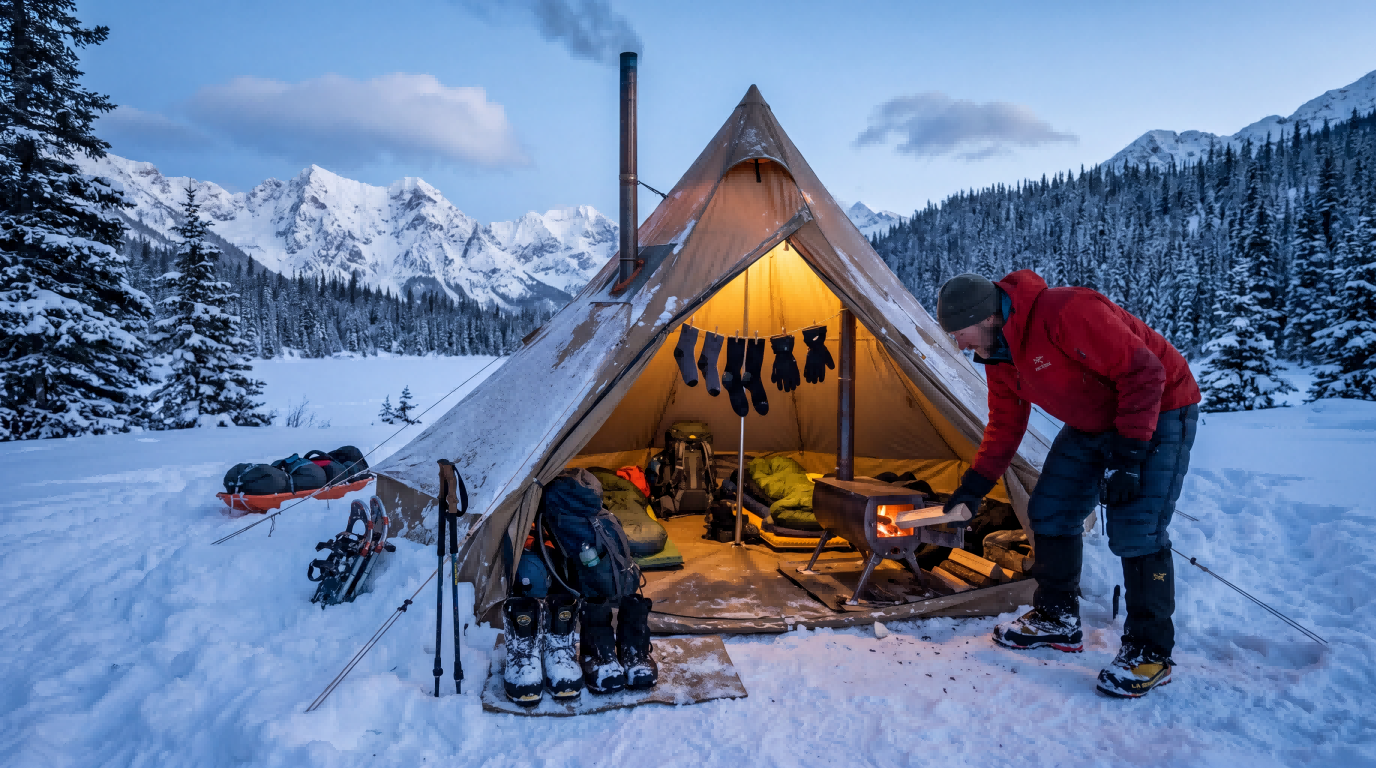
Backcountry hot tent with stove jack and floorless winter setup, showing heat management, gear drying, and cold-weather camp recovery
2026-04-22

A Winter Tent Is Not Just a Stronger Tent How Hot Tents, Stove Jacks, and Floorless Shelter Logic Redefine Cold-Weather Camping

Many people think a winter tent is simply a stronger version of a regular shelter, but cold-weather camping demands a completely different design logic. This article explains how hot tents, stove jack integration, floorless shelter systems, heat retention, moisture control, and gear-drying workflow are transforming what a winter camping shelter is expected to do.
Learn more
Family camping tent interior showing how shared sleeping space, entry clutter, and daily routines shape real camp comfort
2026-04-22

A Family Camping Tent Is Not Just a Bigger Tent: How Space, Workflow, and Weather Forgiveness Define Real Camp Comfort

In the modern outdoor market, family tents are often marketed by sleeping capacity alone, but real camp comfort depends on far more than how many people can fit inside. This article explains why a family camping tent should be understood as a temporary living environment shaped by room layout, airflow, entry design, weather forgiveness, setup stress, and the daily routines of real people rather than abstract capacity numbers.
Learn more
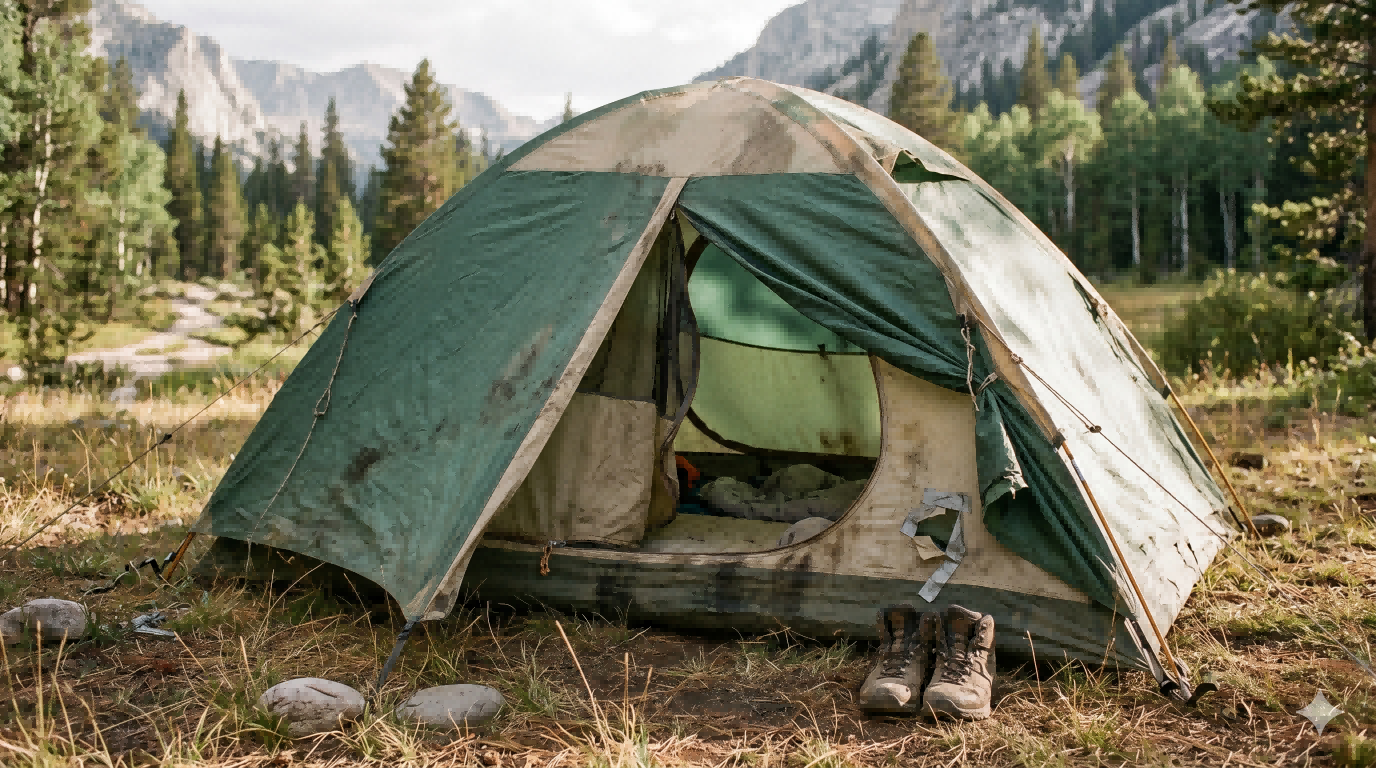
A heavily worn camping tent in the field, illustrating how dirt, weathering, and long-term exposure gradually reduce tent lifespan
2026-04-22

A Tent Does Not Fail Overnight How UV, Moisture, Storage, and Repair Define Real Tent Lifespan

Most people think a tent fails in one dramatic moment, but real shelter decline usually happens slowly through sunlight, moisture, abrasion, poor storage, and neglected repair. This article explains why tent lifespan is not just a factory specification, but the result of material aging, ownership behavior, product matching, and maintenance discipline over time.
Learn more
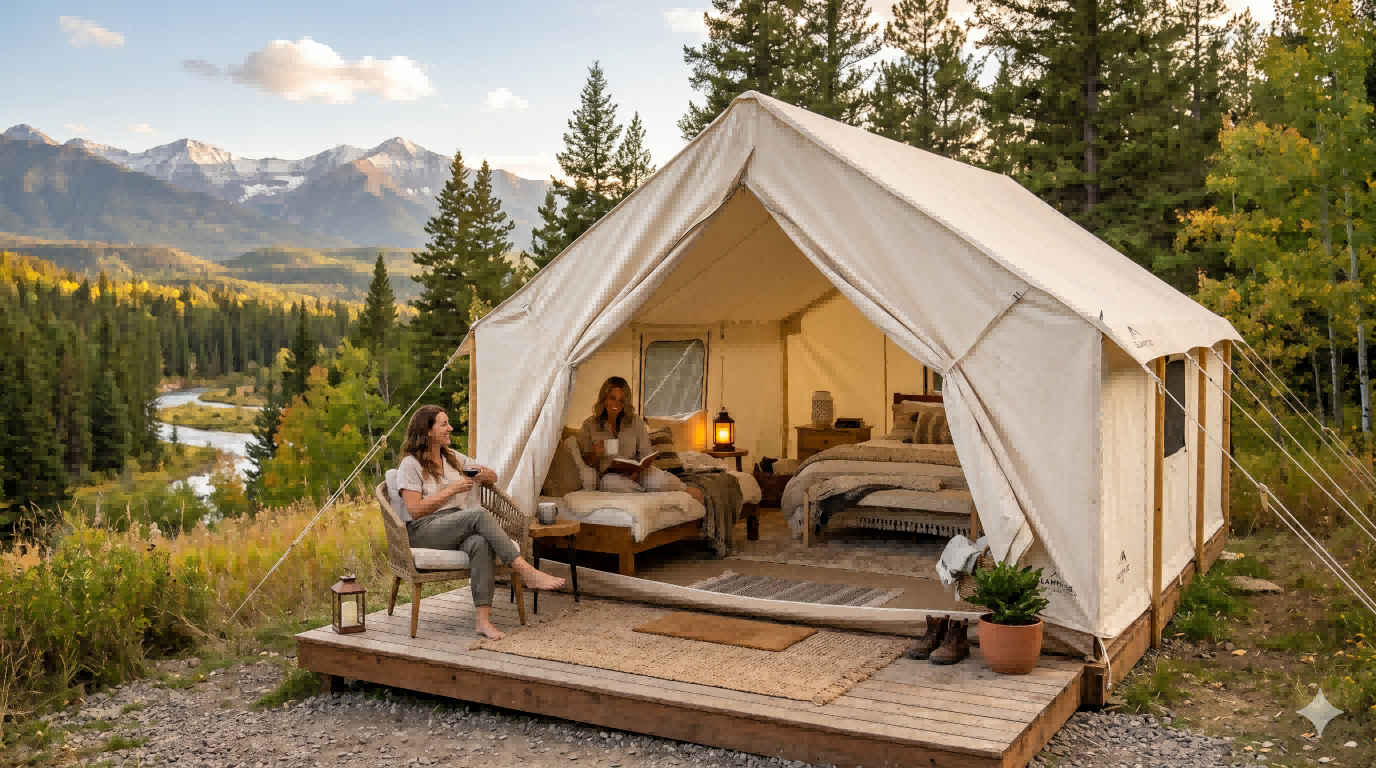
Luxury canvas tent in a mountain glamping setting showing breathable shelter comfort and long-stay outdoor living
2026-04-22

Why Canvas Tents Are Back: How Breathability, Comfort, and Long-Stay Shelter Logic Are Reshaping the Tent Market

For years, the tent market treated canvas as old-fashioned and overly heavy, but that judgment only made sense when mobility was the main metric. Today, as glamping, hospitality, long-stay family camping, and comfort-led outdoor living continue to grow, canvas tent systems are being re-evaluated not as nostalgic products, but as serious shelter solutions built around breathable tent fabric, climate comfort, durability, and long-term user experience.

Learn more
Different tent architectures in one mountain landscape, from trekking pole and backpacking tents to family camping and expedition shelters
2026-04-22

A Tent Is Not Better Because It Is Lighter: How Shelter Architecture Defines Real Performance From Ultralight to Family Camping

In today’s tent market, buyers often compare shelters by weight, size, or season label alone, but real tent performance begins with structure. This article explains how freestanding, semi freestanding, trekking pole, base camp, and comfort-oriented tent designs solve different outdoor problems—and why the best tent is always the one whose architecture matches the way it will actually be used.
Learn more
Two backpacking tents in a cold alpine campsite showing how shelter design and weather conditions affect interior condensation risk
2026-04-22

Tent Condensation Is Not a Leak: How Ventilation, Shelter Geometry, and User Behavior Define Dryness Inside a Tent

Many campers think moisture inside a tent means the fabric has failed, but in real outdoor use, condensation is usually a system issue rather than a waterproof failure. This article explains how tent ventilation, shelter geometry, site selection, fabric behavior, and user habits work together to determine whether a tent stays dry and livable.
Learn more
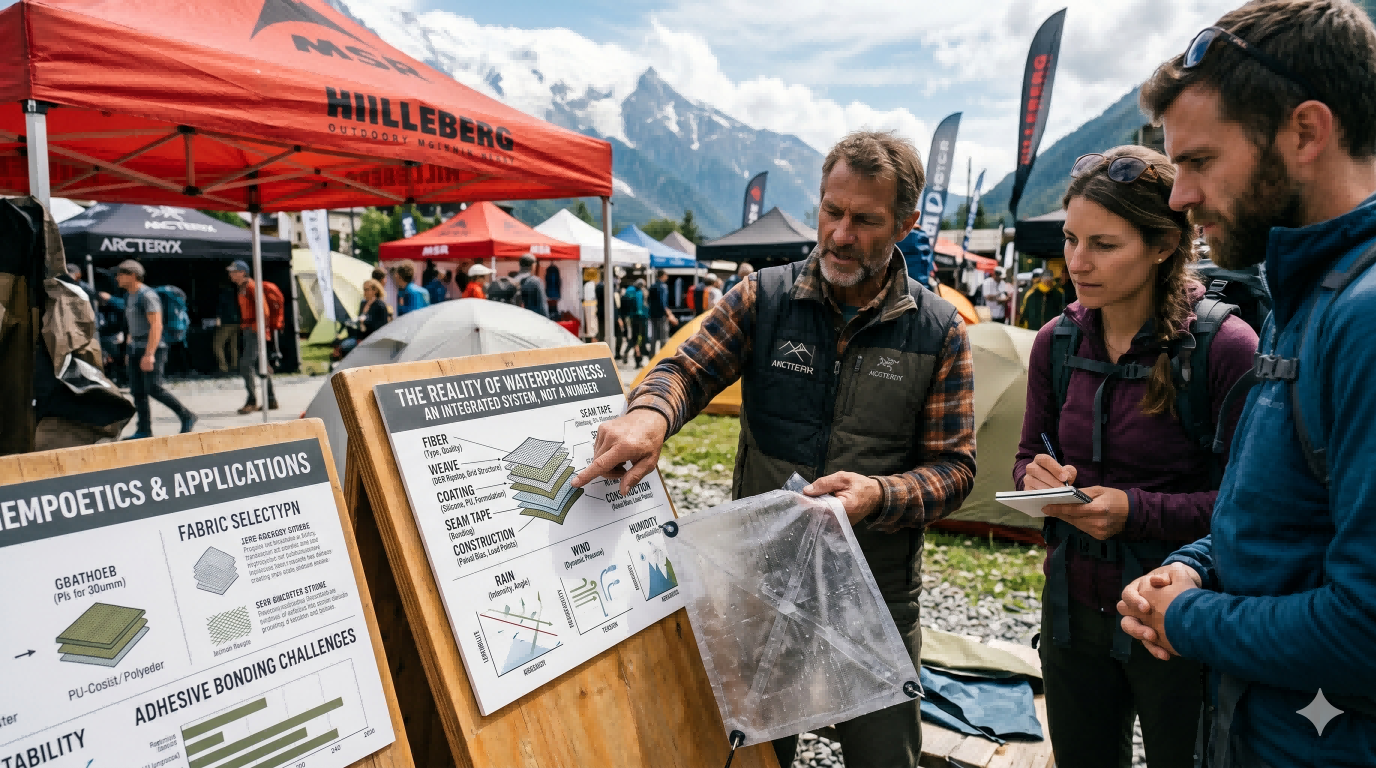
Field demonstration explaining why waterproof tent fabric depends on coatings, seams, construction, and real outdoor forces
2026-04-22

Waterproof Tent Fabric Is Not Just a Number How Ratings, Coatings, and Construction Define Real Shelter Performance

Most tent buyers focus on a single waterproof number, but real shelter performance depends on far more than hydrostatic head alone. This article explains how coating systems, seam sealing, fabric selection, floor construction, and rainproof tent design work together to determine whether a tent performs well in the field.
Learn more
Field testing a mountain tent in alpine conditions to evaluate real-world fabric performance
2026-04-22

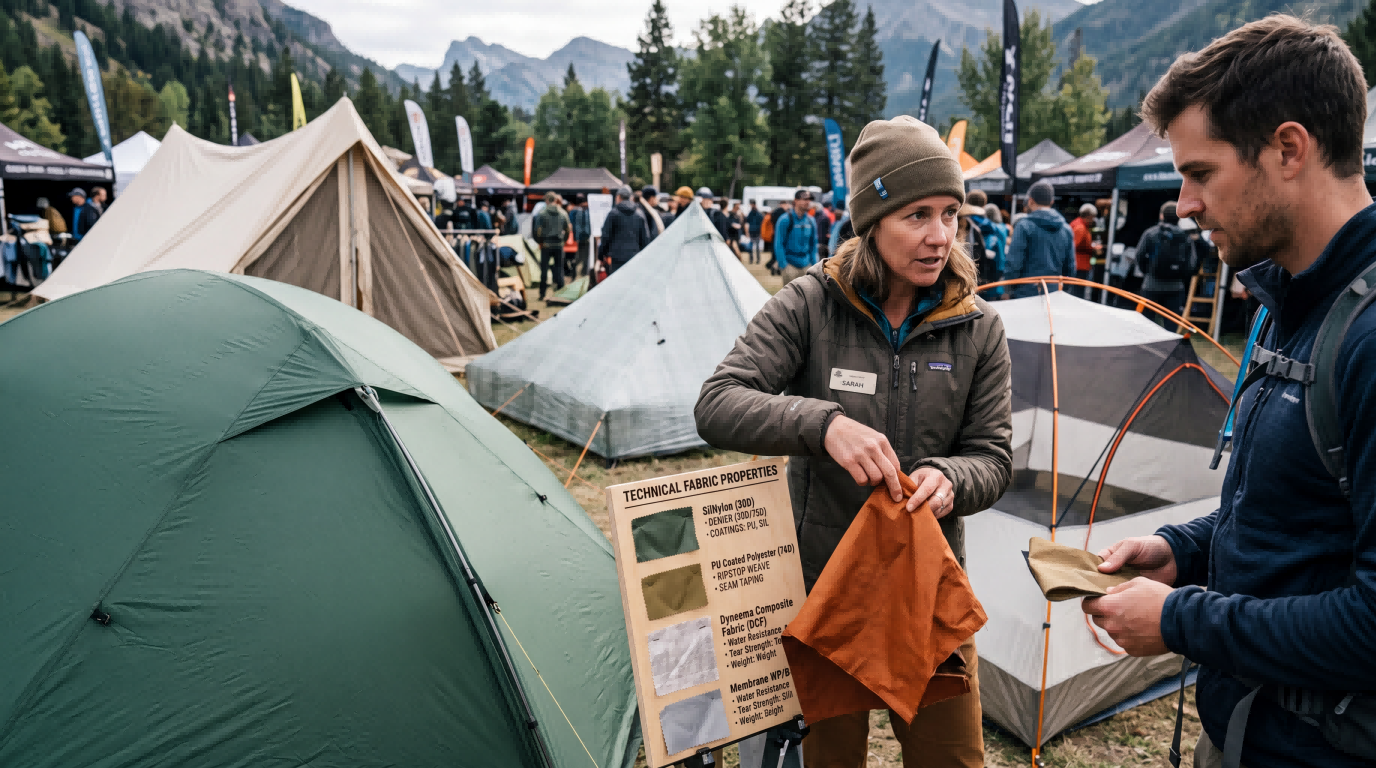
Tent Fabric Explained: Why Nylon, Polyester, Canvas, and Dyneema Create Completely Different Shelter Systems

This article goes beyond simple tent buying advice and explains how fabric selection changes the entire shelter system. From nylon and polyester to canvas and Dyneema, it shows why weight, waterproofing, breathability, stability, durability, and comfort are never separate decisions in tent design.
Learn more
  • 1
    Sitemap

    Industrial Components

    Kitchen Appliances

    Renewable Energy

    Building & Home Improvement

    Chemicals & Water Treatment

    Robotics & Automation

    Email:robertkileyman@gmail.com

    (508676)
    0
    Service

    Email
    comment