















Scan the QR code to visit the mobile website
April 10th, 2026
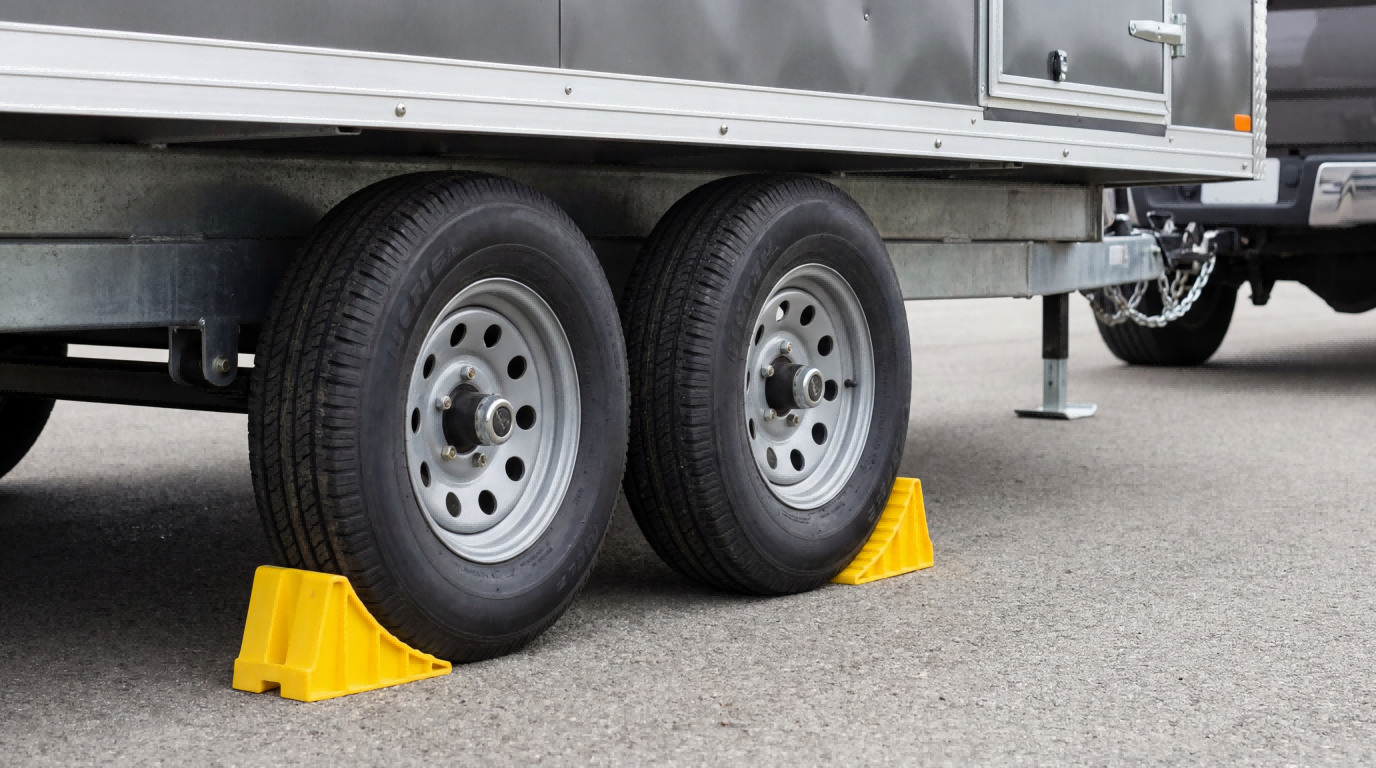
How to Safely Jack Up a Dual-Axle Trailer for Tire Changes and Maintenance
Learn how to safely jack up a dual-axle trailer for tire changes and maintenance, including jack points, wheel chocks, jack stands, and common lifting mistakes to avoid.
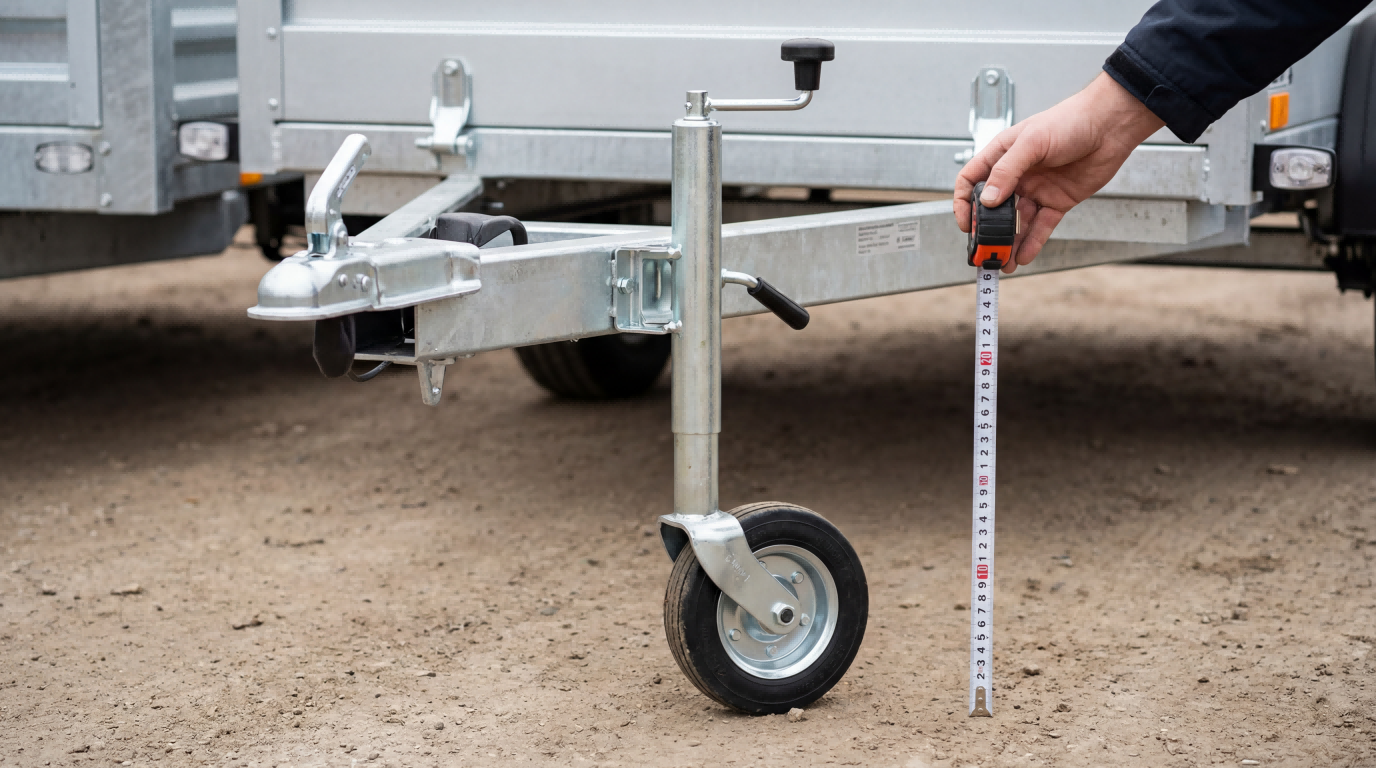
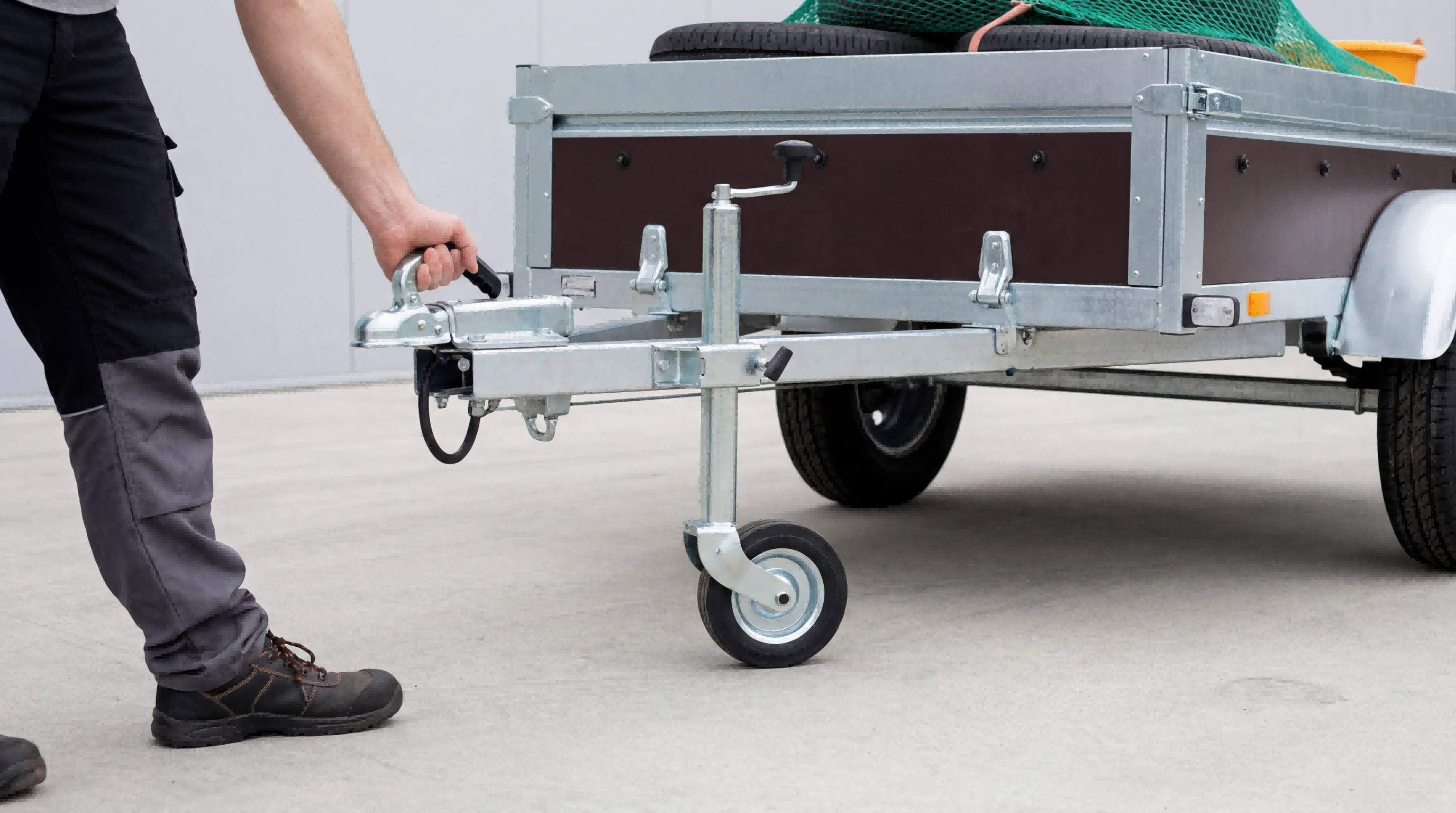
How to Choose the Right Jockey Wheel for Boat Trailers and Utility Trailers
Learn how to choose the right jockey wheel for boat trailers and utility trailers by comparing capacity, wheel type, corrosion resistance, mounting style, and terrain suitability.
May 8th, 2026
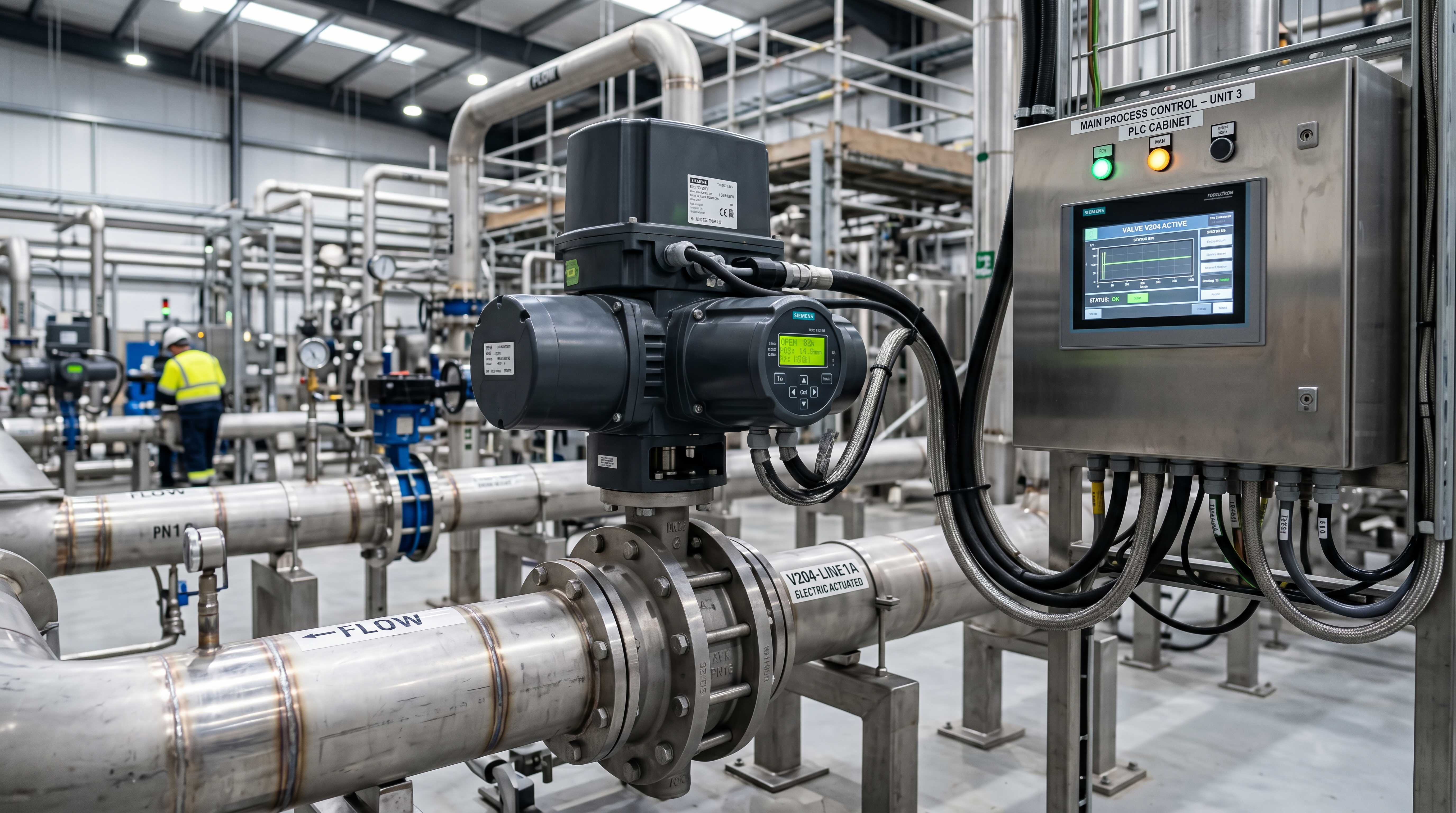
Pneumatic vs Electric Valve Actuators: Which Is Better for Industrial Valve Automation?
A practical comparison of pneumatic and electric valve actuators, explaining how to choose the right actuation method based on speed, torque, fail-safe behavior, control needs, maintenance and industrial application conditions.
Standard vs Custom Hydraulic Manifolds: Which One Is Better for Your Machine?
A practical comparison of standard and custom hydraulic manifolds, explaining how cost, space, circuit complexity, OEM production and service needs affect manifold selection.
May 13th, 2026
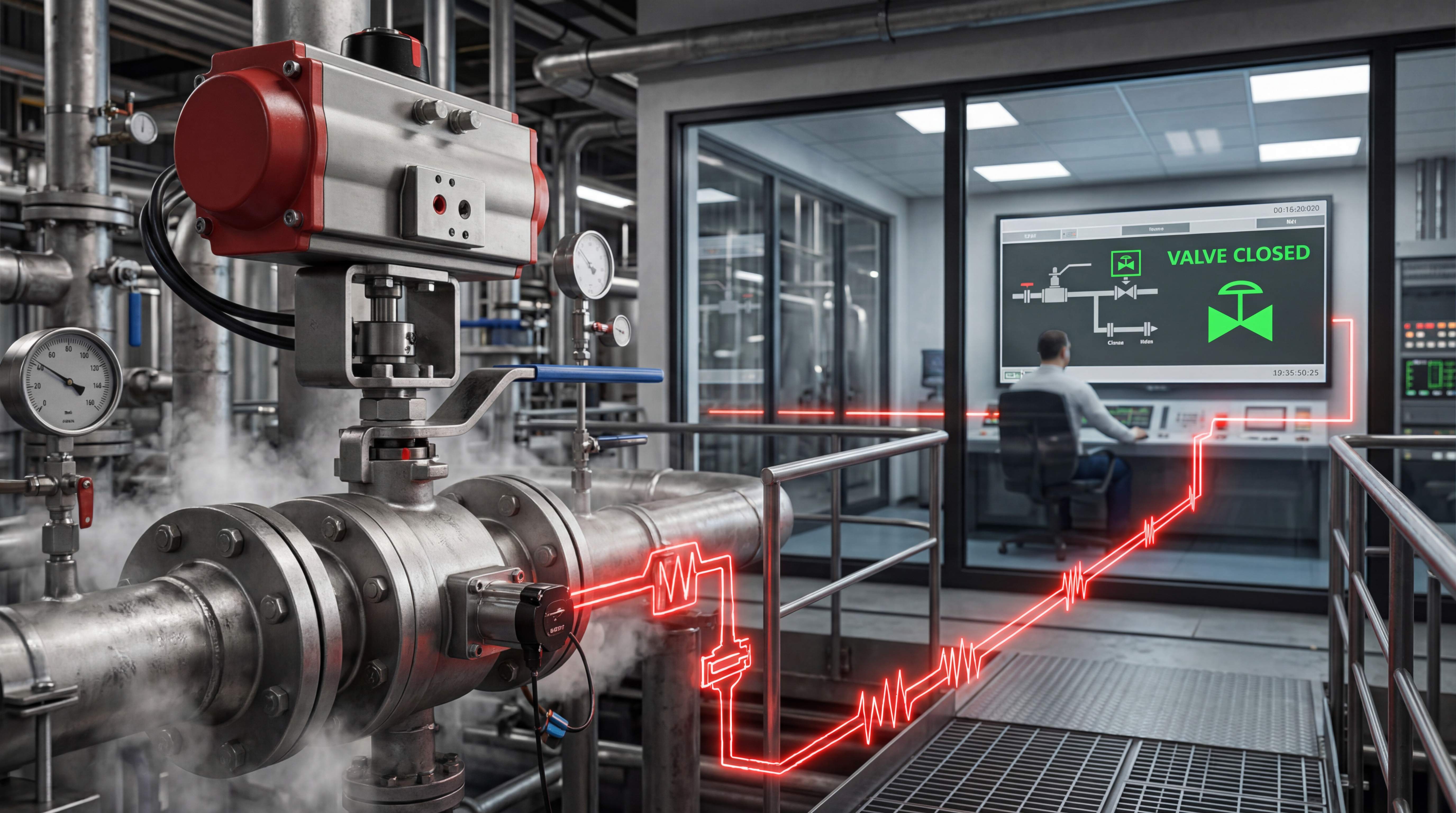
Automated Ball Valve Troubleshooting: Leakage, Sticking, Slow Actuation and Maintenance Strategy
Automated ball valve problems are often caused by more than the valve body itself. Leakage, sticking, slow actuation, actuator failure and feedback faults usually come from the interaction between the valve, actuator, media, control signal, air supply, wiring and maintenance practices.
September 29th, 2026
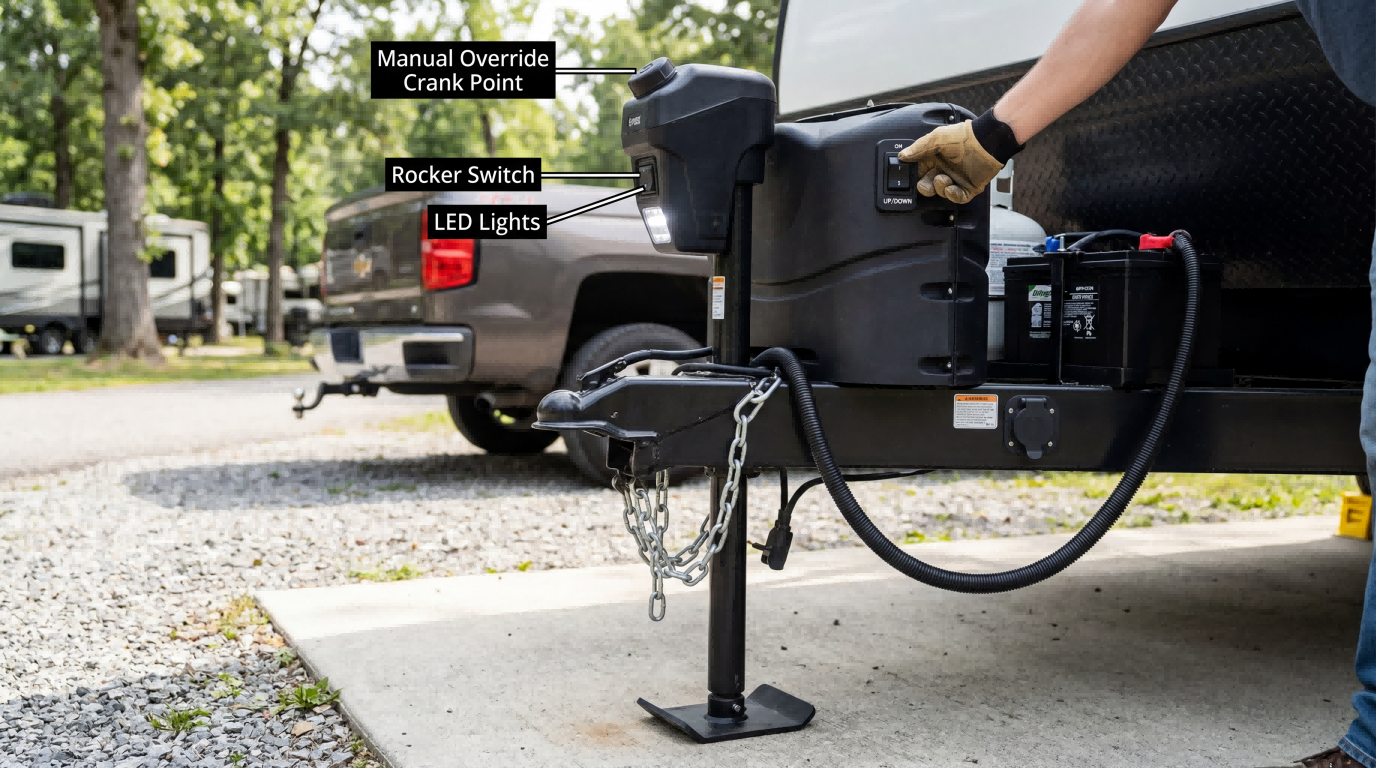
Trailer Jacks for Solar Surveillance Trailers An OEM Specification Guide
An OEM guide to specifying jacks for solar surveillance trailers. Define each support position, mounting interface, adjustment range, ground contact and supplied kit, then compare supplier proposals with a configuration matrix and verify the approved package through a pilot build.
May 26th, 2026
From Drawing to Delivery: How to Source Custom Exhaust Pipes from a Professional Manufacturer
Learn how to source custom exhaust pipes from drawing, sample, material, bending, welding, prototype, inspection and mass production.
April 30th, 2026
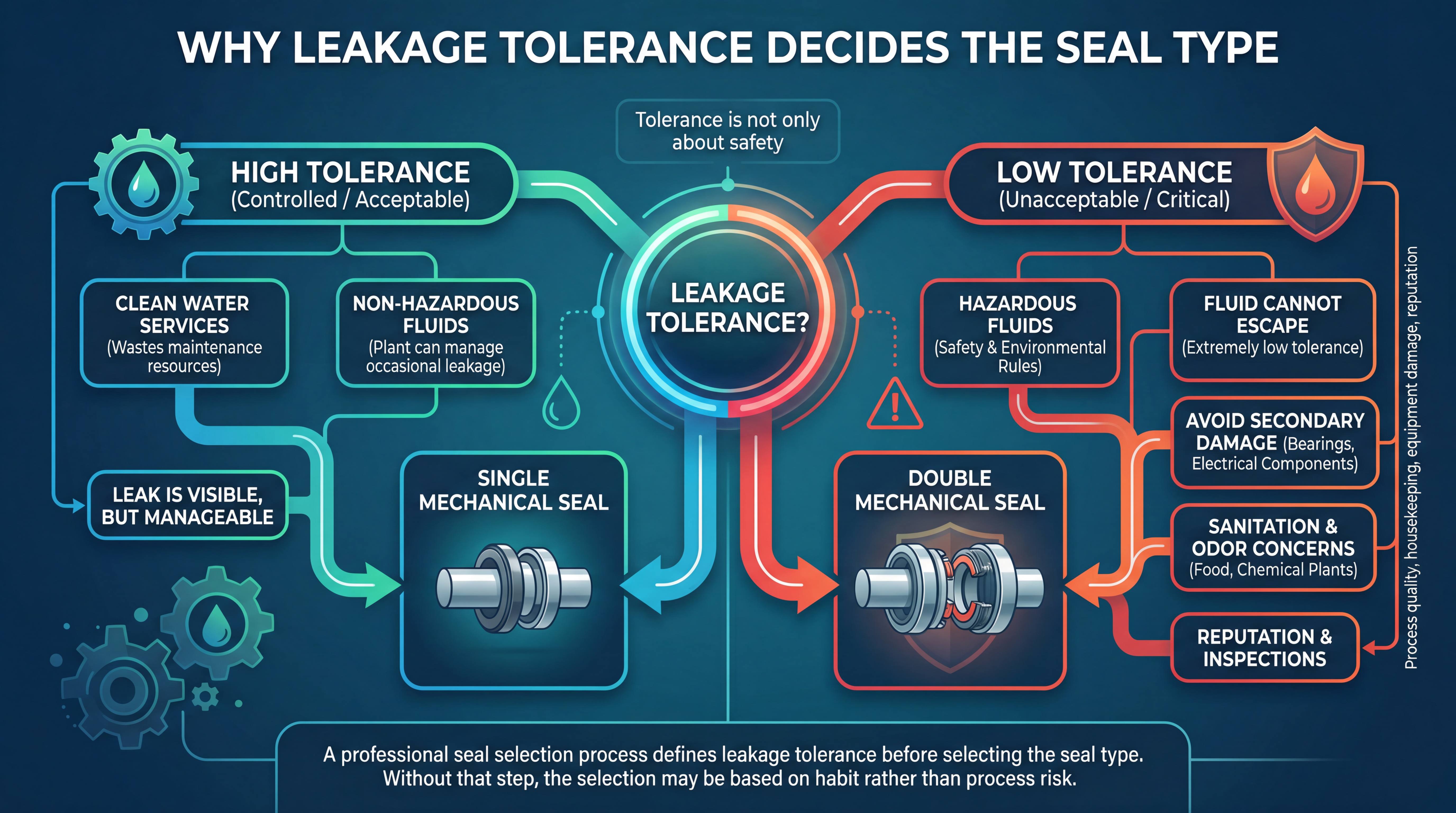
Single vs Double Mechanical Seals: When Is One Seal Not Enough?
Choosing between a single and double mechanical seal is not only a product decision. It is a safety, leakage control, process reliability and maintenance risk decision.
June 5th, 2026
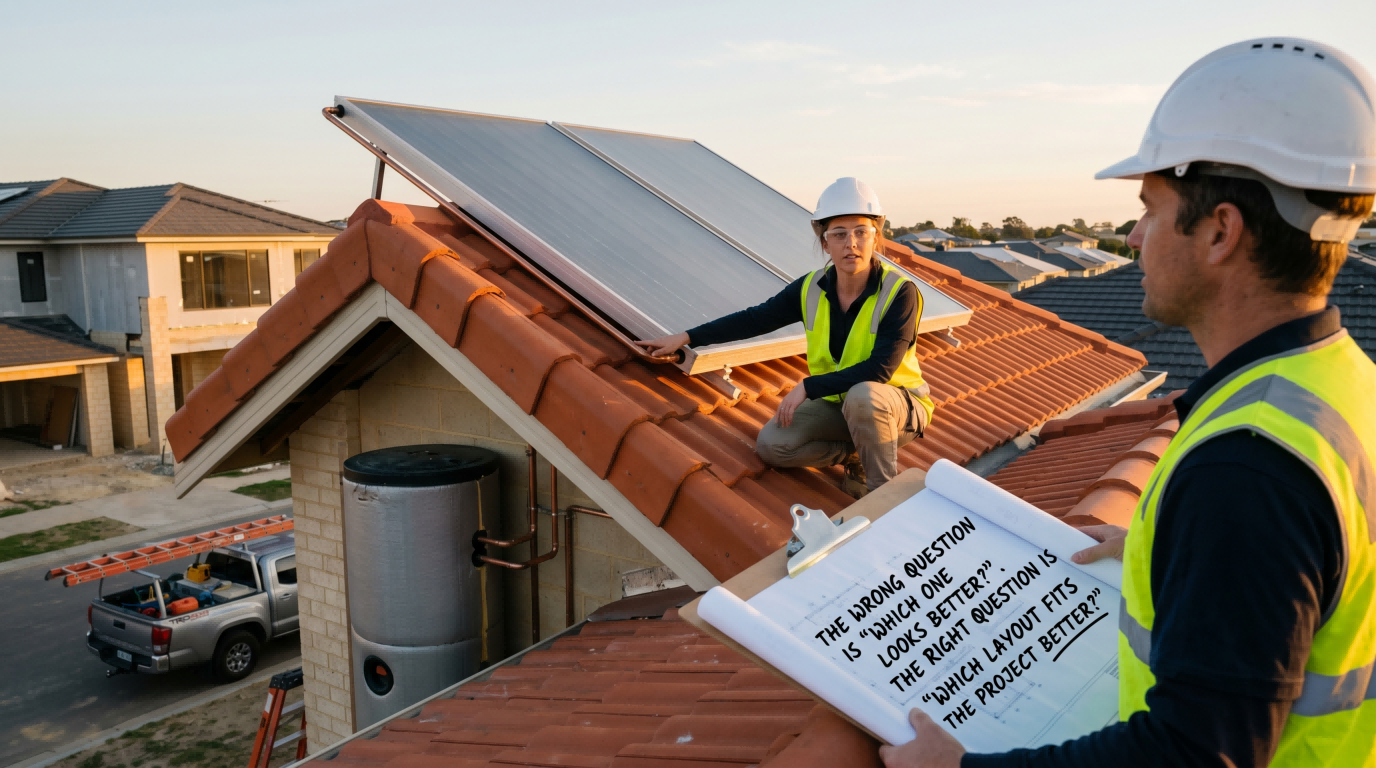
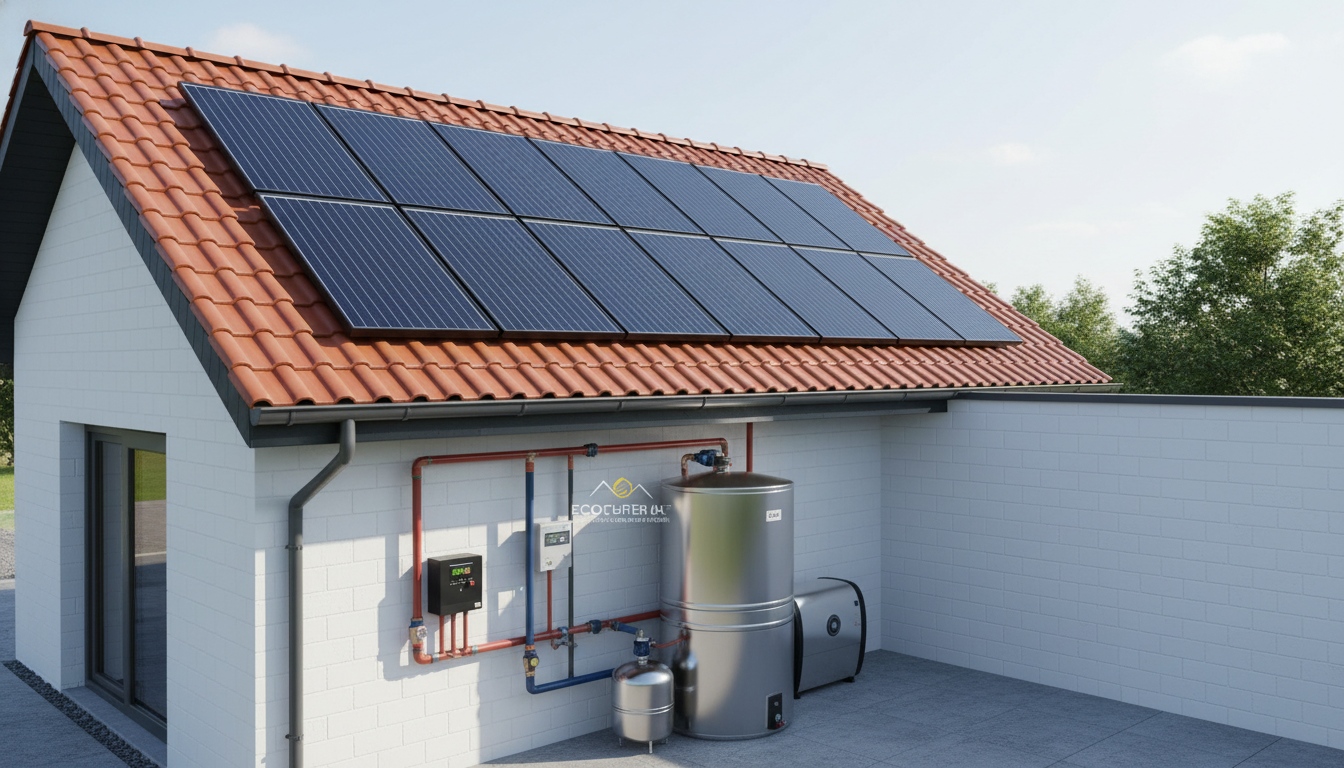
Installation Guide for Split Solar Hot Water Systems: Collector, Tank, Pump, and Pipeline Layout
A practical installation guide for split solar hot water systems, explaining collector placement, tank location, pump station setup, piping layout, insulation, sensors, commissioning, and common installation mistakes.
June 16th, 2026
Glass-Glass vs Glass-Backsheet Solar Panels Which Structure Fits BIPV Projects Better
Glass-glass and glass-backsheet solar panels may look similar from the front, but their structure leads to different decisions in BIPV facades, skylights, canopies and roof-integrated projects. This guide explains how buyers should compare rear materials, durability, moisture resistance, mechanical stability, appearance, replacement risk and project suitability before selecting a module structure.
How to Size a Split Solar Water Heater for Homes, Villas, and Small Commercial Projects
A practical sizing guide for split solar water heaters, explaining how to match tank capacity, collector area, user demand, climate, pipe layout, backup heating, and project scenarios.
How to Choose a Glass-Glass BIPV Supplier: A Practical Checklist for International Building Projects
Choosing a glass-glass BIPV supplier is not the same as buying standard solar panels. This guide explains how international buyers should evaluate product structure, glass capability, project experience, documentation, safety, logistics, engineering support and long-term replacement planning before selecting a supplier for facades, skylights, canopies or roof-integrated building projects.
June 11th, 2026
Standard PV Modules and Circular Procurement: What Buyers Should Ask Before End of Life
A lifecycle-focused guide explaining how buyers should evaluate PV module recycling, take-back responsibility, reuse potential, ESG documentation, decommissioning cost and circular procurement before ordering standard PV modules.
June 12th, 2026
How to Compare Residential Solar Quotes Beyond Price per Watt
A residential solar quote is not only a price sheet. It is a design promise, equipment package, installation plan, financial assumption, warranty chain, and long-term service commitment. This guide explains how homeowners and B2B buyers should compare residential solar proposals beyond price per watt.
How to Choose PV Modules for a Residential Rooftop Solar Project
Choosing PV modules for a residential rooftop solar project is not only about module wattage or efficiency. A good decision starts with the real roof, then connects module size, layout, shading, inverter design, safety access, aesthetics, installation workflow, and long-term serviceability into one practical home solar system plan.
June 17th, 2026
Glass-Glass BIPV for Skylights and Glass Roofs: Designing Solar Power into Daylit Spaces
Glass-glass BIPV skylights and photovoltaic glass roofs are not ordinary solar panels placed above a building. They are roof glazing systems that must manage daylight, shading, waterproofing, drainage, structural safety, thermal comfort, maintenance access and solar generation at the same time. This guide explains how architects, developers and buyers should evaluate glass-glass BIPV for atriums, canopies, walkways, commercial roofs and public building spaces.
June 29th, 2026
When Upholstery Stops Being Decoration: How Functional Fabric Is Redefining Modern Seating
Modern upholstery is no longer judged only by color, texture, or style. In homes, hotels, offices, healthcare spaces, restaurants, and transportation environments, upholstery fabrics are becoming performance materials that influence comfort, maintenance cost, seating lifespan, brand perception, and long-term usability.
September 25th, 2026
Commercial Tent Engineering Documents: Wind Loads, Snow Loads, and Anchoring
A procurement-focused guide to the engineering documents behind commercial tents. Learn how to review wind and snow design criteria, anchor reactions, ballast and staking plans, site assumptions, controlled-occupancy procedures, and change control before approving a temporary structure.
July 16th, 2026
How Shower Door Roller Systems Work: Wheels, Bearings, Brackets and Tracks Explained
A shower door roller is only one visible part of a complete load-bearing motion system. This guide explains how wheels, bearings, axles, brackets, tracks, guides and adjustment mechanisms work together to support heavy glass, control movement and create a smooth, quiet and serviceable sliding shower door.
How to Source Shower Door Rollers: RFQs, Samples, Factory Audits and Production Control
A professional shower roller sourcing program must control far more than price and appearance. This guide explains how buyers can define the door system, issue comparable RFQs, classify samples, audit the factory process chain, manage custom tooling, validate pilot orders and release repeatable production.
July 23rd, 2026
The Capsule Becomes Project Cargo Before It Becomes a Building A Route-to-Foundation Delivery Playbook
A route-to-foundation execution guide for international capsule projects. It explains how transport drawings, verified weight, cargo securing, port handovers, abnormal-load routes, crane geometry, foundation surveys, utility interfaces, damage records and commissioning must work as one controlled delivery system.
July 20th, 2026
How Expandable Container Buildings Work: Structure, Hinges and Sealing
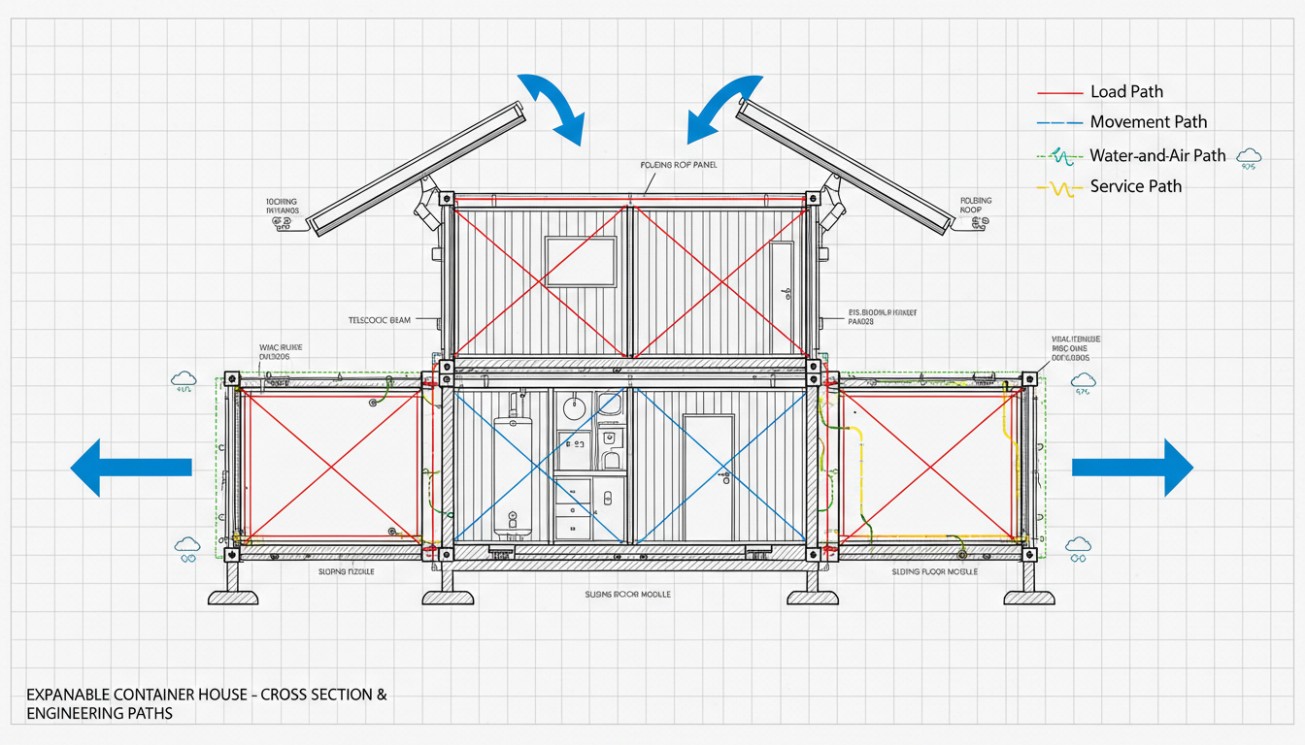
An expandable building is not merely a box that unfolds. Its frame, hinges, locks, supports, gaskets, flashings and service connections must restore structural and envelope continuity after every deployment. This engineering guide follows four critical paths—load, movement, water and air, and MEP services—to show buyers how double-wing systems work, where failures begin, and what evidence should be required before factory approval, shipment and site commissioning.
September 9th, 2026
PU Wall Panel Packaging Validation Drop, Vibration and Compression
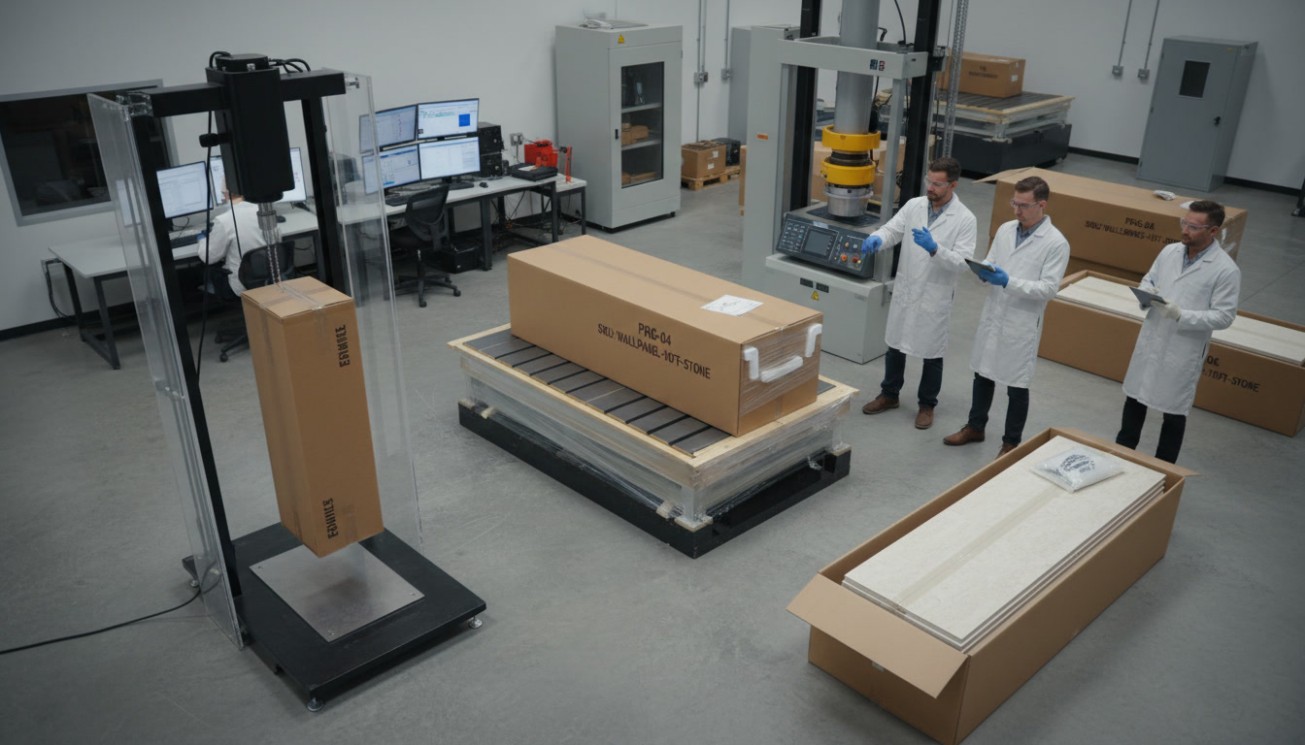
A practical packaging-engineering guide for exporters, importers and quality teams. It explains how to map parcel, LTL, pallet and ocean routes; select ISTA, ASTM or ISO procedures; sequence drop, vibration and compression hazards; define pass criteria; and use arrival damage to trigger packaging changes.
July 7th, 2026
Marble Look SPC Wall Panels: A Modern Alternative to Natural Stone Slabs
Marble-look SPC wall panels are not simply printed decorative boards. They reflect a wider shift toward large-format, low-maintenance, stone-effect wall systems for bathrooms, hotels, apartments and commercial interiors. This guide explains where SPC marble panels fit, how they compare with real stone and tiles, and what buyers should check before using them in premium wall projects.
July 28th, 2026
From Daily Samples to Closed-Loop Control: How Refiners Should Monitor Neutralizer Performance
A refinery monitoring guide for linking pH, chloride, iron, neutralizer rate, sample conditioning and process changes. It explains when continuous analyzers add value, why closed-loop dosing still needs operating boundaries, how to validate data, and how to turn high-frequency measurements into safer overhead decisions.
August 3rd, 2026
Boiler Layup Is Water Treatment Choosing Wet, Dry or Film-Forming Shutdown Protection
An offline boiler does not stop being a water-treatment asset. This guide shows how operators should choose and verify wet, dry, nitrogen-assisted or film-forming layup by corrosion mechanism, equipment boundary, shutdown uncertainty and restart requirements—not by outage duration alone.
August 4th, 2026
Hydrogen-Fired Furnaces: How to Qualify Refractories Before the Fuel Switch
Hydrogen conversion changes more than fuel carbon: it can alter water-vapor loading, local oxygen potential, flame behavior, heat flux, product oxidation and cold-zone condensation. This guide shows how industrial plants can qualify refractory linings through exposure mapping, laboratory scenarios, instrumented test panels and controlled commissioning.
July 31st, 2026
Boiler Water Treatment Is a System, Not a Chemical: A Whole-Cycle Framework
Reliable boiler water treatment starts long before chemicals enter the boiler. This guide shows how makeup water, pretreatment, feedwater, internal chemistry, blowdown, steam purity, condensate return, monitoring, and operating discipline work together as one treatment system.
July 24th, 2026
Phosphorus-Free Scale Inhibitors: How to Verify Performance, Biodegradability and Effluent Claims
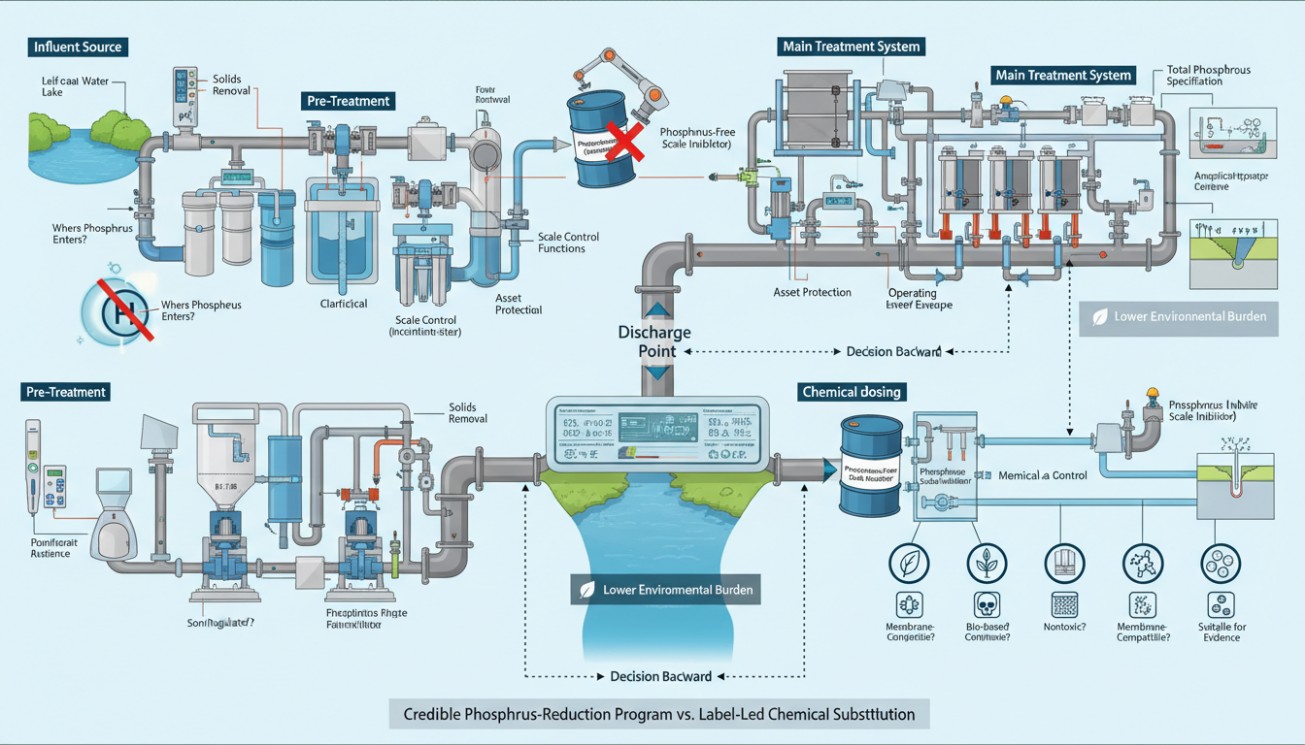
Phosphorus-free scale inhibitors can reduce nutrient loading, but only when the claim, chemistry and outfall result are verified independently. This guide explains how to build a phosphorus mass balance, distinguish environmental claims, qualify replacement chemistry, run a controlled trial and measure both asset and effluent performance.
Slag–Refractory Reactions: Why Basicity Alone Cannot Predict Lining Life
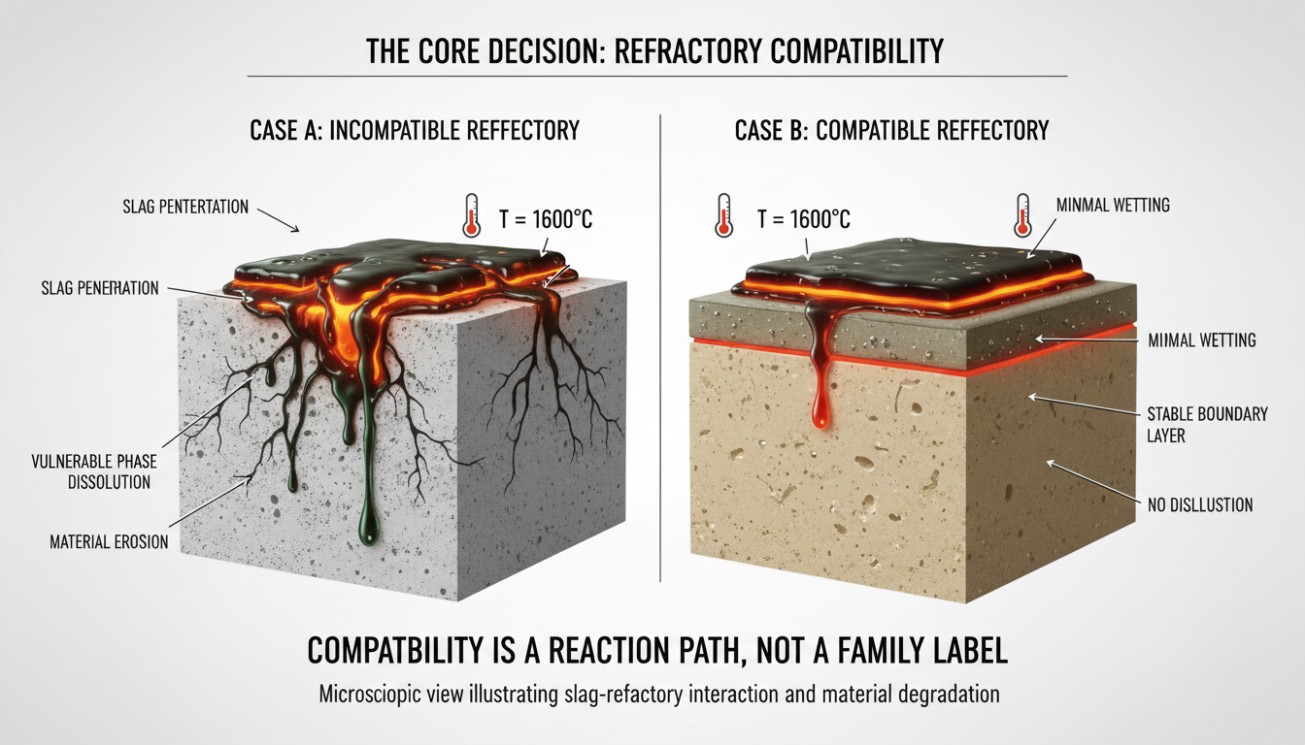
A refractory may survive the temperature and still fail through wetting, penetration, dissolution or an unstable reaction layer. This guide explains how slag composition, redox conditions, viscosity and microstructure control attack—and how buyers and engineers can build laboratory and post-mortem evidence that predicts the real service reaction path.
April 23rd, 2026
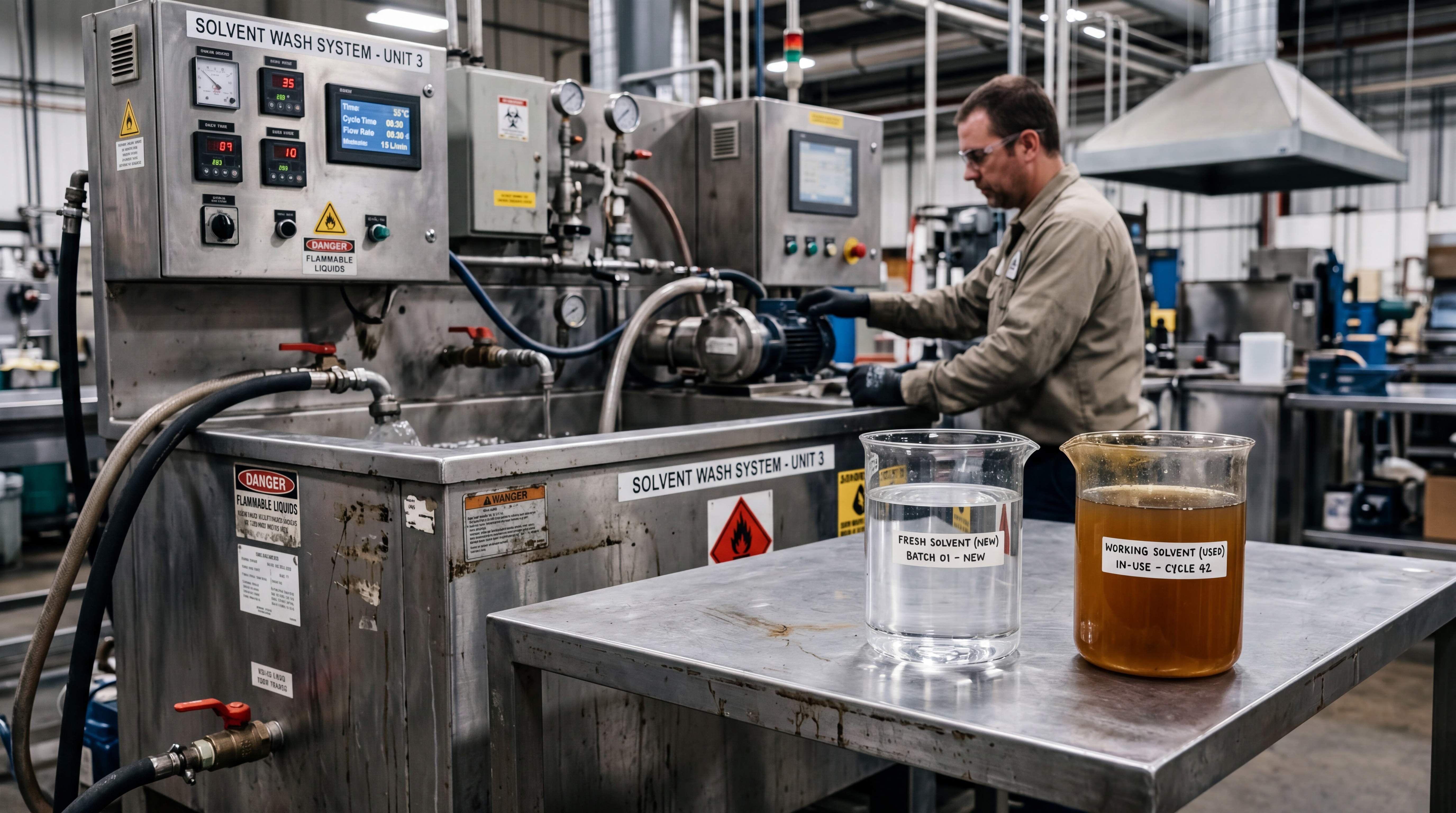
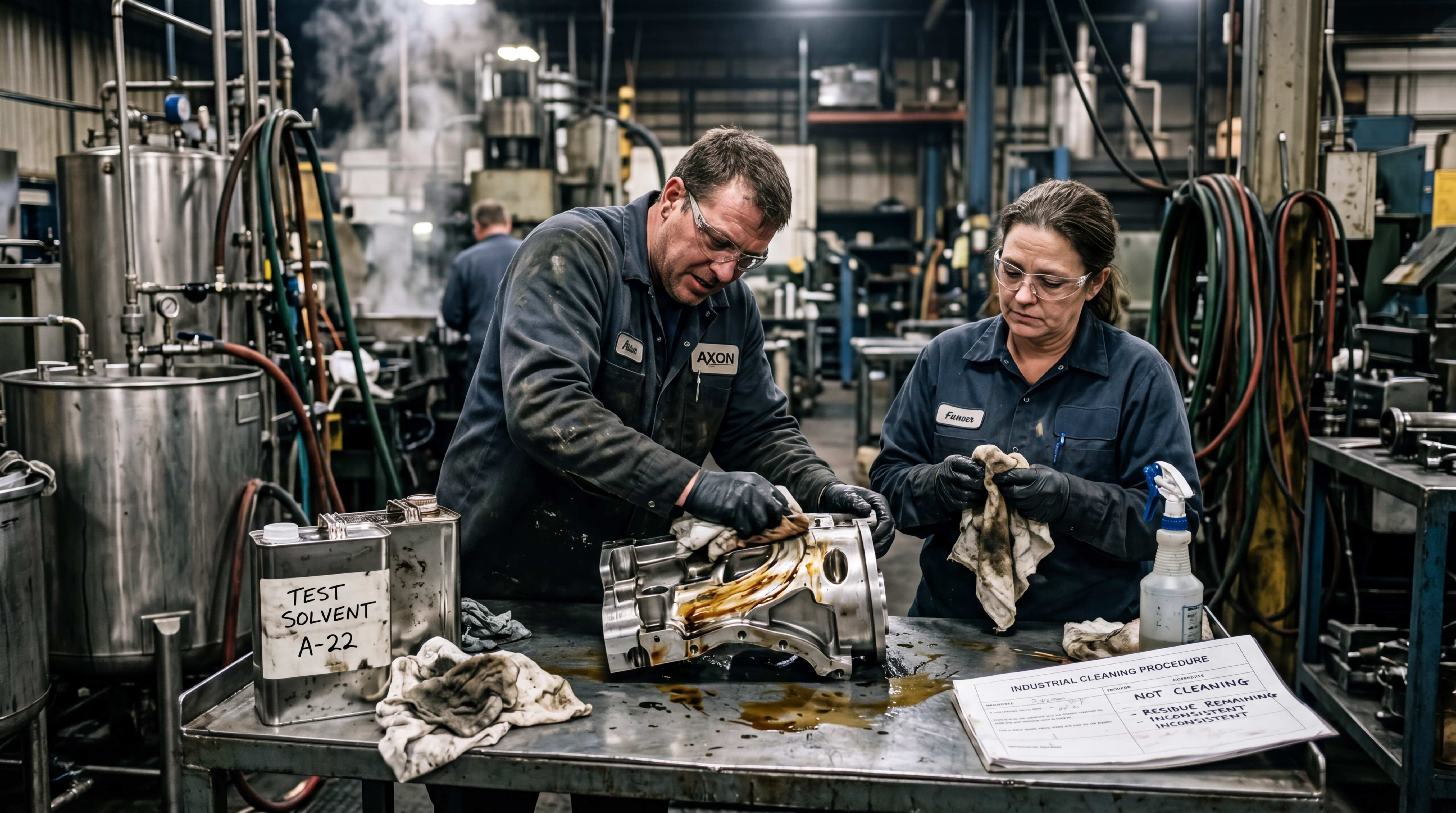
Evaporation Rate, Flash Point and Solvency Power: The Three Factors That Decide Hydrocarbon Solvent Performance
Learn how evaporation rate, flash point and solvency power shape hydrocarbon solvent performance in real industrial use. Discover how industrial solvents should be selected for cleaning, coatings, adhesives and process applications based on control, safety and efficiency.
How to Qualify an Industrial Inhibitor Supplier: Performance Testing, Chemical Compatibility and Field Validation
A procurement-grade framework for qualifying industrial inhibitor suppliers through traceable product identity, comparable performance testing, formulation and materials compatibility, batch control, delivery-system readiness, controlled field trials, change management and outcome-based commercial evaluation.
September 15th, 2026
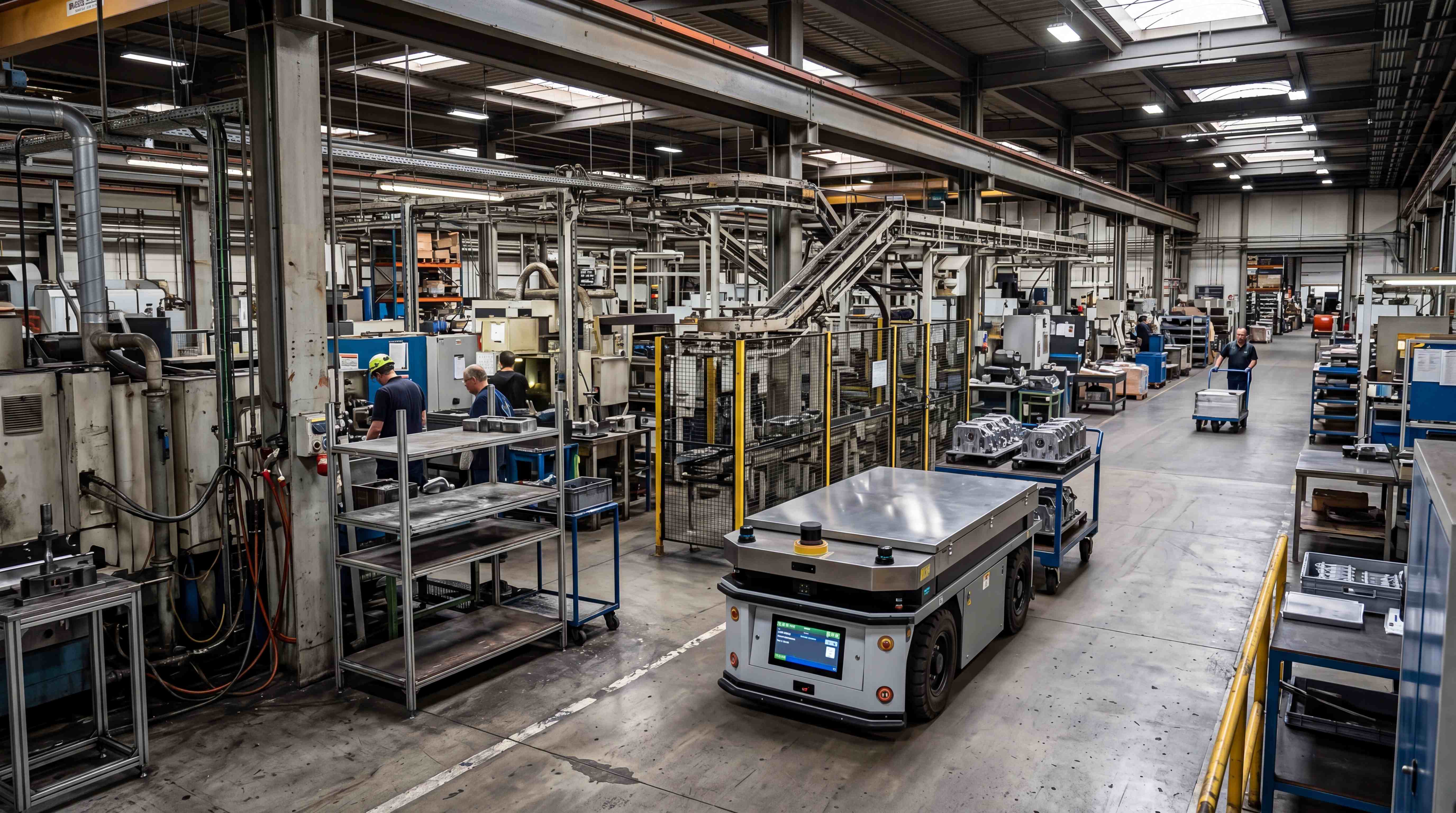
What Evidence Should an AMR Simulation Provide Before Fleet Purchase
Learn how to audit an AMR simulation before approving a fleet purchase. This guide covers model selection, input evidence, calibration, repeatable experiments, uncertainty and a worked station-capacity example that turns simulation findings into measurable purchase conditions.
August 27th, 2026
Heavy-Payload AMR Wheel Selection: Material, Geometry, Heat, Wear and Service Life
Wheel capacity is not a complete selection rule. This engineering guide shows how wheel role, dynamic wheel load, polyurethane hardness, diameter, tread geometry, floor condition, heat and duty cycle define traction, energy use, docking accuracy, wear and replacement decisions for heavy-payload AMRs.
August 25th, 2026
Heavy-Payload AMR Traction: Turning Motor Torque into Usable Floor Force
A motor can produce torque while a loaded AMR still fails to launch, climb, turn or hold its path. This engineering guide builds a traction budget from wheel load, floor friction, rolling resistance, grade, power and thermal limits, then shows how to validate the usable operating envelope for differential, steered and omnidirectional platforms.
April 27th, 2026
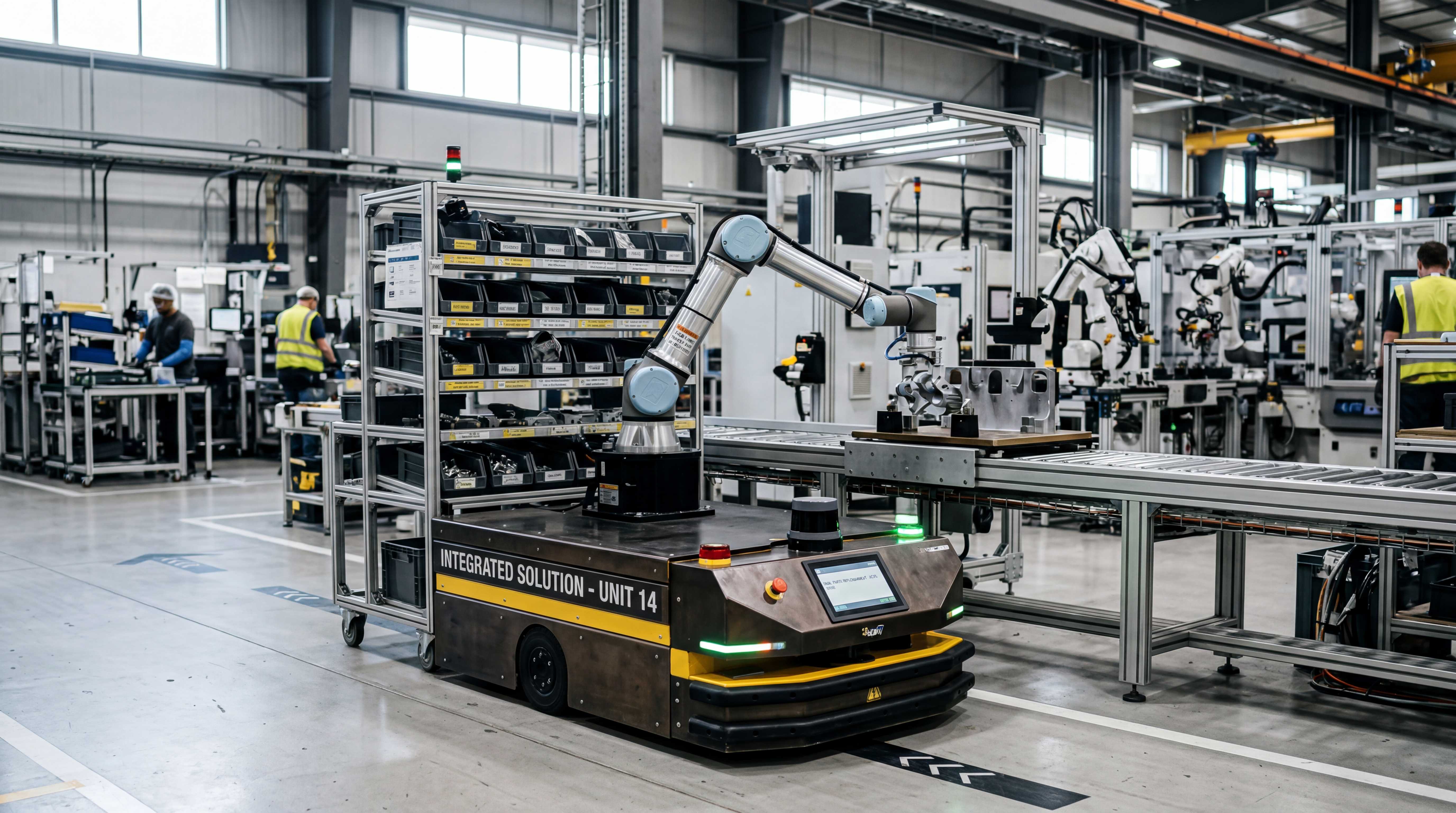
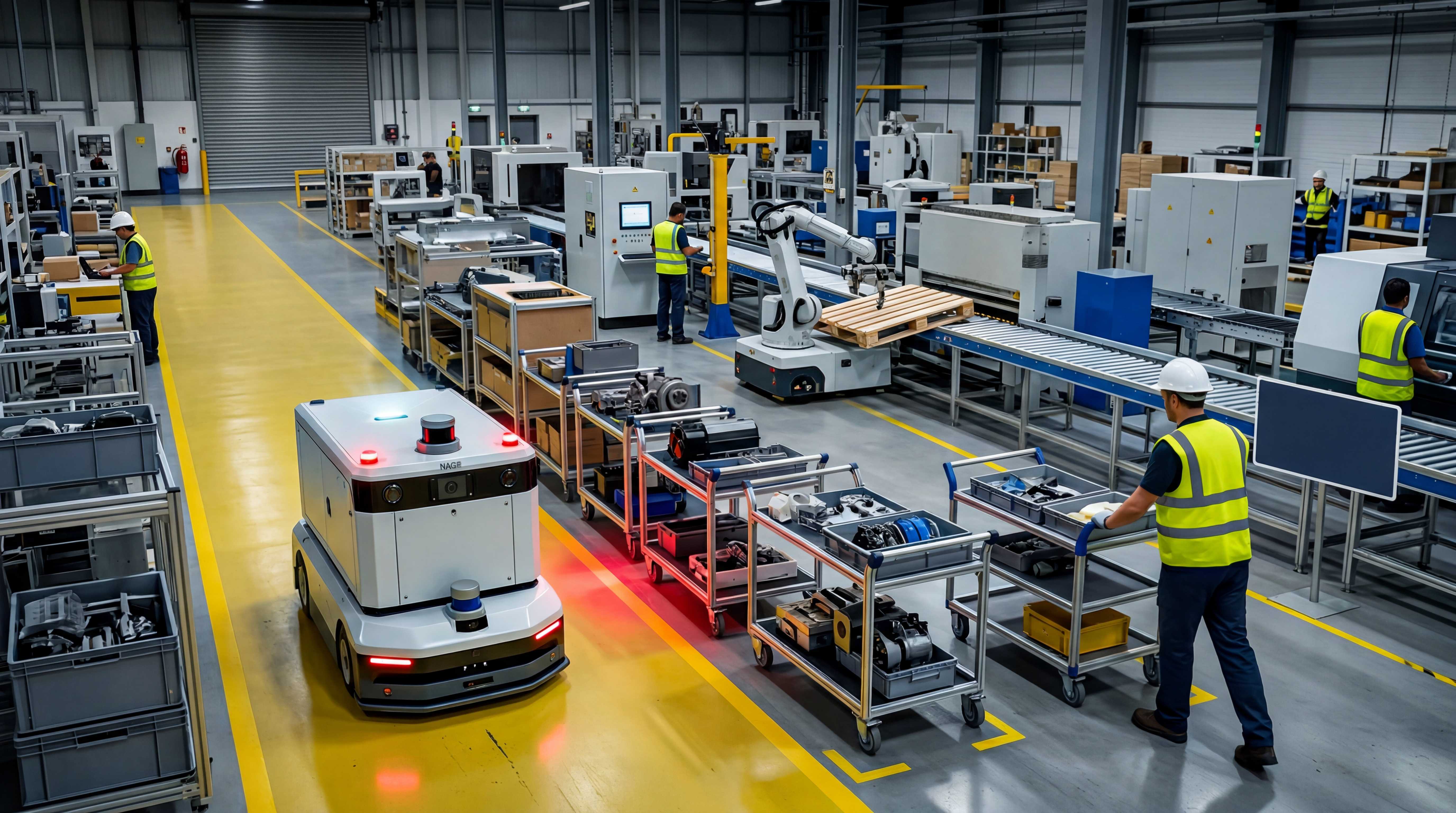
The Real Value of an AMR/AGV Mobile Base Is Not Labor Replacement, but Faster Material Response on the Factory Floor
Many manufacturers invest in mobile automation expecting labor savings first. But the deeper value of an AMR/AGV Mobile Base often comes from material response time, line-side replenishment automation, and more stable internal flow. This article explains why factories that improve response speed, reduce waiting, and tighten point-of-use delivery usually gain more lasting value than factories focused only on headcount substitution.
May 19th, 2026
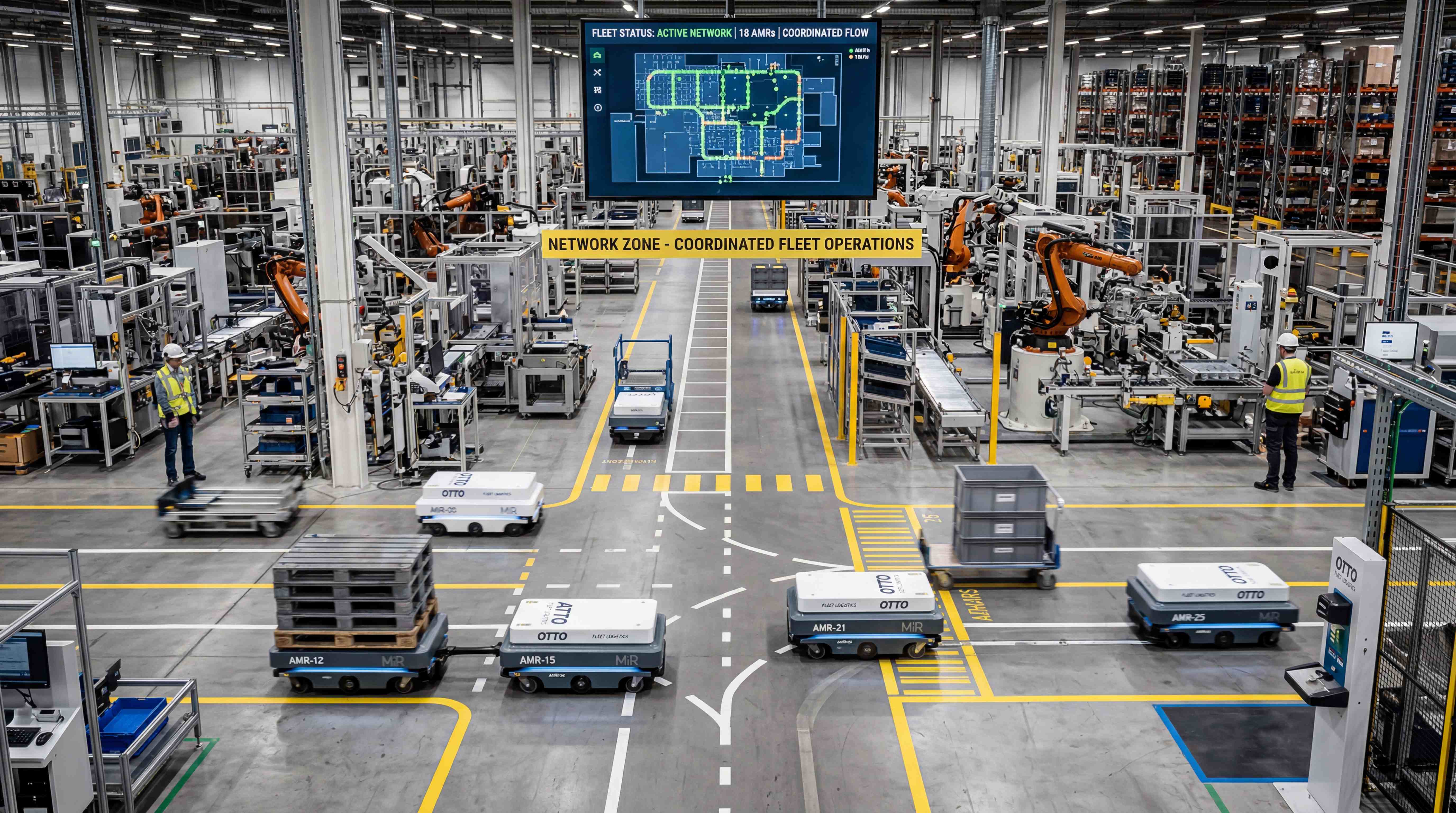
From One Robot to a Working Fleet: How to Integrate Heavy-Payload AMRs into Industrial Systems
A heavy-payload AMR project does not end when one robot completes one route. Long-term success depends on system integration, mission triggers, fleet management, traffic control, charging strategy, PLC communication, exception handling and measurable deployment performance.
September 30th, 2026
Two AMRs, One Heavy Load: Why Tandem Transport Changes the Engineering
Two mobile robots carrying one load create a single coupled transport system. Explore a worked load-sharing calculation, turning geometry, coordinated stopping and recovery, then use a practical design-review framework to compare tandem transport with a single larger vehicle.
May 20th, 2026
AGV and AMR Safety Standards: What Buyers Should Know Before Deployment
This article explains how AGV and AMR safety standards affect risk assessment, protective fields, speed control, safety-rated sensors, functional safety, site validation and project acceptance in real industrial deployments.
September 20th, 2026
OEM Heavy-Payload AMR Chassis Buy, Customize, or Build In-House
Should an OEM buy a proven AMR platform, commission a custom chassis or develop its own? Compare three product scenarios, development-cost thresholds, design rights, safety responsibilities and lifecycle obligations before committing to a heavy-payload robot program.
PET Bottle vs Glass Bottle In Soda Makers, Material Choice Is Really a Lifestyle Choice
When consumers compare soda makers, they often focus on carbonation strength, machine design, or price. But one of the most important differences is often overlooked: bottle material. This article explores how PET bottle soda maker systems and glass bottle carbonation systems create very different ownership experiences, affecting practicality, serving style, kitchen aesthetics, family use, and the overall home beverage ritual.
September 22nd, 2026
Soda Maker Compliance Documentation A US and EU Market-Entry Checklist for Importers
A practical documentation guide for soda maker importers and private-label brands entering US and EU markets. Map requirements to the machine, bottle, and CO2 cylinder; verify food-contact evidence, review labeling and 2026 transition dates, and use a release checklist to identify missing or mismatched records.
Why Convenience Decides the Fate of a Soda Maker in Real Homes
Most consumers think the success of a soda maker depends on fizz quality, design, or price. In reality, the real deciding factor is much simpler: convenience. This article explores how soda maker daily usability, countertop beverage convenience, refill ease, bottle rotation, cleaning tolerance, and repeat-use behavior determine whether a soda maker becomes a permanent part of the household or quietly disappears into storage.
September 21st, 2026
CO2 Supply Planning for Soda Maker Distributors Compatibility, Refills, and Supply Continuity
A distribution-focused guide to keeping soda maker CO2 available after the first sale. Compare cylinder compatibility and exchange rules, map regional refill coverage, verify gas-quality evidence, and use a worked inventory model to plan filled stock, cylinder returns, and backup supply.
Water-Only vs Any-Drink Soda Makers What the Difference Really Means
Not all soda makers work the same way. Some are designed only for water, while others are built to carbonate juices, teas, cocktails, and other beverages. This article explores the technical, practical, and lifestyle differences between water-only and any-drink soda makers, helping readers understand what truly matters before buying a home carbonation system.
Soda Maker OEMODM Sourcing An RFQ and Supplier Qualification Guide for Buyers
A practical sourcing guide for private-label brands, importers, and procurement teams. Use a copy-ready RFQ, evidence-based supplier scorecard, and sample-to-production checklist to define the right soda maker configuration, compare quotations, verify documents, and assign quality and after-sales responsibilities.
How to Choose a Commercial Blender for Cafés, Juice Bars, Restaurants and Hotels
A commercial blender should be selected as part of a service system, not by motor power alone. This guide shows cafés, juice bars, restaurants and hotels how to translate menu design, peak-hour demand, noise, sanitation, staff workflow, maintenance and lifecycle cost into a defensible equipment decision.
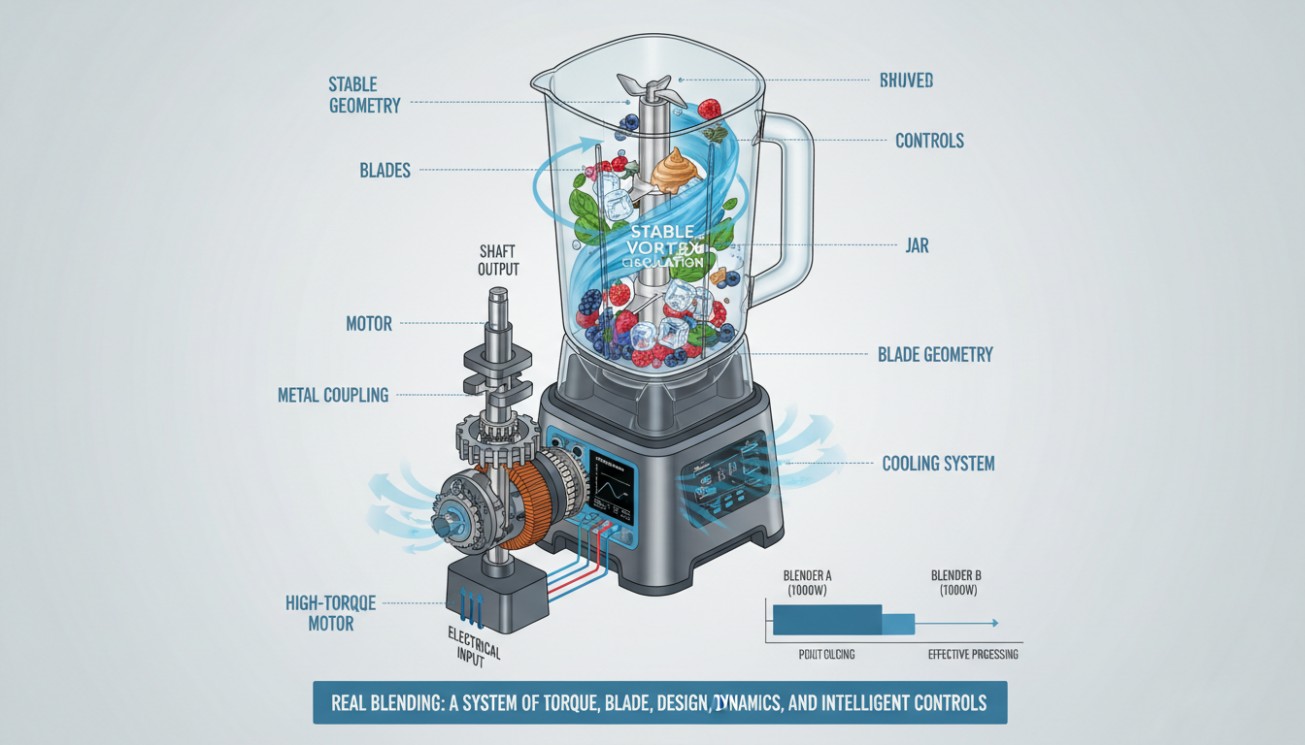
Why Blender Wattage Is Not Enough: The Engineering Behind Texture and Performance
A blender is a coordinated processing system, not just a high-watt motor. This engineering guide explains how torque, blade geometry, jar flow, control logic, cooling and recipe load interact—and shows buyers how to test real performance instead of trusting headline specifications.
Industrial Components
Column
Enter the column
What Is a Drop-Leg Trailer Jack and When Is It Worth It for Cargo and Equipment Trailers
Learn what a drop-leg trailer jack is, how it works, and when it is worth upgrading for cargo, utility, equipment, and commercial trailers.
April 13th, 2026
Trailer Jack Capacity Explained: How to Match Jack Rating to Tongue Weight Safely
Learn how trailer jack capacity works, why tongue weight matters more than total trailer weight, and how to choose the right jack rating for safer towing and easier handling.
May 11th, 2026
How to Select the Right Electric Actuator for Industrial Valves
Choosing an electric actuator is not only about torque or voltage. This guide explains how valve type, control mode, duty cycle, feedback, environment and installation details affect actuator selection.
Renewable Energy
April 22nd, 2026
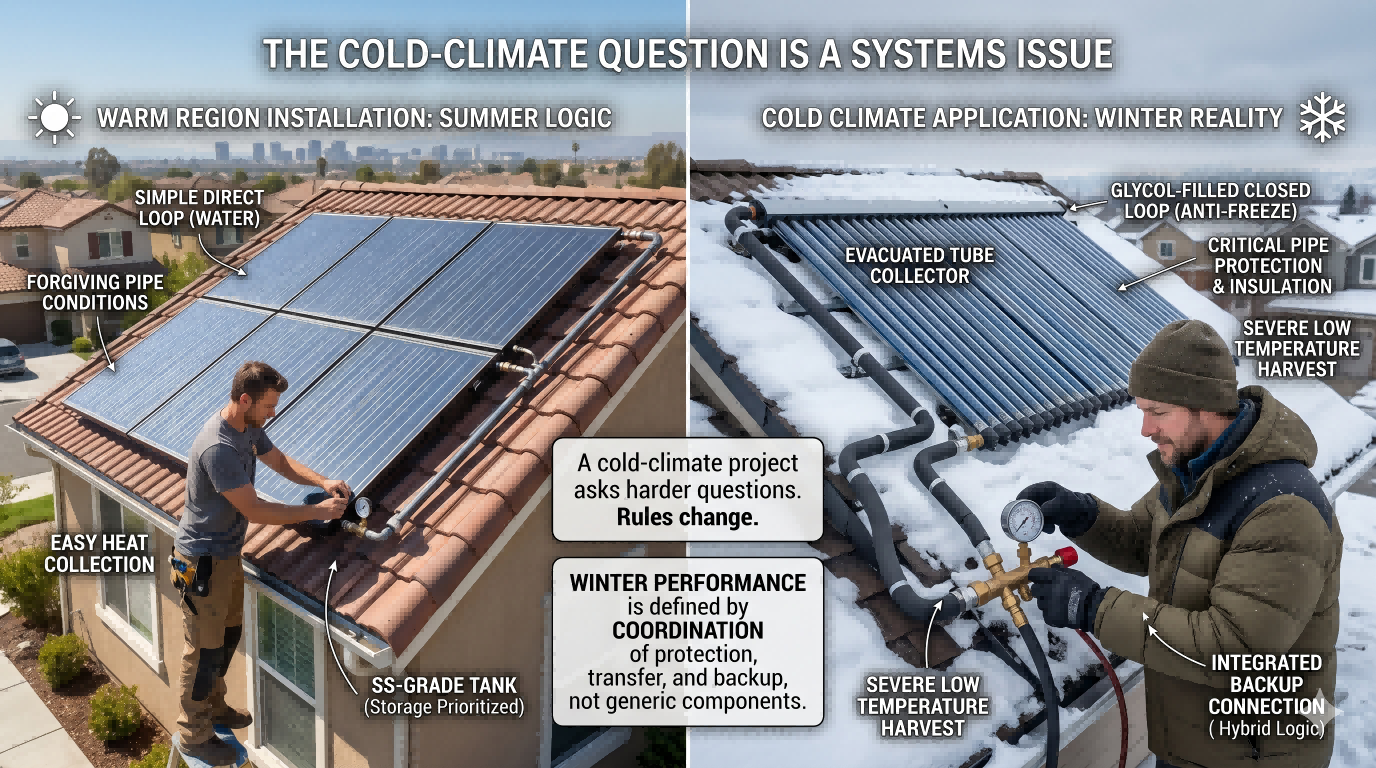
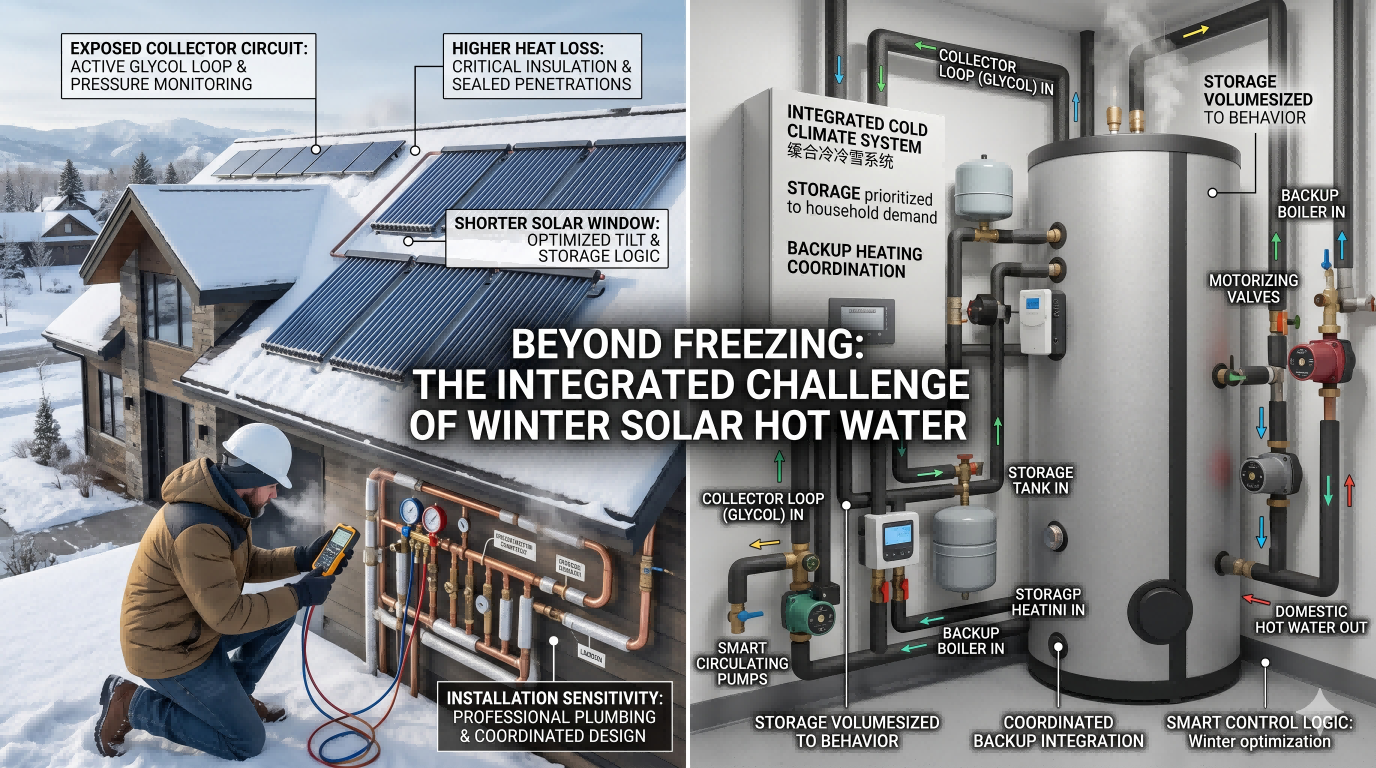
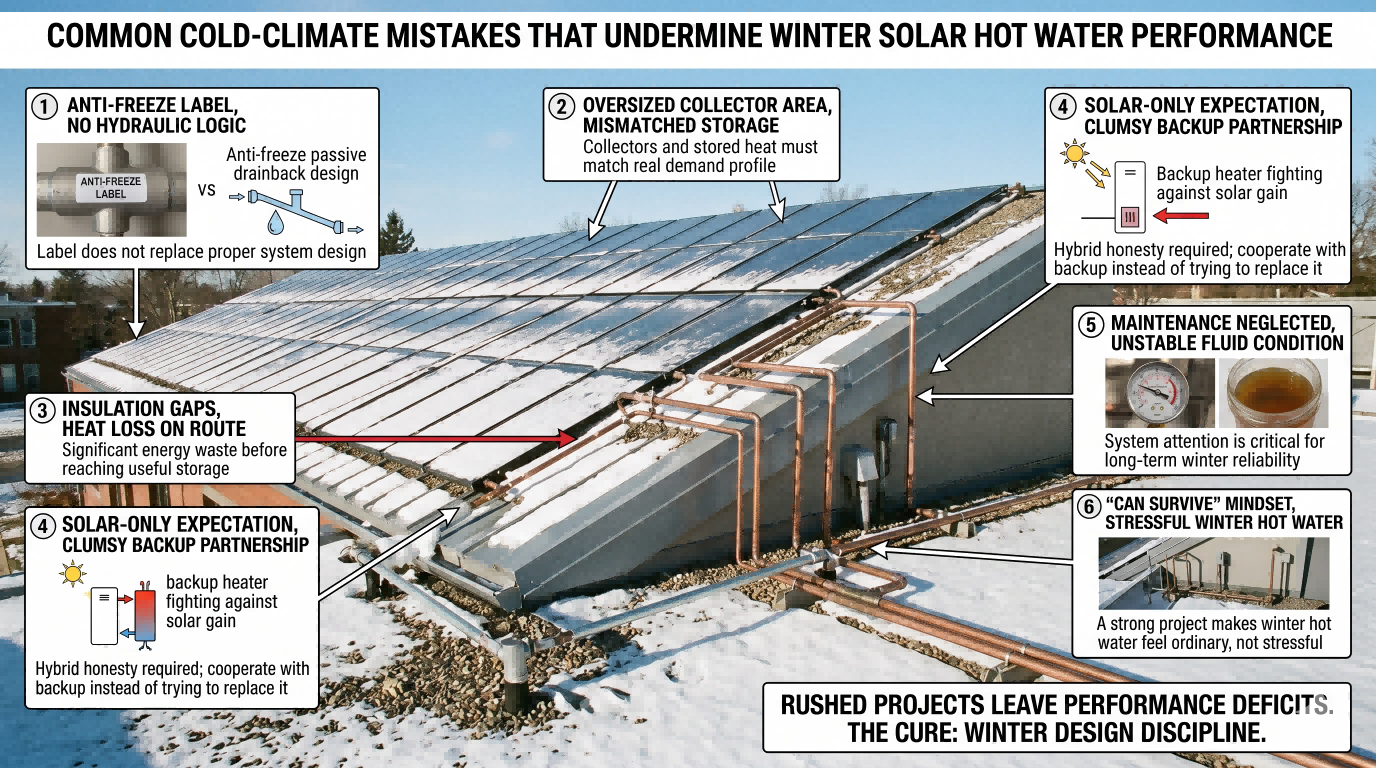
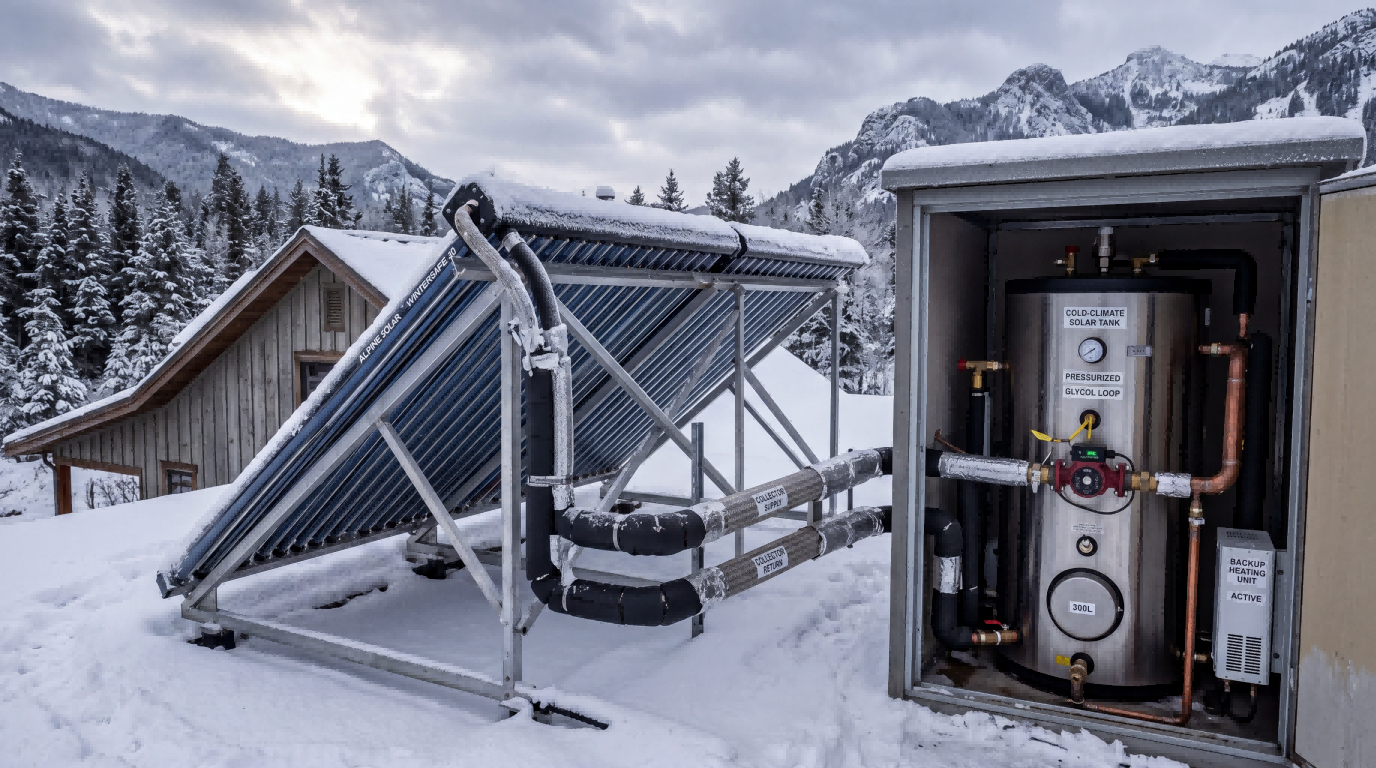
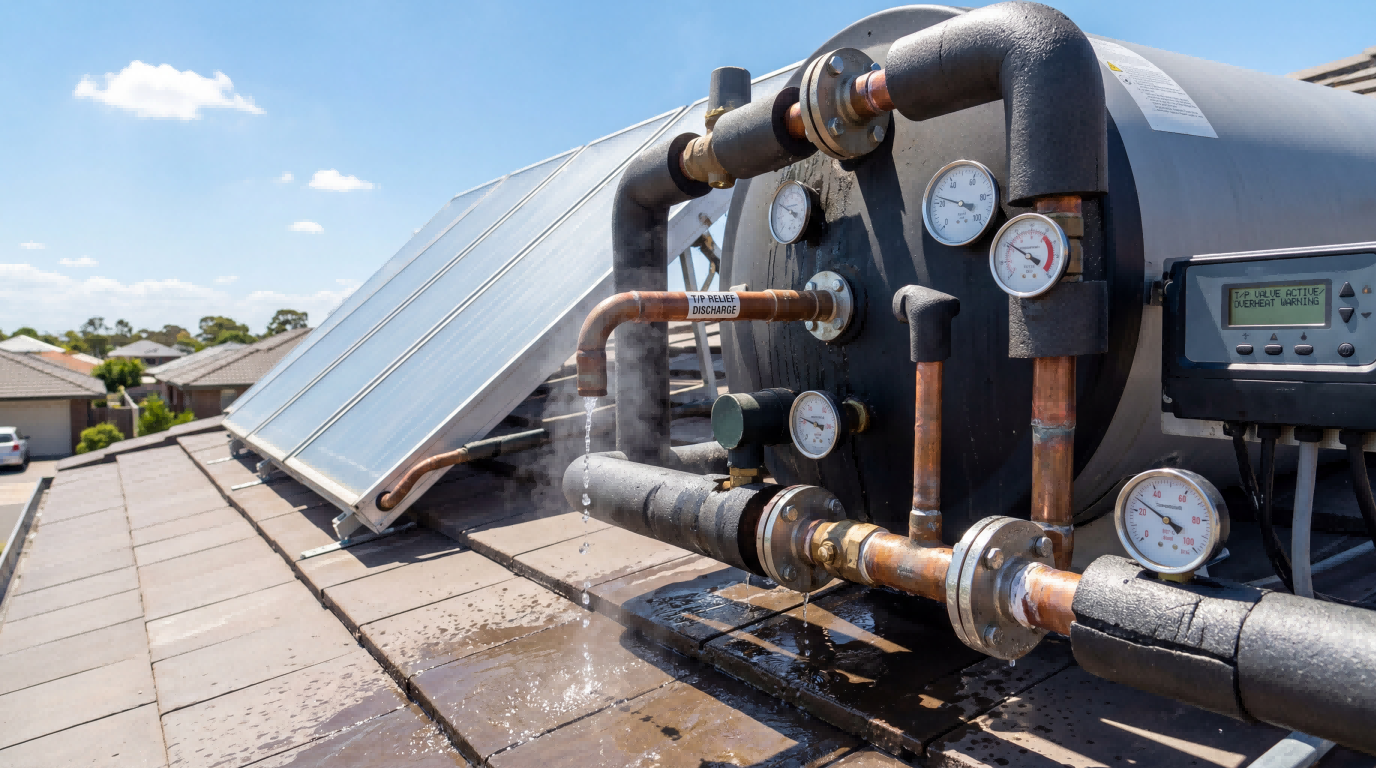
Can a Pressurized Solar Water Heater Work in Cold Climates Freeze Protection, Closed-Loop Design, and Winter Performance Explained
A pressurized solar water heater can work extremely well in cold regions, but only when the system is designed for winter reality rather than summer optimism. This article explains how freeze protection solar water heater strategies, closed loop solar water heater design, storage logic, and backup integration determine real solar hot water performance in winter.
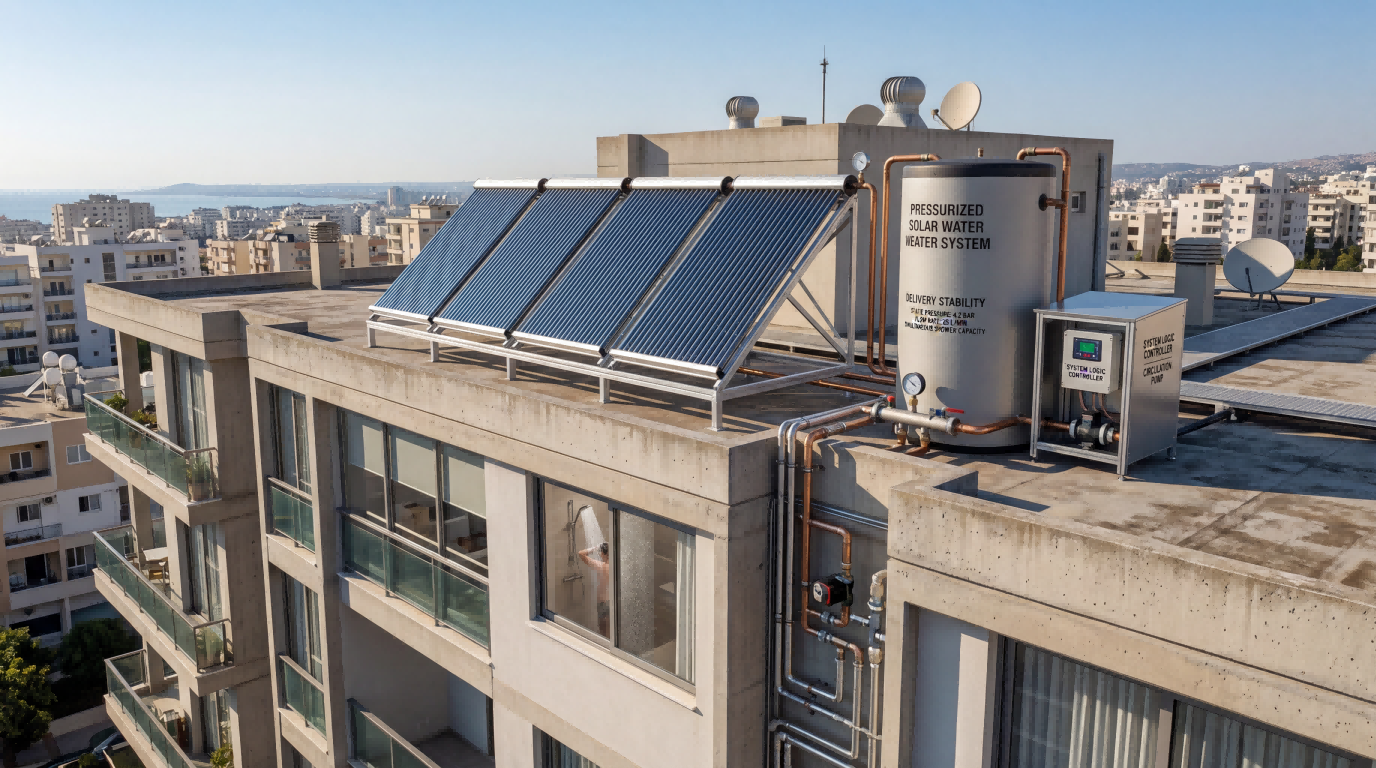
What Is a Pressurized Solar Water Heater and Who Actually Needs One?
A pressurized solar water heater is not just a premium version of a standard solar hot water system. It is designed for homes that require stable water pressure, better outlet performance, and compatibility with modern plumbing conditions such as booster pumps, high-rise installations, and multiple bathrooms.
June 23rd, 2026
200W vs 400W vs 800W vs 1200W RV Solar: Which Setup Fits Your Camping Style?
RV solar wattage should not be selected by the biggest number on a product page. This guide explains how 200W, 400W, 800W and 1200W RV solar setups fit different battery banks, roof layouts, camping habits, charging sources and off-grid power expectations.
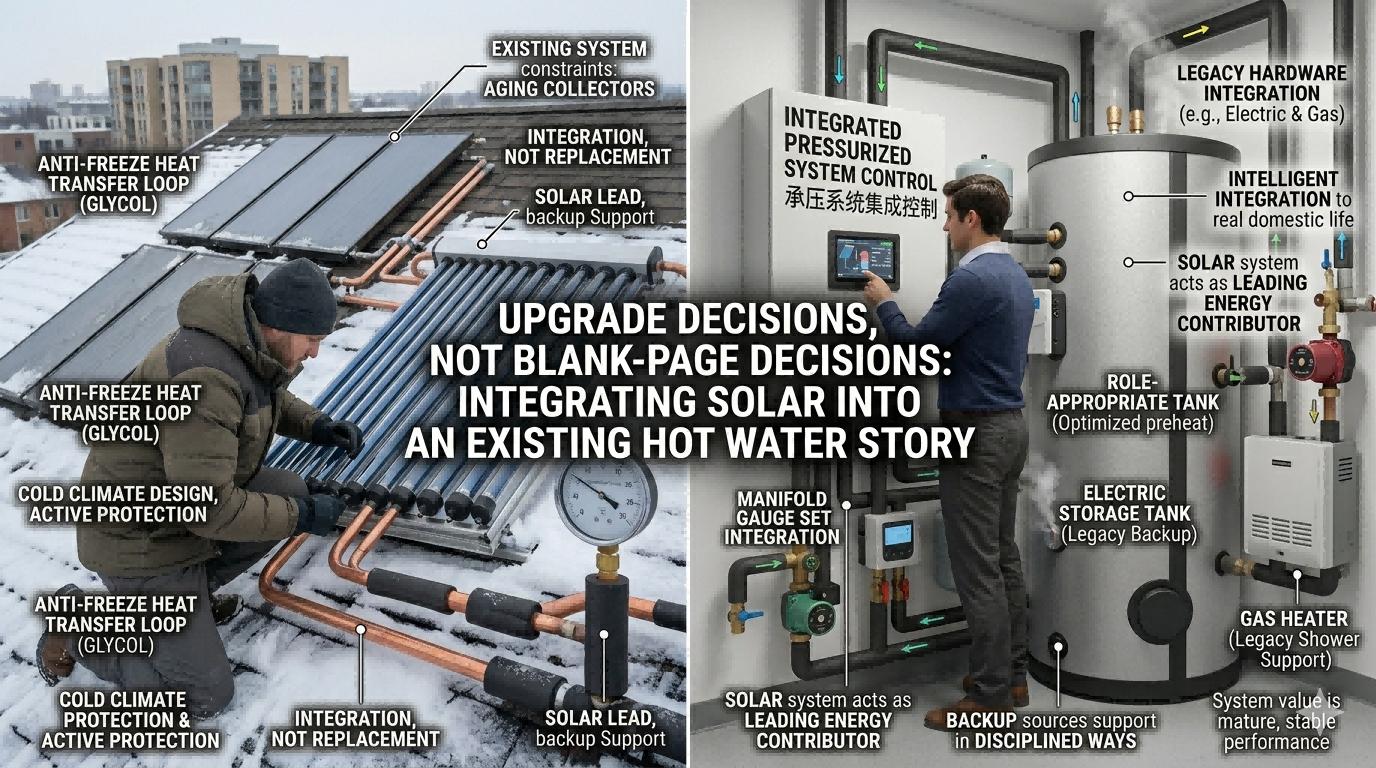
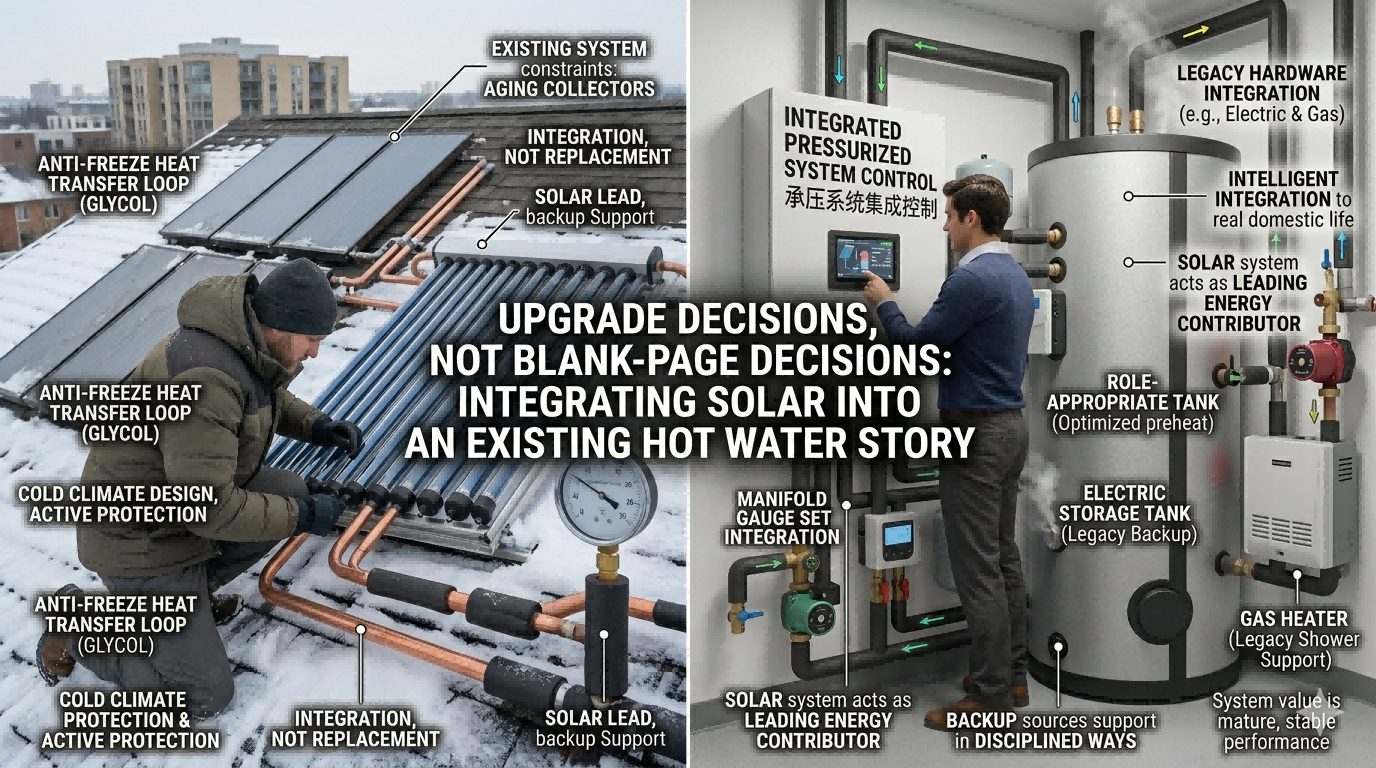
How a Pressurized Solar Water Heater Works with Electric Backup, Gas Boosters, Heat Pumps, and Existing Plumbing
A pressurized solar water heater delivers its greatest value when it is not treated as an isolated rooftop product, but as part of a coordinated domestic hot water strategy. This guide explains how a pressurized solar hot water system can work with electric backup, gas booster, heat pump water heater, and existing plumbing to create a more stable, efficient, and upgrade-friendly home hot water solution.
Building & Home Improvement
The Next Tent Will Not Be Defined by One Material How Sustainability, Repairability, and Adaptive Design Are Reshaping the Future of Shelter
The future of shelter will not be decided by a single fabric or one breakthrough spec. It will be shaped by how brands combine sustainable tent fabric, repairable tent design, PFAS-free tent chemistry, recycled tent fabric systems, modular tent system logic, and adaptive shelter design into products that deliver stronger long-term value, clearer purpose, and more human-centered outdoor living.
A Tent Does Not Fail Overnight How UV, Moisture, Storage, and Repair Define Real Tent Lifespan
Most people think a tent fails in one dramatic moment, but real shelter decline usually happens slowly through sunlight, moisture, abrasion, poor storage, and neglected repair. This article explains why tent lifespan is not just a factory specification, but the result of material aging, ownership behavior, product matching, and maintenance discipline over time.
When a Tent Starts Acting Like a Building: How Commercial Tent Systems Redefine Space, Speed, and Functional Architecture
The modern tent industry is no longer defined only by outdoor recreation. In commercial, industrial, event, warehousing, and semi-permanent space planning, tents are increasingly being used as fast, flexible, and highly engineered building systems. This article explains how commercial tent architecture, PVC membrane performance, clear span structures, and modular deployment logic are reshaping the way organizations create functional space.
July 13th, 2026
Why Shower Drains Fail The Critical Waterproofing Connection Hidden Beneath the Finished Floor
Most shower drain failures do not begin at the decorative grate. They begin where the waterproofing layer terminates, changes material or connects to the drain body. This guide explains traditional liners, bonded flanges, sheet and liquid membranes, common leak paths, inspection hold points, repair decisions and the information project buyers should demand before the drain disappears beneath tile.
Chemicals & Water Treatment
April 24th, 2026
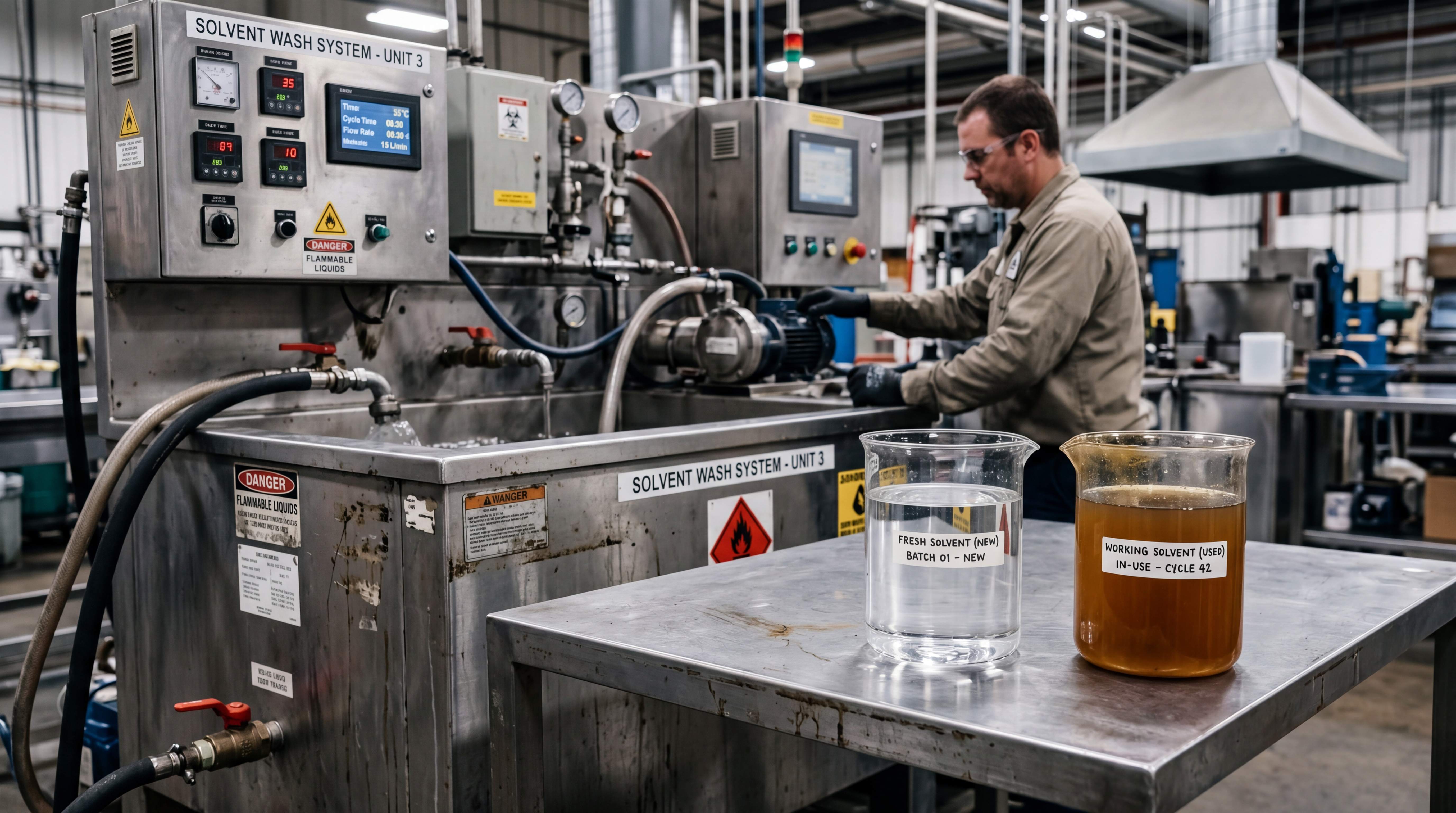
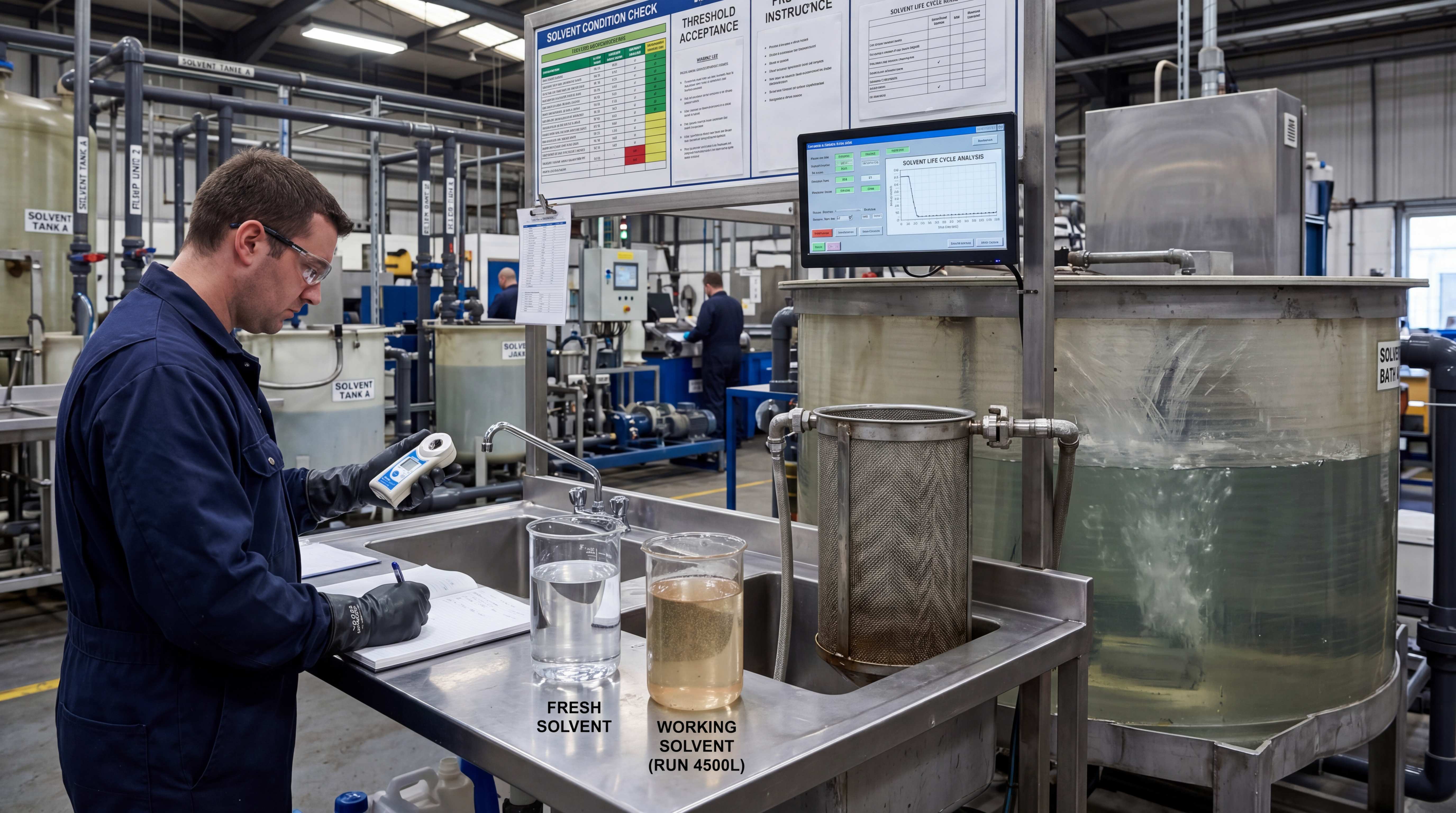
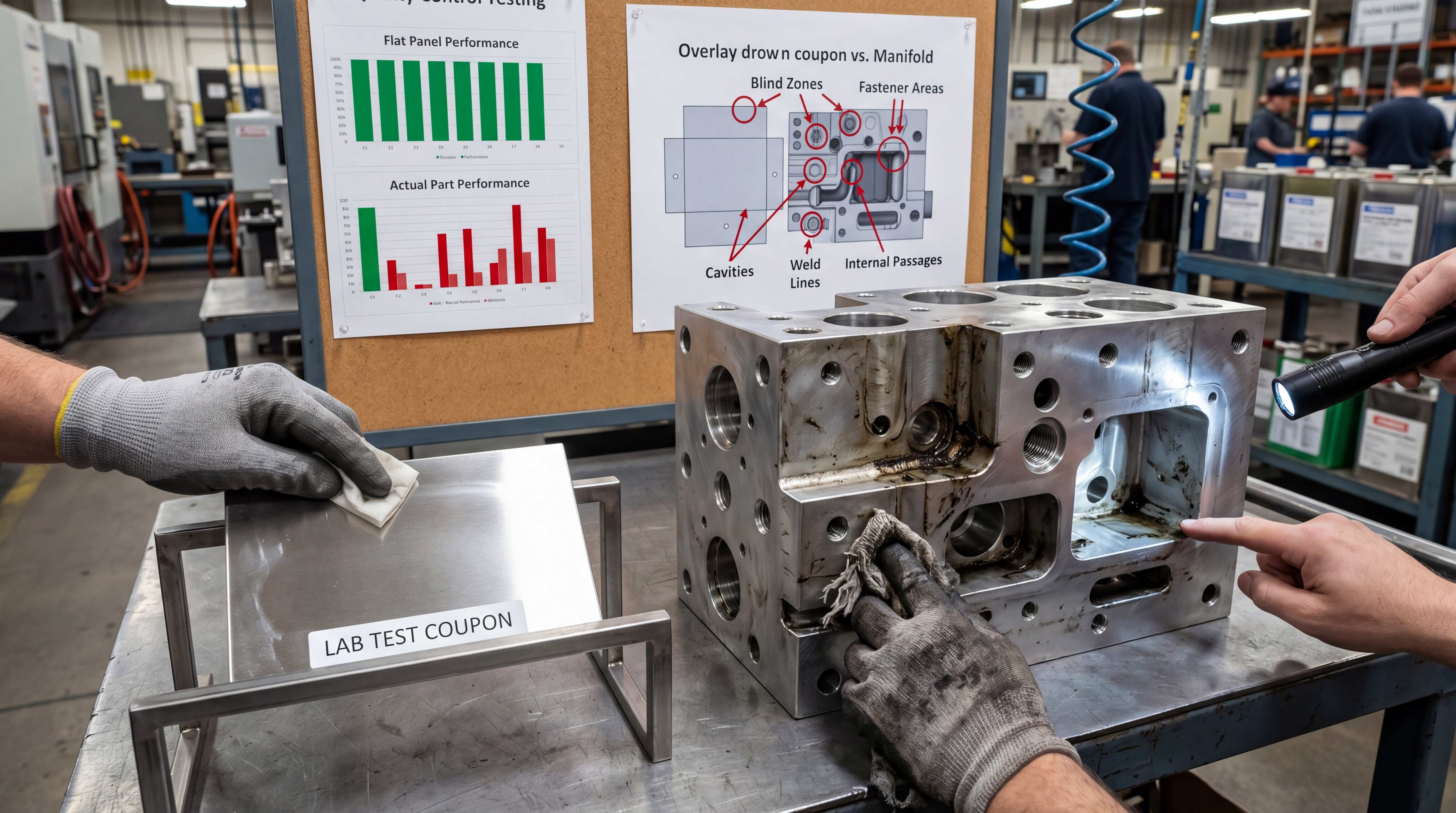
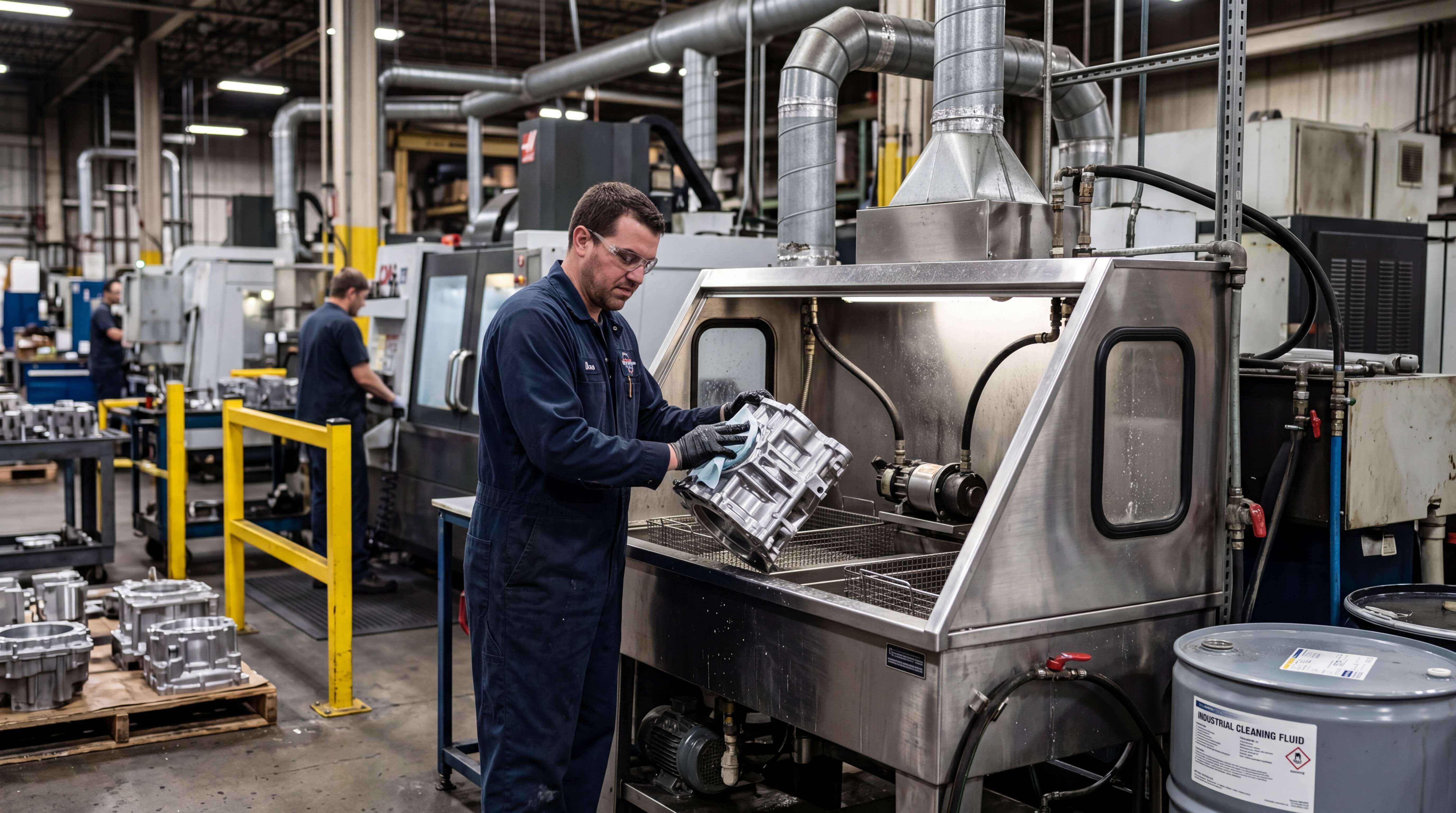
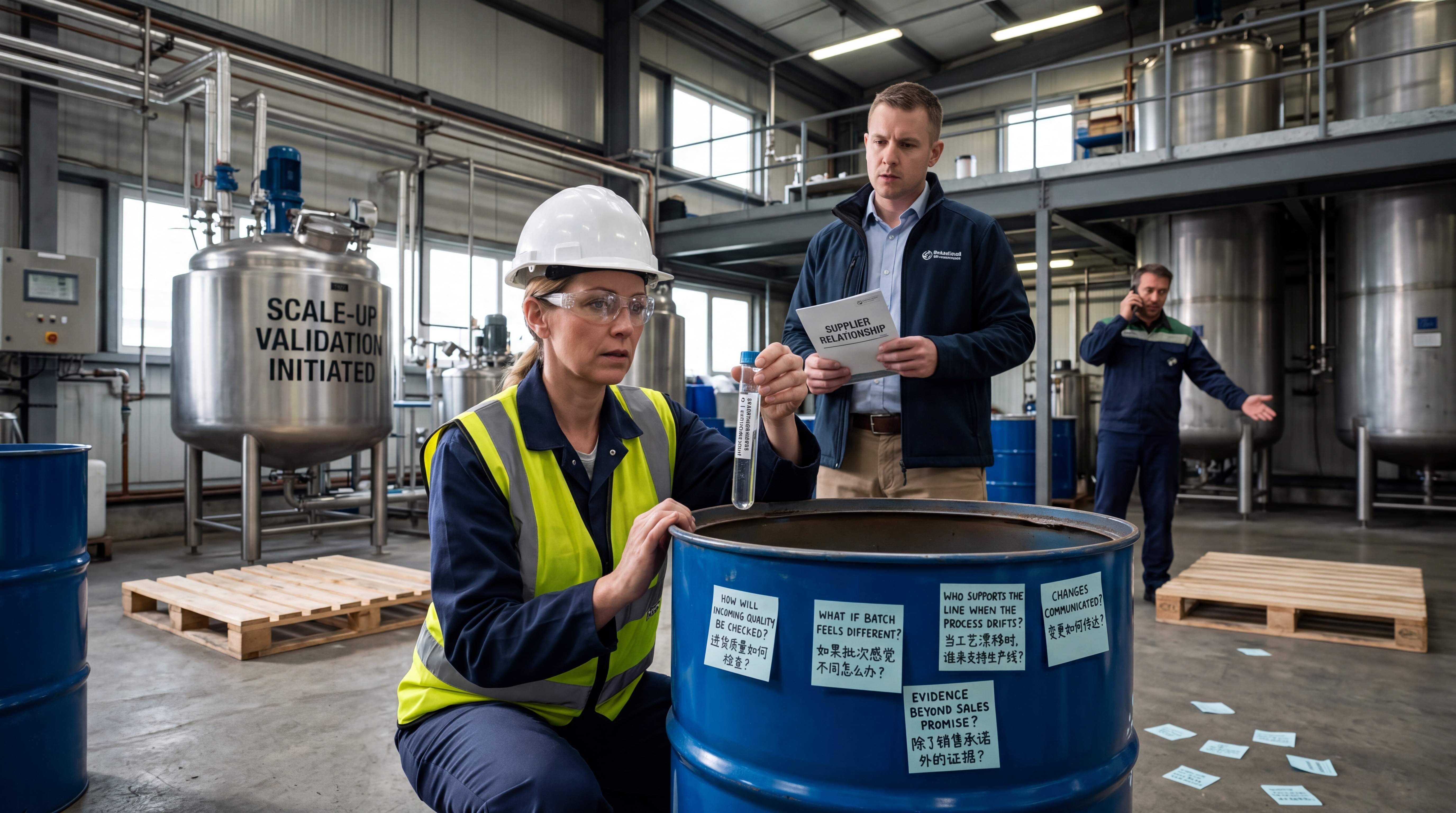
Why Hydrocarbon Solvent Trials Succeed in the Lab but Fail on the Production Floor
A successful solvent trial does not always mean a successful production process. This article explains where hydrocarbon solvent validation often breaks down during scale-up.
Aliphatic vs Aromatic Solvents: How to Choose the Right One for Industrial Use
Compare aliphatic solvents and aromatic solvents in real industrial applications. Learn how hydrocarbon solvents differ in solvency power, evaporation rate, flash point, odor, compatibility and process value for better solvent selection.
Stop Selling Hydrocarbon Solvents by Chemistry Name Alone Build the Portfolio Around Real Industrial Use
A stronger hydrocarbon solvent portfolio is built around application logic, not chemistry names alone. This article explains why that shift improves customer understanding and buying confidence.
Boiler Deposits Remember What Water Samples Forget: A Forensic Guide to Tube Risk
A normal boiler-water report only describes the present sample; deposits preserve the history of hardness leakage, corrosion products, contamination, heat flux and chemistry upsets. This forensic guide shows how to map deposit location, analyze tube samples, interpret under-deposit risk and decide whether to correct operation, clean chemically or replace damaged tubing.