
















Scan the QR code to visit the mobile website
May 8th, 2026
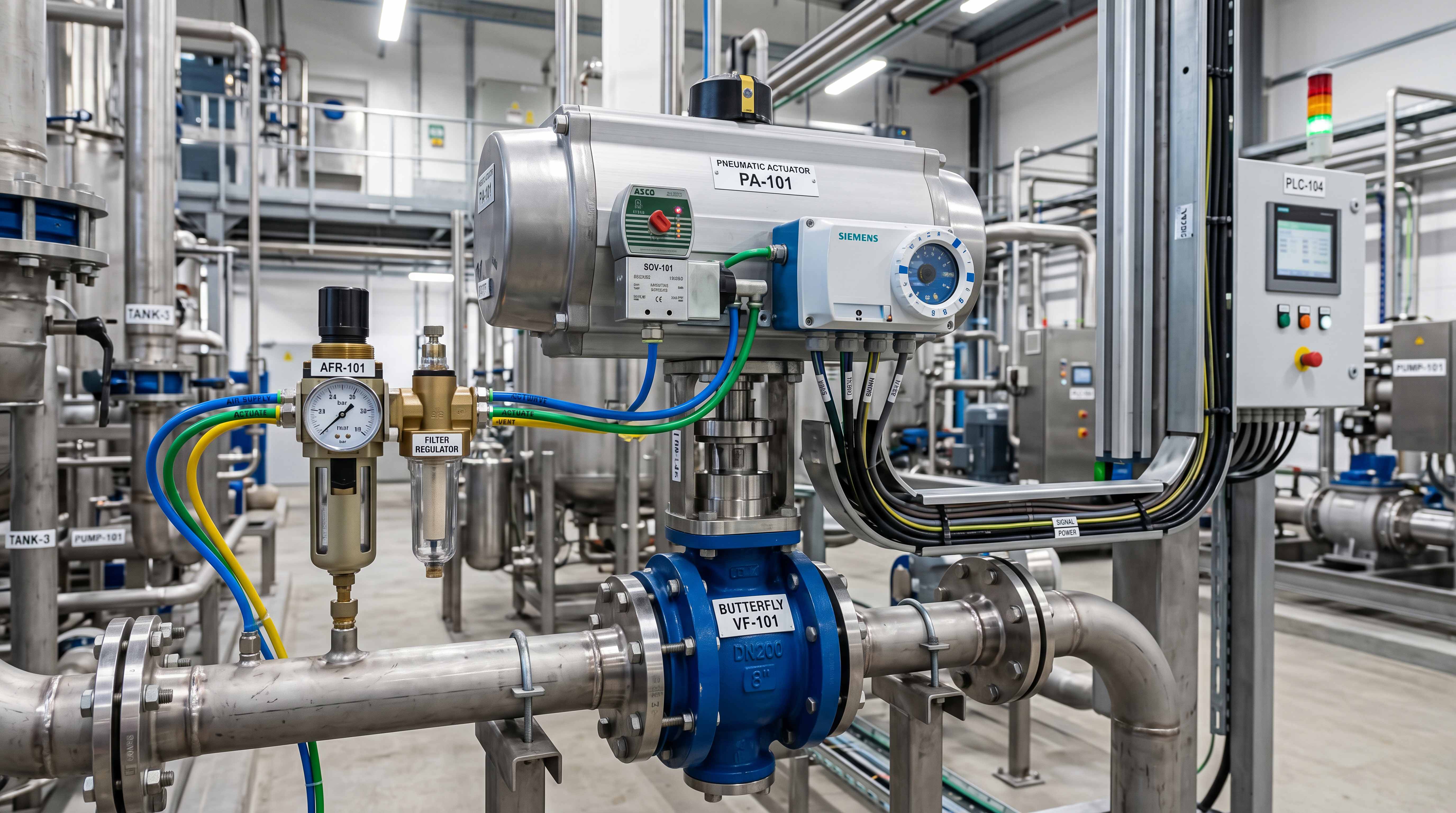
Pneumatic Valve Automation Is More Than an Actuator: How the Complete System Works
A practical guide to pneumatic valve automation systems, explaining how actuators, solenoid pilot valves, limit switch boxes, positioners and compressed air supply work together in industrial valve control.
How Solenoid Pilot Valves Control Pneumatic Valve Actuators
A practical guide to solenoid pilot valves in pneumatic valve automation, explaining how electrical signals control air flow, how 3/2 and 5/2 valves work, and how to select, install and troubleshoot pilot valves for pneumatic actuators.
May 6th, 2026
Bushings vs Bearings: Why Many Machines Do Not Need a Rolling Bearing at All
Bushings are often treated as simple components, but in many machines they are the more practical choice. This article explains when a bushing is enough, when a rolling bearing is necessary, and how engineers should think about real working conditions.
May 11th, 2026
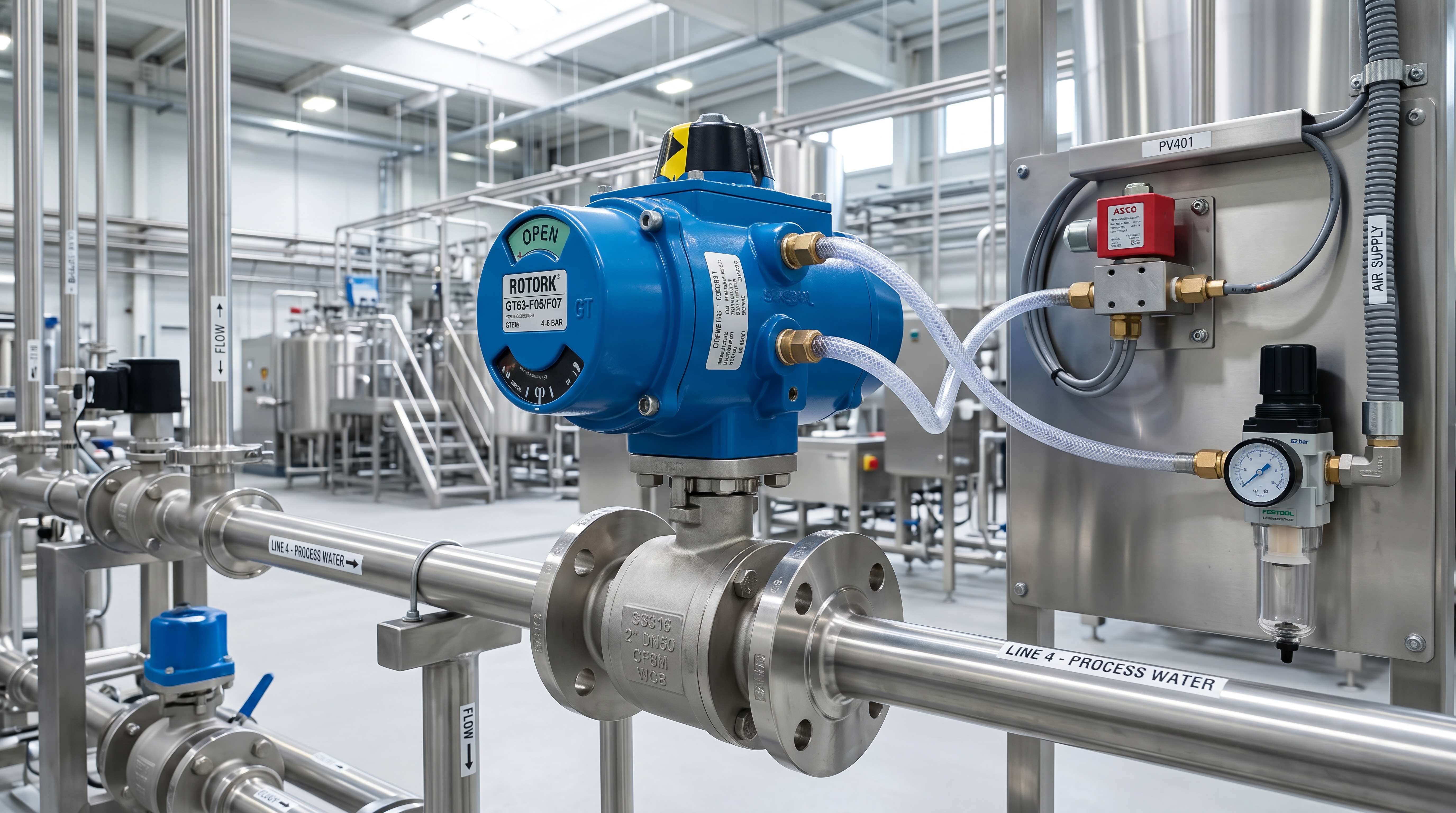
What Is an Actuated Ball Valve? From Manual Shut-Off to Automated Flow Control
An actuated ball valve combines a quarter-turn ball valve with an electric or pneumatic actuator, allowing industrial systems to control flow remotely, automatically, and more reliably than manual valve operation.
April 14th, 2026
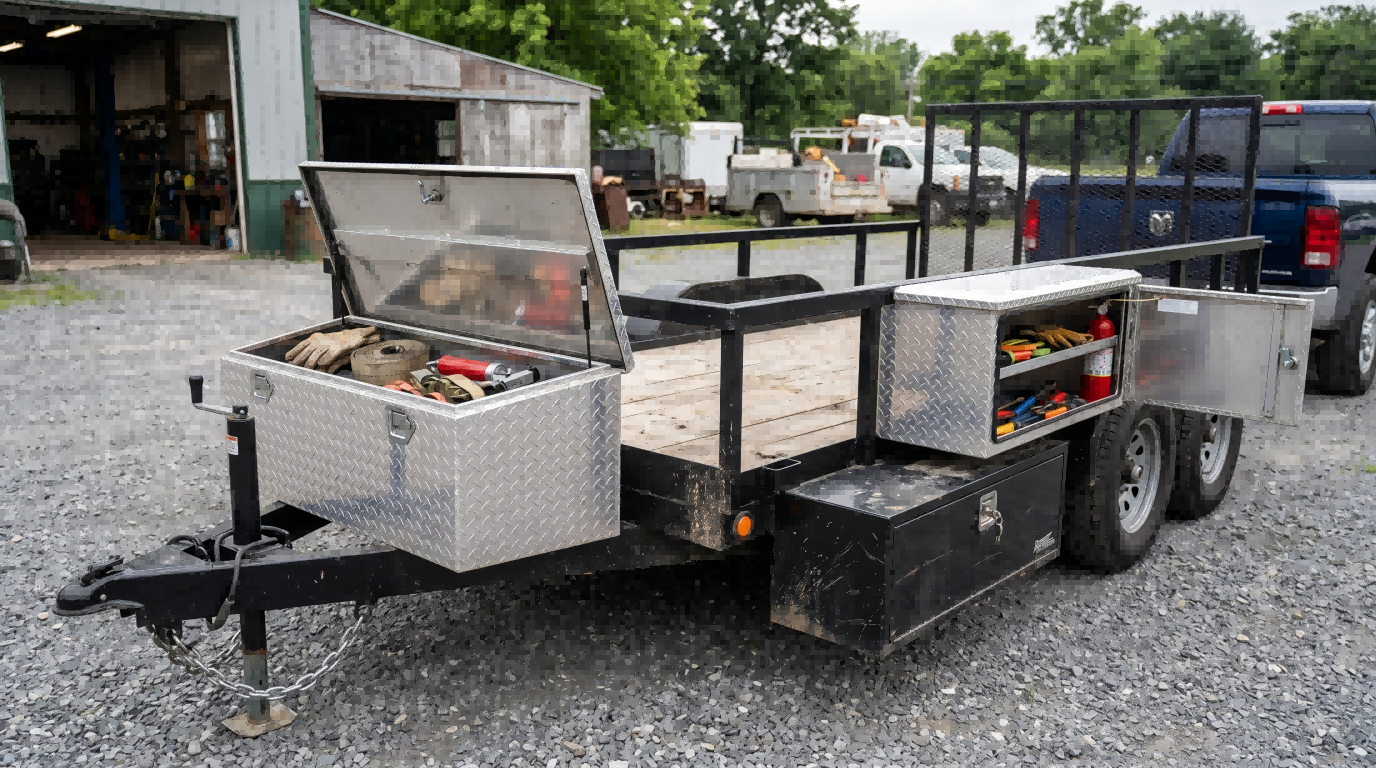
What Should You Store in a Trailer Toolbox A Smarter Storage Strategy for Towing Gear
A trailer toolbox should do more than hold random gear. This guide explains what to store in a trailer toolbox, how to organize towing essentials by access frequency and task sequence, and how to build a smarter storage strategy for safer, faster, and cleaner trailer operation.
May 28th, 2026
Does a Cold Air Intake Really Add Horsepower? Understanding Flow, Temperature, and Tuning
A cold air intake can support horsepower gains in the right conditions, but it does not work like a universal power switch. Real performance depends on airflow restriction, intake temperature, ECU calibration, sensor stability, engine demand, pipe design and the full vehicle setup. This guide explains how to evaluate cold air intake performance without relying on exaggerated claims.
Chemical-Resistant Mechanical Seals: How to Seal Corrosive, Crystallizing and Aggressive Fluids
Chemical pump sealing is not only about choosing a harder seal face. Corrosive fluids, solvents, acids, alkalis, crystallizing liquids and cleaning chemicals require a full compatibility strategy across seal faces, elastomers, metal parts and support systems.
May 12th, 2026
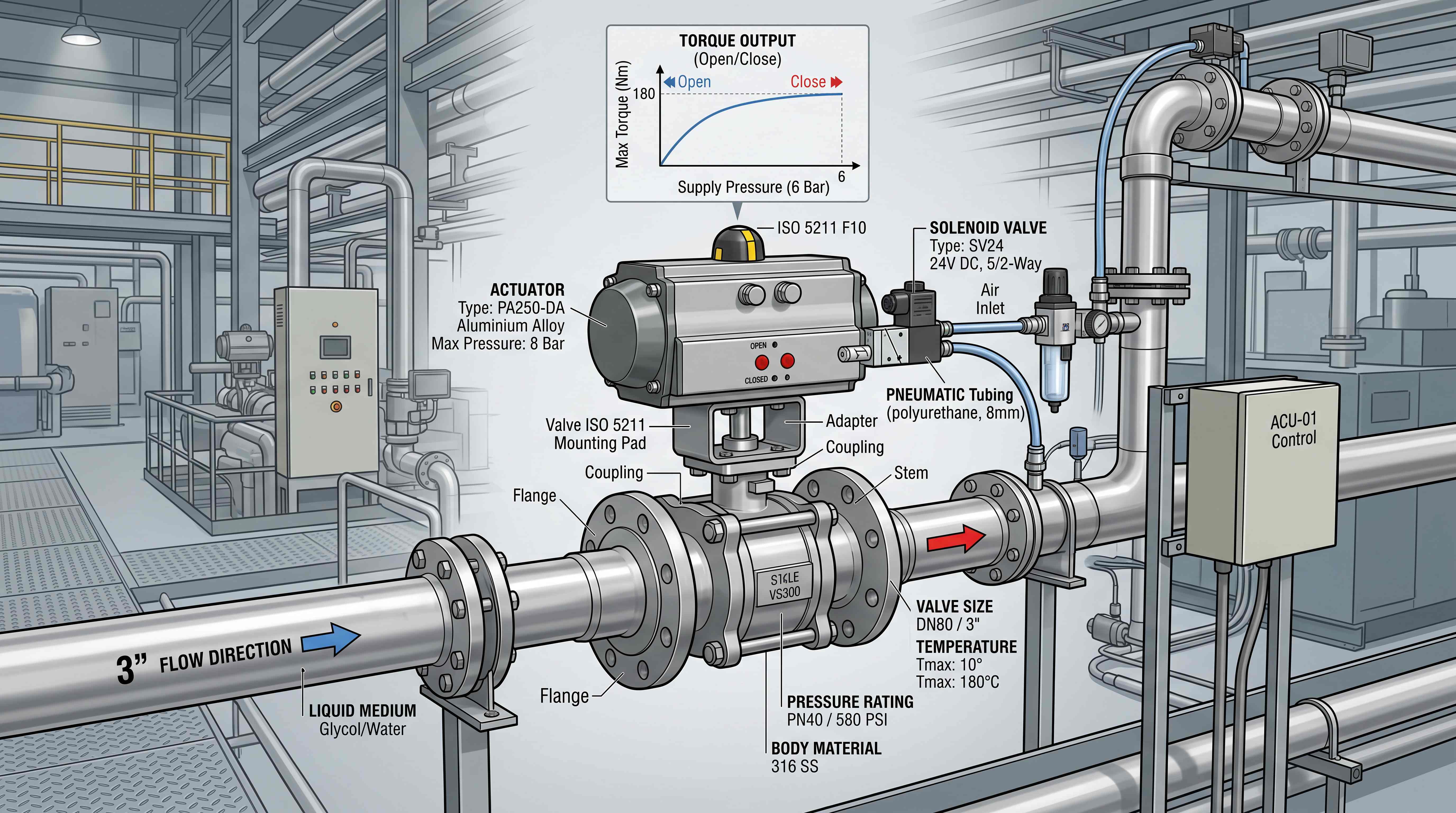
Ball Valve Actuator Sizing: Torque, Pressure, Media and Safety Factor Explained
Ball valve actuator sizing is not based on pipe size alone. Correct selection depends on breakaway torque, valve pressure torque, media condition, operating frequency, safety factor and mounting compatibility.
June 1st, 2026
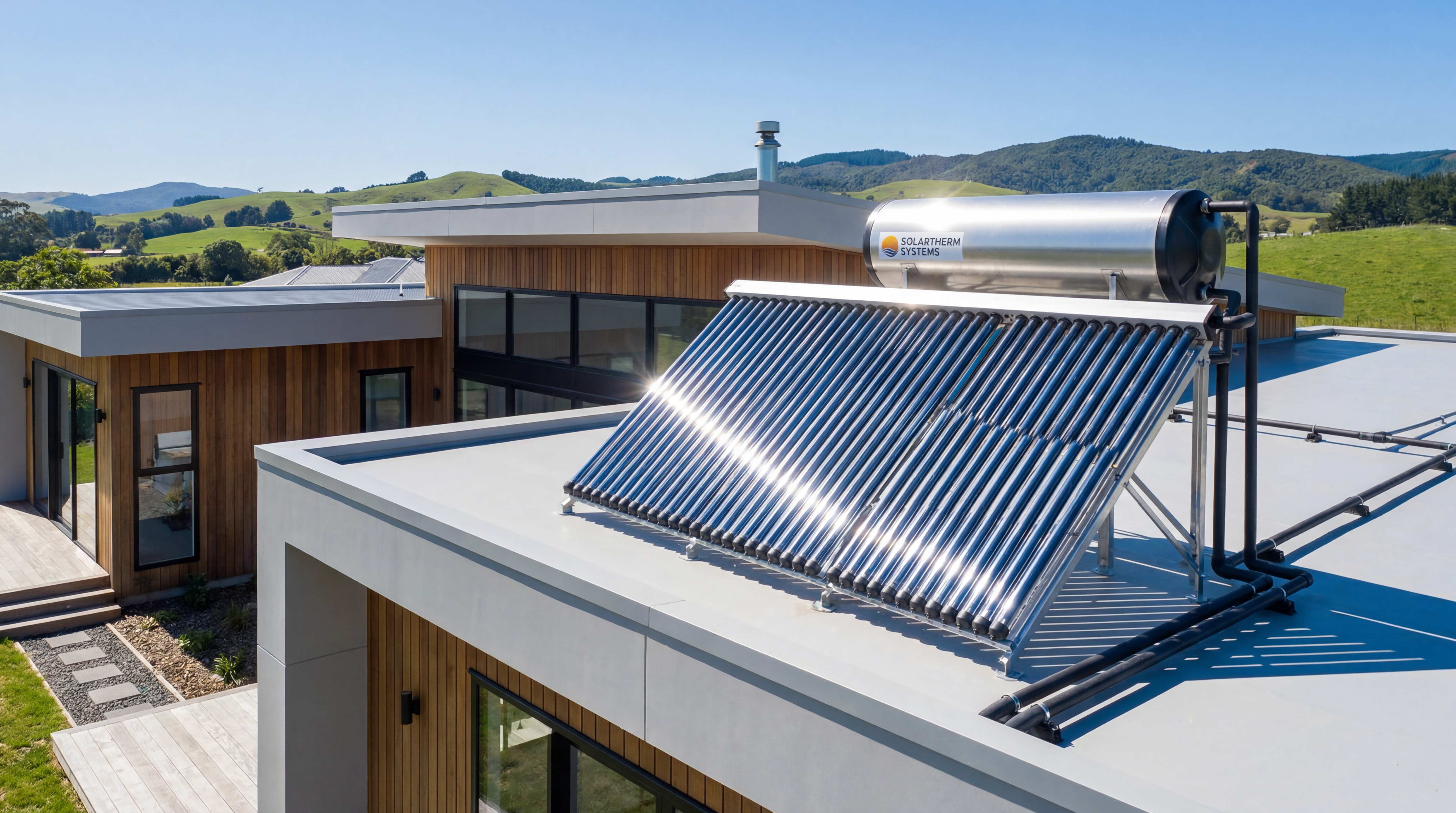
Where Non-Pressure Solar Water Heaters Make the Most Sense: Rural Homes, Farms and Off-Grid Buildings
A non-pressure solar water heater is not suitable for every building, but it can be one of the most practical solar hot water solutions for rural homes, farms, off-grid houses, low-pressure water supply areas, and cost-sensitive markets. This article explains where the system fits best, why it still has strong international demand, and how B2B buyers should evaluate its real application value.
September 30th, 2026
How to Compare Pressurized Solar Water Heater Quotes on Equal Terms
Compare supplier quotations on the same technical and commercial basis. This B2B guide provides an RFQ checklist, supply responsibility matrix, three-offer cost example, and acceptance checks to help importers, installers, and project buyers assess complete pressurized solar water heating packages.
June 9th, 2026
How to Size a Split Solar Water Heating System for Homes, Hotels, and Projects
A professional sizing guide for split solar water heating systems, explaining how to evaluate hot water demand, storage tank size, collector area, peak usage, climate, backup heating, and project-level design for residential and commercial applications.
What Is a Non-Pressure Solar Water Heater and Why Is It Still Widely Used?
A non-pressure solar water heater is not simply a low-cost version of a pressurized system. It is a practical solar hot water solution designed for low-pressure water supply, rural homes, farms, off-grid buildings, and markets where simple installation and low maintenance matter more than high-pressure comfort.
How B2B Buyers Should Evaluate Split Solar Water Heater Suppliers
A professional B2B guide to evaluating split solar water heater suppliers, covering product quality, system design capability, documentation, project support, after-sales service, risk control, and long-term value.
October 23rd, 2026
Why Is Your Solar Water Heater Overflowing? A Non-Pressure System Guide
Why does a non-pressure solar water heater keep overflowing or refilling? Identify the outlet, compare filling-control faults with overheating and leaks, estimate water loss, and define repair checks for owners, installers and B2B distributors.
June 11th, 2026
Glass-Glass vs Glass-Backsheet PV Modules: How to Choose for Long-Term Reliability
A project-focused guide comparing glass-glass and glass-backsheet PV modules by structure, weight, moisture resistance, bifacial design, degradation risk, warranty logic and long-term reliability.
June 16th, 2026
Glass-Glass BIPV Facades: How Curtain Walls Become Energy-Generating Building Skins
Glass-glass BIPV facades are not ordinary solar panels added to a wall. They transform curtain walls, spandrel areas, ventilated facades and building skins into active energy-generating surfaces. This guide explains how architects, developers, facade contractors and solar buyers should evaluate facade orientation, glass structure, active and passive panels, wiring, maintenance, safety and long-term project value.
July 17th, 2026
Wall-to-Glass, Glass-to-Glass or Pivot Choosing Hinges by Shower Layout
Choosing shower hinges begins with enclosure geometry, not finish. This industry guide compares wall-to-glass, glass-to-glass and pivot systems across alcove, inline, corner, neo-angle, pony-wall and curbless layouts, explaining support paths, swing envelopes, fixed-panel restraint, water control and specification decisions before glass fabrication.
June 30th, 2026
What Upholstery Test Results Really Tell Buyers—and What They Do Not
Upholstery fabric testing is not a collection of numbers to decorate a product sheet. For commercial furniture, hospitality seating, healthcare interiors, restaurant booths, and high-use public spaces, test results help buyers understand risk. But they must be interpreted correctly. This guide explains how abrasion, flammability, colorfastness, cleanability, seam behavior, and physical properties should support better upholstery decisions.
July 2nd, 2026
What Makes a Fabric Suitable for Industrial Workwear
Industrial workwear is not ordinary clothing with stronger stitching. The right fabric must support durability, comfort, laundering, safety expectations, and real jobsite movement. This guide explains how global buyers should evaluate workwear fabric before production, sourcing, or uniform program planning.
April 22nd, 2026
A Tent Is Not Better Because It Is Lighter: How Shelter Architecture Defines Real Performance From Ultralight to Family Camping
In today’s tent market, buyers often compare shelters by weight, size, or season label alone, but real tent performance begins with structure. This article explains how freestanding, semi freestanding, trekking pole, base camp, and comfort-oriented tent designs solve different outdoor problems—and why the best tent is always the one whose architecture matches the way it will actually be used.
Marine Upholstery Fabric Is Not Just Outdoor Fabric on a Boat
Boat seats and cushions face a different material reality from ordinary patio furniture. Marine upholstery fabric must survive salt air, UV reflection, wet passengers, sunscreen, fish residue, humidity, cabin condensation, stitching stress, foam drainage problems, and repeated cleaning while still staying comfortable enough to sit on.
July 23rd, 2026
The Deposit Changes the Balance of Power: How to Audit a Capsule House Supplier Before the Money Moves
A capsule supplier cannot be approved from a showroom, catalogue or certificate folder alone. This guide shows international buyers how to map every company behind the transaction, expose contradictions between sales claims and production evidence, validate a representative capsule, structure deposit milestones and build a warranty route that still works after international delivery.
How Shower Door Hinges Carry Load Weight, Width and Glass Thickness Explained
A frameless shower door is not supported by hinges alone. Its reliability depends on how glass mass, panel width, thickness, hinge spacing, gaskets, fasteners and wall structure form one load path. This engineering guide shows designers, installers and buyers how to calculate preliminary glass mass, read weight and width limits separately, choose hinge quantity and avoid system-level sizing errors.
July 20th, 2026
Expandable vs Detachable vs Flat-Pack Buildings: What Really Changes?
Expandable, detachable and flat-pack buildings can look alike after installation, yet they distribute transport volume, factory completion, site labor and interface risk in very different ways. This guide separates overlapping market terminology, follows each system from shipment through deployment, and gives buyers a practical framework for comparing installed cost, code pathways, repeat relocation and supplier evidence before committing to volume procurement.
July 27th, 2026
Cooling Water Shutdown Corrosion: How Wet and Dry Layup Protect Idle Equipment
Cooling systems can corrode fastest when they are not operating. This engineering guide explains wet versus dry layup, stagnant-water and residual-moisture risks, shutdown preparation, restart verification, monitoring, metallurgy, supplier qualification and how to prevent an idle system from becoming a startup failure.
Under-Deposit Corrosion in Industrial Water Systems: Why Clean-Looking Equipment Can Fail from Beneath
Under-deposit corrosion is one of the most easily misdiagnosed failure mechanisms in industrial water systems because the bulk water may remain within specification while aggressive chemistry develops beneath scale, corrosion products, suspended solids or biofilm.
When Biocide Control Raises Corrosion Risk: Protecting Copper Alloys in Cooling Water
Aggressive chlorination can improve microbial control while destabilizing copper-alloy protection. Learn how oxidizing biocides, azoles, copper release and monitoring interact in industrial cooling systems—and how operators can balance microbiological control with long-term asset integrity.
July 30th, 2026
MBR for Water Reuse: Why Membrane Flux Is Not the Starting Point
An MBR succeeds only when biological treatment, solids separation, aeration, cleaning and the reuse-water duty are designed as one system. This guide explains sustainable flux, fouling controls, configuration choices, commissioning evidence and procurement guarantees for municipal and industrial reuse projects.
RO Membrane Replacement: How to Qualify Elements and Prove Startup Performance
Replacing an RO membrane is not a like-for-like purchasing exercise. The new element must match the system’s hydraulic, chemical, mechanical and regulatory envelope, while installation and startup must create a defensible new baseline. This guide explains how to choose the replacement scope, qualify alternatives and prove that the change succeeded.
April 23rd, 2026
Why Hydrocarbon Solvents Still Matter in Modern Industry
Hydrocarbon solvents are often treated as basic chemical commodities, but in real industrial practice they are far more than that. This article explains why hydrocarbon solvents still matter in modern industry, how aliphatic solvents, aromatic solvents and dearomatized solvents serve different process goals, and why solvent selection today must balance performance, safety, compliance, consistency and long-term operational value.
July 24th, 2026
TBC, MEHQ and PTZ in Monomer Storage: How Oxygen, Temperature and Inhibitor Depletion Change Risk
This industry guide compares TBC, MEHQ and PTZ as different monomer-protection tools rather than interchangeable additives. It maps styrene, acrylic and methacrylic storage risks across oxygen availability, temperature history, residence time, active-inhibitor measurement, phase segregation and emergency restabilization.
August 4th, 2026
Refractory Dry-Out Explained: Moisture Migration, Spalling Risk, and Faster Furnace Start-Up
A field-oriented guide to controlling moisture release from monolithic refractory linings. It explains water inventories, pressure buildup, thermal instrumentation, venting, hold logic, fast-dry materials, acceptance records, and the decisions that protect safety without extending an outage unnecessarily.
April 27th, 2026
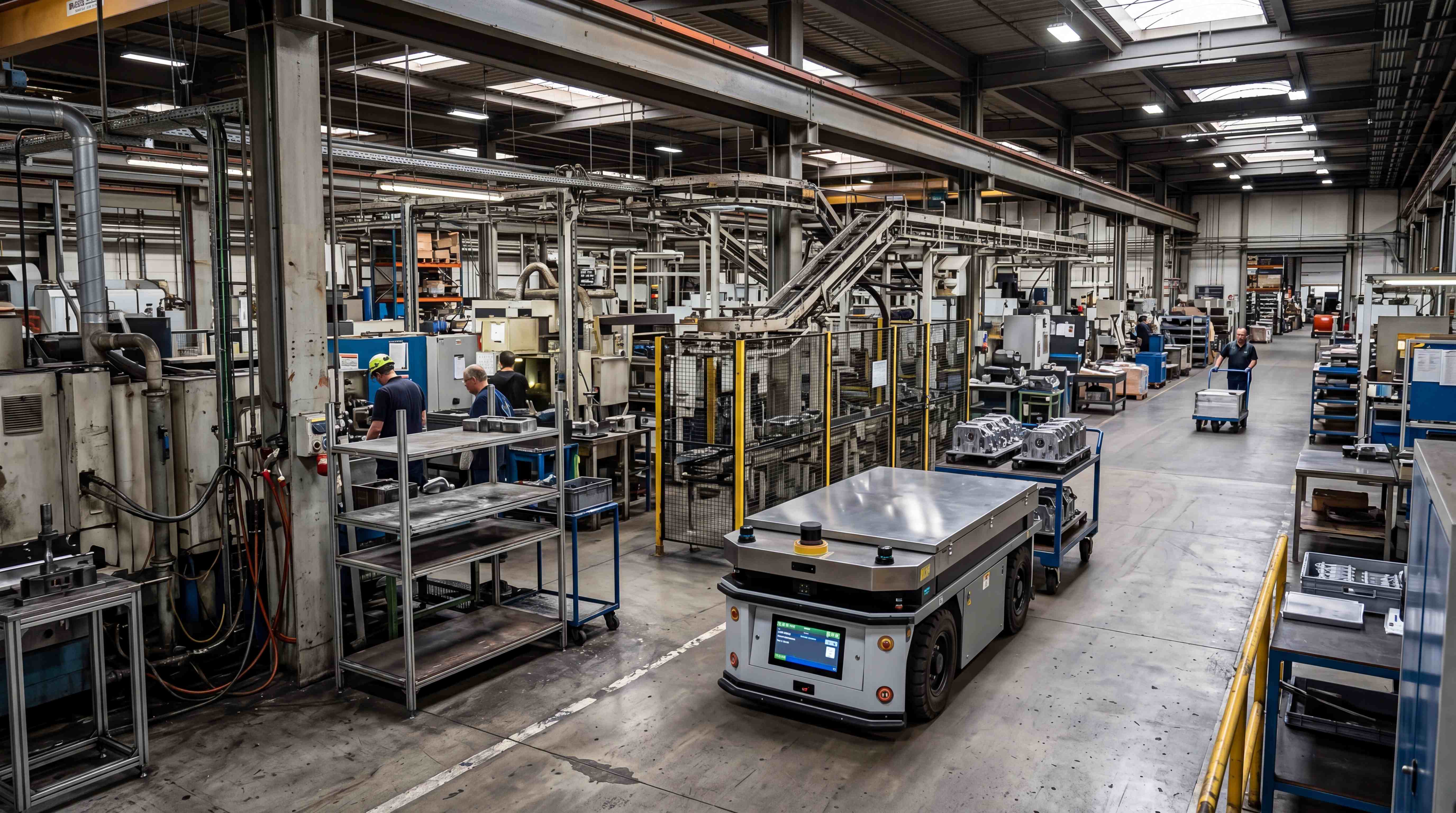
A Heavy-Duty Mobile Base Is Not Just a Bigger Robot: What Really Determines Success in High-Payload Factory Transport
A heavy-duty AMR chassis or high-payload mobile base does not succeed simply because it can carry more weight on a specification sheet. Real success depends on dynamic load stability, load center control, floor bearing verification, braking behavior, structural rigidity, and the ability to move heavy loads repeatedly inside live industrial environments.
April 24th, 2026
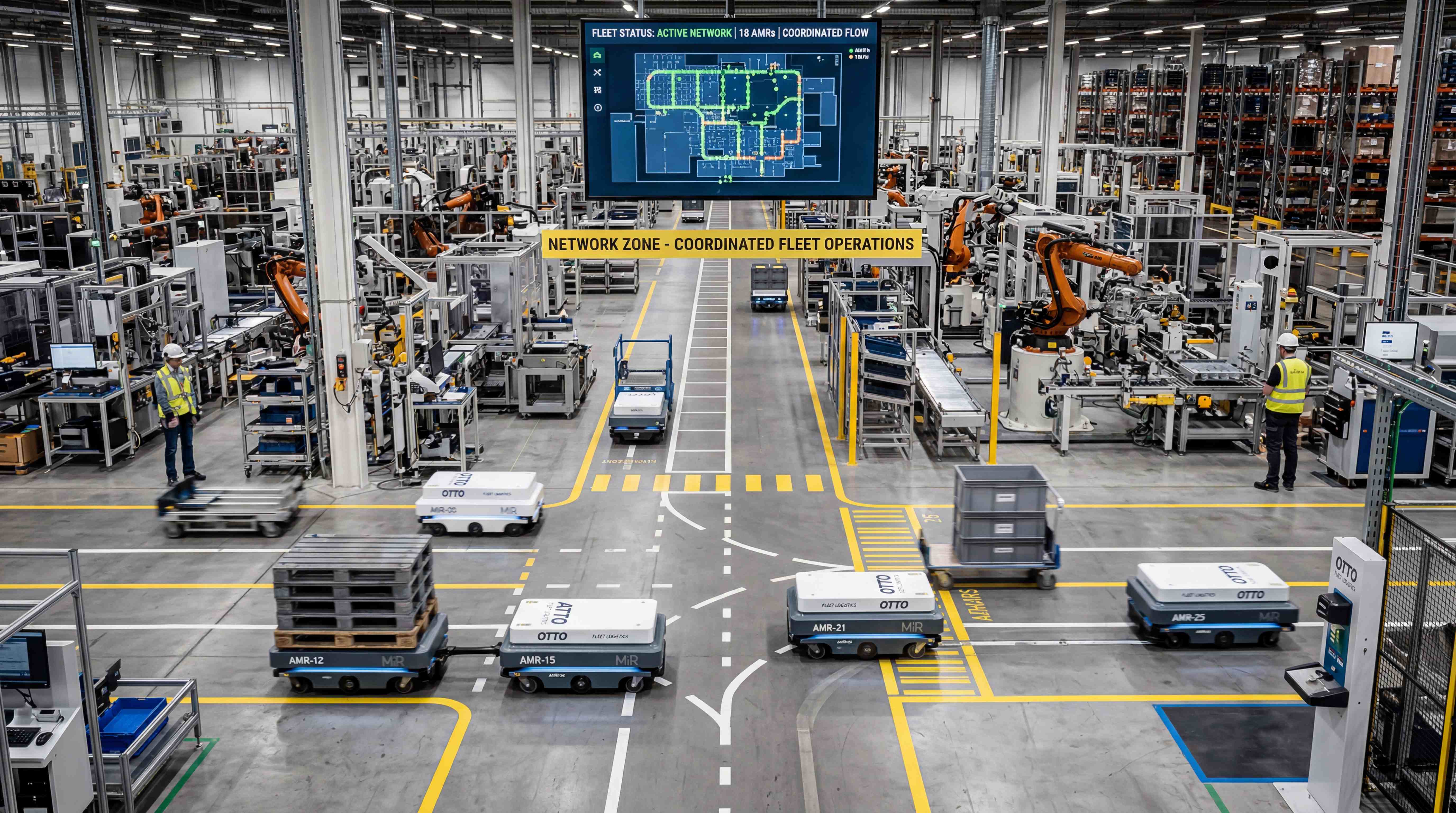
How to Choose the Right AMR/AGV Mobile Base: Why Payload Alone Is Not a Real Selection Method
Choosing an AMR mobile base or AGV mobile base based only on payload is one of the most common mistakes in automation planning. This article explains how task profile, route variability, docking logic, floor conditions, safety, integration, and fleet scalability define the right mobile base far more accurately than a single load number.
August 14th, 2026
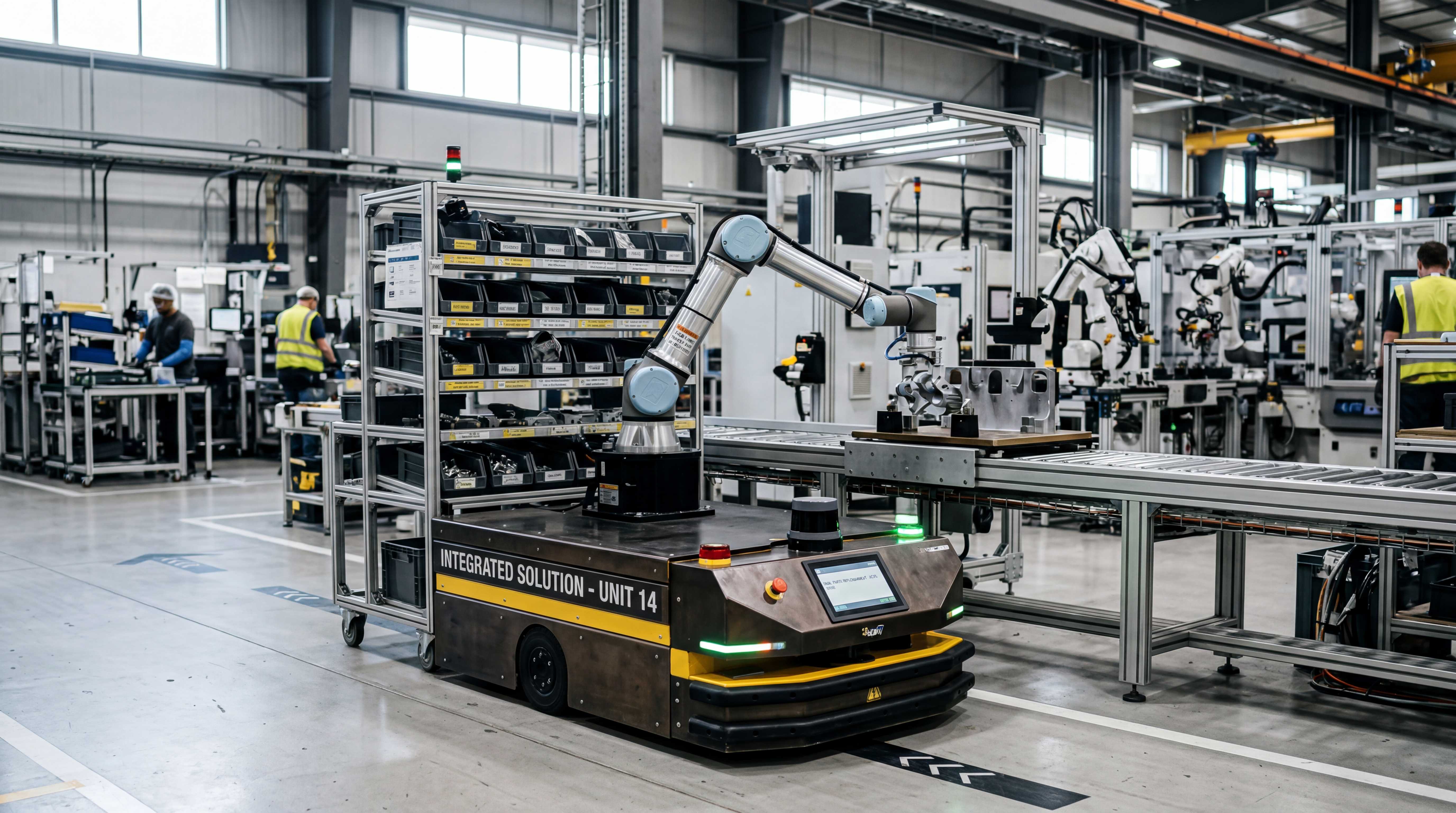
A Successful AMR Demo Is Not Acceptance How to Prove the System Is Ready for Production
An AMR can complete a demo and still fail under real production conditions. This guide shows how buyers and integrators can define FAT, SAT, operational acceptance, measurable KPIs, docking tests, degraded-mode scenarios, evidence requirements, and handover criteria before signing off a mobile robot system.
October 28th, 2026
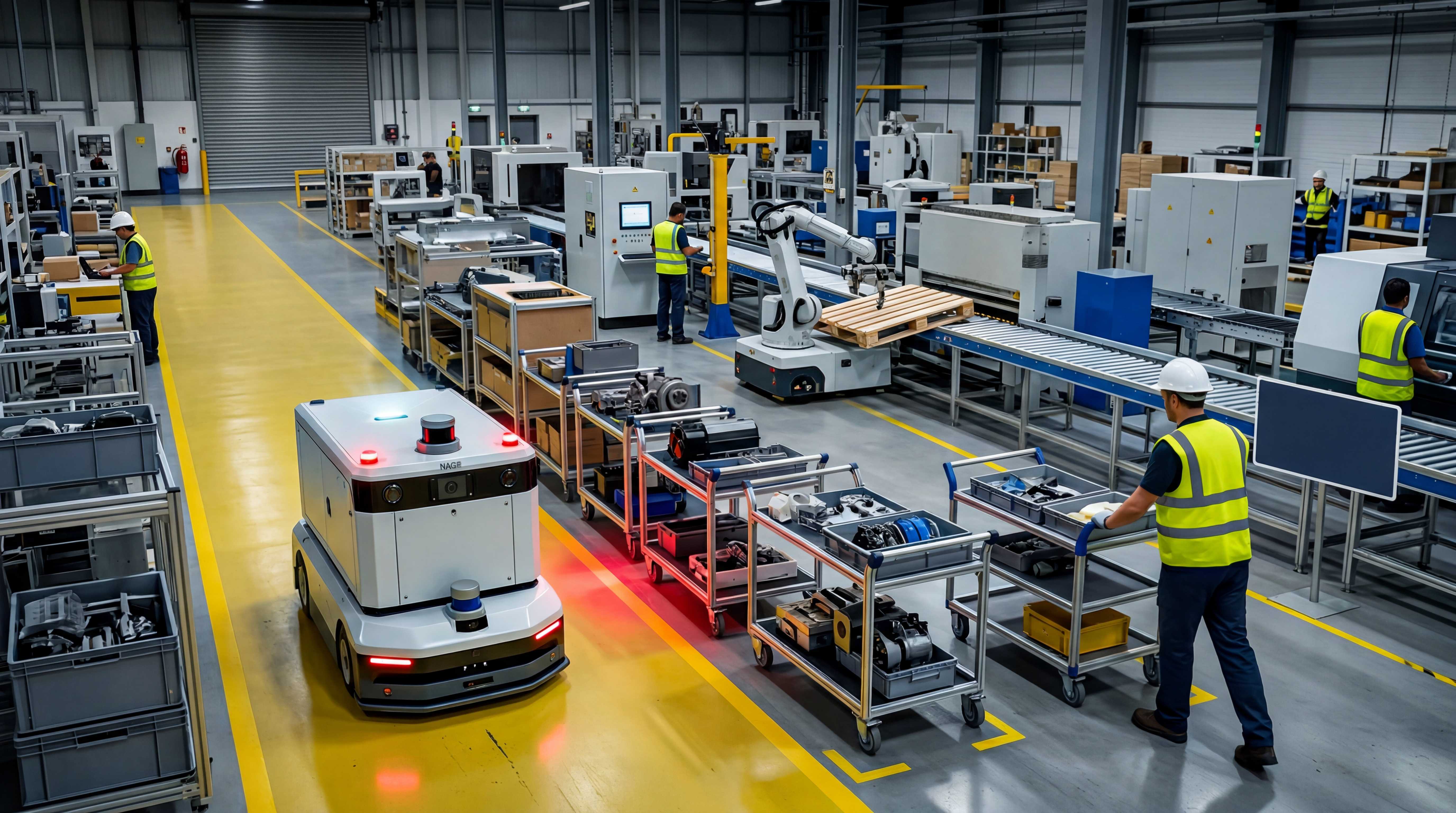
When a Pallet Conveyor Should Carry the Load and When an AMR Should
Should fixed conveyors, AMRs or a hybrid layout move your heavy pallets? This buying guide examines roller and chain support, burst-demand buffering, route changes, shared transfer responsibilities and acceptance evidence, with current supplier developments and an original queue-planning example.
September 29th, 2026
AI Can Find the Pallet. Should Your Heavy-Payload AMR Pick It Up
Recognizing a pallet does not establish that it can be picked up. Examine pocket geometry, carrier condition, target identity and recovery through three pallet scenarios and a worked validation dataset. Learn how to compare false approvals, valid-load refusals and real pickup completion.
September 18th, 2026
Heavy-Payload AMR Cost and ROI: How to Build a Five-Year Business Case
Build a five-year investment case for heavy-payload AMRs using a worked factory example. Compare system and workflow costs, separate labor capacity from cash savings, calculate payback and NPV, and test which assumptions could overturn the purchase decision.
Two AMRs, One Heavy Load: Why Tandem Transport Changes the Engineering
Two mobile robots carrying one load create a single coupled transport system. Explore a worked load-sharing calculation, turning geometry, coordinated stopping and recovery, then use a practical design-review framework to compare tandem transport with a single larger vehicle.
October 14th, 2026
Do AMRs Need Safety Fences? A Buyer's Guide to Barriers, Gates and Virtual Zones
Do AMRs need fences, impact barriers or controlled access? This buyer guide compares five protection types, explains the limits of virtual zones, and provides location-based questions, quotation requirements and an illustrative capacity comparison for ground-level factory and warehouse applications.
September 20th, 2026
Soda Maker OEMODM Sourcing An RFQ and Supplier Qualification Guide for Buyers
A practical sourcing guide for private-label brands, importers, and procurement teams. Use a copy-ready RFQ, evidence-based supplier scorecard, and sample-to-production checklist to define the right soda maker configuration, compare quotations, verify documents, and assign quality and after-sales responsibilities.
Soda Makers and Sustainability The Real Story Is Not Just About Fewer Plastic Bottles
Many people assume the environmental appeal of a soda maker is simply about using fewer disposable plastic bottles. In reality, its sustainability relevance is much broader. A soda maker can help households reduce beverage packaging waste, build refillable carbonation systems, support reusable bottle routines, and move toward more circular beverage habits at home.
Beyond Sparkling Water: 10 Everyday Beverage Occasions Where a Soda Maker Creates New Value
Most people still think a soda maker is mainly for making plain sparkling water. In reality, its real strength is much broader. This article explores ten everyday beverage occasions where a soda maker creates meaningful value at home, showing how it can support morning hydration, family drink routines, hosting, seasonal refreshment, low-alcohol lifestyles, and more personalized sparkling beverage experiences.
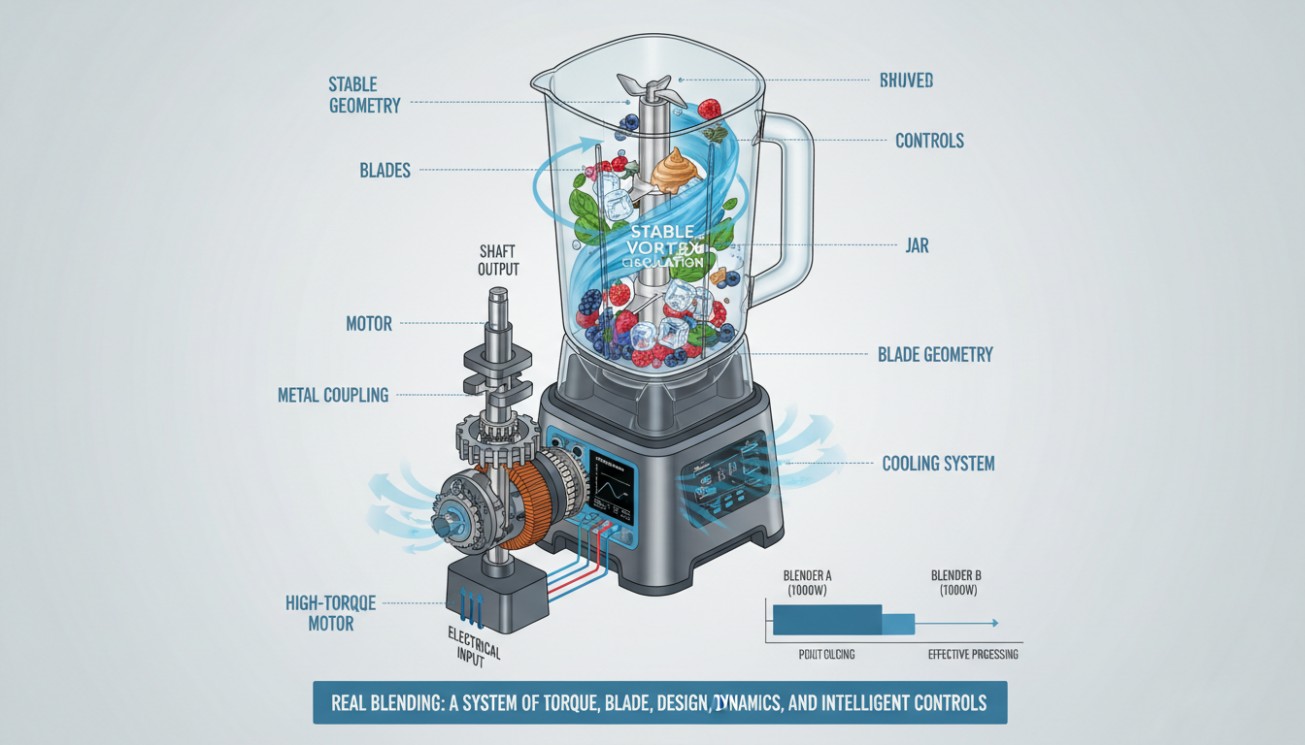
Why Blender Wattage Is Not Enough: The Engineering Behind Texture and Performance
A blender is a coordinated processing system, not just a high-watt motor. This engineering guide explains how torque, blade geometry, jar flow, control logic, cooling and recipe load interact—and shows buyers how to test real performance instead of trusting headline specifications.
The Real Cost of Owning a Soda Maker: Machine Price Is Only the Beginning
Many buyers think the main cost of owning a soda maker is the machine itself. In reality, the full picture is much broader. This article examines soda maker ownership cost from multiple angles, including the true cost of soda maker systems, home carbonation cost analysis, CO2 cylinder replacement cost, sparkling water cost per liter, refill routines, bottle management, flavor spending, and soda maker value over time.
Before You Buy a Soda Maker, Understand These 7 Decision Variables
Most people think choosing a soda maker is mainly about design, price, or carbonation strength. In reality, the ownership experience is shaped by a deeper set of decision variables. This article breaks down the seven most important factors buyers should evaluate before purchasing, helping readers choose a soda maker that fits their daily habits, kitchen routine, beverage preferences, and long-term expectations.
August 5th, 2026
Portable Cordless Blenders: Where Convenience Ends and Engineering Limits Begin
Portable blenders promise fresh smoothies anywhere, but portability changes the engineering equation. This guide explains battery energy, peak load, jar flow, frozen ingredients, charging safety, cleaning, travel constraints and lifecycle testing so buyers can distinguish a practical personal blender from an underpowered or poorly controlled product.
Cold Press, Masticating or Centrifugal? How Juicer Technologies Really Differ
Juicer labels often blur different extraction mechanisms. This guide separates centrifugal screen extraction, slow-auger systems and two-stage pressing, then compares ingredient behavior, texture, foam, yield, preparation, cleaning, throughput and commercial fit so buyers can evaluate equipment by process rather than marketing language.
Industrial Components
Column
Enter the column
April 10th, 2026
What Is a Drop-Leg Trailer Jack and When Is It Worth It for Cargo and Equipment Trailers
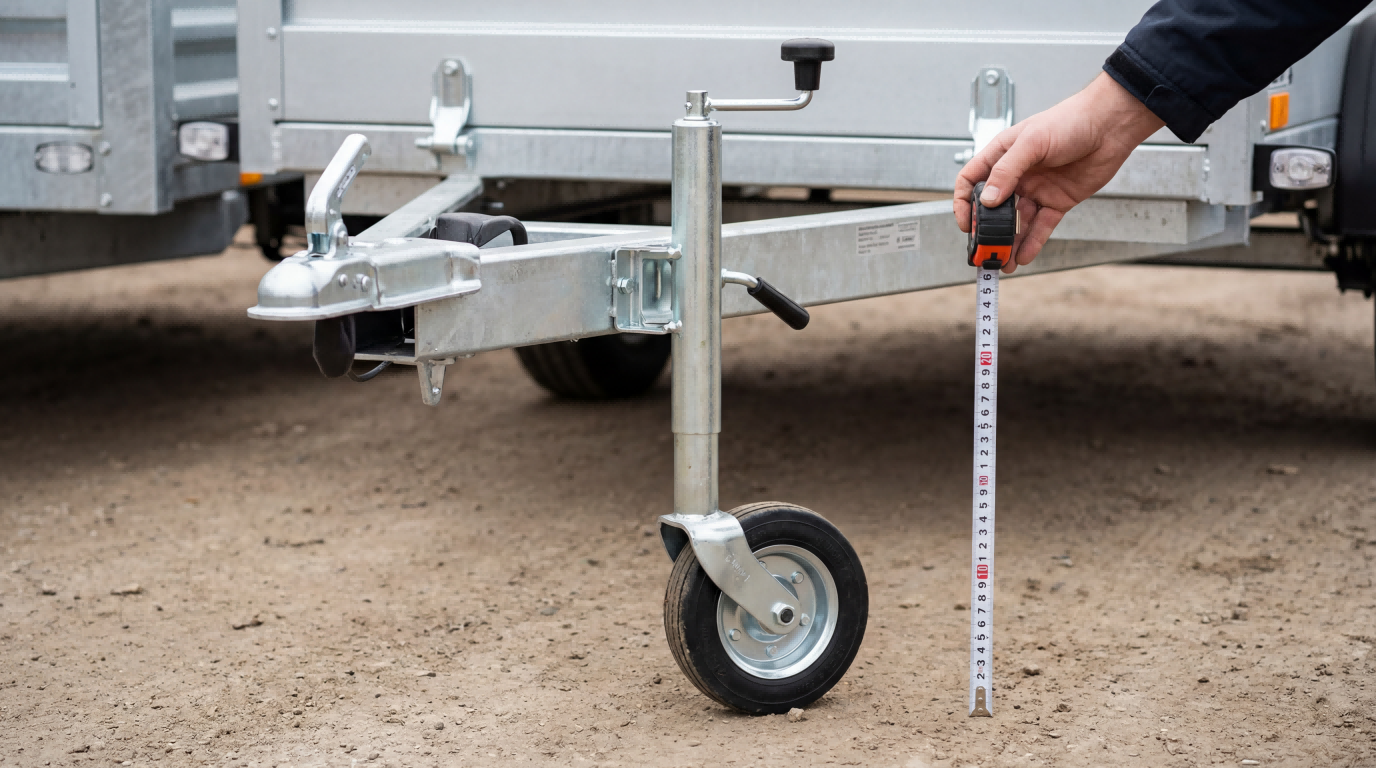
Learn what a drop-leg trailer jack is, how it works, and when it is worth upgrading for cargo, utility, equipment, and commercial trailers.
April 13th, 2026
Trailer Jack Capacity Explained: How to Match Jack Rating to Tongue Weight Safely
Learn how trailer jack capacity works, why tongue weight matters more than total trailer weight, and how to choose the right jack rating for safer towing and easier handling.
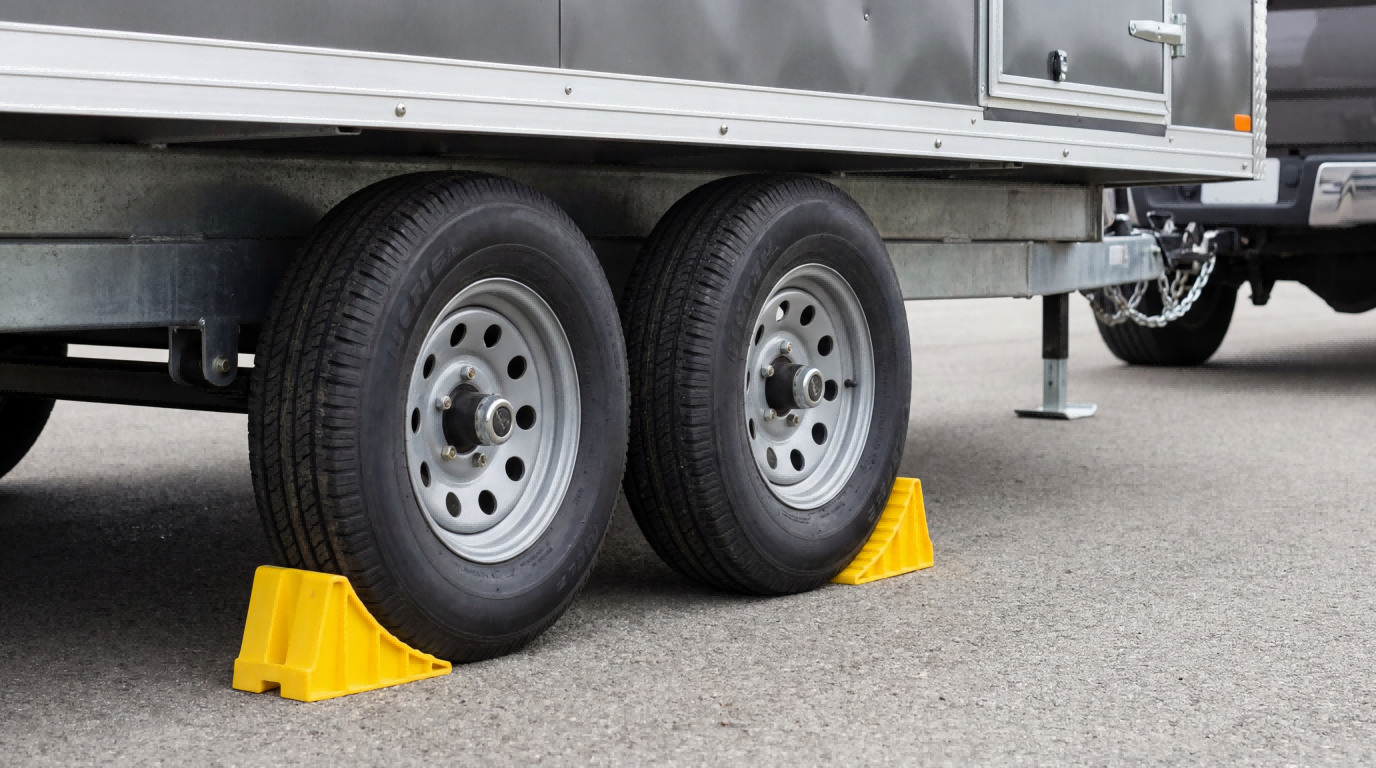
How to Safely Jack Up a Dual-Axle Trailer for Tire Changes and Maintenance
Learn how to safely jack up a dual-axle trailer for tire changes and maintenance, including jack points, wheel chocks, jack stands, and common lifting mistakes to avoid.
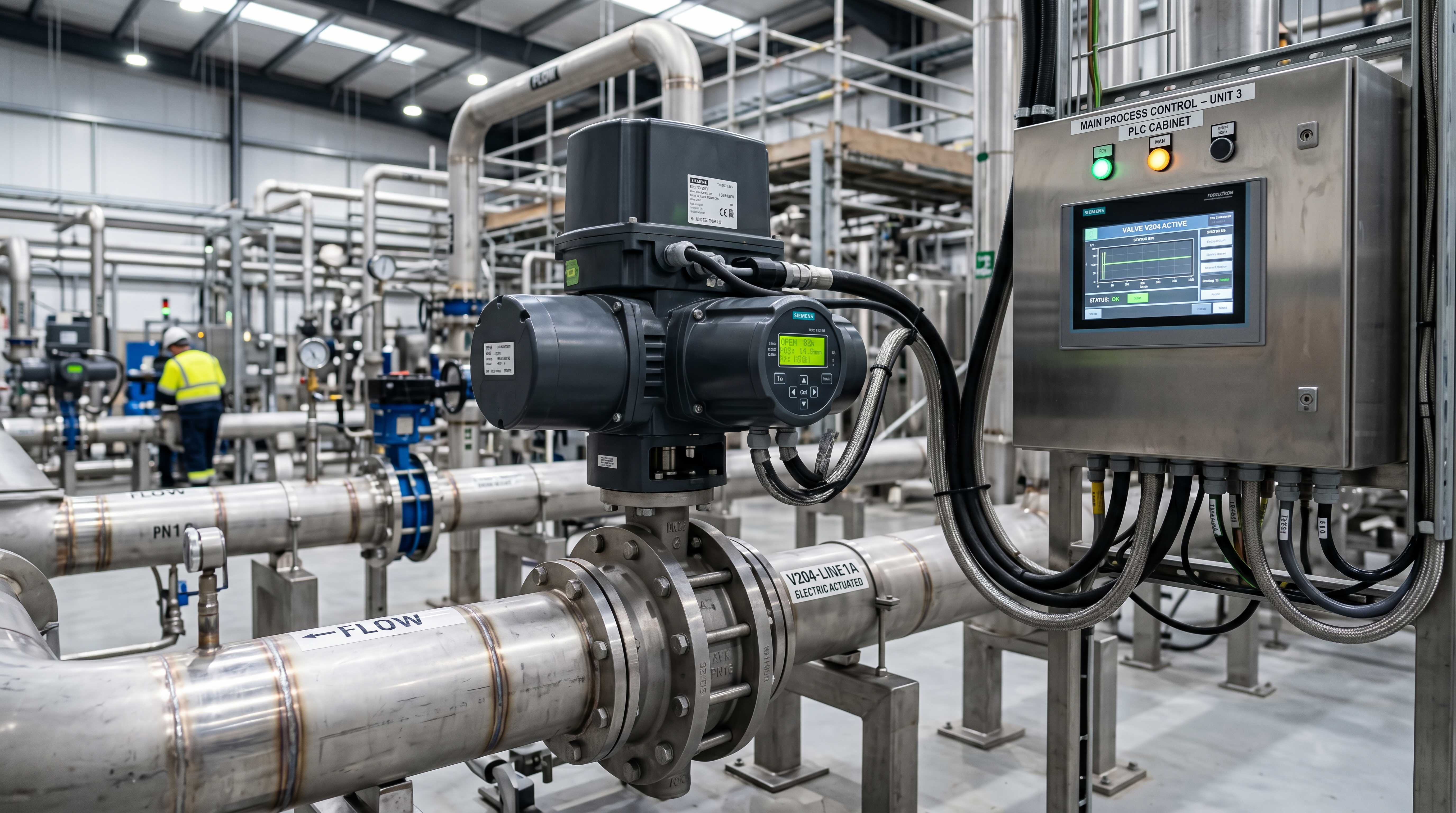
How to Select the Right Electric Actuator for Industrial Valves
Choosing an electric actuator is not only about torque or voltage. This guide explains how valve type, control mode, duty cycle, feedback, environment and installation details affect actuator selection.
Renewable Energy
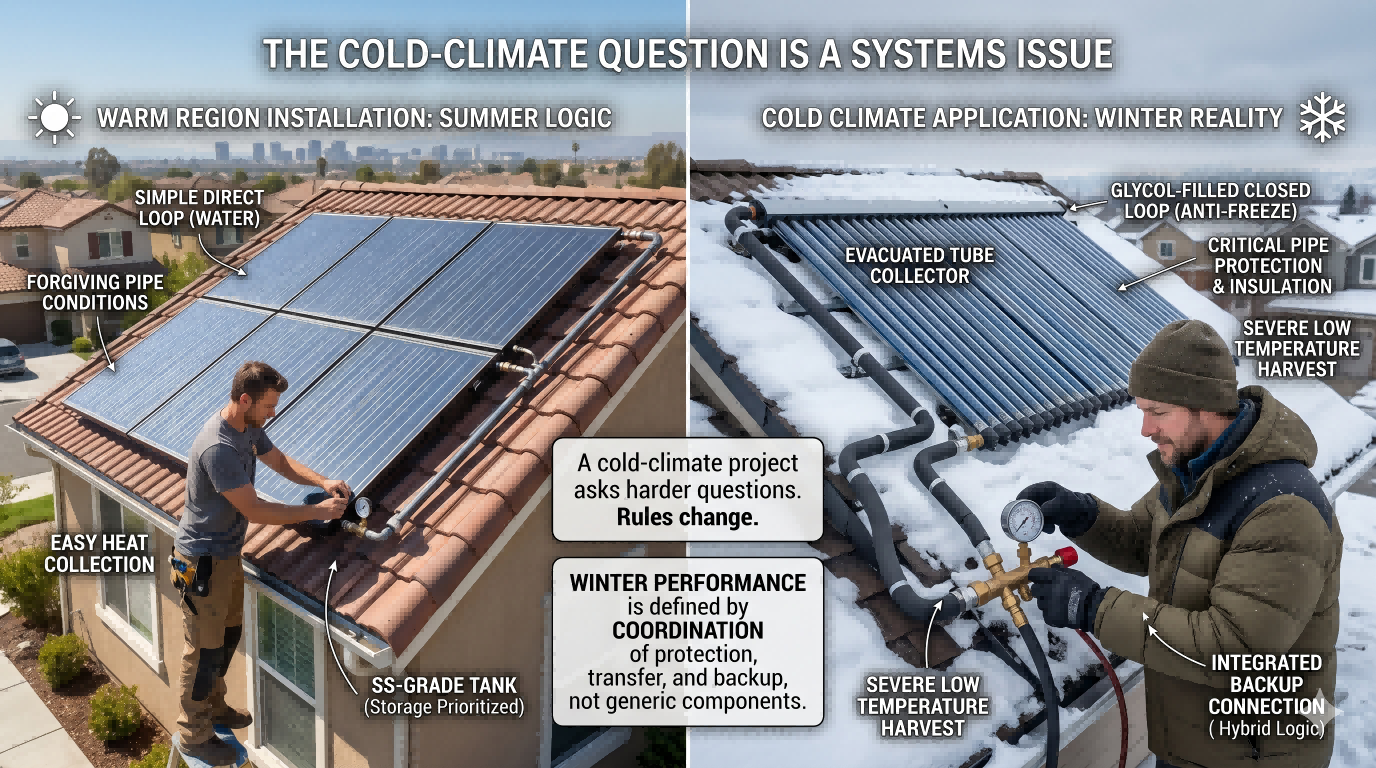
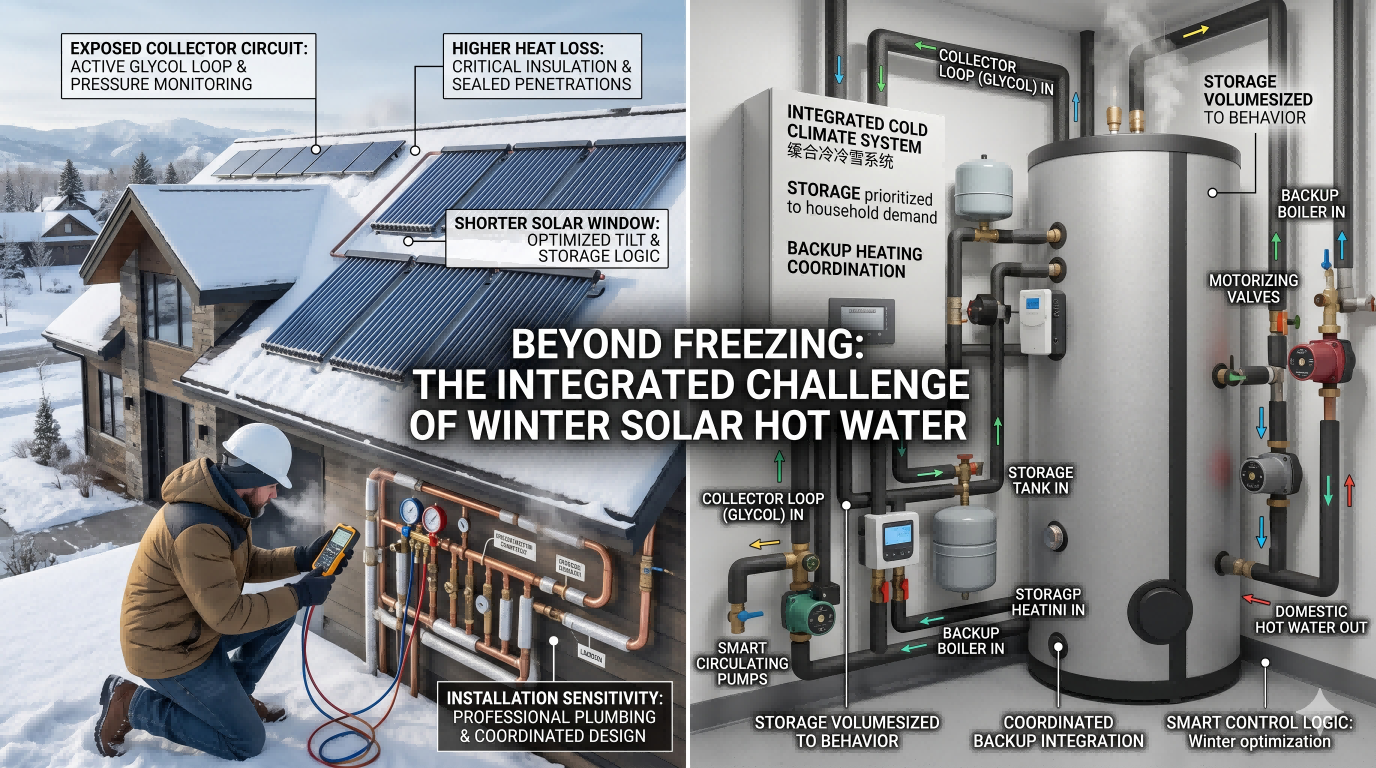
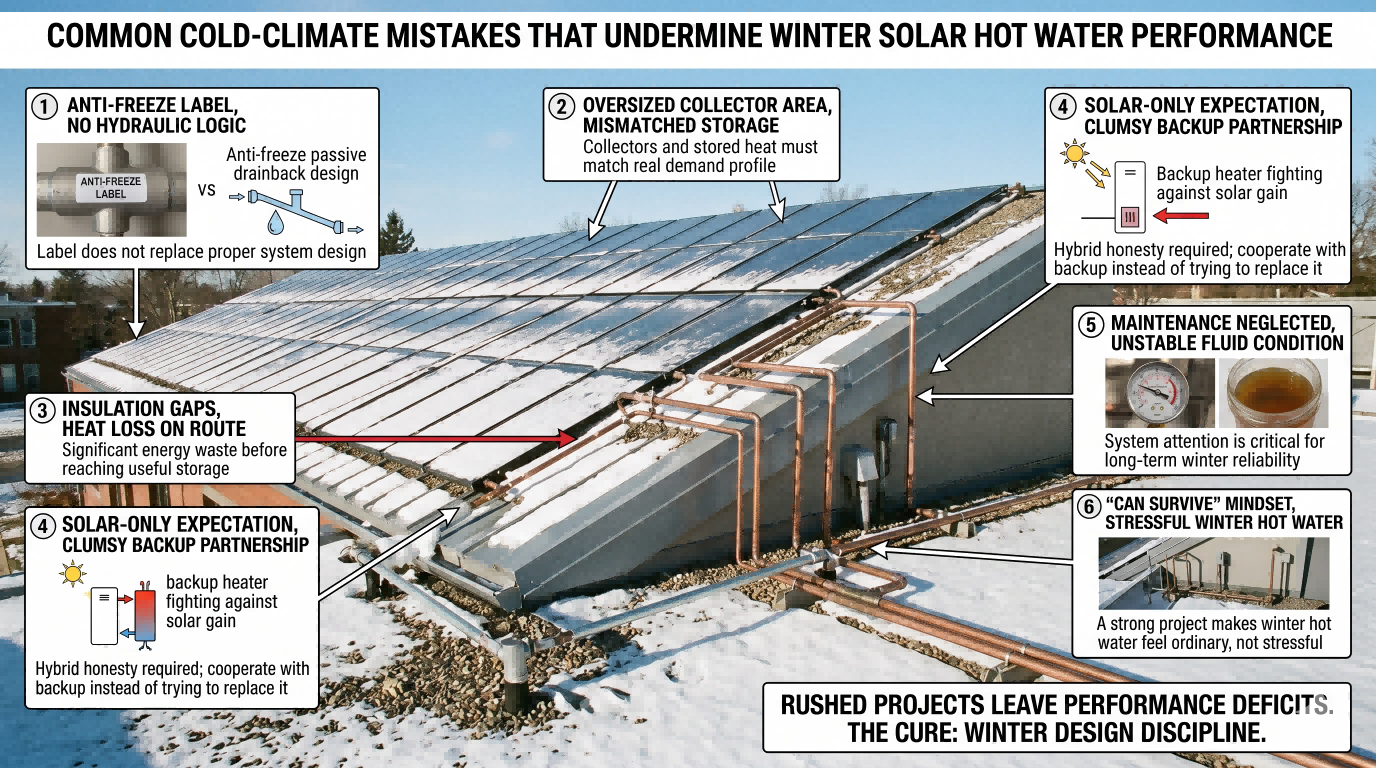
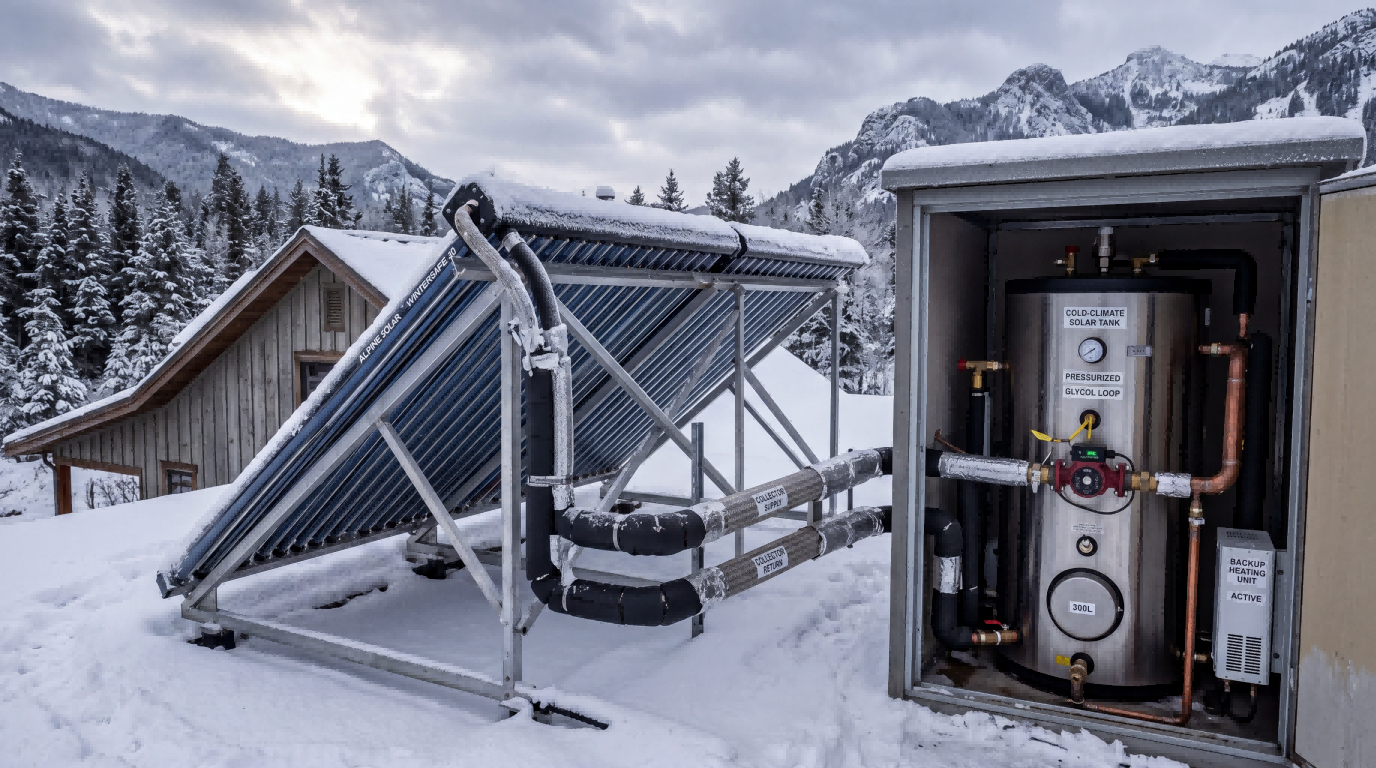
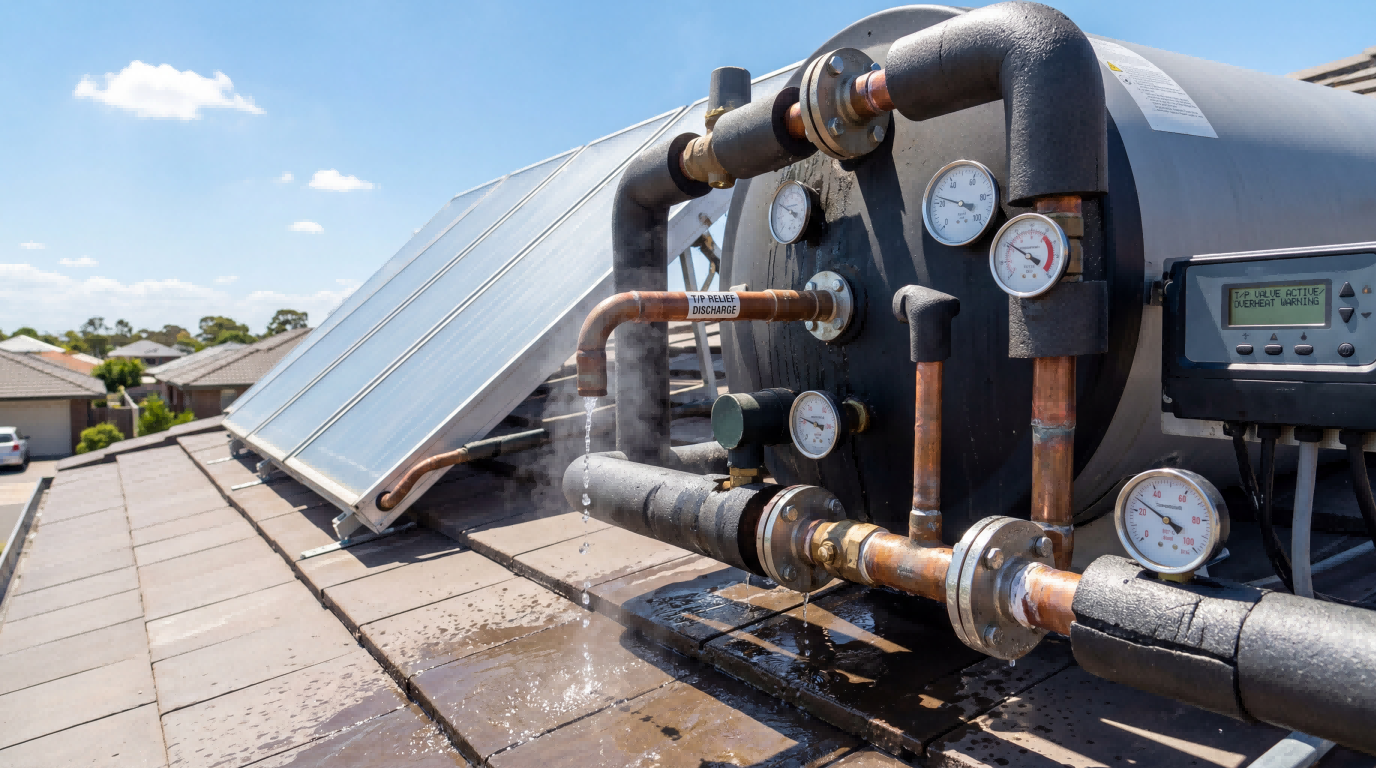
Can a Pressurized Solar Water Heater Work in Cold Climates Freeze Protection, Closed-Loop Design, and Winter Performance Explained
A pressurized solar water heater can work extremely well in cold regions, but only when the system is designed for winter reality rather than summer optimism. This article explains how freeze protection solar water heater strategies, closed loop solar water heater design, storage logic, and backup integration determine real solar hot water performance in winter.
What Is a Pressurized Solar Water Heater and Who Actually Needs One?
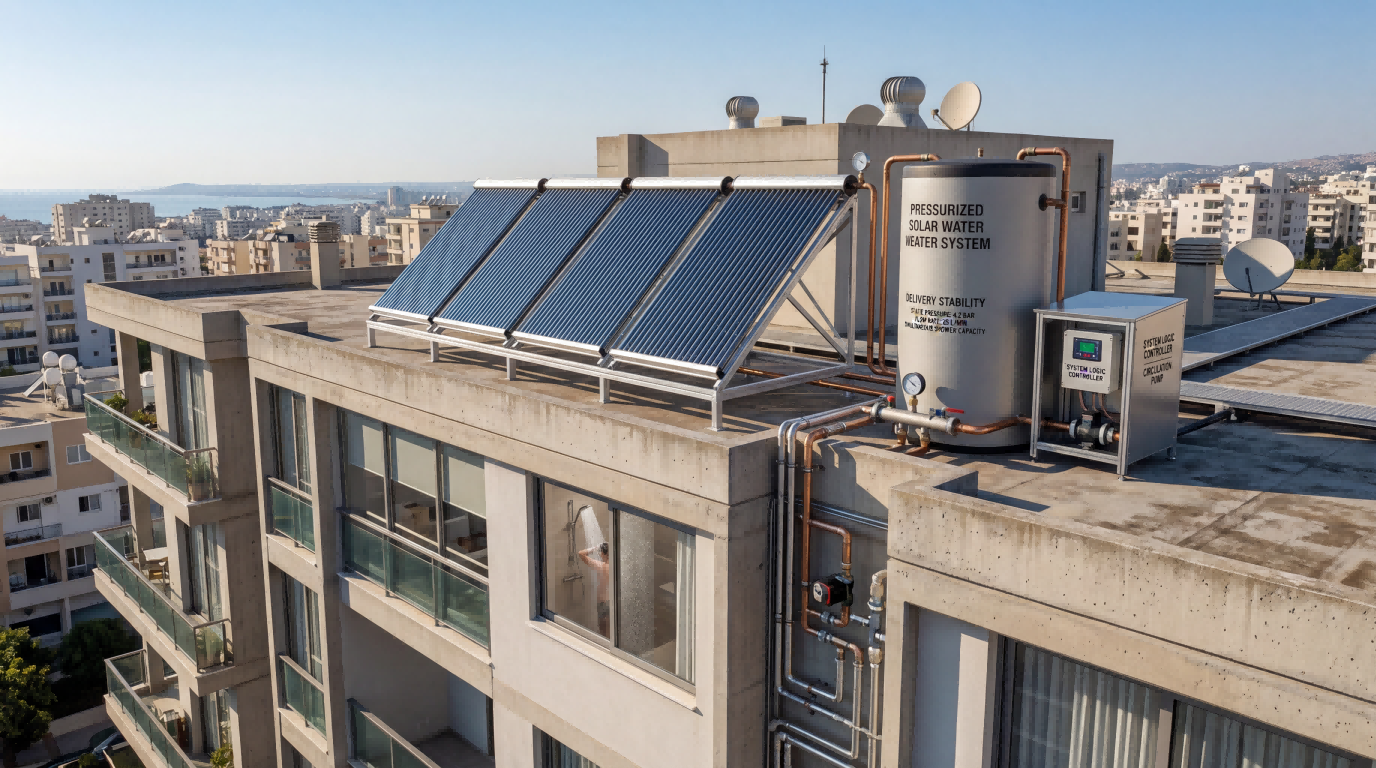
A pressurized solar water heater is not just a premium version of a standard solar hot water system. It is designed for homes that require stable water pressure, better outlet performance, and compatibility with modern plumbing conditions such as booster pumps, high-rise installations, and multiple bathrooms.
June 23rd, 2026
200W vs 400W vs 800W vs 1200W RV Solar: Which Setup Fits Your Camping Style?
RV solar wattage should not be selected by the biggest number on a product page. This guide explains how 200W, 400W, 800W and 1200W RV solar setups fit different battery banks, roof layouts, camping habits, charging sources and off-grid power expectations.
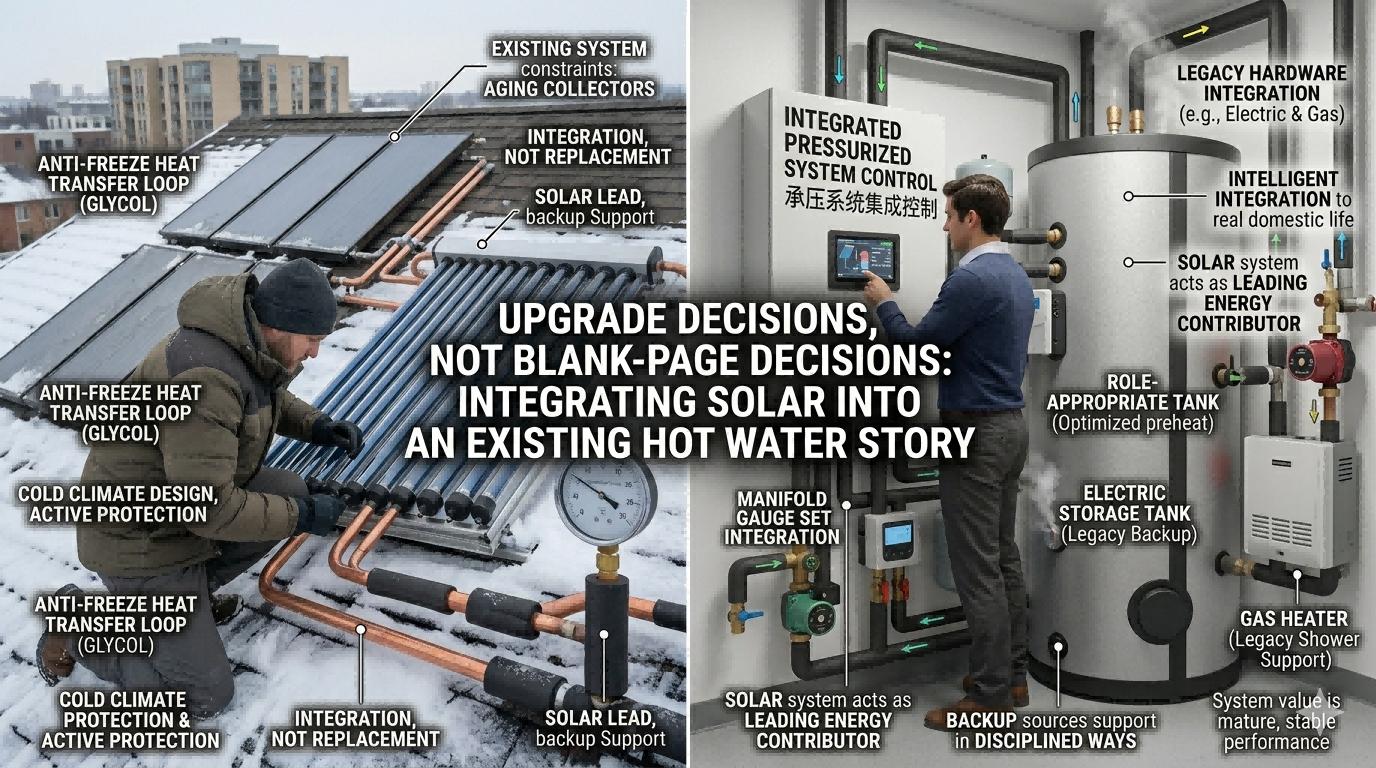
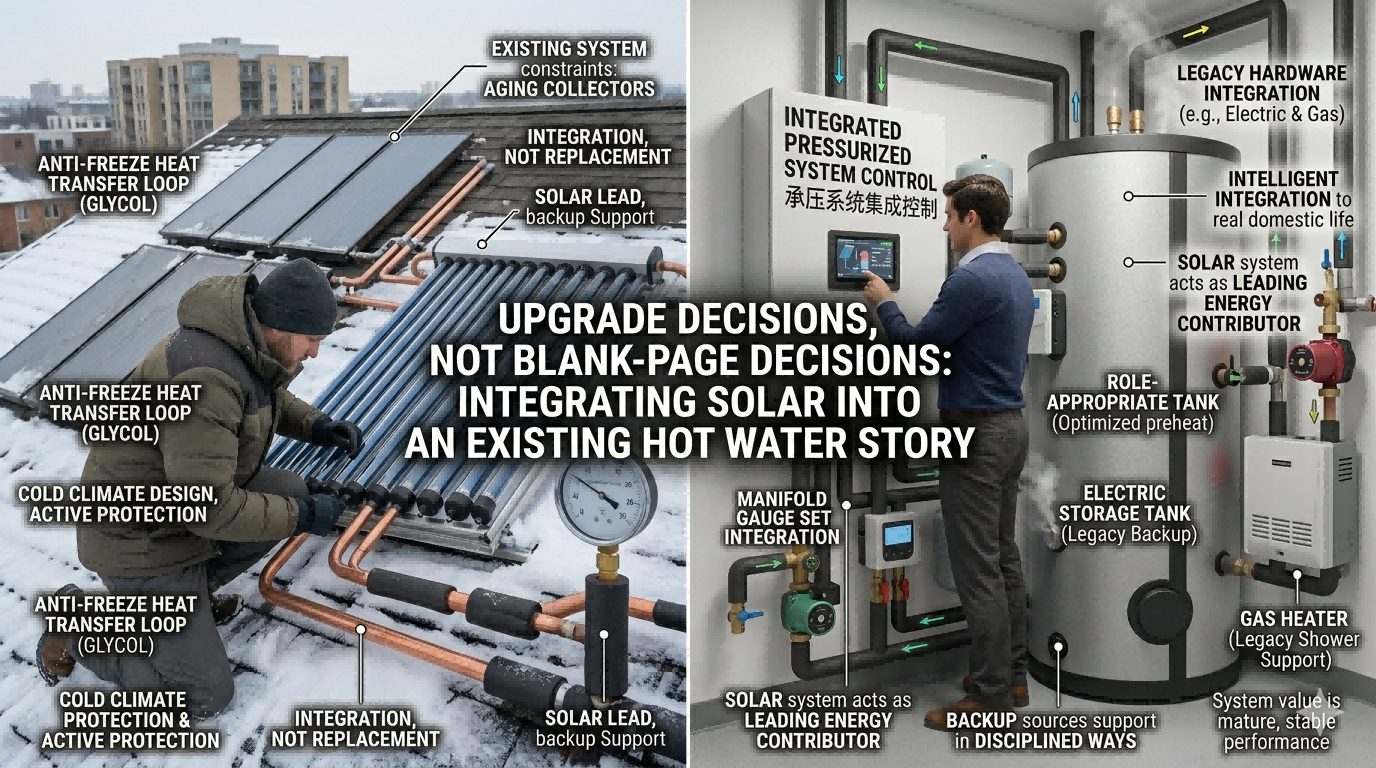
How a Pressurized Solar Water Heater Works with Electric Backup, Gas Boosters, Heat Pumps, and Existing Plumbing
A pressurized solar water heater delivers its greatest value when it is not treated as an isolated rooftop product, but as part of a coordinated domestic hot water strategy. This guide explains how a pressurized solar hot water system can work with electric backup, gas booster, heat pump water heater, and existing plumbing to create a more stable, efficient, and upgrade-friendly home hot water solution.
Building & Home Improvement
The Next Tent Will Not Be Defined by One Material How Sustainability, Repairability, and Adaptive Design Are Reshaping the Future of Shelter
The future of shelter will not be decided by a single fabric or one breakthrough spec. It will be shaped by how brands combine sustainable tent fabric, repairable tent design, PFAS-free tent chemistry, recycled tent fabric systems, modular tent system logic, and adaptive shelter design into products that deliver stronger long-term value, clearer purpose, and more human-centered outdoor living.
A Tent Does Not Fail Overnight How UV, Moisture, Storage, and Repair Define Real Tent Lifespan
Most people think a tent fails in one dramatic moment, but real shelter decline usually happens slowly through sunlight, moisture, abrasion, poor storage, and neglected repair. This article explains why tent lifespan is not just a factory specification, but the result of material aging, ownership behavior, product matching, and maintenance discipline over time.
When a Tent Starts Acting Like a Building: How Commercial Tent Systems Redefine Space, Speed, and Functional Architecture
The modern tent industry is no longer defined only by outdoor recreation. In commercial, industrial, event, warehousing, and semi-permanent space planning, tents are increasingly being used as fast, flexible, and highly engineered building systems. This article explains how commercial tent architecture, PVC membrane performance, clear span structures, and modular deployment logic are reshaping the way organizations create functional space.
July 13th, 2026
Why Shower Drains Fail The Critical Waterproofing Connection Hidden Beneath the Finished Floor
Most shower drain failures do not begin at the decorative grate. They begin where the waterproofing layer terminates, changes material or connects to the drain body. This guide explains traditional liners, bonded flanges, sheet and liquid membranes, common leak paths, inspection hold points, repair decisions and the information project buyers should demand before the drain disappears beneath tile.
Chemicals & Water Treatment
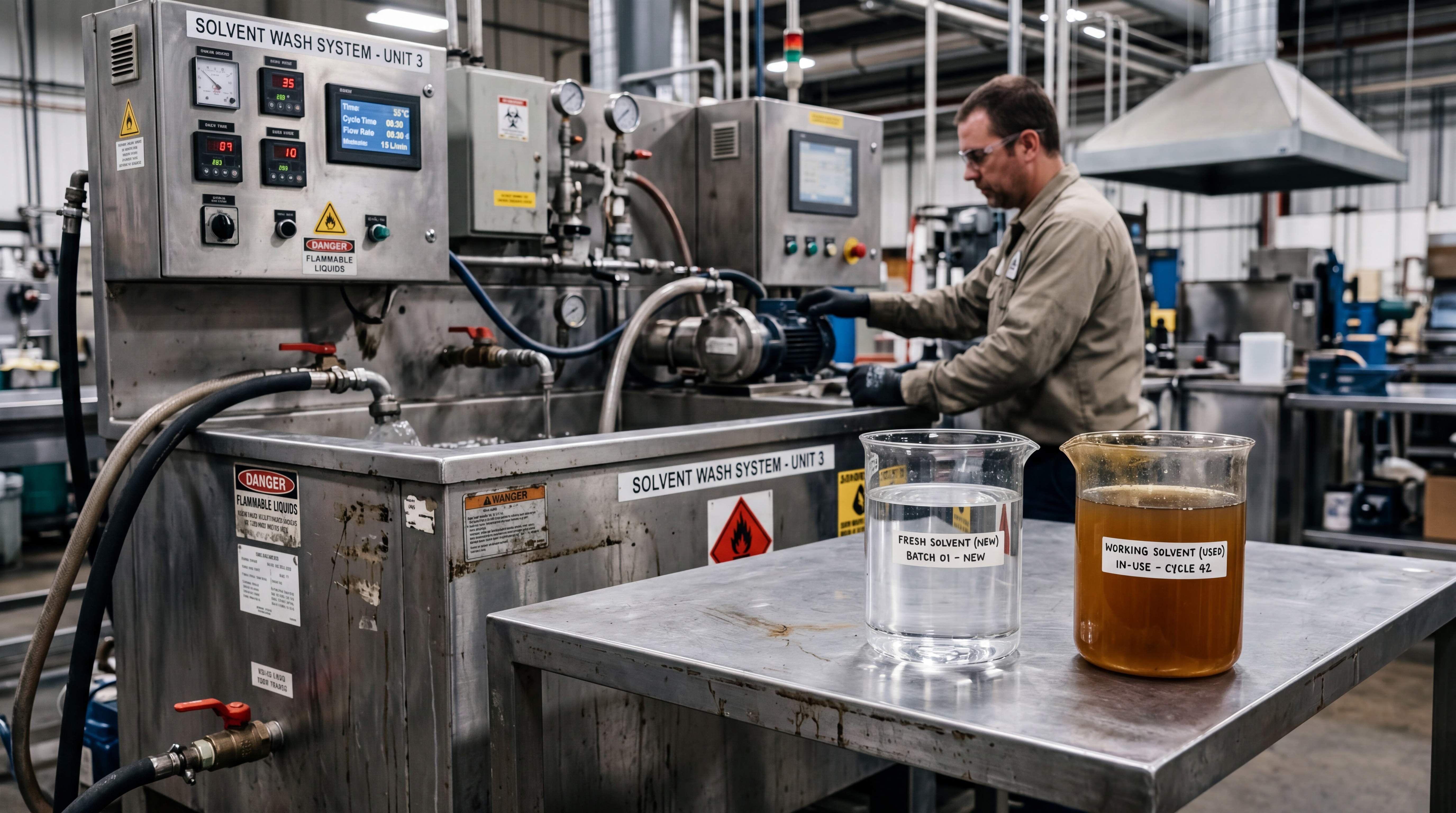
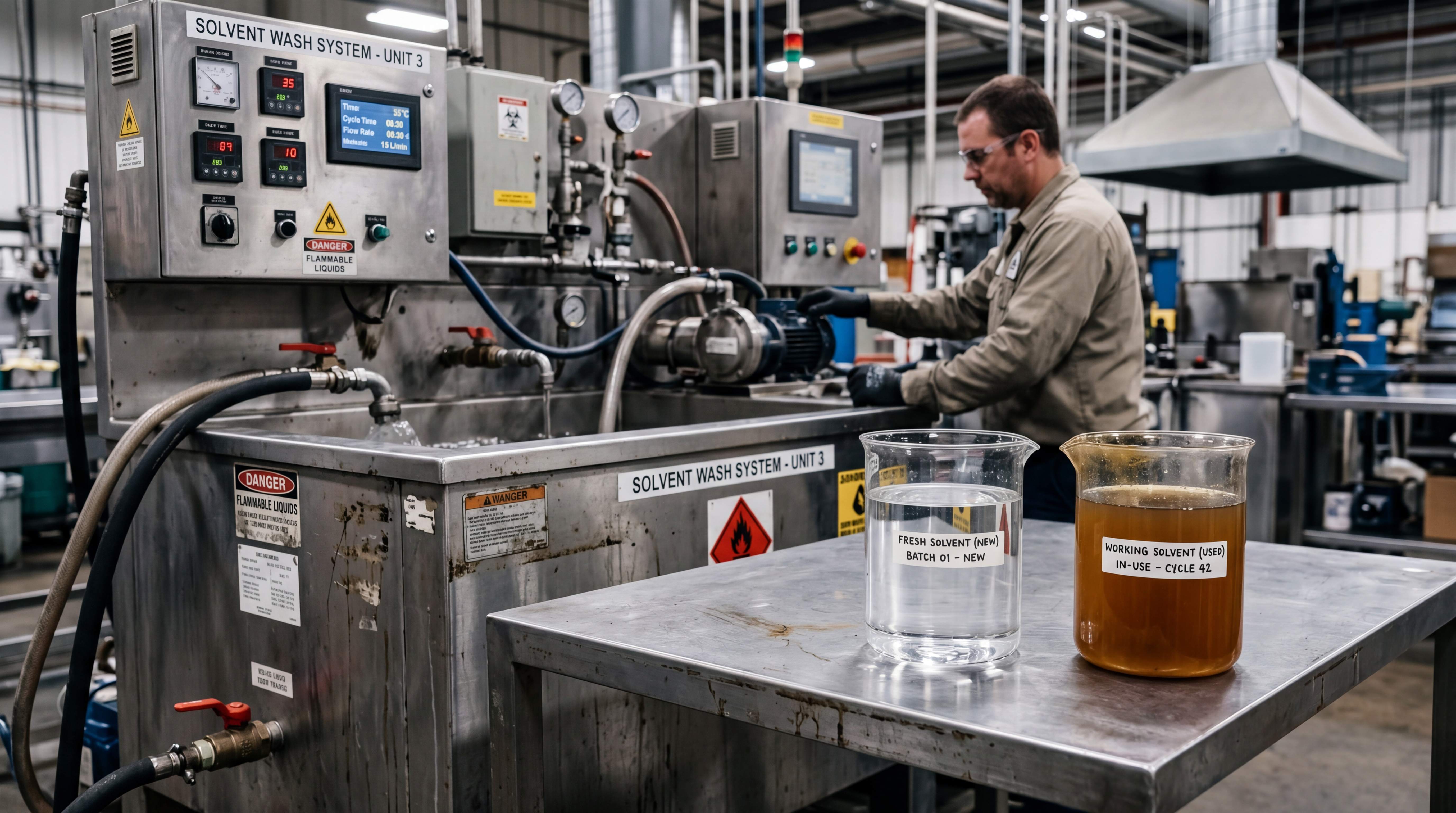
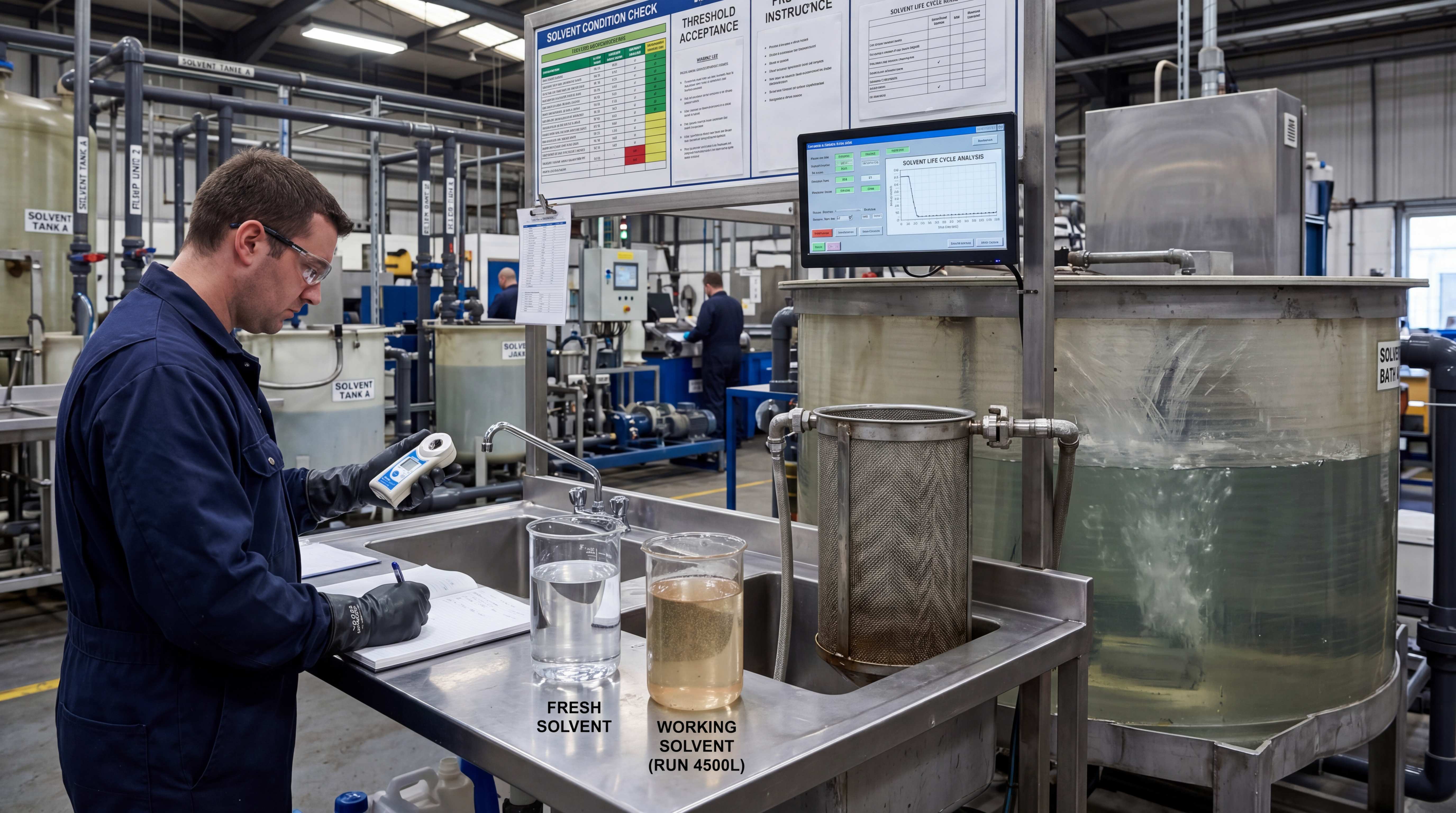
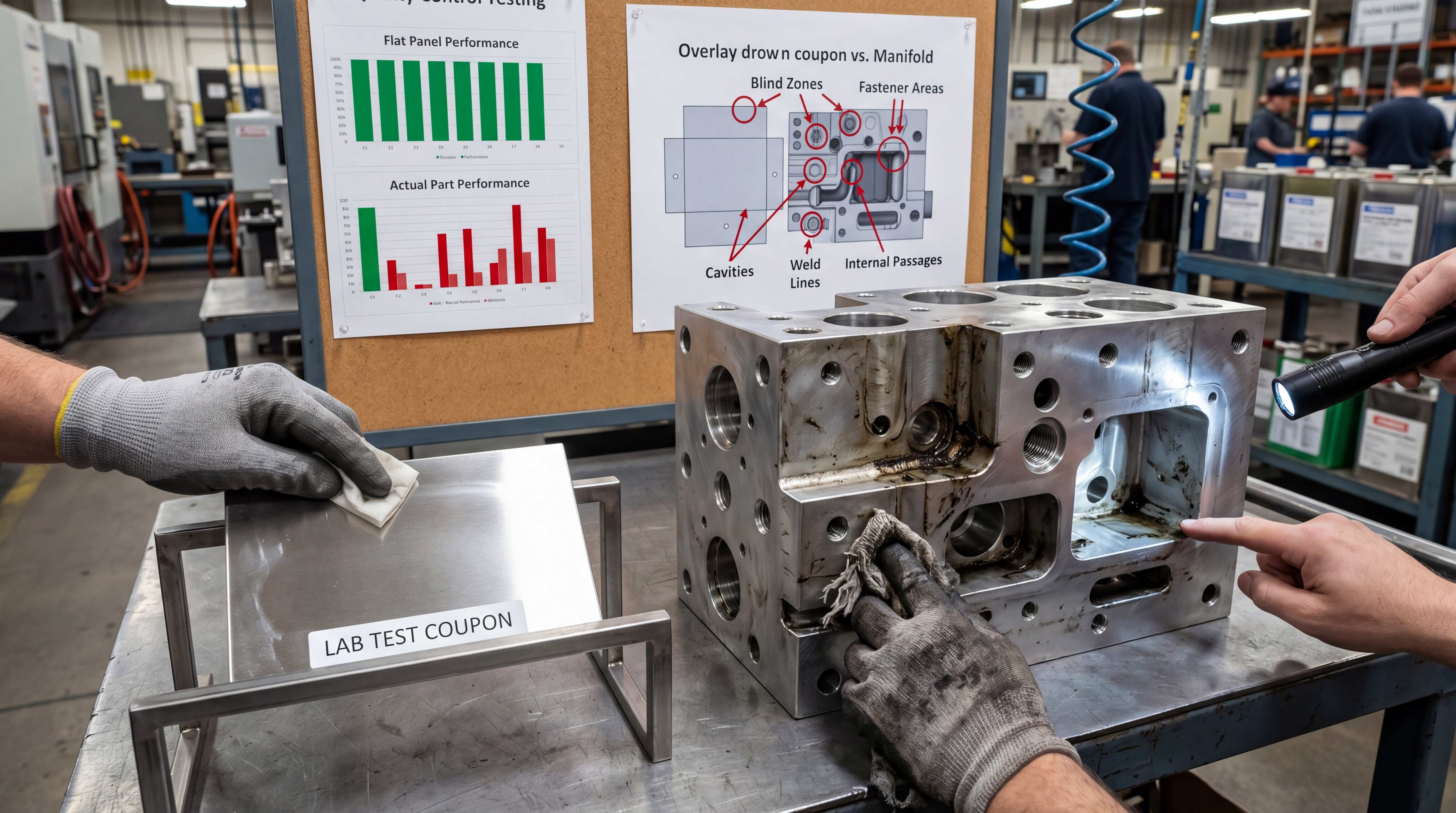
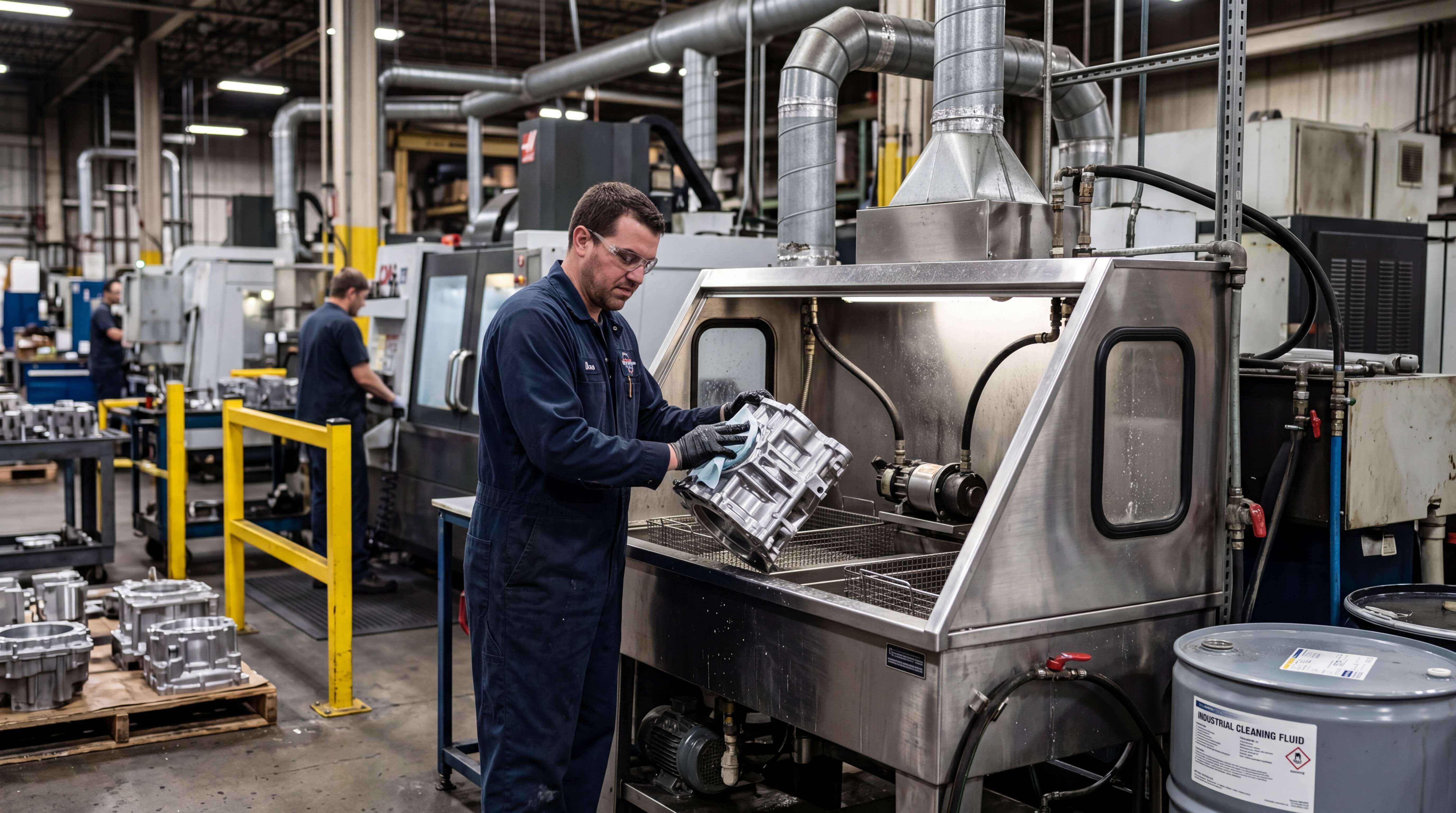
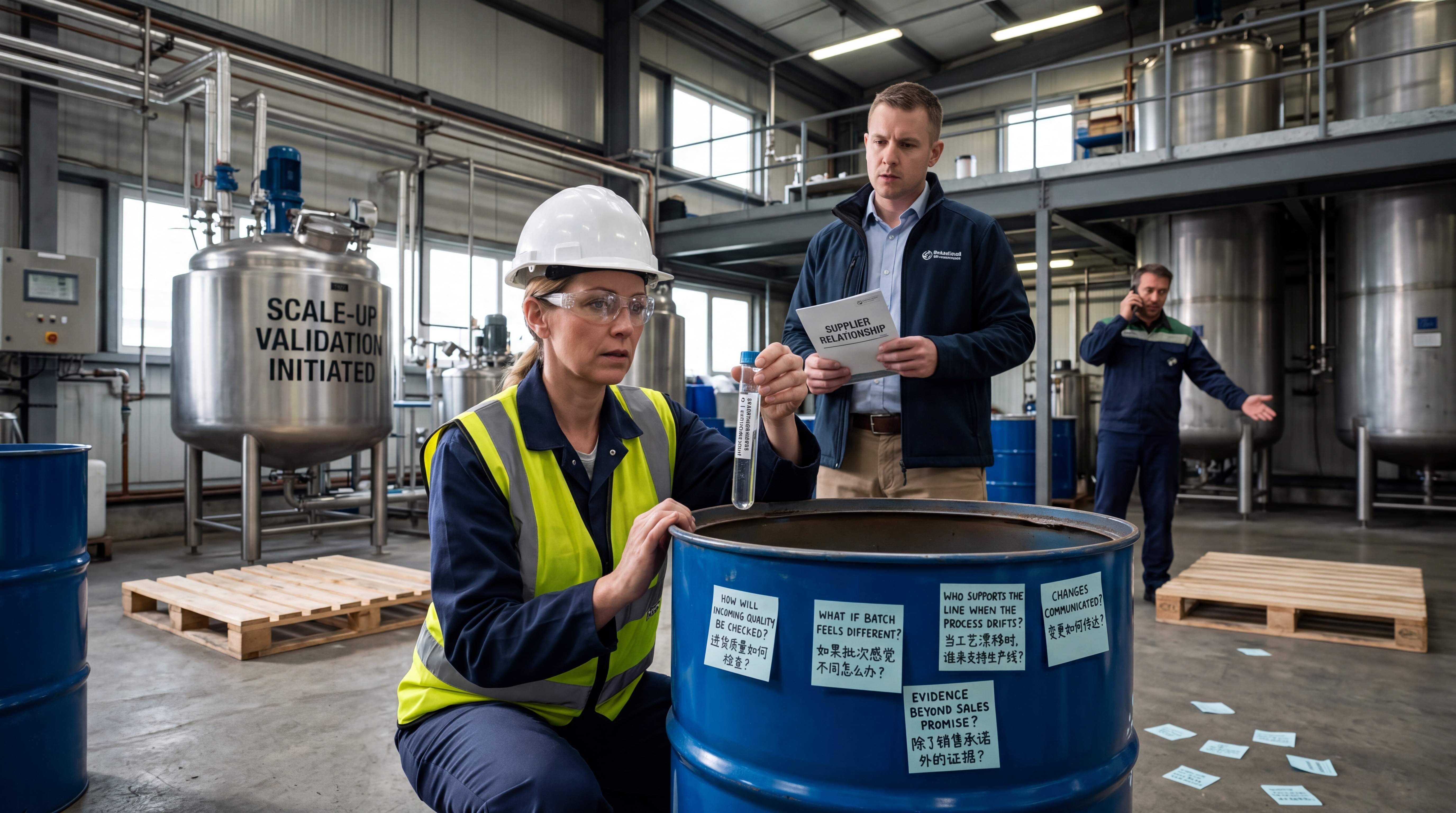
Why Hydrocarbon Solvent Trials Succeed in the Lab but Fail on the Production Floor
A successful solvent trial does not always mean a successful production process. This article explains where hydrocarbon solvent validation often breaks down during scale-up.
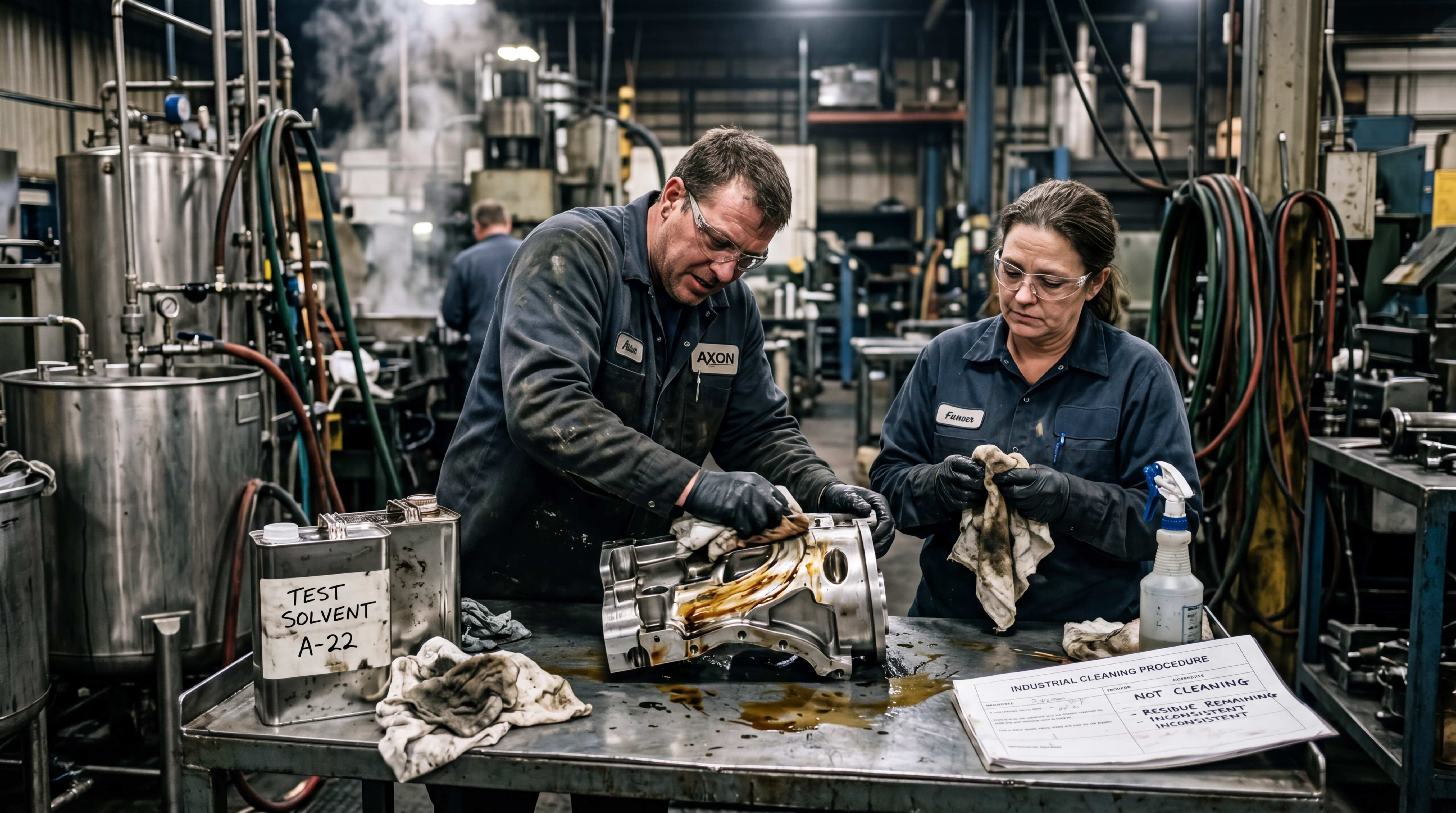
Aliphatic vs Aromatic Solvents: How to Choose the Right One for Industrial Use
Compare aliphatic solvents and aromatic solvents in real industrial applications. Learn how hydrocarbon solvents differ in solvency power, evaporation rate, flash point, odor, compatibility and process value for better solvent selection.
Stop Selling Hydrocarbon Solvents by Chemistry Name Alone Build the Portfolio Around Real Industrial Use
A stronger hydrocarbon solvent portfolio is built around application logic, not chemistry names alone. This article explains why that shift improves customer understanding and buying confidence.
July 31st, 2026
Boiler Deposits Remember What Water Samples Forget: A Forensic Guide to Tube Risk
A normal boiler-water report only describes the present sample; deposits preserve the history of hardness leakage, corrosion products, contamination, heat flux and chemistry upsets. This forensic guide shows how to map deposit location, analyze tube samples, interpret under-deposit risk and decide whether to correct operation, clean chemically or replace damaged tubing.